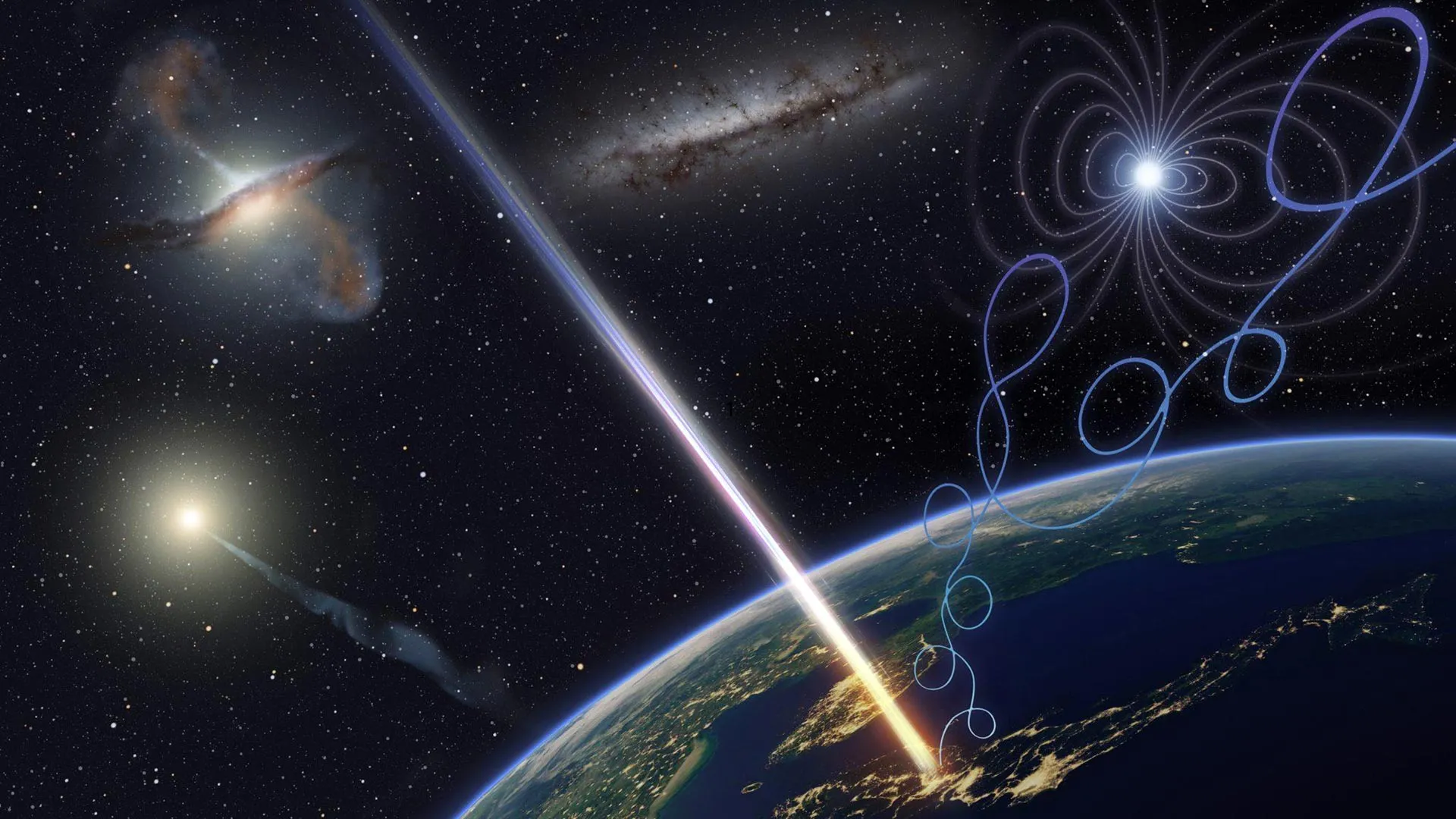
An ultraheavy particle may help explain one of the most puzzling mysteries in modern astrophysics: the origin of the most energetic particles ever detected.
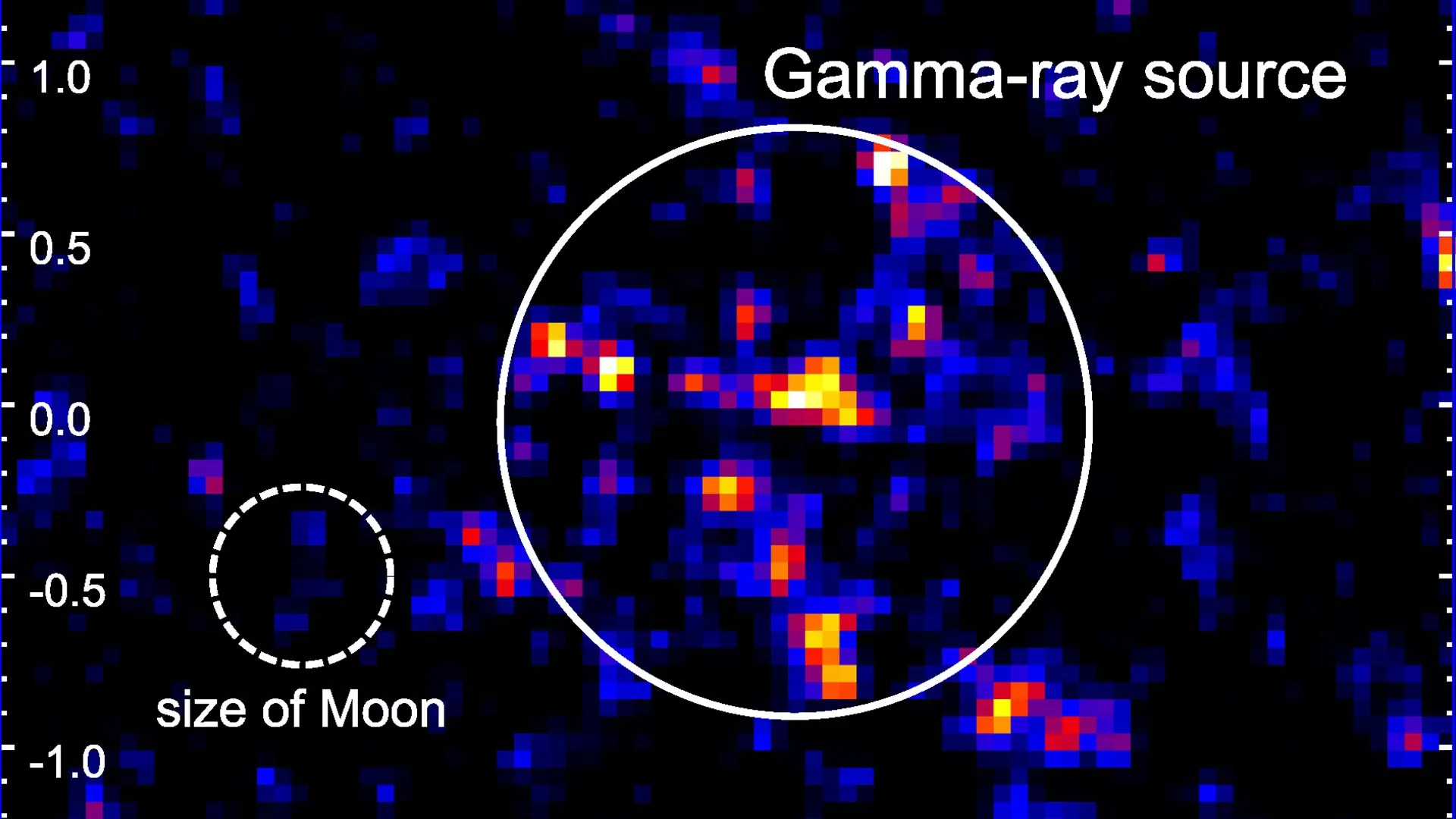
Ultrahigh-energy cosmic rays are particles from space that slam into Earth with energies far beyond anything produced by human-built particle accelerators. Among the most extraordinary examples is the "Amaterasu particle," which was detected by the Telescope Array in Utah in 2021 and named for the sun goddess in Japanese mythology. Its reported energy ranks it among the most powerful cosmic-ray events ever observed, placing it in the same rare category as the "Oh-My-God particle" recorded in 1991. Yet scientists still do not know where it came from, or even exactly what it was.
Ultraheavy Cosmic Rays
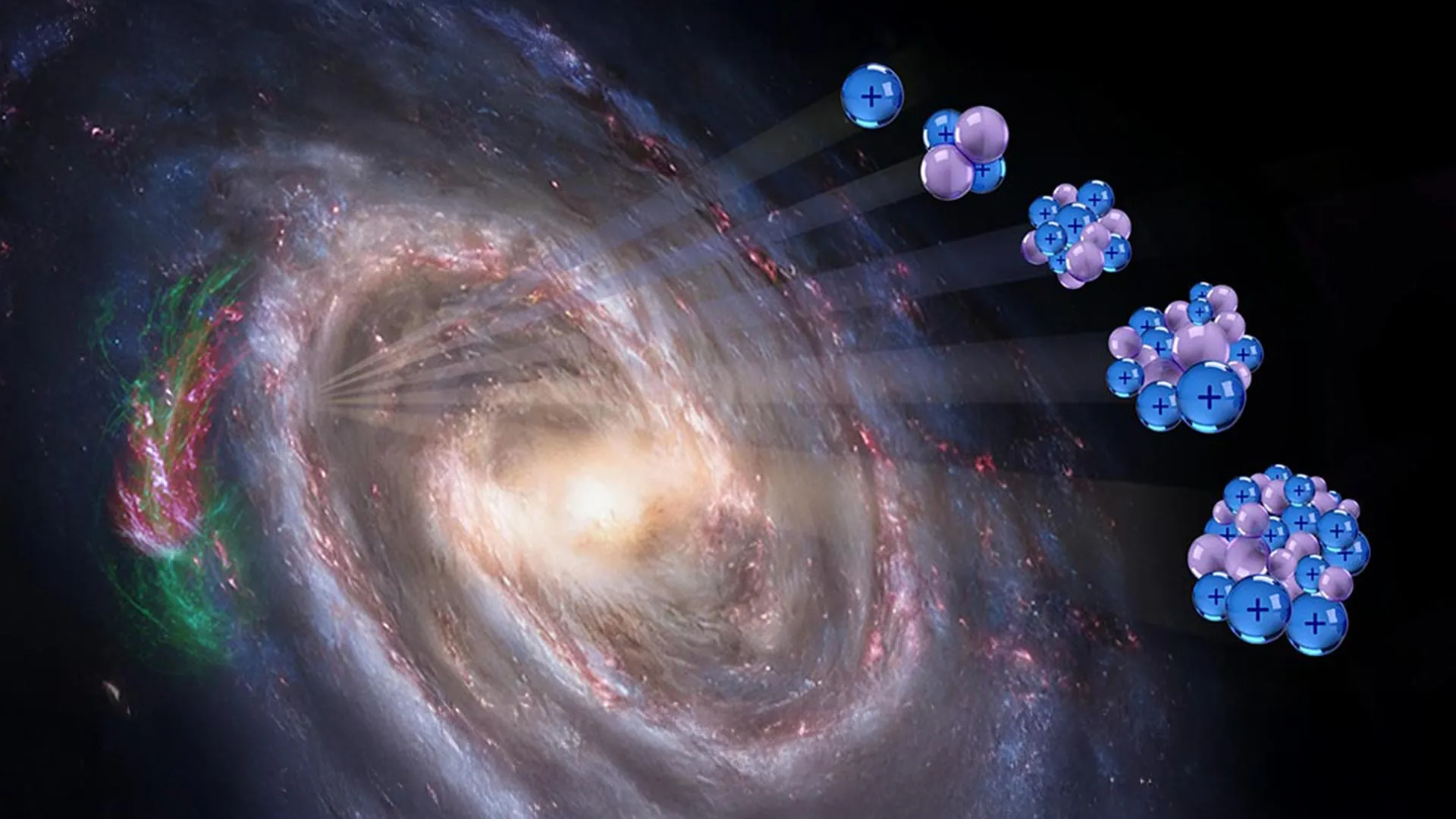
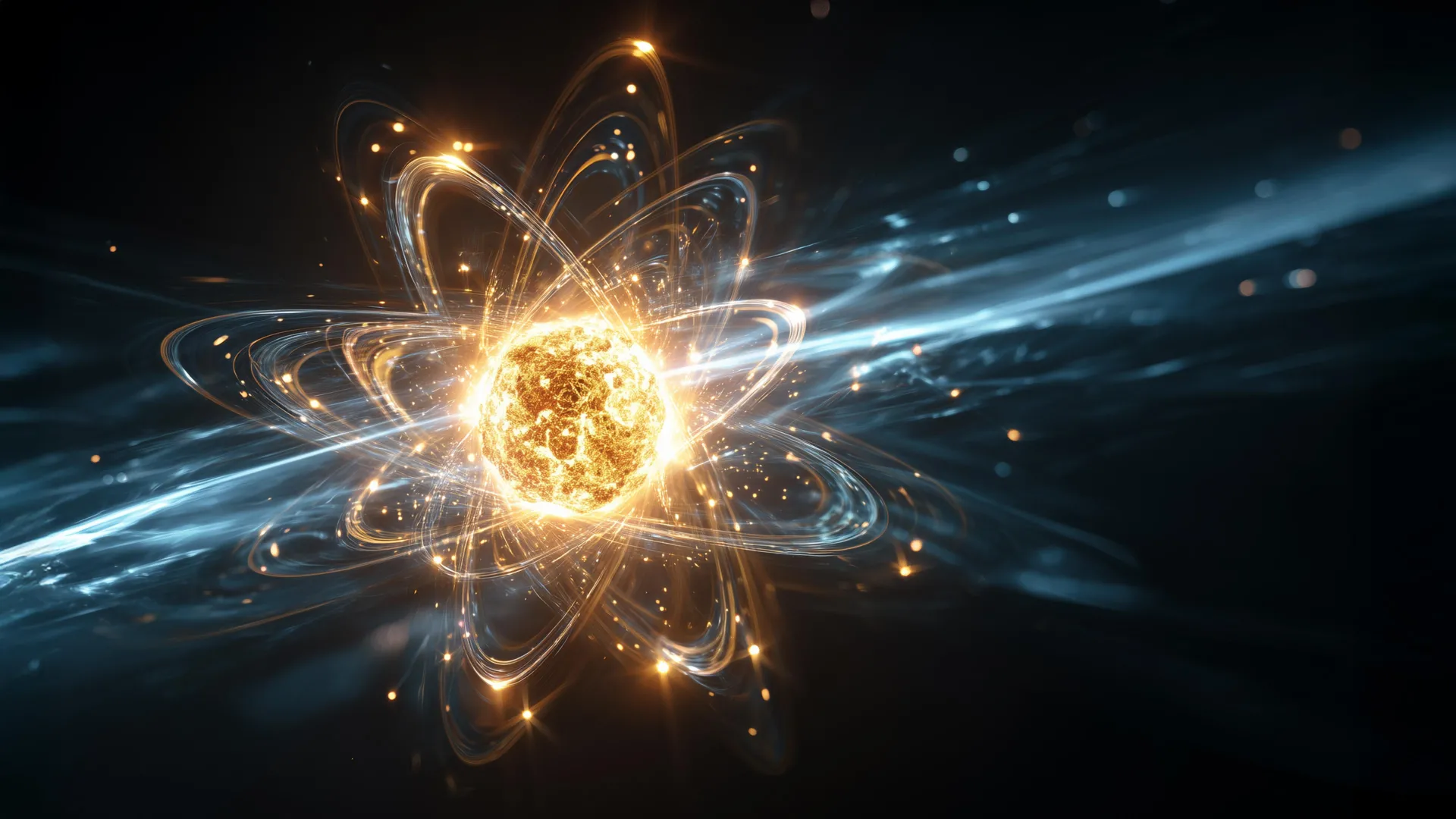
New research led by scientists at Penn State and published in Physical Review Letters suggests that some of the highest-energy cosmic rays may be atomic nuclei heavier than iron. Atomic nuclei are the compact centers of atoms, made up of protons and neutrons. They hold almost all of an atom's mass while taking up only a tiny part of its total volume.
According to the team's calculations, these ultraheavy nuclei may lose energy more slowly than protons or lighter nuclei while crossing intergalactic space. That means they could survive the journey to Earth while still carrying extreme amounts of energy. The work, carried out with collaborators at the Yukawa Institute for Theoretical Physics in Japan, Virginia Tech and other institutions, may help scientists identify the types of cosmic objects powerful enough to launch such particles.