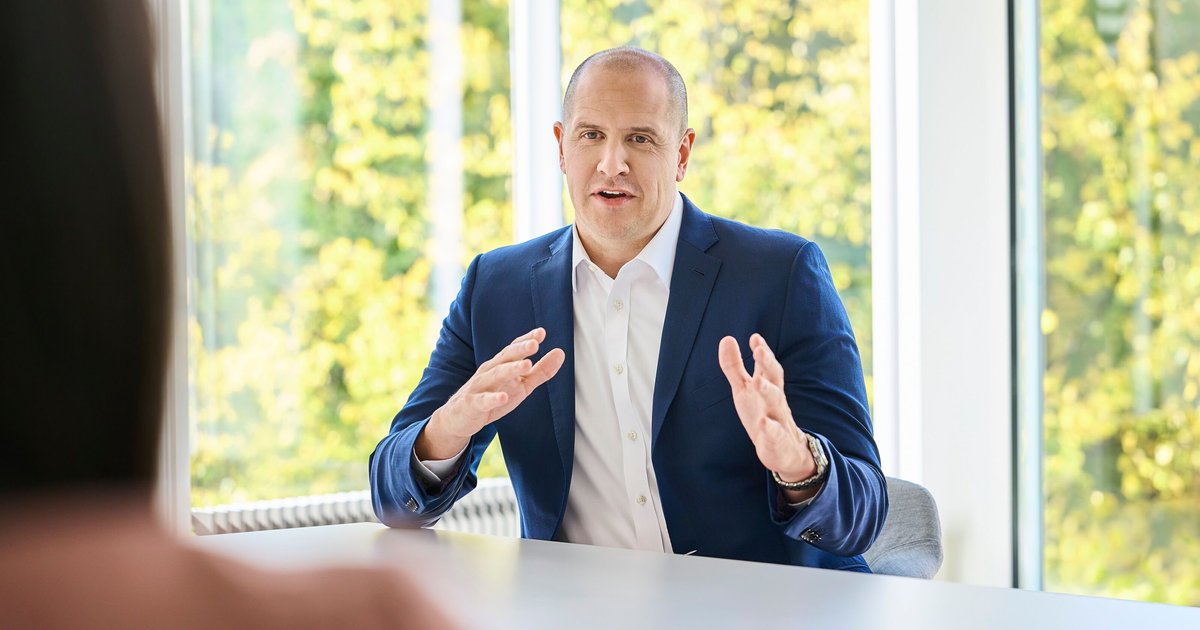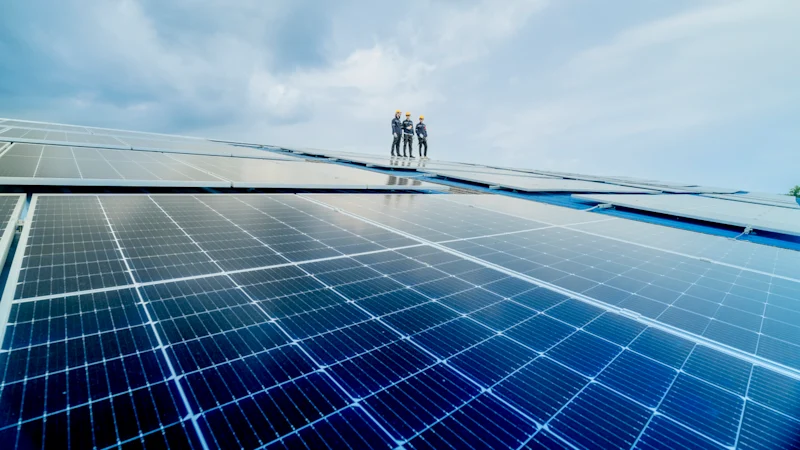
Advertorial for AGLJune 9, 2026 — 4:58pmEnergy is moving from the margins to the core of business operations. Across manufacturing, warehouses, logistics facilities and commercial sites, businesses are reassessing how energy is used, driven by electrification, rising costs and the growing need to manage energy more strategically.What was once the domain of procurement or facilities management is now shaping how businesses schedule work, manage equipment and plan infrastructure.Piber Plastics is integrating rooftop solar into day-to-day manufacturing operations.The shift is playing out across a range of sectors.Brendan Weinert, AGL’s general manager of sustainable business energy solutions, says businesses are becoming more active in how energy is managed at a site and portfolio level.Manufacturers are aligning production with energy demand. Logistics operators are now considering how to actively manage refrigeration loads, automation systems and fleet charging.Brendan Weinert, AGL’s general manager of sustainable business energy solutions.At the same time, organisations are increasingly looking at how existing infrastructure can be adapted with minimal disruption to operations.Most businesses start by understanding their energy profile through data and active load management. They then focus on energy efficiency and onsite renewable generation, taking practical steps along the pathway to electrification.“These changes drive insight even before infrastructure upgrades,” Weinert says.Businesses are increasingly staging projects around maintenance cycles and operational requirements rather than pursuing large-scale changes all at once.“Incremental deployment could be critical in live environments,” Weinert says.This approach is becoming increasingly important in sectors where downtime can affect production and operation.At Melbourne manufacturer Piber Plastics, energy is now integrated with operational scheduling across the plant.The company, which produces plastic packaging products, has integrated rooftop solar generation into day-to-day operations as part of a broader effort to manage costs and improve efficiency.“We have become more deliberate about how and when energy is used across the site,” says Piber Plastics business development executive Nisarg Patel.“With solar now contributing to operations, we have aligned energy-intensive processes to daylight hours to maximise the use of on-site generation.”Patel says rising electricity costs pushed the business to rethink how energy was managed across the plant.“Alongside managing cost, we had a genuine commitment to reducing our greenhouse gas emissions, and solar presented an opportunity to address both objectives.”Piber Plastics business development executive Nisarg Patel.The company worked with AGL on a rooftop solar installation designed to support operations during production hours.Piber now benefits from a 351-kilowatt rooftop solar system integrated with an existing 100-kilowatt installation, with AGL owning and maintaining the system under a Power Purchase Agreement.The impact extends beyond energy supply.“Operationally, it has prompted more conscious energy scheduling across the site. The team is more engaged with energy consumption as part of running the plant efficiently.”The growing engagement from operational teams is becoming more common across industry.Weinert says: “Operational teams often identify where energy improvements deliver the greatest impact because they understand constraints and workflows.”This is reshaping how businesses approach upgrades and infrastructure changes.For many organisations, the challenge is not simply installing new technology but integrating systems into environments that remain fully operational.“There were coordination points during installation that required careful sequencing, but the process was well managed,” Patel says.“It reinforced the importance of working with a partner who understands the demands of an active manufacturing environment.”The growing operational role of energy is also changing how businesses measure performance.Rather than focusing solely on energy consumption, organisations are increasingly assessing how systems support reliability, operational continuity and cost predictability.Weinert says many businesses are seeing benefits emerge relatively quickly once energy is managed as part of day-to-day operations.That process is also changing workplace culture.Patel says greater visibility around energy use has created stronger engagement across the site.“There is also a broader sense of operating a more sustainable facility, which matters to our team.”As electrification expands across Australian industry, businesses are increasingly treating energy not simply as a cost to manage, but as part of the systems underpinning performance, reliability, sustainability and long-term growth.To find out more, please visit AGL.From our partners
Rethinking how businesses use energy
Energy is moving from the margins to the core of business operations.
654 words~3 min read