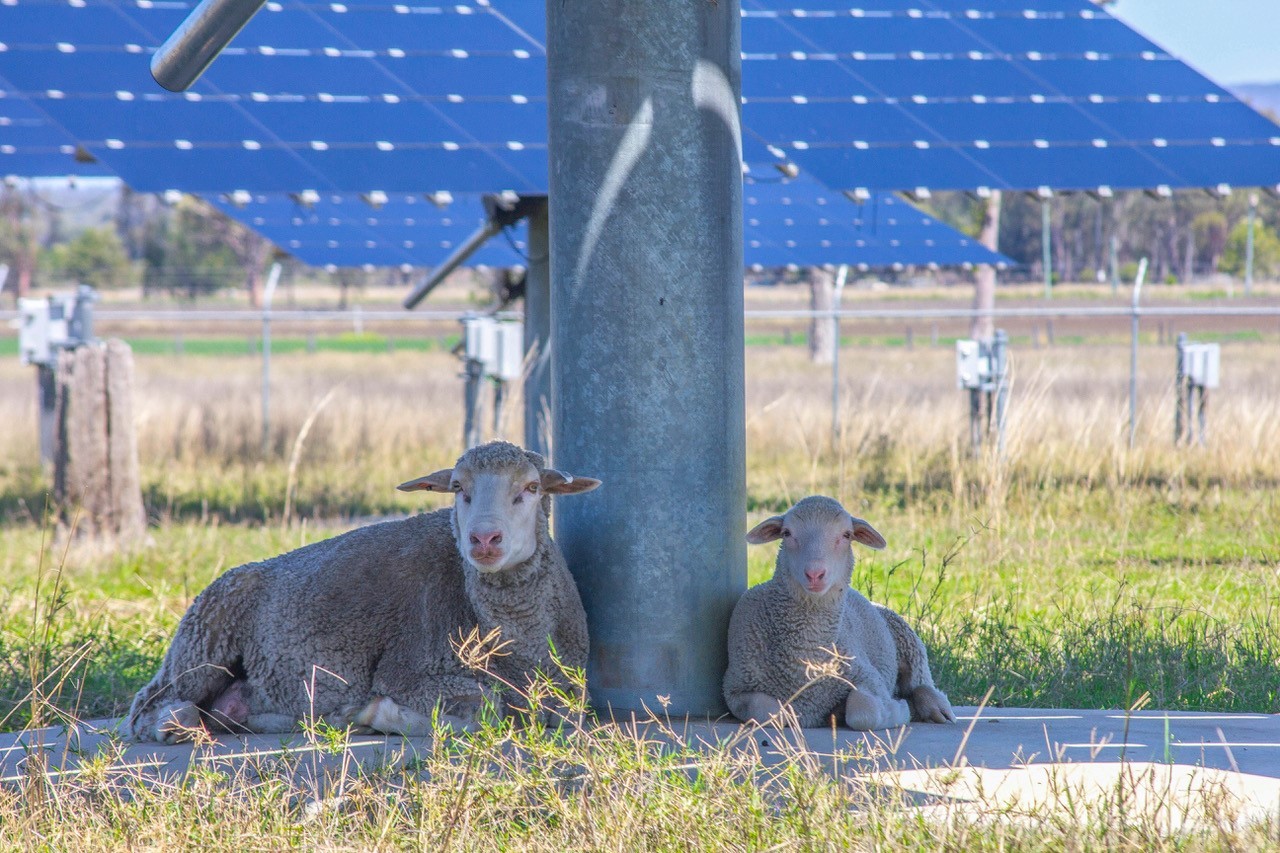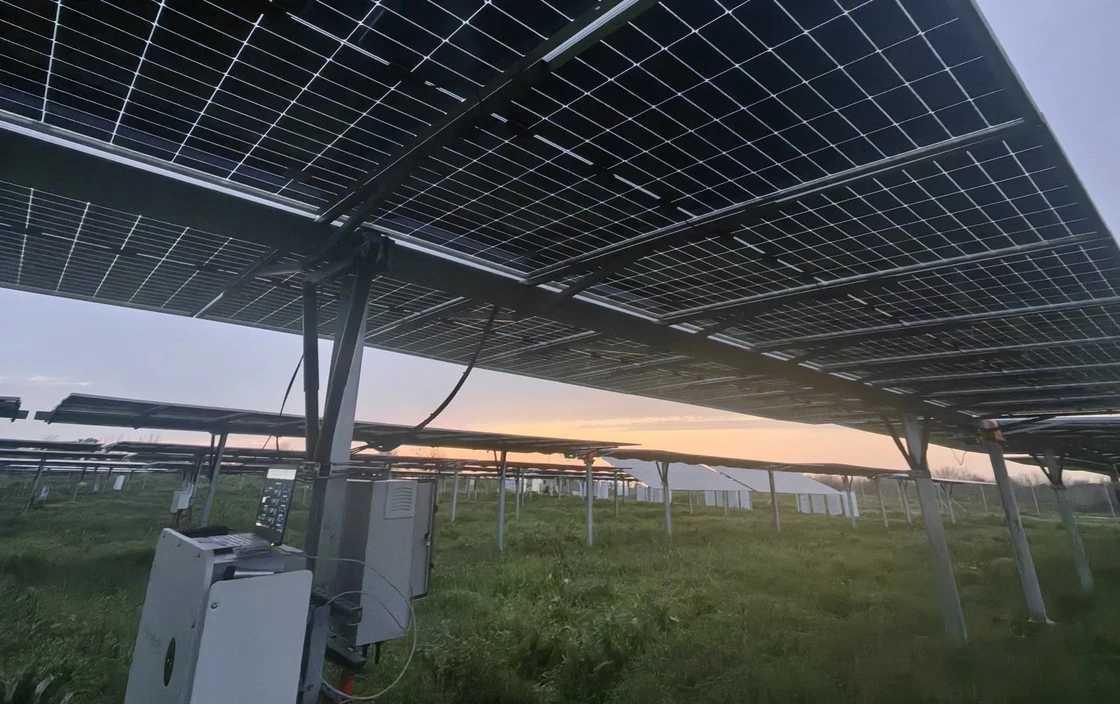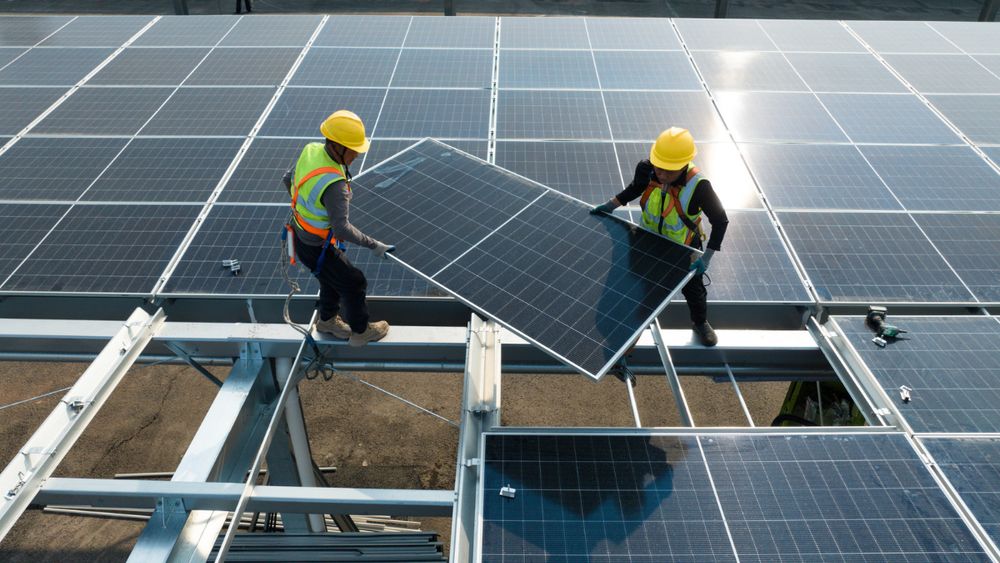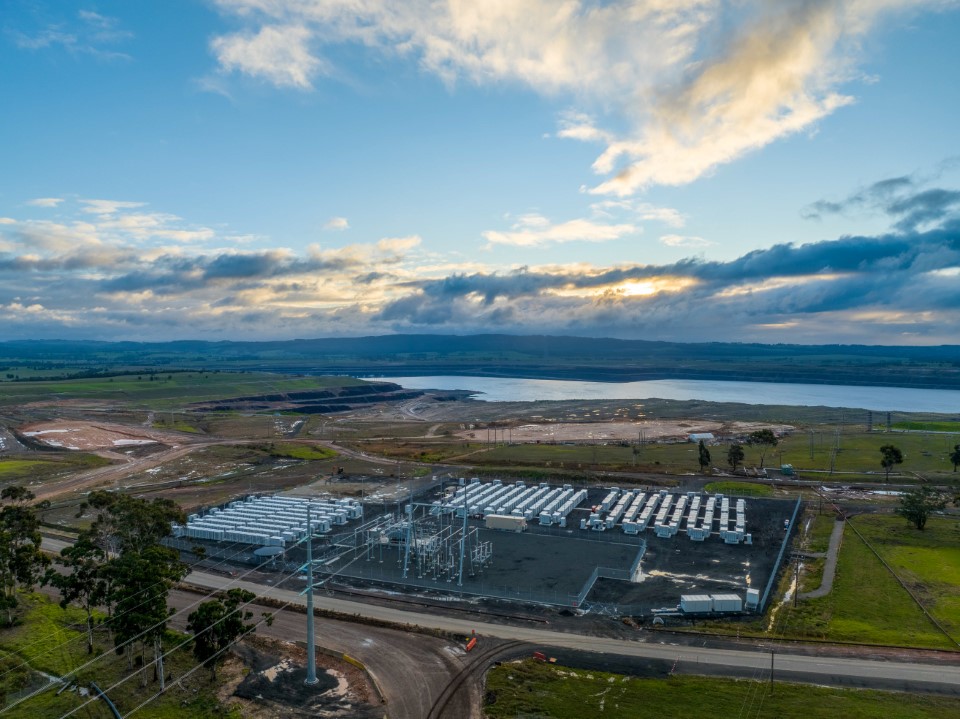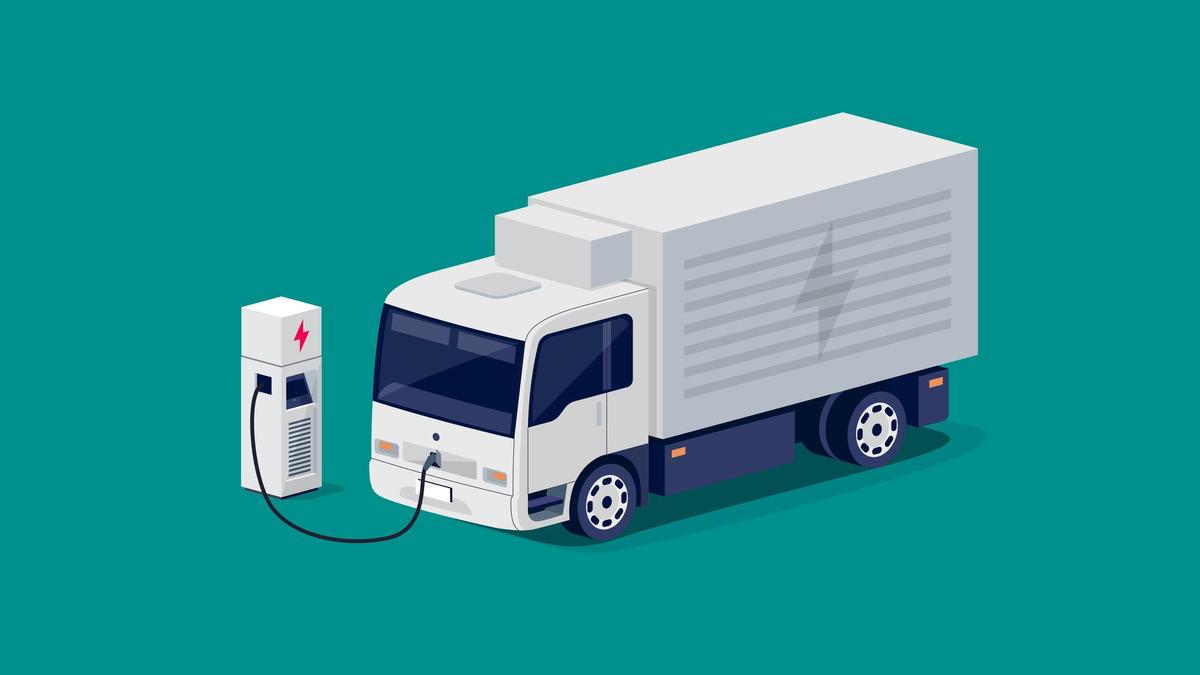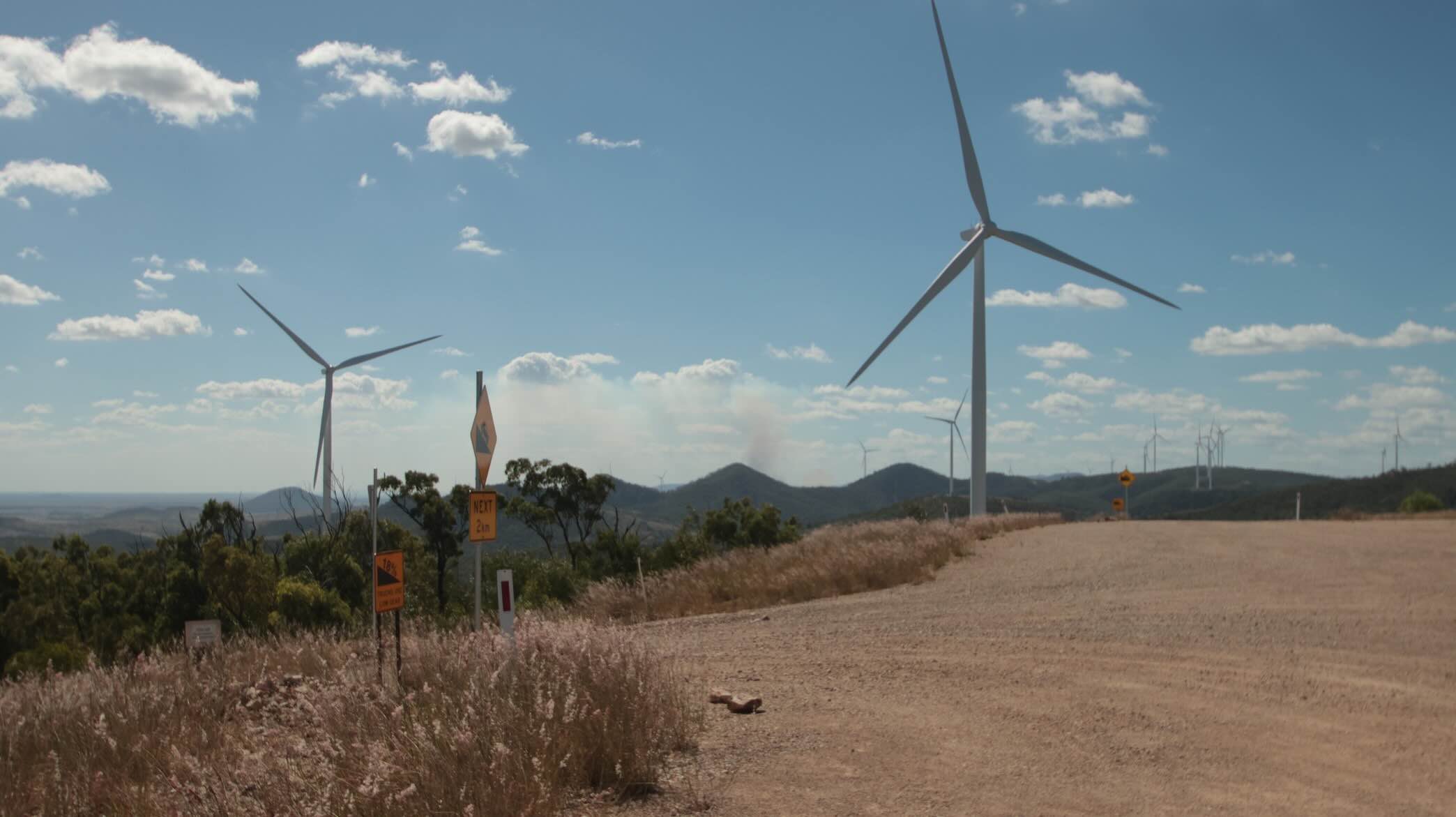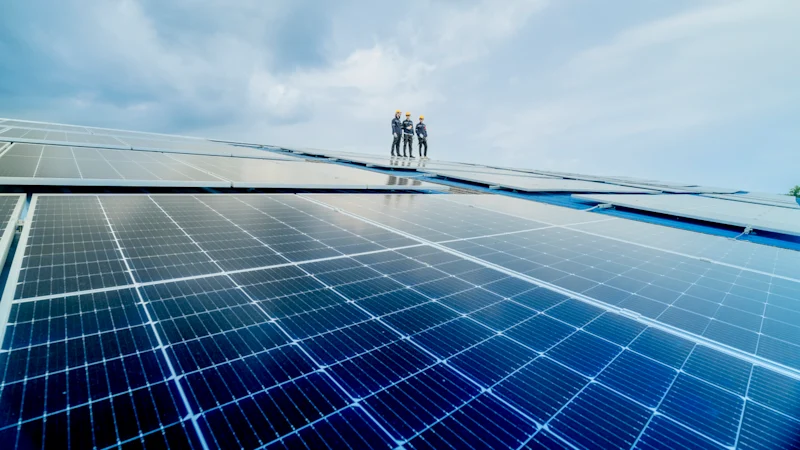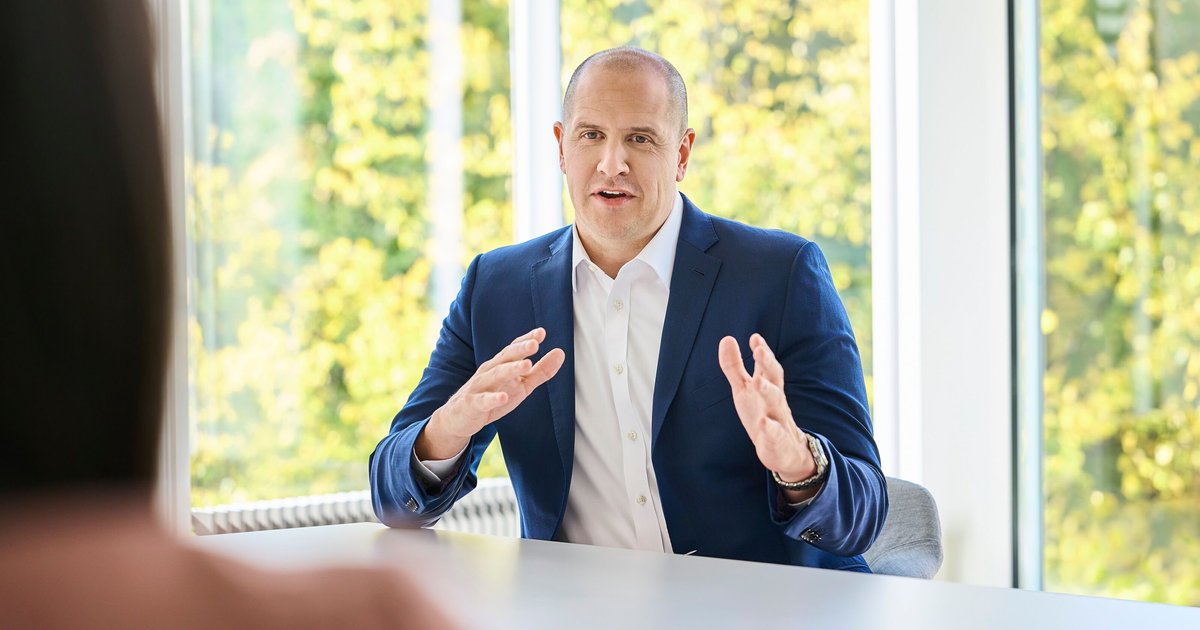
“Agricultural energy demand is becoming more power intensive and time critical,” Weinert says.Brendan Weinert, AGL’s general manager of sustainable business energy solutions. “As irrigation, cold storage and processing undergo electrification, demand is rising, tolerance for downtime is shrinking.”Rather than adapting operations to the constraints of traditional energy supply, businesses are looking to flip the model.“Energy now needs to align with seasonal cycles and production windows,” Weinert says.The shift is playing out across multiple sectors.Warehousing businesses might be managing larger refrigeration and automation loads as distribution hubs prepare for electric fleet charging and greater peak demand variability.Commercial property owners are reassessing how energy is managed across multi-site portfolios, while manufacturers may focus on integrating on-site generation and storage into operational planning.At the same time, pressure is building around resilience, emissions and long-term cost certainty.Weinert says many businesses are moving toward more integrated systems because they can no longer rely on traditional assumptions around network supply.“Grid constraints, long connection timelines and reliability issues, particularly in regional areas, can materially affect production outcomes,” he says.“Businesses can no longer assume network upgrades will be readily or cost effectively available, which is driving interest in integrated energy systems that improve resilience, flexibility, cost and control, including microgrid solutions.”For some, this is already a reality.At Cadell Orchards in NSW, irrigation demands and remote operations pushed energy from a background issue into a core business risk.The almond orchards, operated by Australian Farming Services (AFS), relied heavily on diesel generation to support irrigation across the site.AFS chief executive David Armstrong says the arrangement became increasingly difficult to sustain.“We needed a solution, we couldn’t stay on diesel generators forever,” Armstrong says.“It just wasn’t feasible to continue meeting our total irrigation requirements through diesel generators.”Working with AGL, the business deployed a 4.9-megawatt solar farm and battery storage system under a long-term power purchase agreement, to reduce diesel reliance and improve reliability across the site.AFS chief executive David Armstrong. Armstrong says long-term certainty was a major driver behind the shift.“Our orchards will have better energy price certainty and improved resilience and reliability,” he says.The project reflects a broader shift: businesses are moving away from relying on a single source of supply towards integrating systems that balance generation, storage and grid power in real time.Weinert says integrated systems are becoming critical as energy demand becomes more variable across the year.“We model energy across the full year, not just peak production,” he says.“That ensures assets like solar and storage continue to deliver value outside harvest periods. Flexibility is critical.”That flexibility is becoming increasingly important for businesses managing fluctuating demand.Agricultural operators, for example, may face sharp increases in energy use during irrigation or harvest periods while manufacturers and logistics operators will be managing variable loads linked to automation, refrigeration and fleet charging.The result is a growing focus on systems capable of balancing demand, storage and supply in real time.“Solar, storage and grid supply operate as a co-ordinated system,” Weinert says.“Digital controls help decide when to use, store or export energy, smoothing demand and supporting reliability as conditions change.”This is also changing how businesses approach investment.Rather than treating energy projects as standalone infrastructure upgrades, businesses are increasingly looking at how systems interact with operations over longer periods.Weinert says businesses are focusing first on the points where energy has the greatest operational impact.“It’s about targeting the points of greatest operational leverage first,” he says.“Investments need to stack up commercially and be scalable over time, especially in businesses with weather-driven variability.”That is changing how businesses think about resilience.Instead of relying on backup systems or absorbing periods of disruption, businesses are looking at energy systems that can adapt in real time.For agricultural operators, that may mean balancing solar generation with battery storage and grid supply during irrigation cycles.For manufacturers, it may involve managing production around demand peaks or integrating on-site generation to reduce exposure to price volatility.For logistics operators, it could include co-ordinating refrigeration loads, electric fleet charging and energy storage across multiple facilities.Energy planning is increasingly being embedded in long-term strategic decisions.Instead of planning solely around current energy demand, organisations are assessing how systems will perform as operations expand, undergo electrification or become more automated over time.“Businesses are looking for more resilient long-term energy solutions,” Weinert says.That is creating new expectations around visibility, flexibility and long-term performance.It is also changing the role of energy within executive planning.For businesses operating in energy-intensive sectors, the challenge is no longer simply keeping the lights on but building systems capable of adapting as business needs evolve.At Cadell Orchards, the move away from diesel generation reflected a broader recognition that existing energy models were becoming increasingly difficult to sustain.As electrification accelerates and systems become more interconnected, Australian businesses across multiple sectors are treating energy planning as part of the systems underpinning long-term growth, resilience and competitiveness.To find out more, please visit AGL.
How energy systems are reshaping industry
Energy is becoming a core part of how many Australian businesses operate, compete and grow.
TL;DRAI
Industries adopt real-time integrated energy (solar+storage+grid) vs. single-source models; Cadell Orchards' 4.9MW solar shows the shift. Energy becomes IT/ops priority: real-time systems manage electrification and automation for resilience and cost certainty.
800 words~4 min read