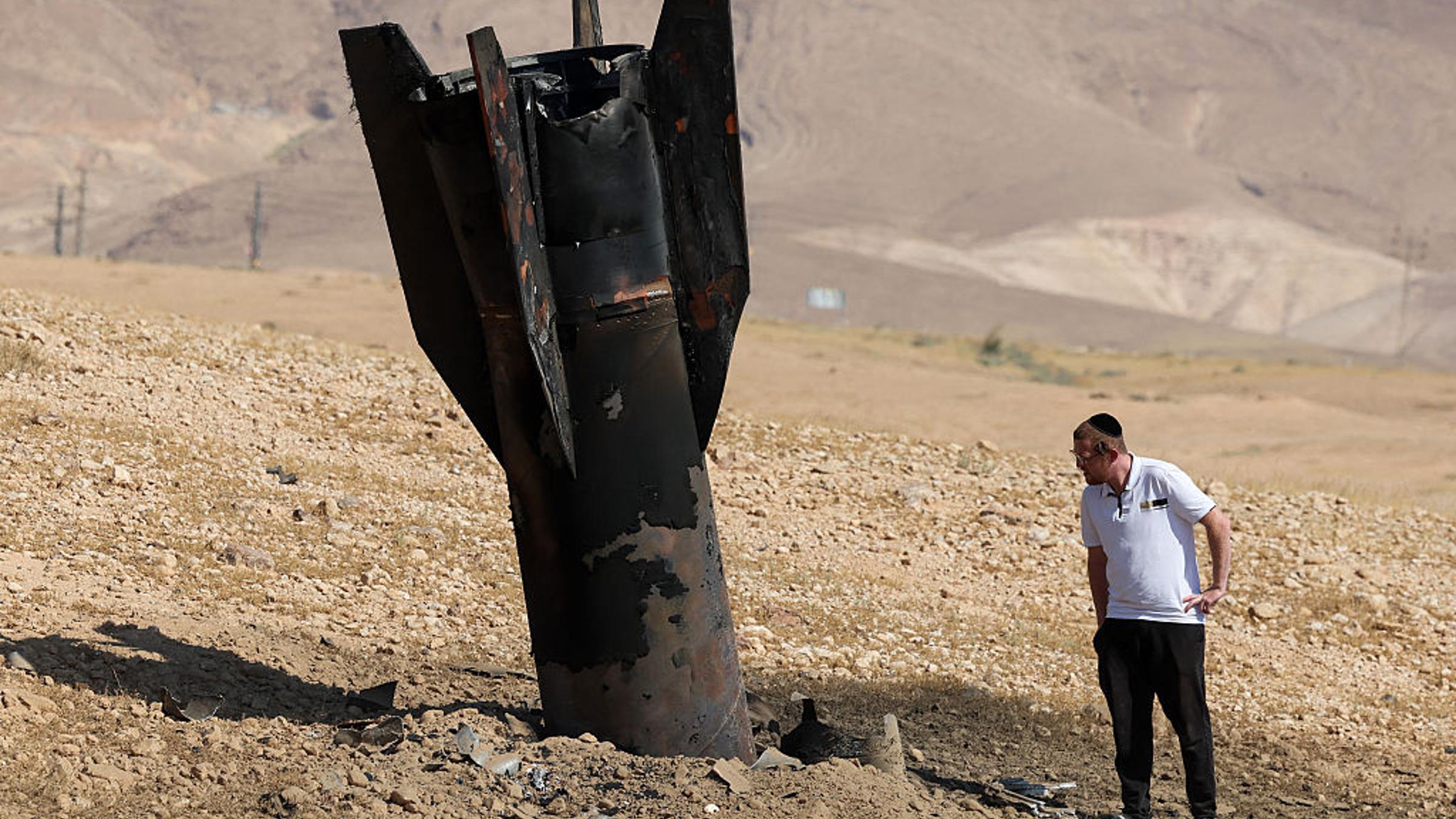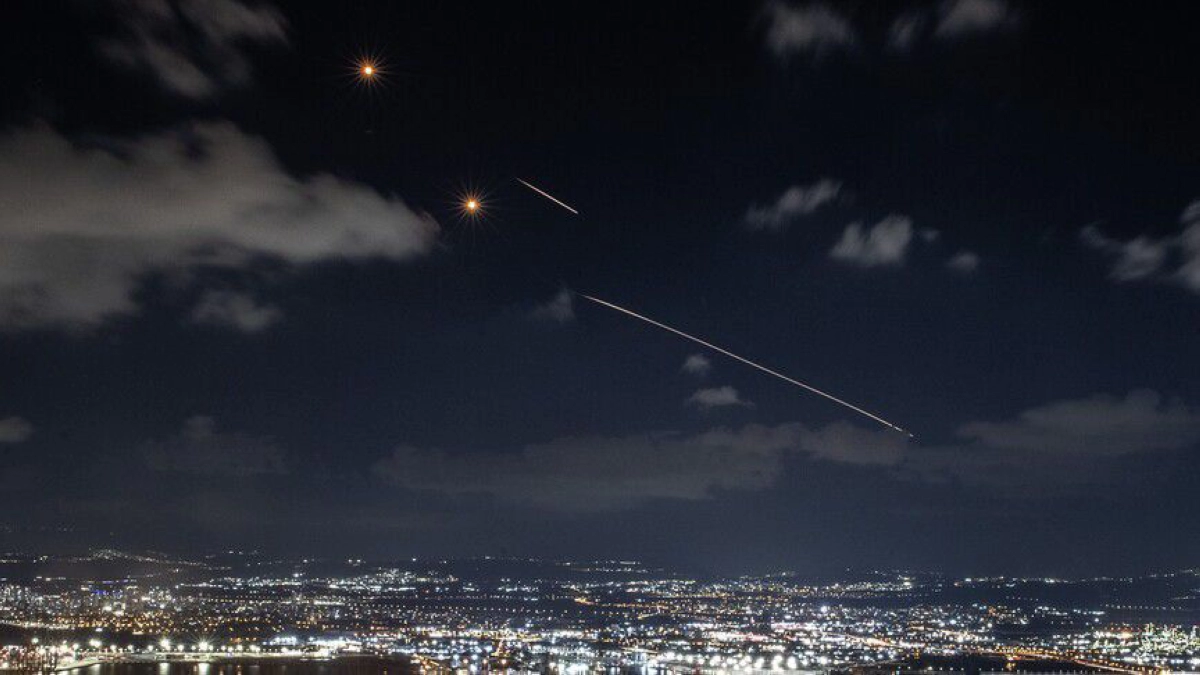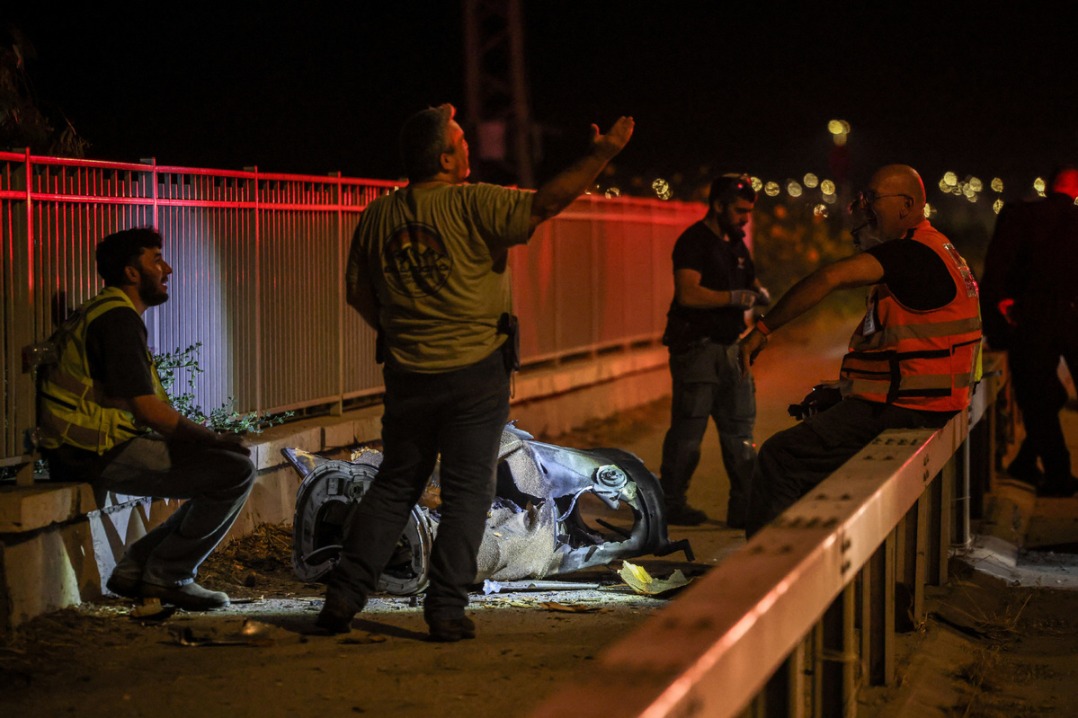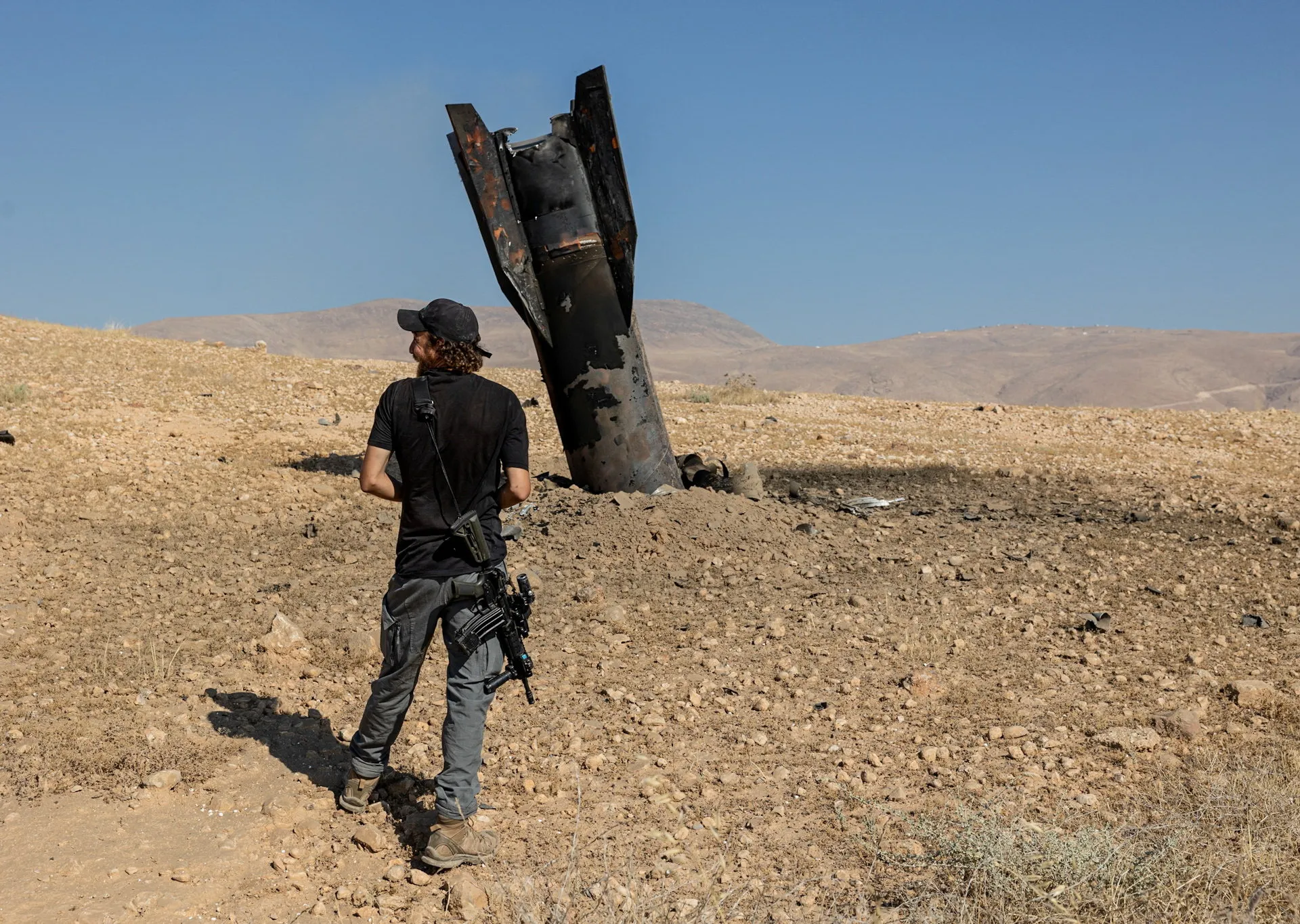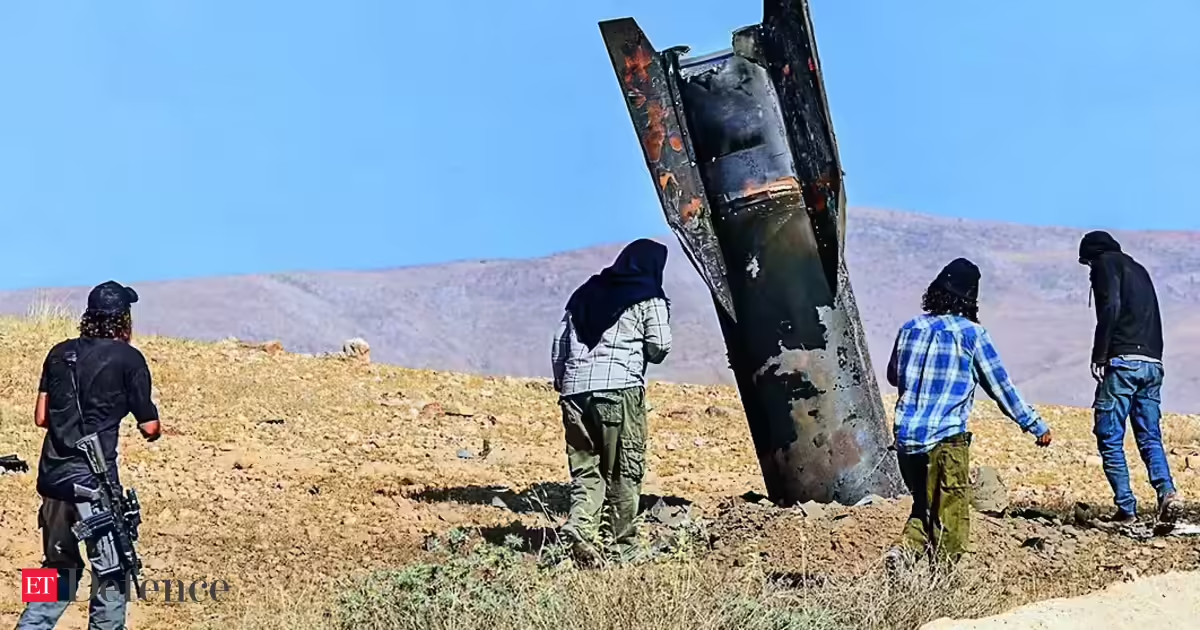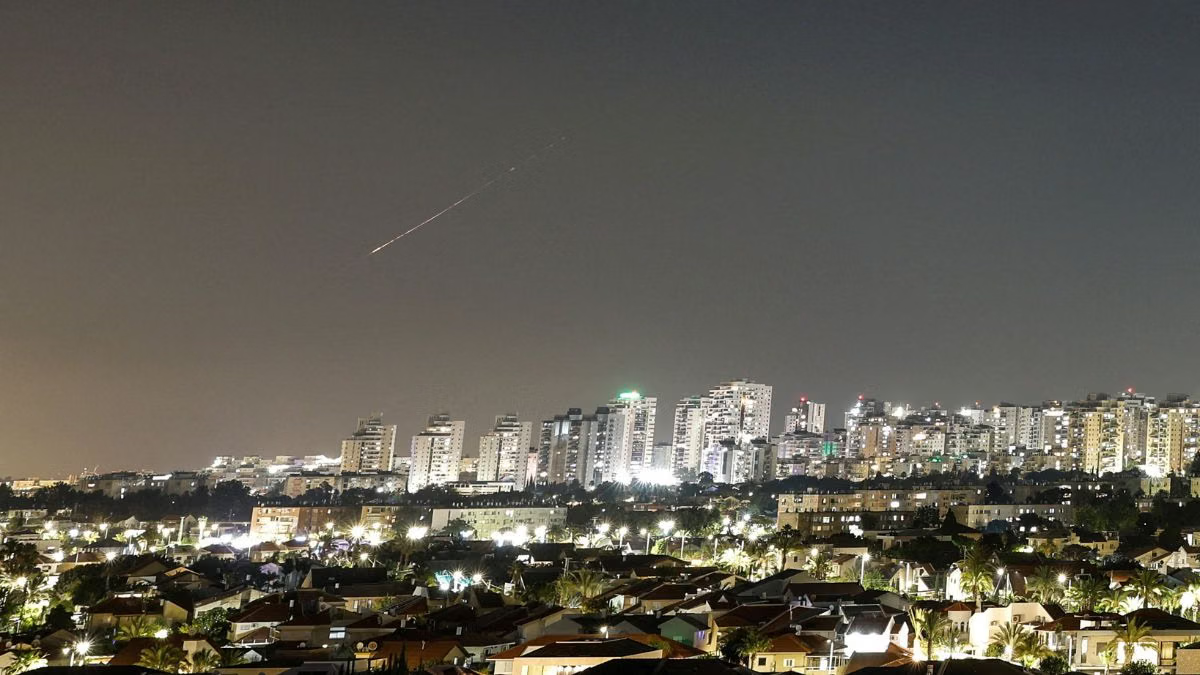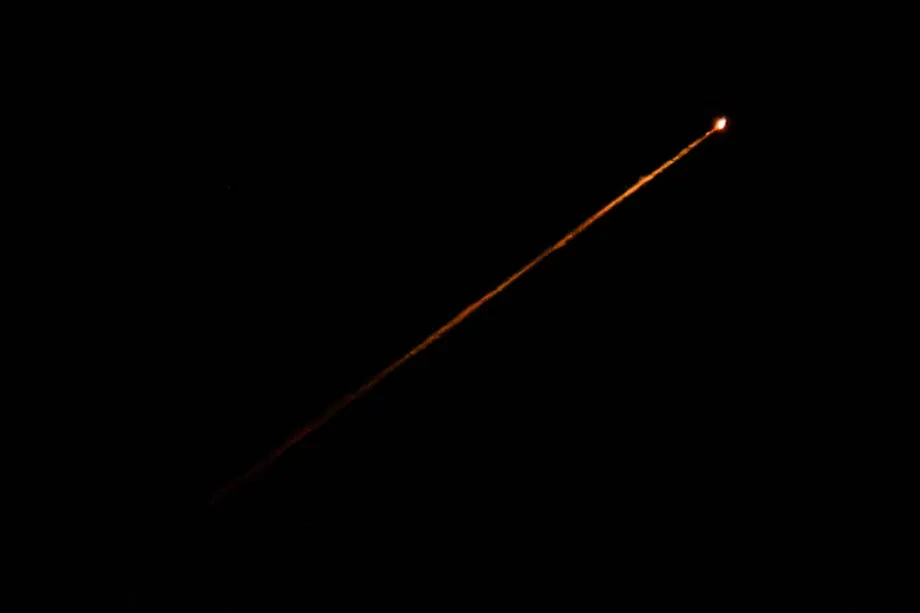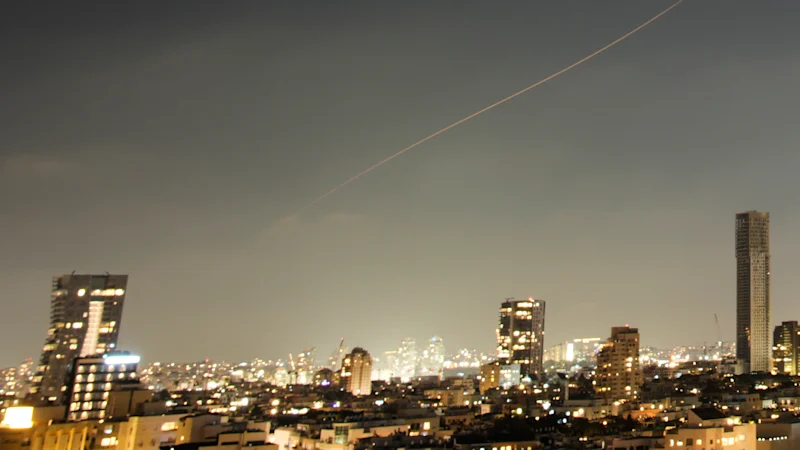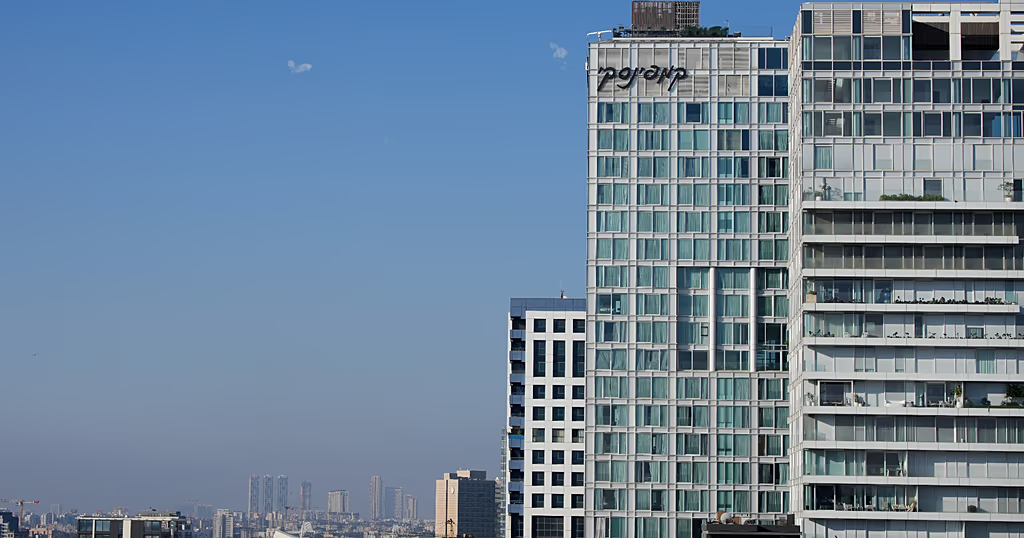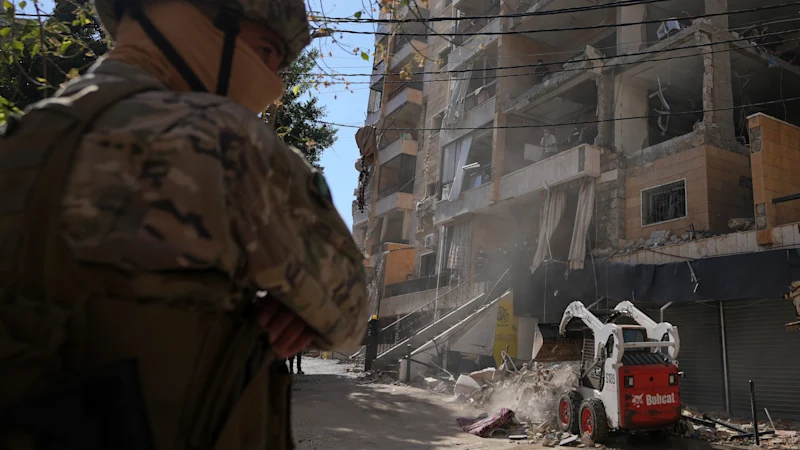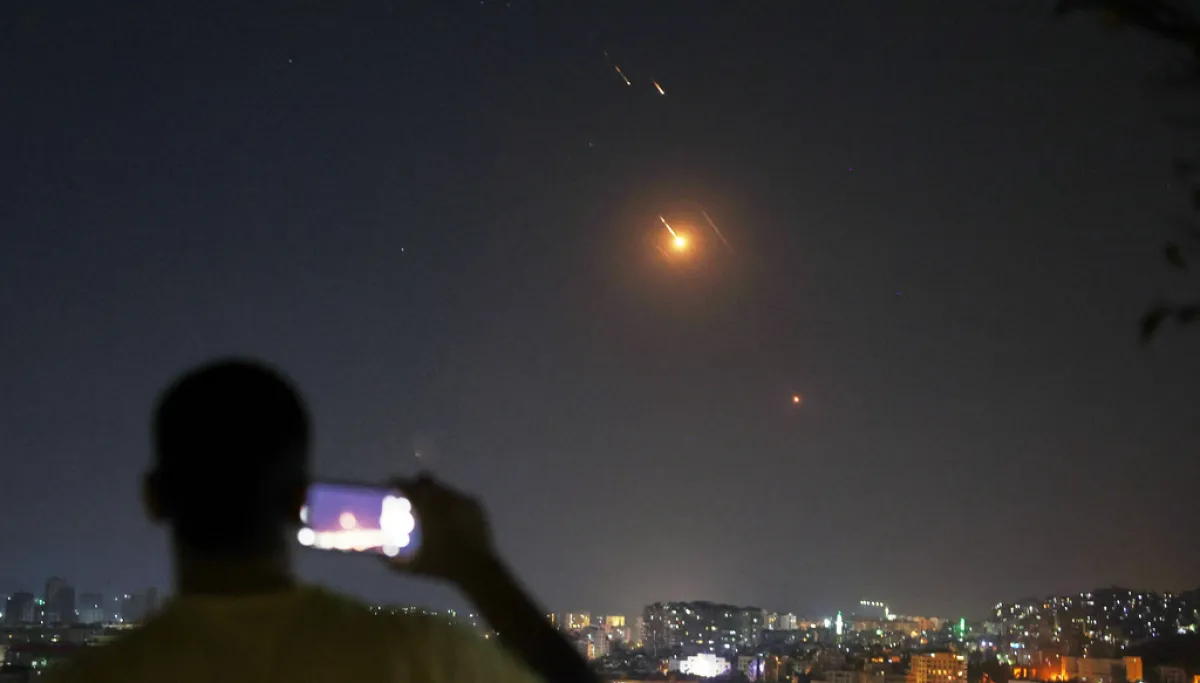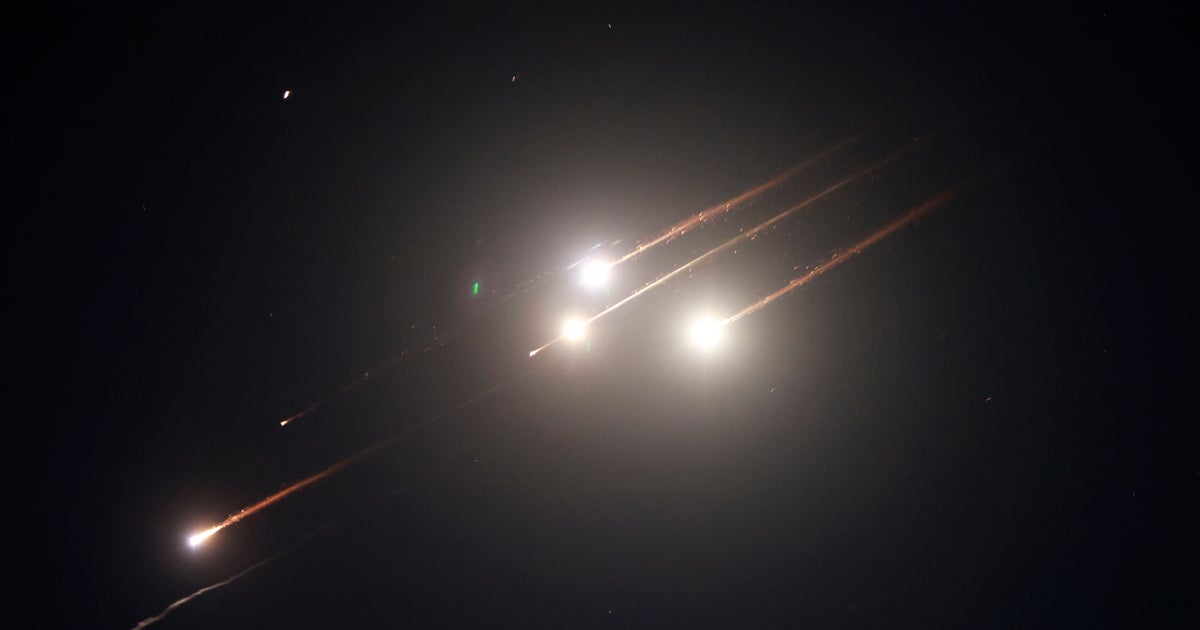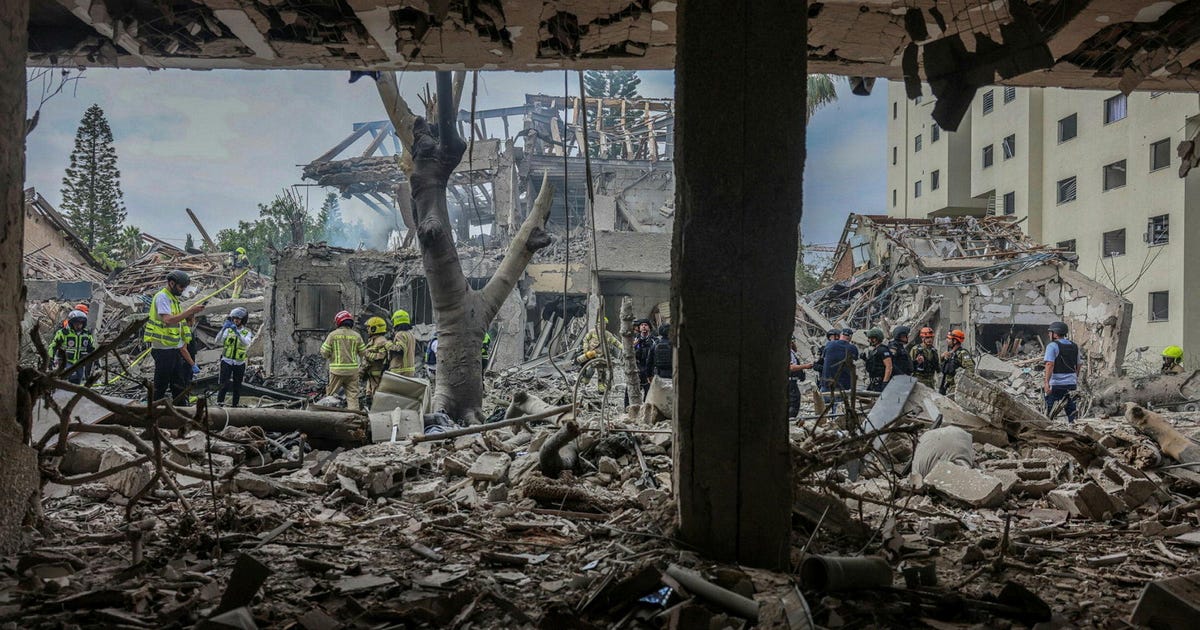
The beaches of Tel Aviv stayed crowded, and volleyball continued on the sand, while missiles flew toward Israel and sirens sounded in the country on Sunday evening and early Monday. This represented Tehran’s first direct strike since the fragile ceasefire that followed the spring escalation.Israeli officials said that missiles were intercepted or landed in open areas, with millions of residents sent to shelters as sirens sounded across the north. The attack followed an Israeli strike on Hezbollah-linked targets in Beirut’s southern suburbs. In response, Iran launched a barrage of ballistic missiles toward northern Israel. The confrontation continued into the early hours of Monday morning, after Israel retaliated against Tehran, hitting military targets in the country.“The Iranians are doing whatever they can to make us all — you as journalists, as civilians, policy makers — [think] that they are strong,” said Dr. Eyal Hulata, Israel’s former national security adviser and longtime Mossad official, at a meeting in Tel Aviv. The missile launch, according to Hulata, serves a dual purpose: It signals to the international community that Iran retains offensive capacity, and domestically it that the regime commands power even after suffering devastating losses.
While Tehran probes with missiles, Jerusalem is in a bind
Israel now faces the harsh choice of responding and alienating its ally America, or absorbing Iran's blows and losing face.
828 words~4 min read