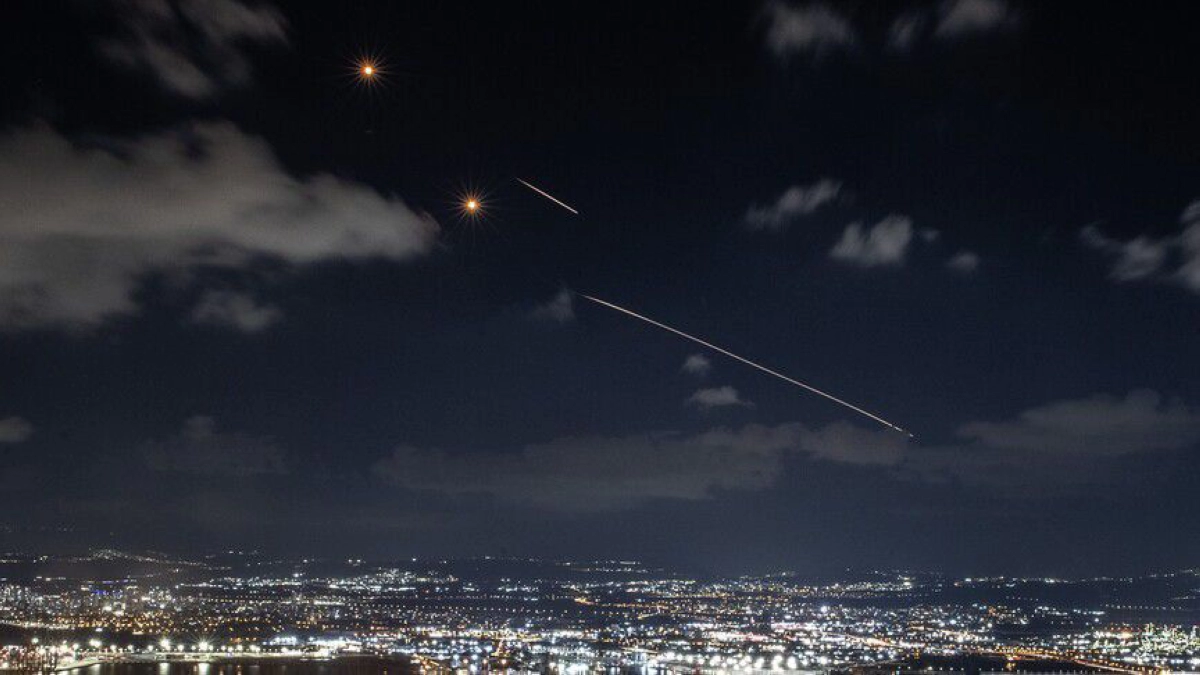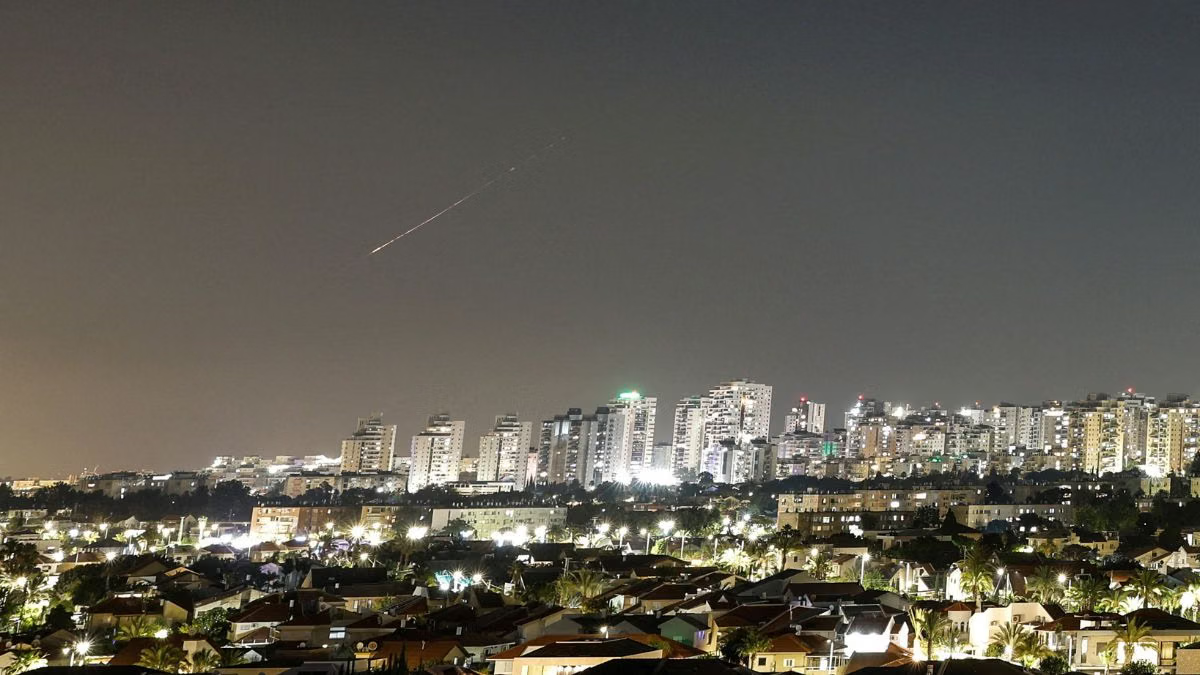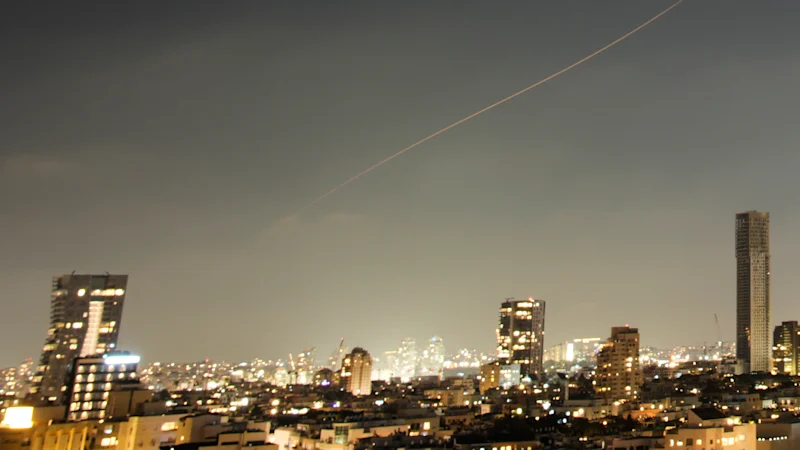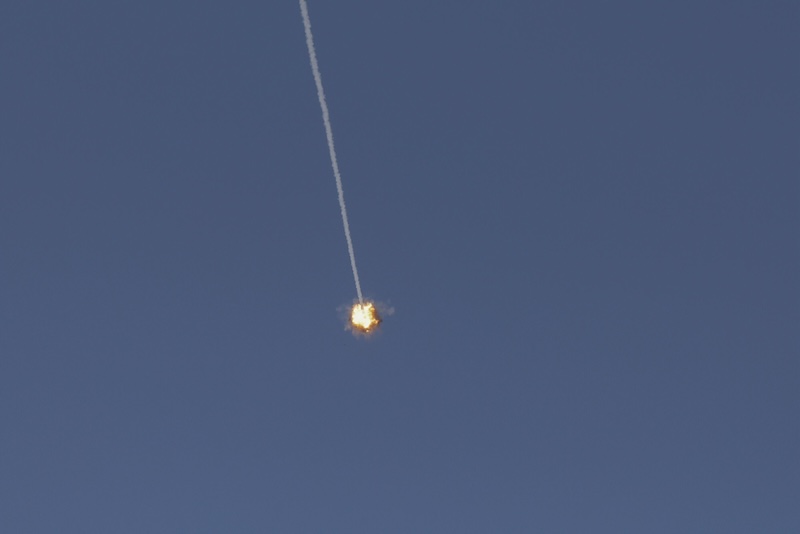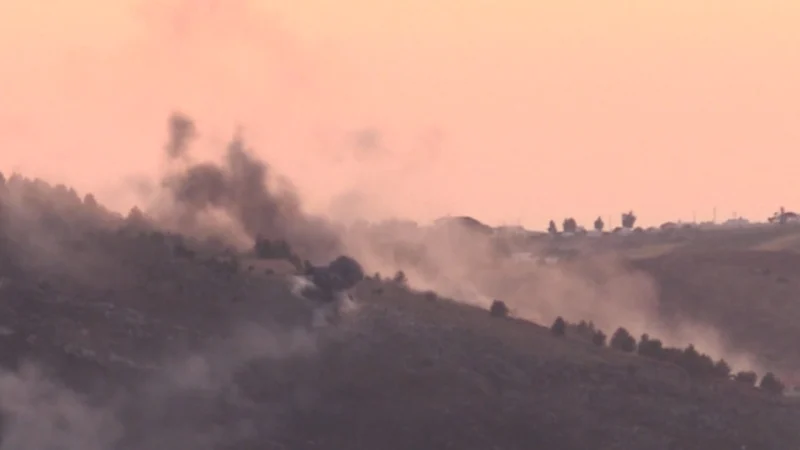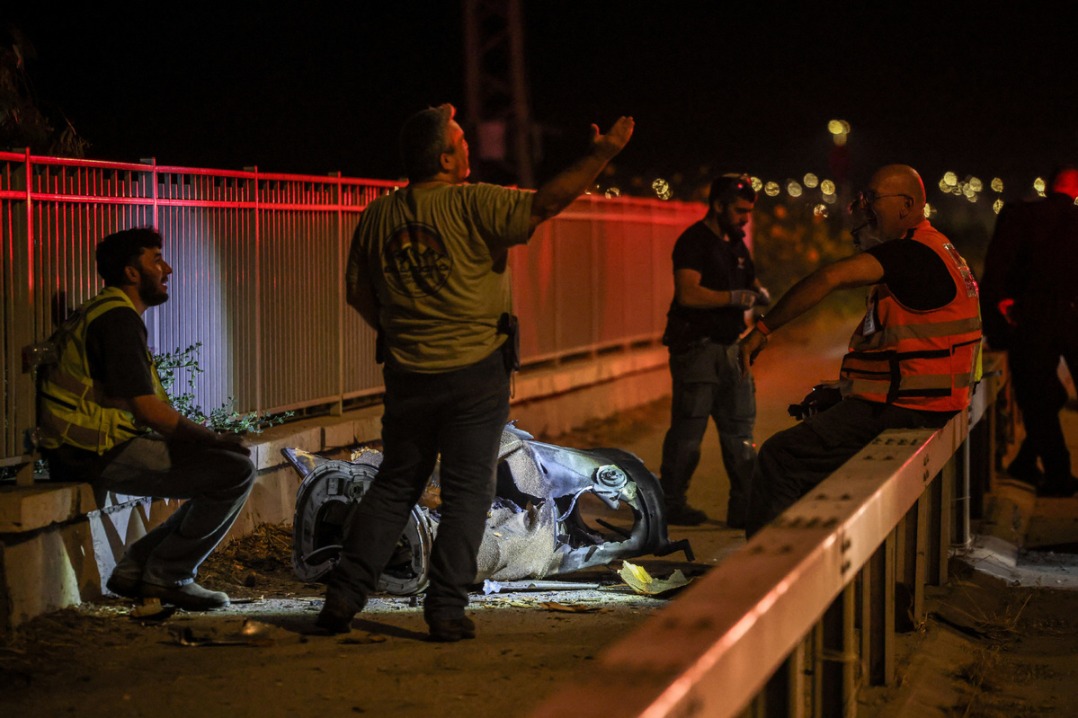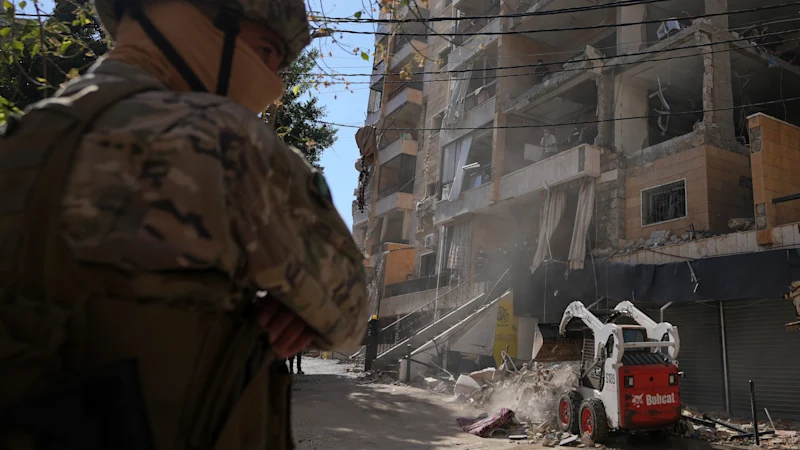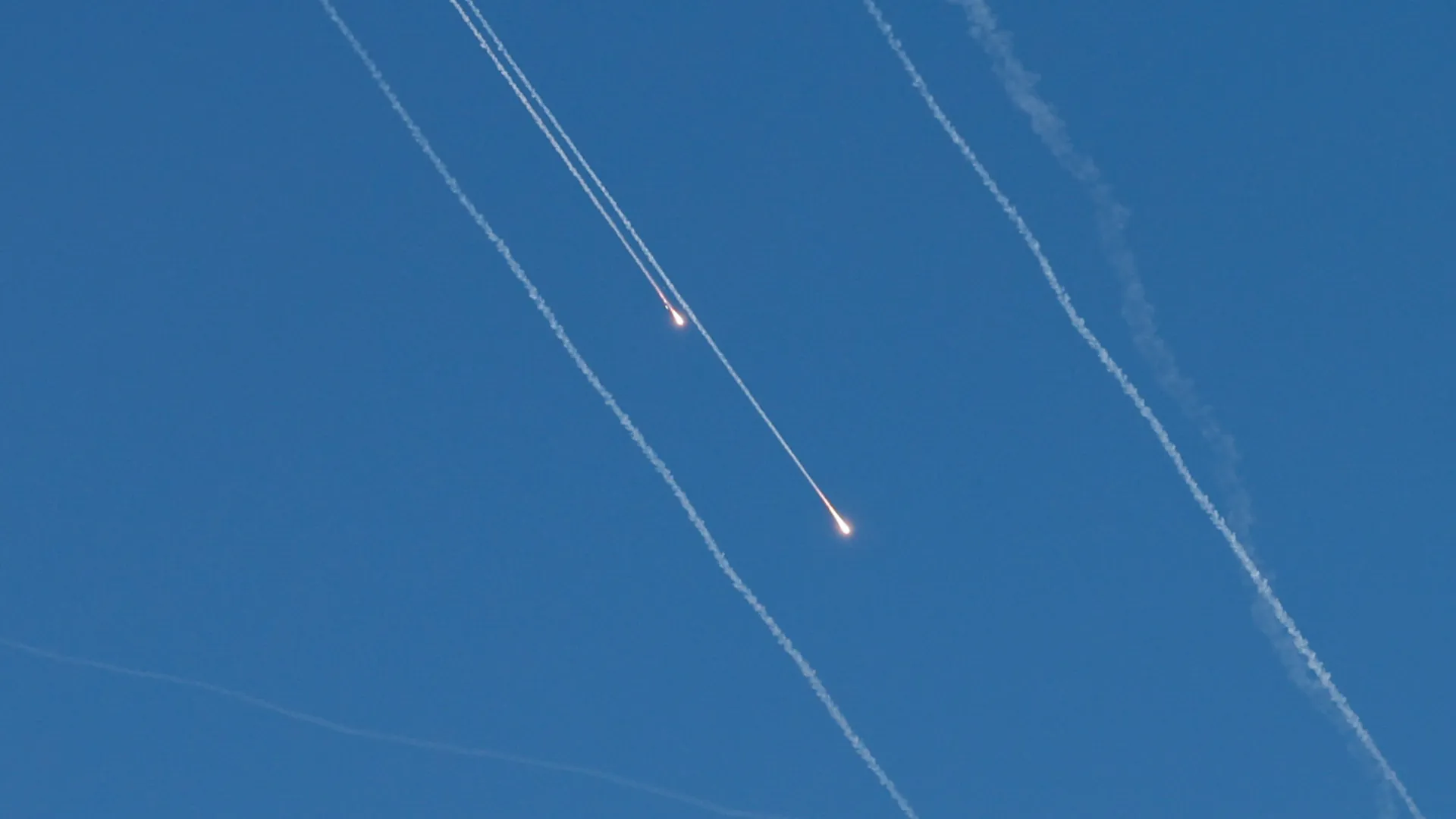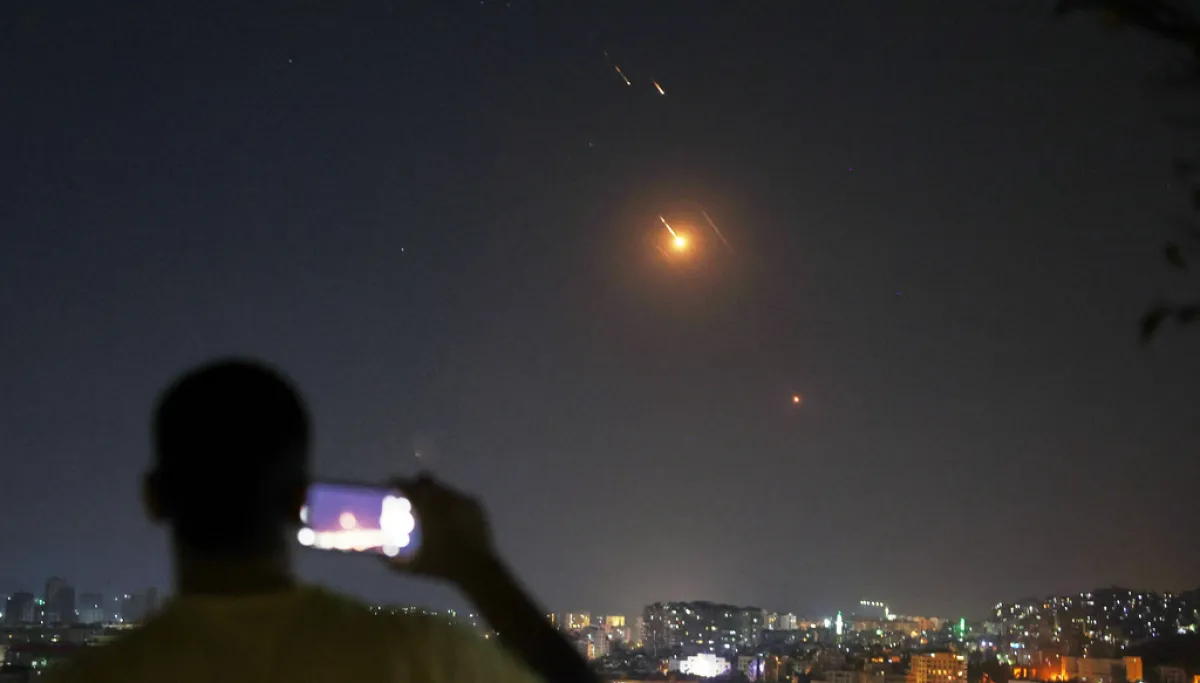
TEL AVIV — The beach volleyball continued on the sand as Iran launched a barrage of missiles against Israel on Sunday. It was Tehran’s first direct strike since the fragile ceasefire began on April 8. The Iranian attack followed an Israeli strike on Hezbollah-linked targets in Beirut’s southern suburbs. Tehran framed its launch as retaliation and warned that additional attacks could follow.“The Iranians are doing whatever they can to [show] that they are strong,” said Dr. Eyal Hulata, Israel’s former national security adviser and longtime Mossad official.Israel is also strong, of course. But Prime Minister Benjamin Netanyahu faces constraints. Israel has long insisted that Iranian attacks require a military response. Washington is strongly pushing in the opposite direction, with President Donald Trump urging Netanyahu to avoid a retaliatory strike. Trump fears that new escalation could jeopardize U.S.-Iran diplomacy and a broader regional arrangement. Trump also criticized the Israeli strike in Beirut that preceded the Iranian launch. In an interview with the Financial Times, Trump said Netanyahu would have “no choice” but to accept a U.S.-brokered Iran deal, if one was to come about.
Iran attack seeks to exploit Israel-US tensions
Iran's missile attack on Israel is designed to exploit U.S.-Israeli tensions.
460 words~2 min read