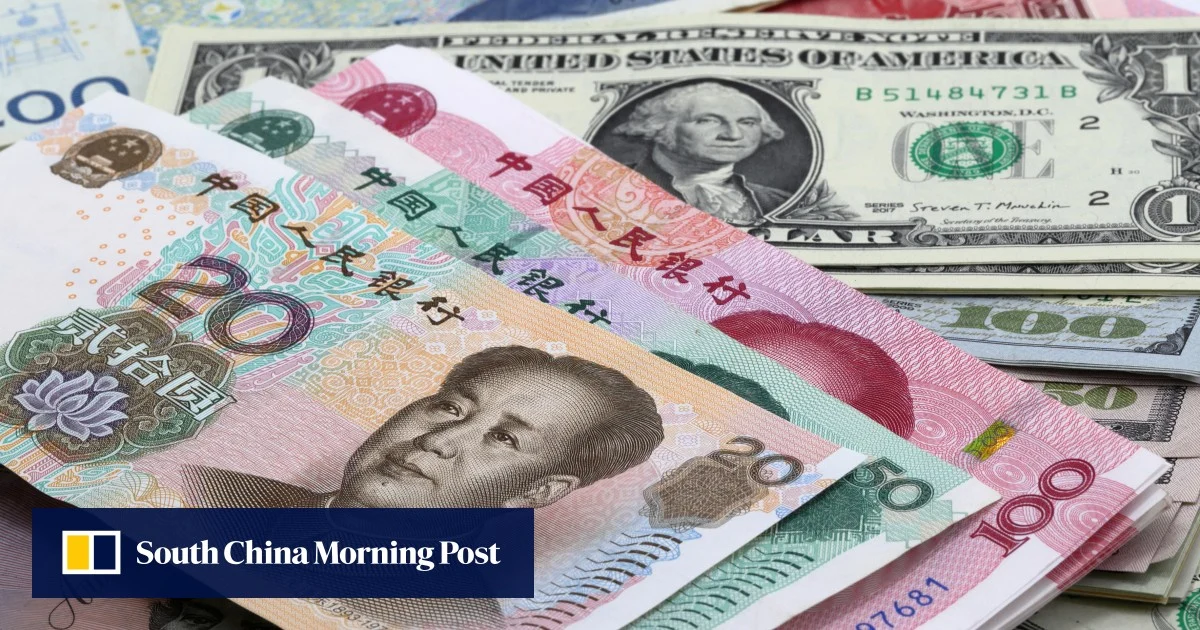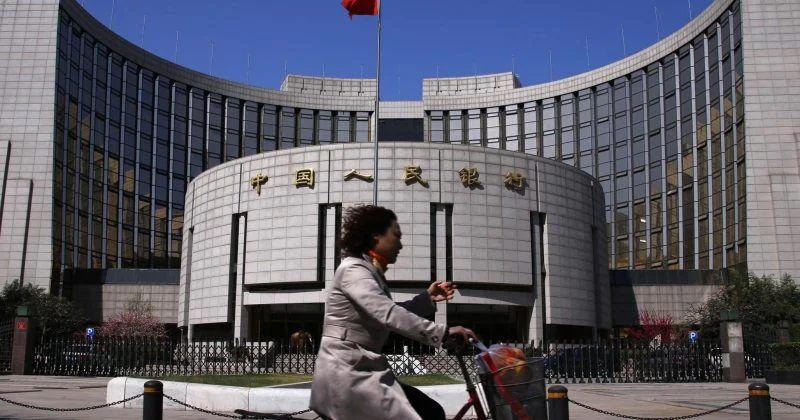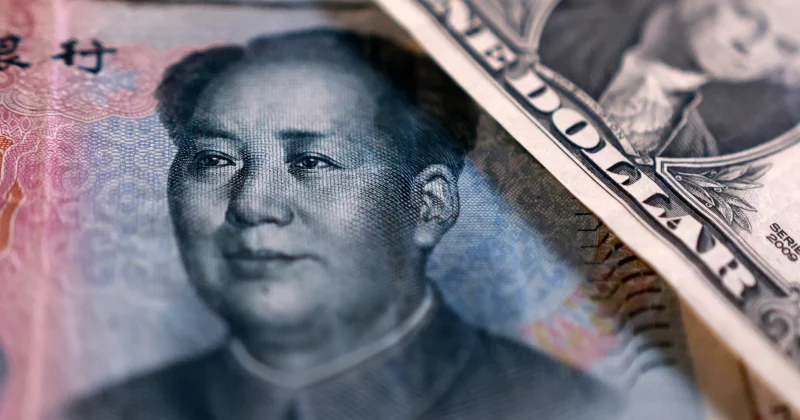
China’s banking sector is pulling a move straight out of the currency management playbook, and doing it without any official fanfare. At least five major Chinese commercial banks have raised their US dollar deposit rates to levels at or above the Secured Overnight Financing Rate (SOFR), currently sitting around 3.61%.
The goal is straightforward: make it more attractive for corporate clients to keep their dollars parked in Chinese bank accounts instead of converting them into yuan. The yuan has strengthened roughly 3% against the dollar since the start of 2026, and Beijing appears to want that trend to cool off before it starts hurting exporters.
A quiet reversal of 2023 policy
This move is essentially the mirror image of what Chinese authorities did back in 2023. When the yuan was weakening and capital was flowing out, banks slashed dollar deposit rates to discourage people from hoarding greenbacks. Rate caps were imposed to make holding dollars less appealing, nudging depositors toward the domestic currency.
Now the problem has flipped. The yuan’s appreciation creates a real headache for China’s export sector. A stronger yuan makes Chinese goods more expensive on the global market.