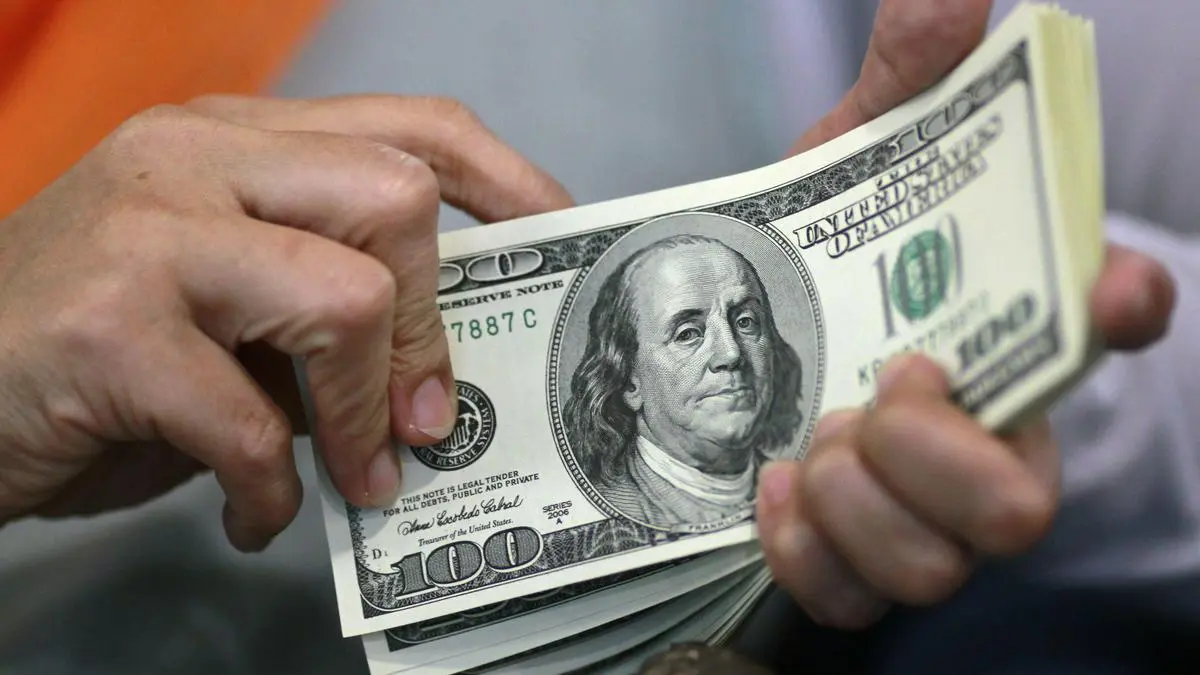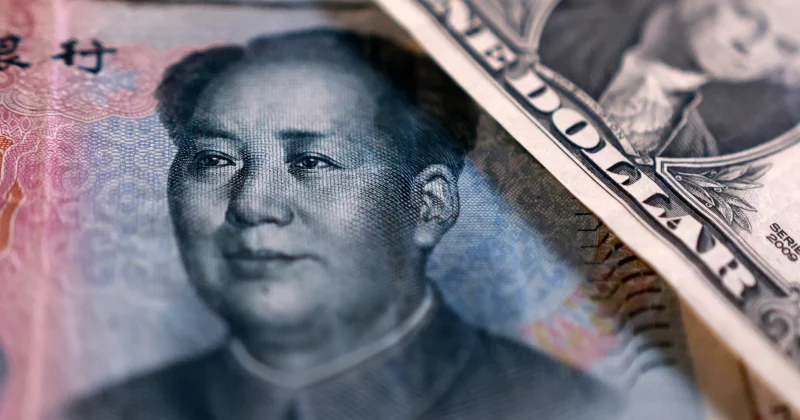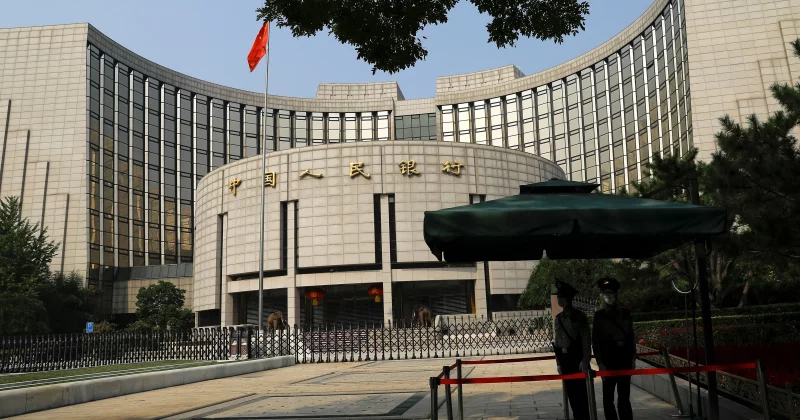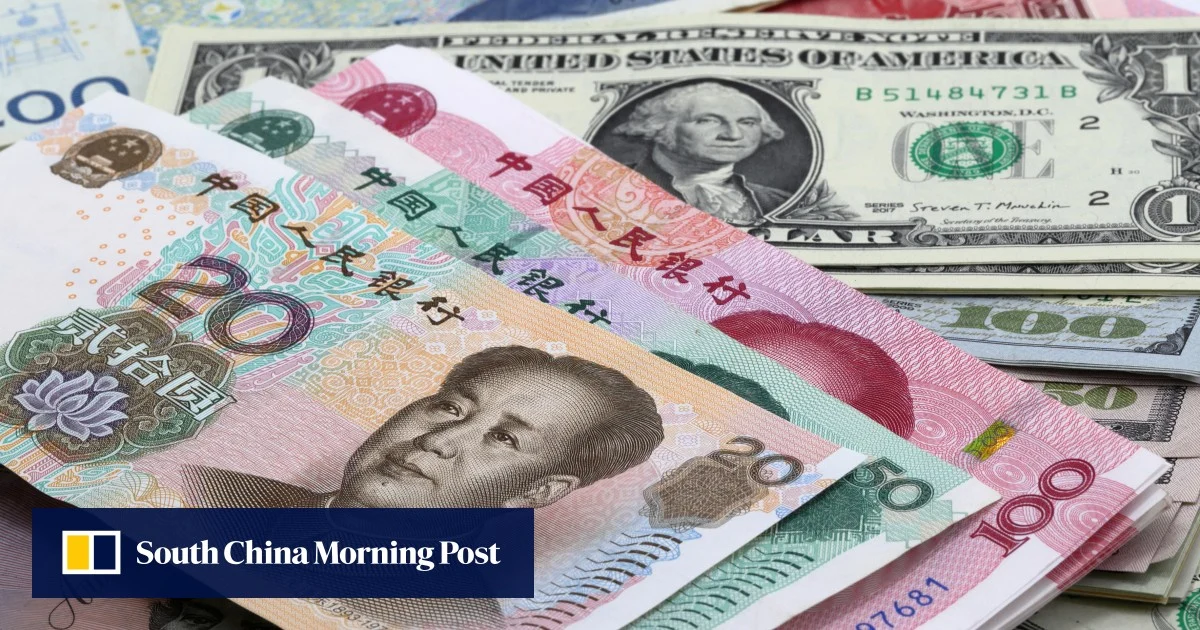
Chinese banks are paying more to hold your dollars. At least five institutions, spanning both state-owned giants and joint-stock banks, have raised interest rates on US dollar deposits in a coordinated effort to slow the yuan’s appreciation against the greenback.
The yuan has gained over 3% against the dollar so far in 2026, and Chinese authorities are clearly not thrilled about the pace. The fix they’ve landed on is elegant in its simplicity: make it more attractive for companies to keep their dollars as dollars, rather than converting them into yuan and adding more upward pressure on the currency.
The rate mechanics and why they matter
Corporate dollar deposit rates at these banks have climbed to approximately match or exceed the US Secured Overnight Financing Rate, which currently sits at 3.61%. That’s a meaningful number, because it essentially tells Chinese exporters: you can earn a competitive return just by parking your dollars in a domestic bank account.
Back in 2023, dollar deposit rates were capped at 2.8% for stretches of time. The People’s Bank of China was actively pressing banks to lower what they offered on dollar deposits, because the problem then was the opposite: the yuan was weakening, and authorities wanted to discourage dollar hoarding.