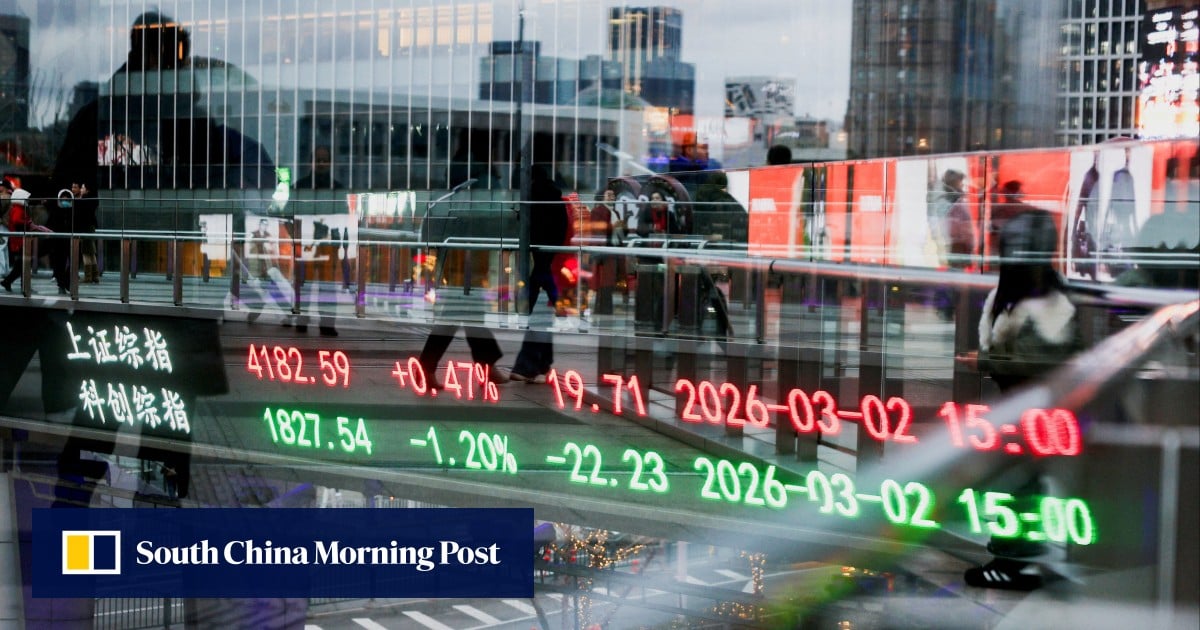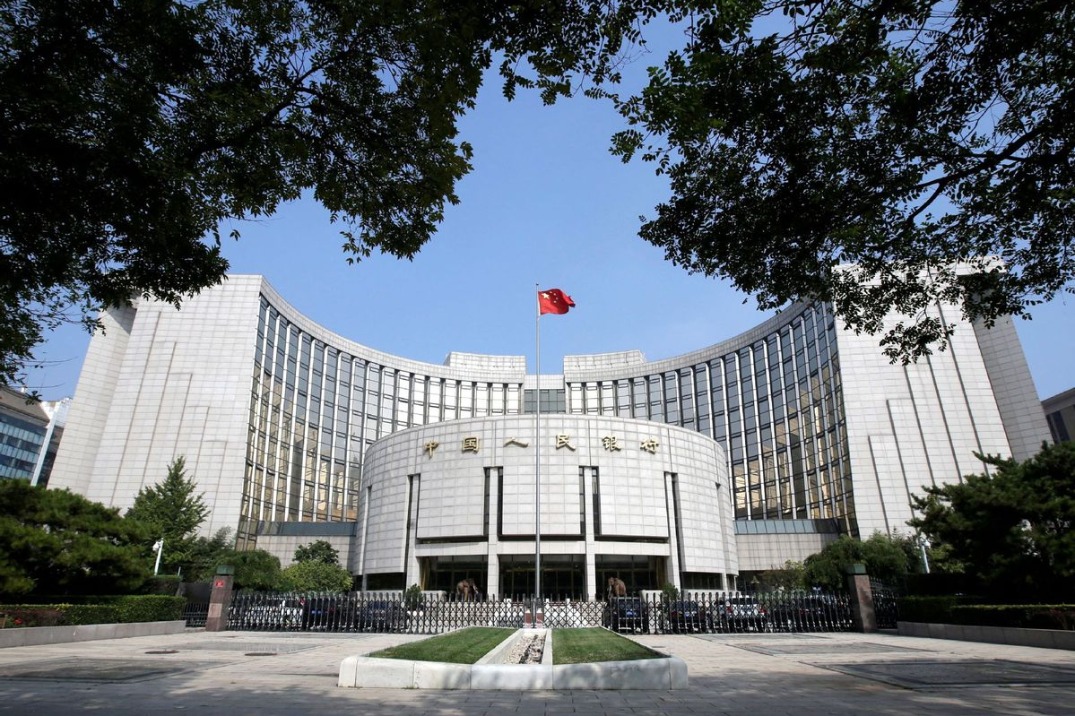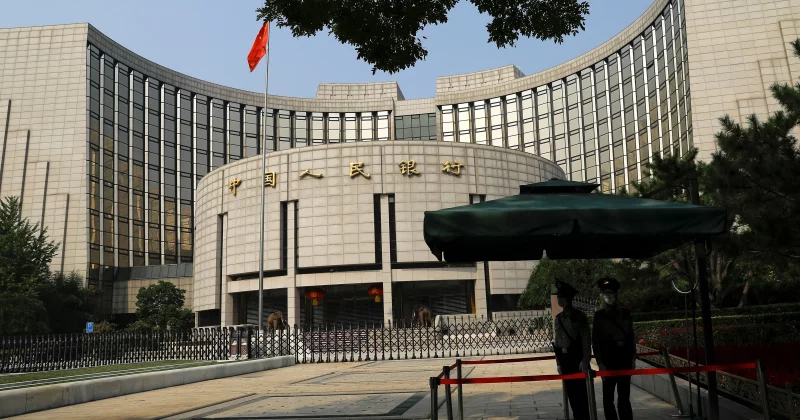
China has quietly given select banks the green light to offer corporate clients higher interest rates on US dollar deposits, a move designed to slow the yuan’s recent appreciation by keeping more dollars parked in Chinese accounts rather than flowing into the local currency.
The policy allows certain banks to set deposit rates above the US Secured Overnight Financing Rate, known as SOFR, which currently sits at roughly 3.61%. At least five commercial banks, a mix of state-owned and joint-stock institutions, have already bumped up their dollar deposit rates in response.
A reversal from 2023’s playbook
This is essentially a U-turn. Back in 2023, Chinese regulators capped how much banks could offer on USD deposits, setting rates between 4.3–5.3% before further reductions were made in 2025. The problem then was the opposite of today’s: the yuan was weakening, and Beijing wanted to discourage dollar hoarding that was accelerating capital outflows and putting further downward pressure on the currency.
Now the script has flipped. The yuan has been strengthening, and that creates its own set of headaches for an export-dependent economy. A stronger yuan makes Chinese goods more expensive abroad, which is the last thing Beijing wants while navigating trade tensions and trying to stabilize growth.