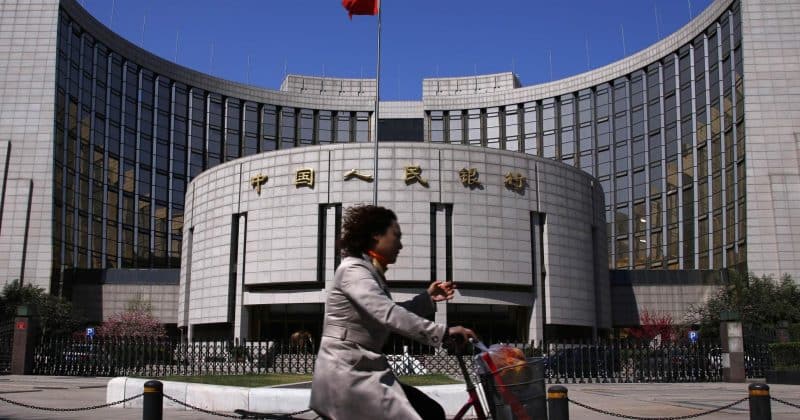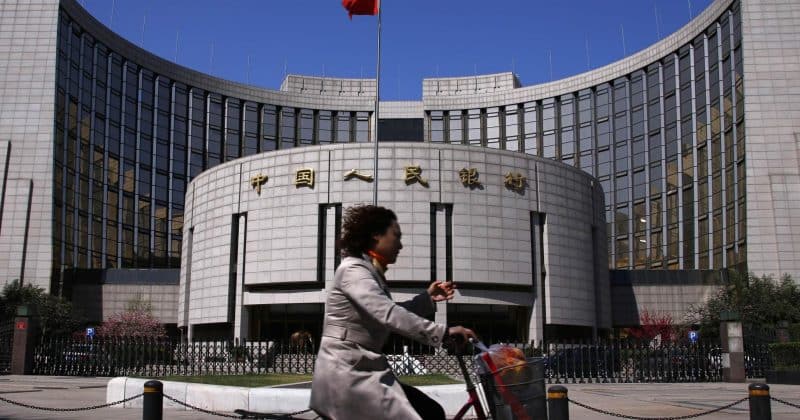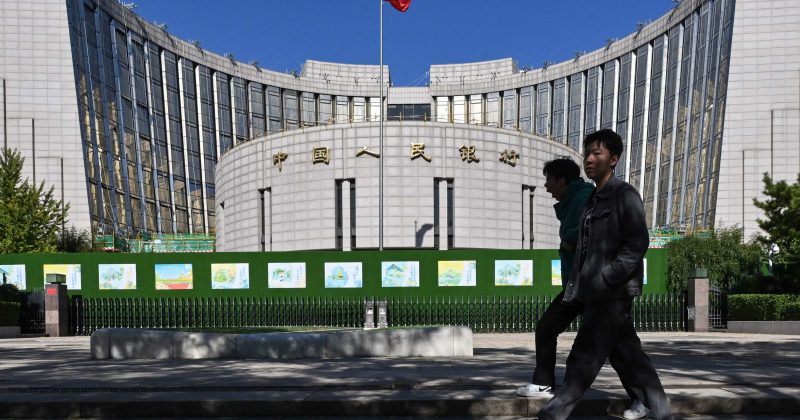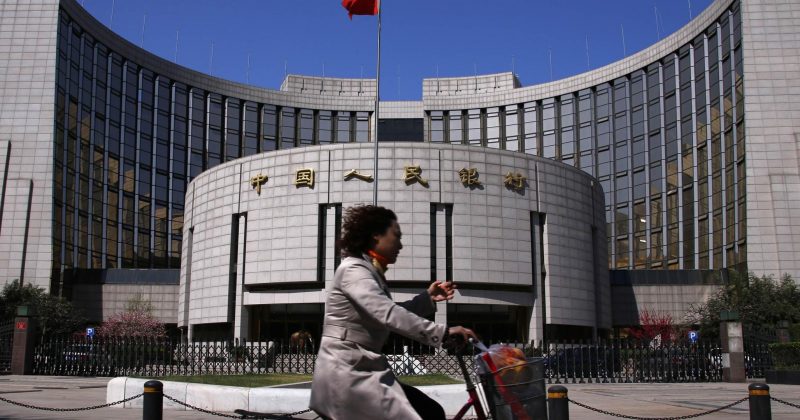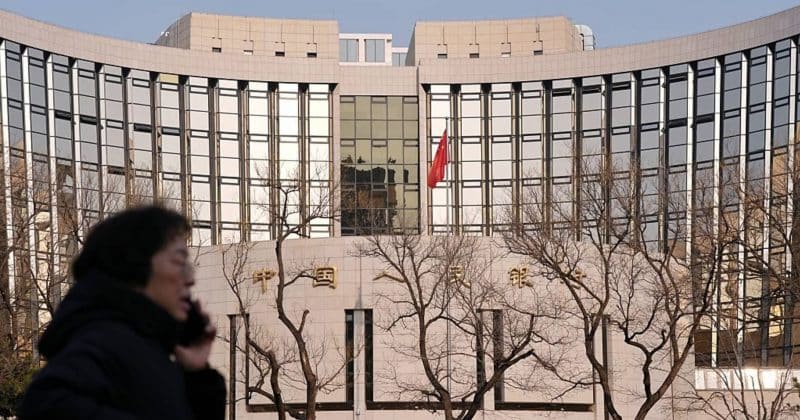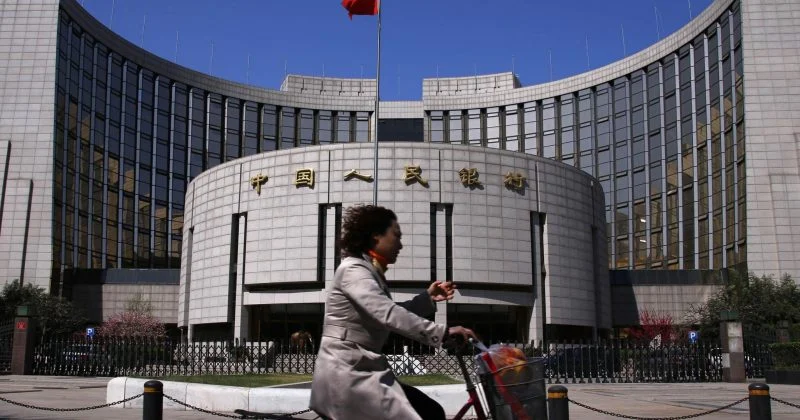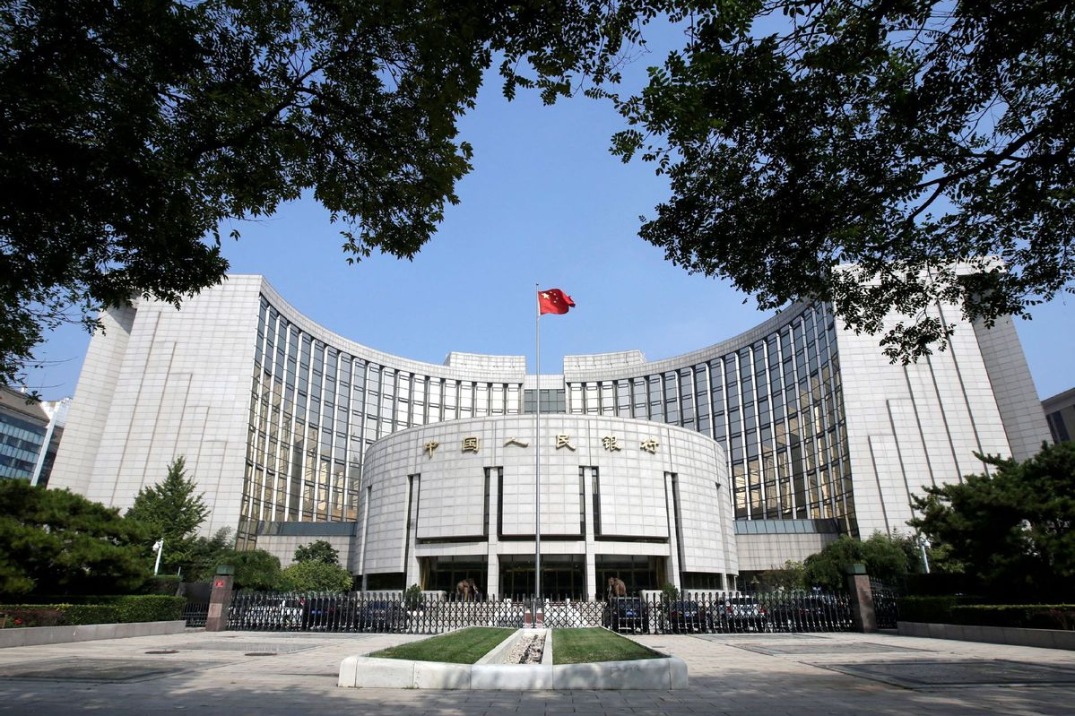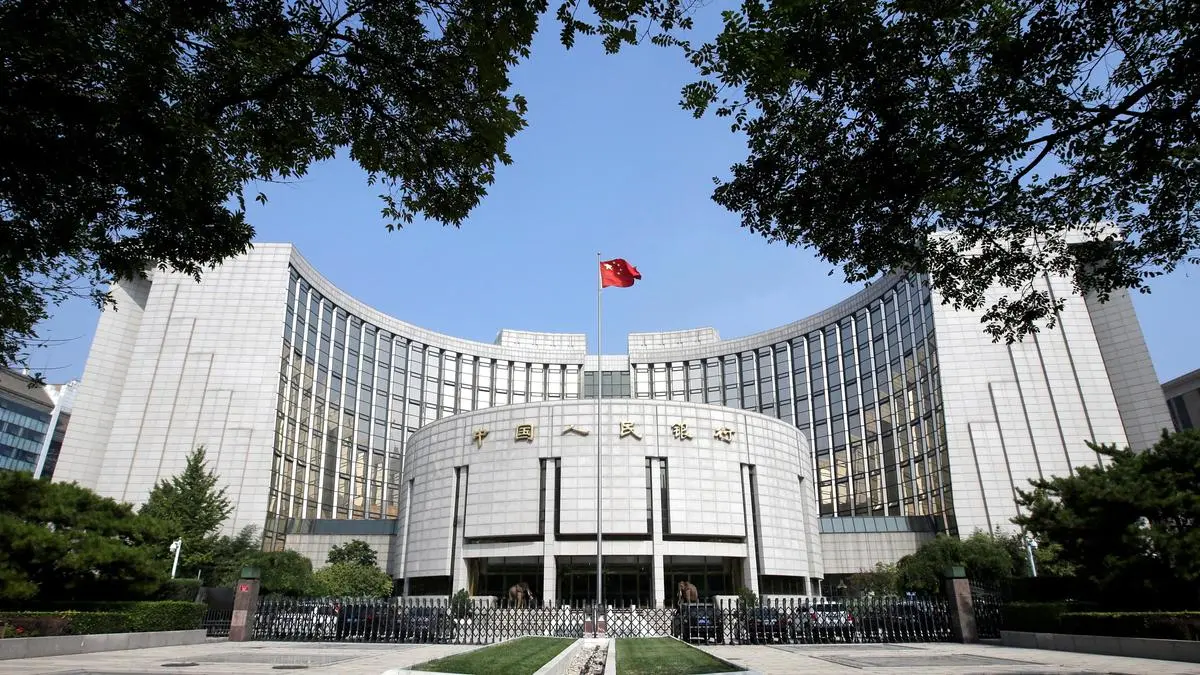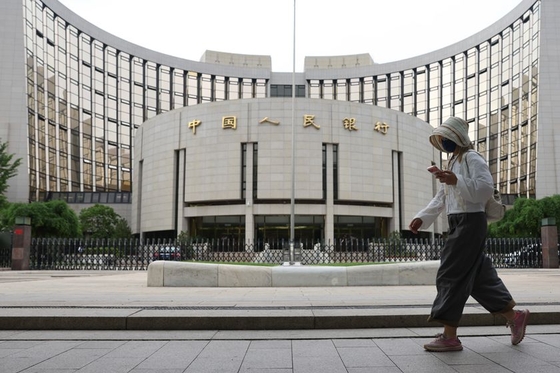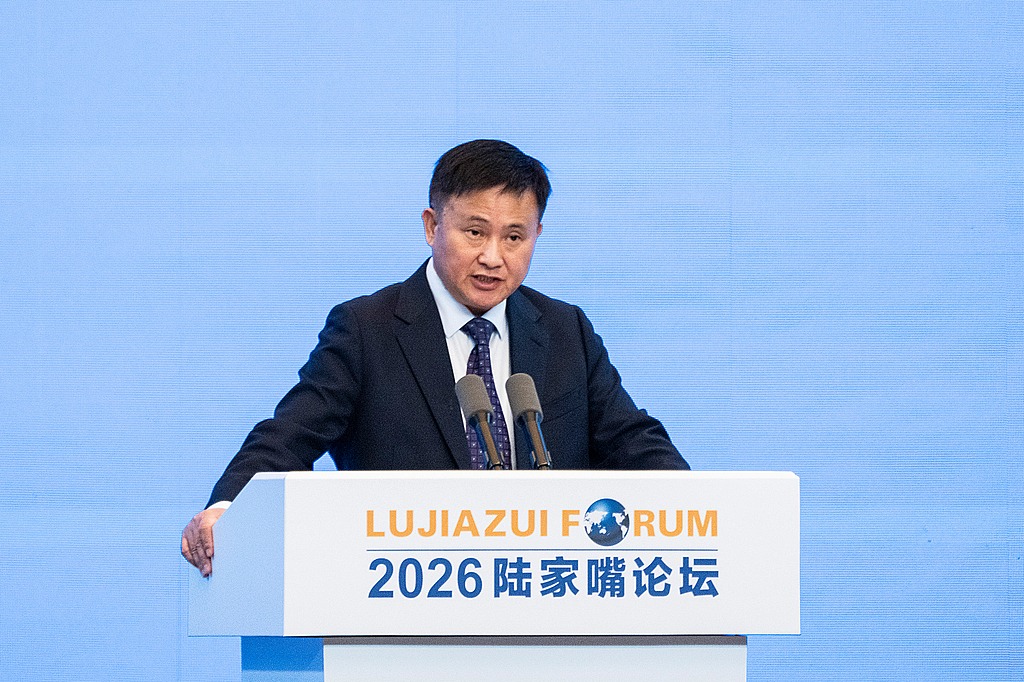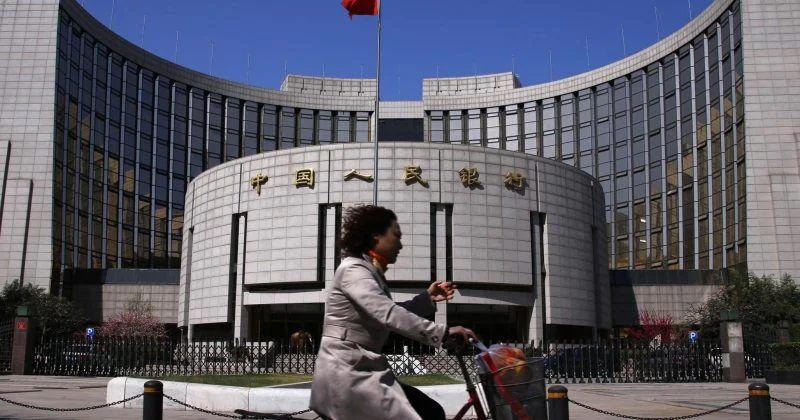
The People’s Bank of China pumped roughly 420 billion yuan into the financial system through 7-day reverse repurchase agreements, pricing them at a 1.40% interest rate. That’s an increase from the 393 billion yuan injected just the day before, suggesting the central bank saw rising demand for short-term cash among Chinese banks.
For context, 420 billion yuan is approximately $58 billion. It’s closer to a thermostat adjustment, the kind of fine-tuning the PBOC does routinely to keep liquidity levels where it wants them: ample, but not excessive.
How reverse repos actually work
The PBOC buys securities from commercial banks with an agreement to sell them back seven days later. Banks get cash now, the PBOC gets its securities back next week. The 1.40% rate is essentially the price banks pay for that short-term borrowing privilege.
This mechanism is one of the PBOC’s primary tools for managing day-to-day liquidity in China’s massive banking system. Unlike cutting benchmark interest rates, which sends a loud signal about monetary policy direction, reverse repos are more like volume knobs. Subtle. Adjustable. Reversible.