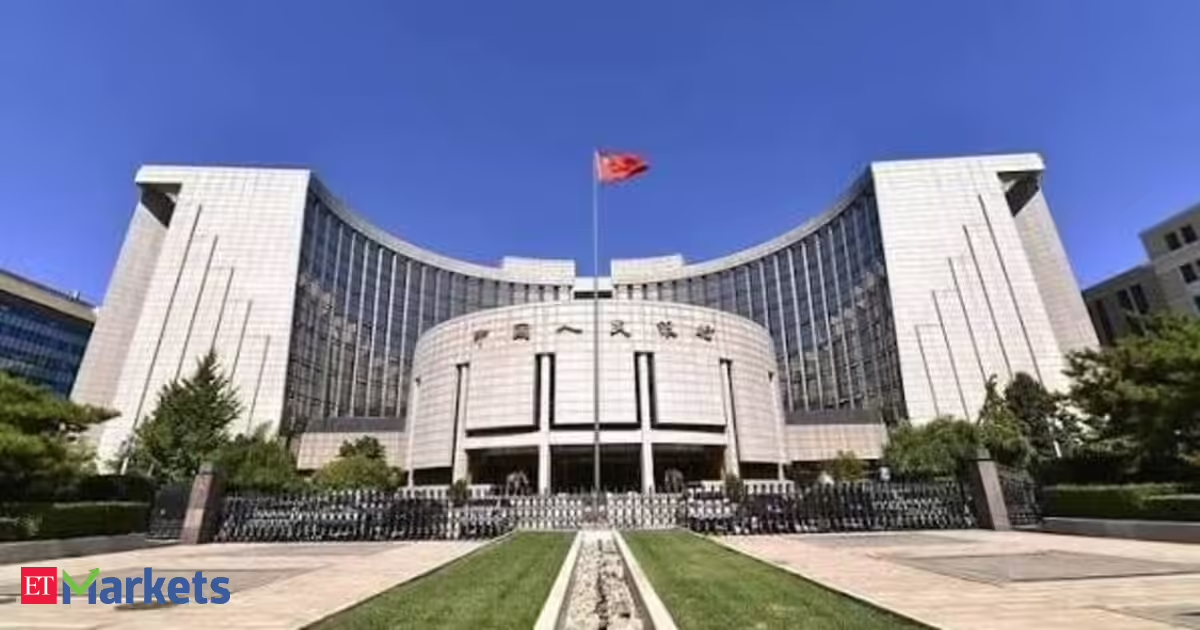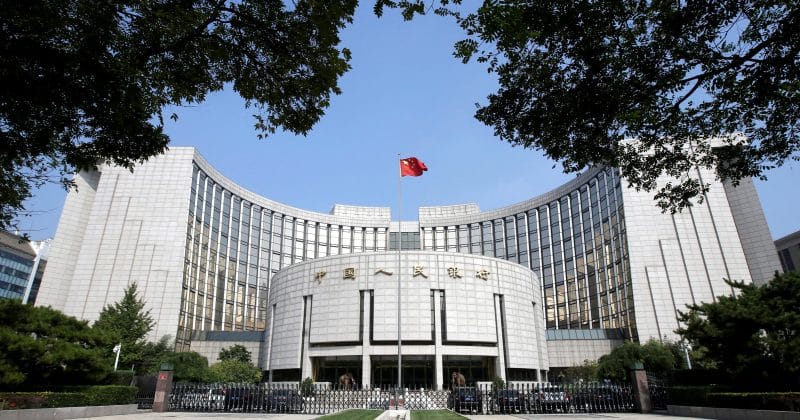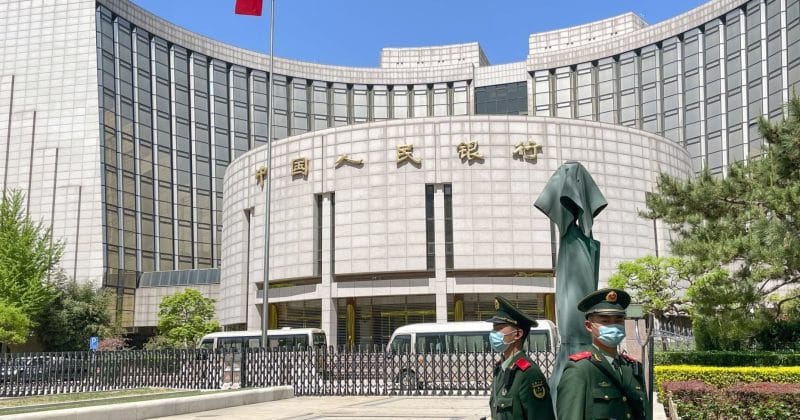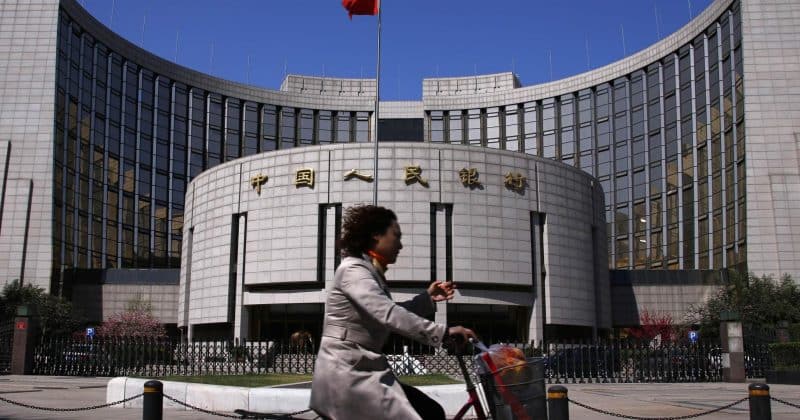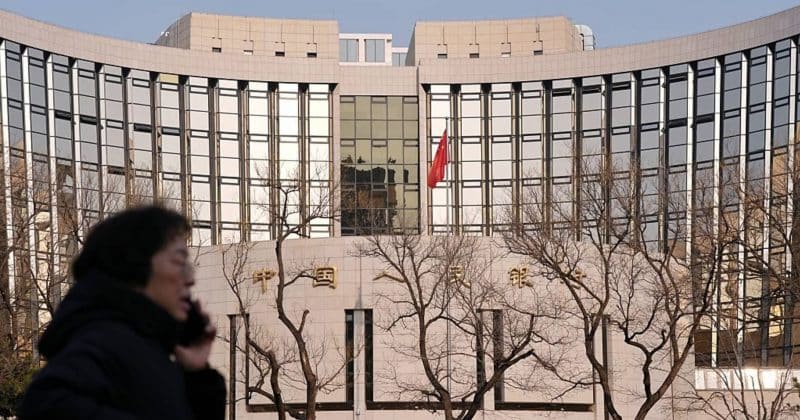
The People’s Bank of China just added a new weapon to its monetary policy arsenal. On June 29, the PBOC executed its first-ever overnight reverse repo operation, pumping 300 billion yuan, roughly $44 billion, into China’s financial system.
Here’s the thing that rattled traders: the central bank didn’t specify the interest rate. Market observers had been expecting something in the 1.25% to 1.35% range, so the silence was, to put it mildly, conspicuous. The rate was later set at 1.25%, according to Reuters, landing at the floor of analyst expectations.
What an overnight reverse repo actually means
Think of a reverse repo as the central bank lending money to commercial banks for a very short period, using government bonds as collateral. The “overnight” part is new here. Previously, the PBOC’s shortest standard tool was its seven-day reverse repo, which it also conducted on June 29 at a steady rate of 1.4%, injecting an additional 157.5 billion yuan.
This matters because liquidity crunches in China’s interbank market tend to be sharpest at predictable pressure points, like month-end and quarter-end, when banks scramble to meet regulatory requirements. An overnight facility gives the PBOC much finer control over those spikes without having to send broader monetary policy signals that might be misinterpreted by global markets.