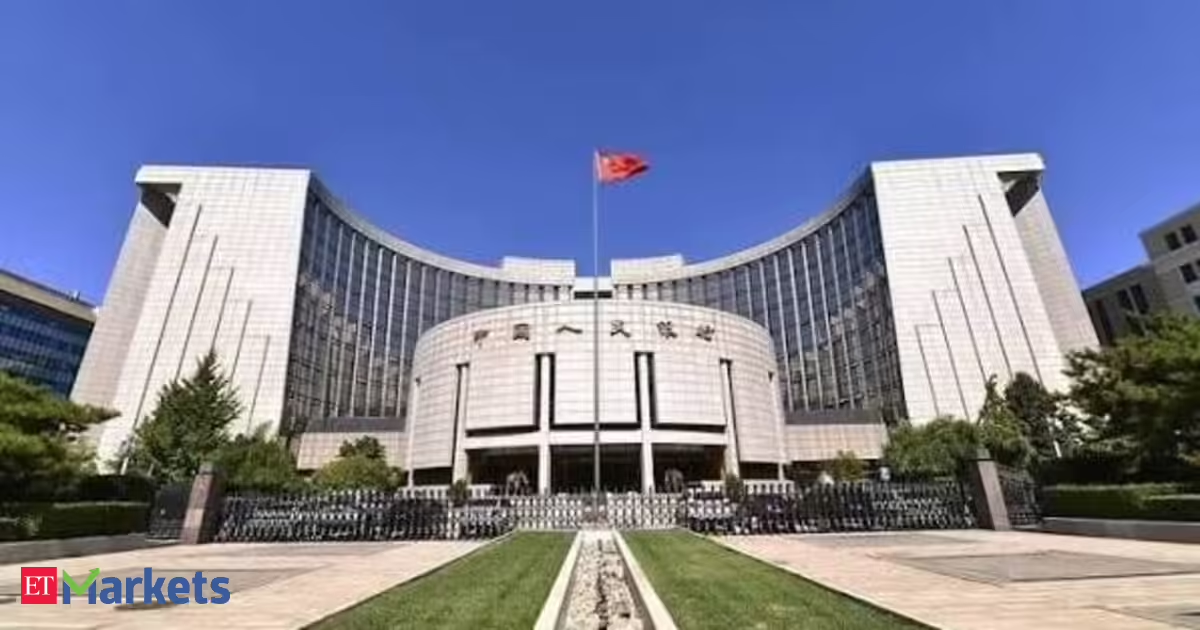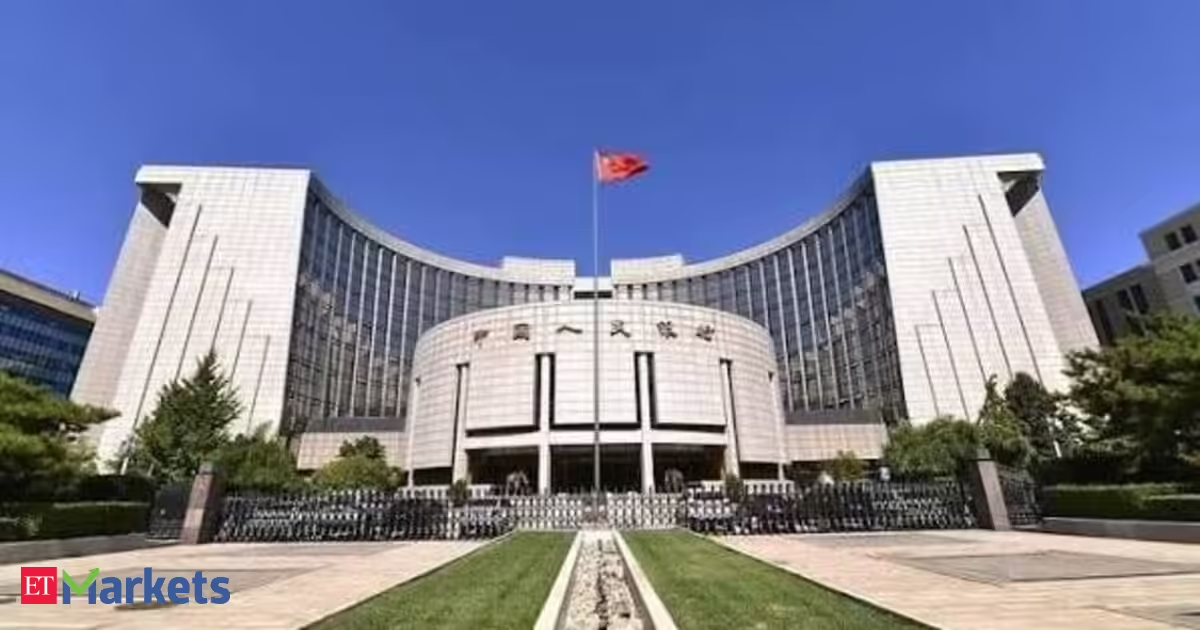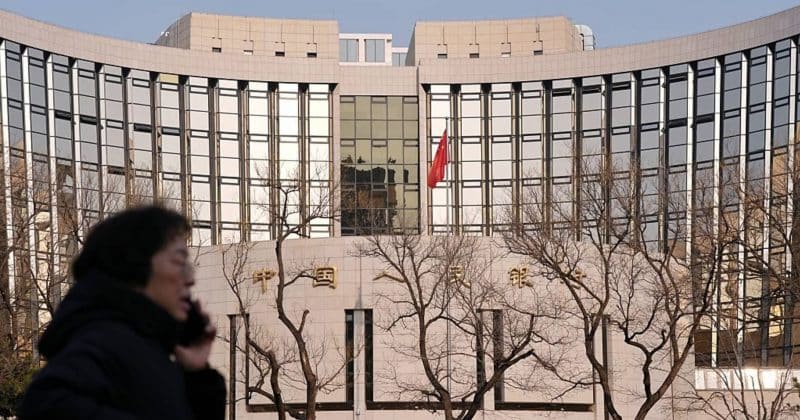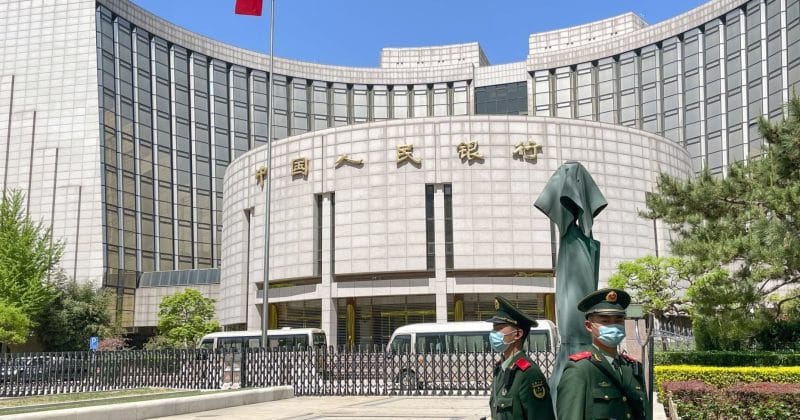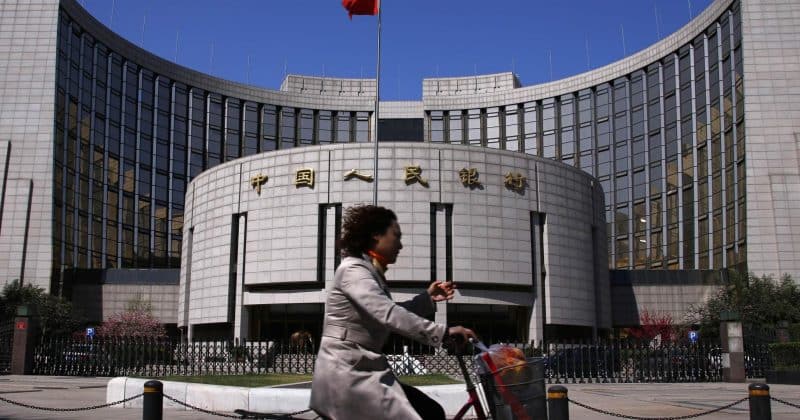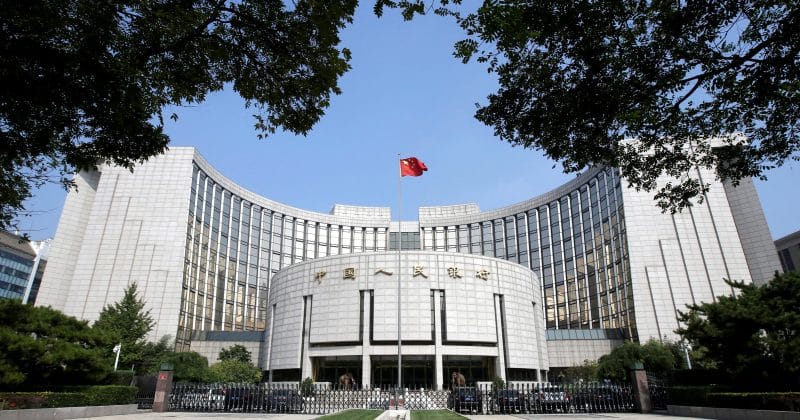
The People’s Bank of China just added a new tool to its monetary policy toolkit. On June 29, the PBOC conducted its inaugural overnight reverse repurchase agreement operation, pumping 300 billion yuan (roughly $44.1 billion) into the financial system at a rate of 1.25%.
That rate is 15 basis points below the existing seven-day reverse repo rate of 1.4%, and it came in softer than the market’s expected range of 1.30% to 1.35%.
Why overnight repos matter
Think of reverse repos as the central bank’s pressure valve for short-term cash in the banking system. When the PBOC offers reverse repos, it’s essentially lending money to commercial banks for a set period, using government bonds as collateral. The rate it charges signals how tight or loose it wants monetary conditions to be.
Overnight interbank repo transactions account for over 80% of total turnover in China’s money markets. Until now, the PBOC had no dedicated tool to directly influence that dominant slice of activity. The seven-day reverse repo rate has served as the primary policy signal since 2024, but it’s a somewhat blunt instrument for managing day-to-day liquidity swings.