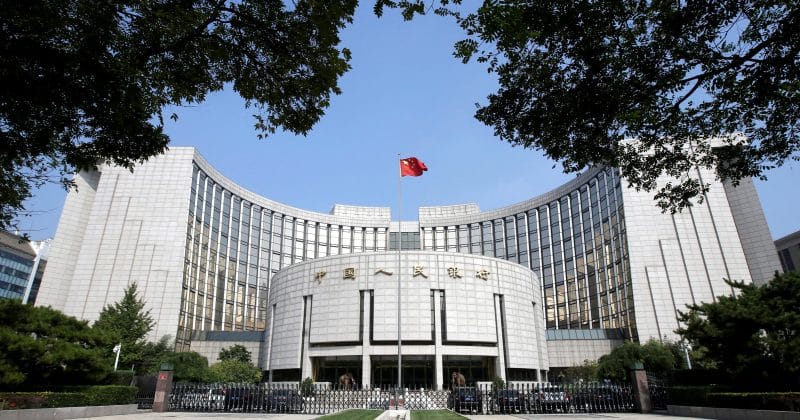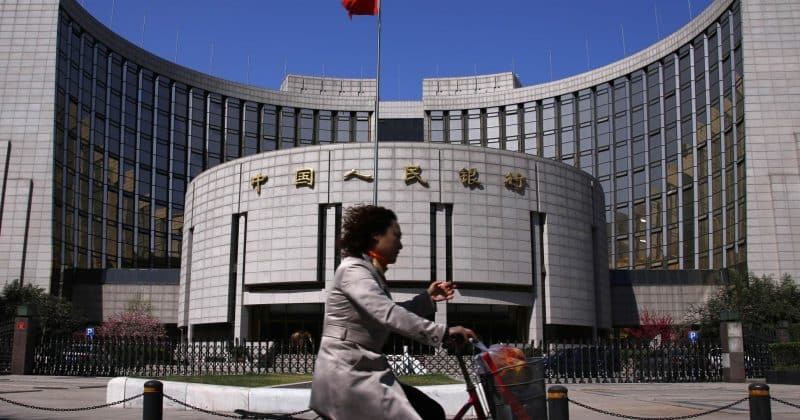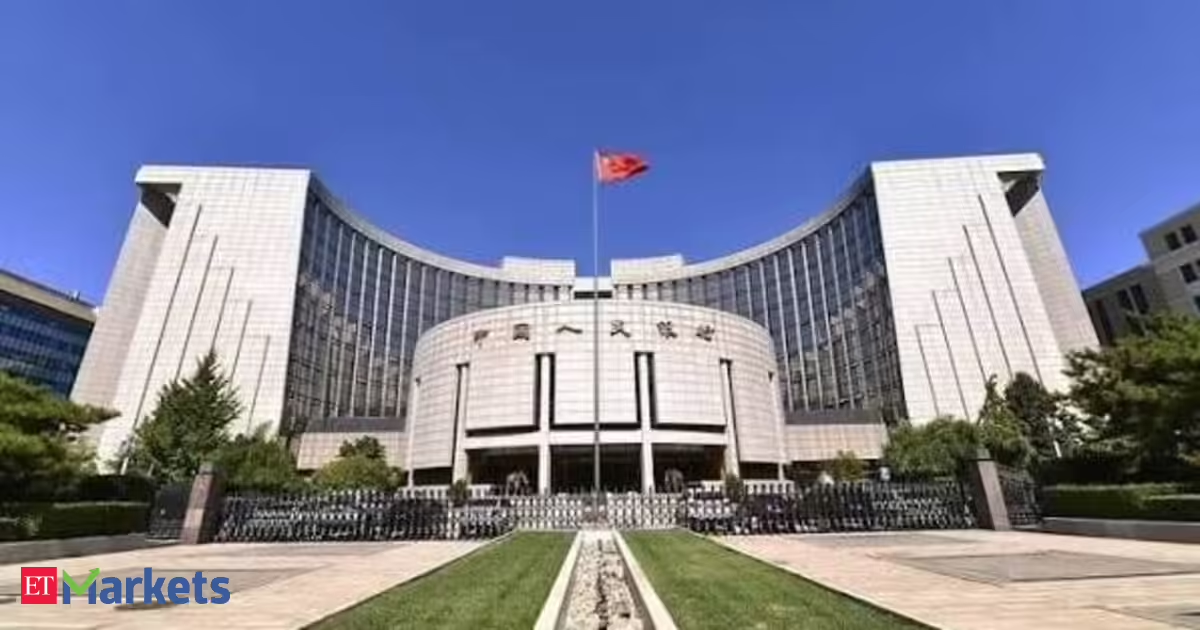
China's central bank expanded its overnight liquidity support on Tuesday, injecting 600 billion yuan ($88.3 billion) into the banking system through overnight reverse repo operations, doubling the amount provided during the tool's debut a day earlier, according to an official statement reported by Reuters.The People's Bank of China (PBOC) kept the borrowing cost on the overnight reverse repos unchanged at 1.25%, maintaining the rate introduced when the new liquidity facility was launched on Monday.The overnight reverse repo rate is 15 basis points lower than the seven-day reverse repo rate of 1.4%, which remains China's primary policy rate.Separately, the PBOC said in an online statement that it also injected 69.5 billion yuan through seven-day reverse repo operations on Tuesday while keeping the interest rate unchanged at 1.4%.It is reported that Tuesday's larger liquidity injection is expected to help banks and other financial institutions manage their funding needs at the end of the month, a period when demand for cash typically increases as institutions strengthen their liquidity positions.The introduction of the overnight reverse repo facility provides the PBOC with an additional instrument to fine-tune short-term liquidity conditions in the financial system. By offering overnight funding alongside its existing seven-day operations, the central bank gains greater flexibility in addressing temporary cash shortages without altering its broader monetary policy stance.Market participants are likely to monitor the use of the new facility in the coming weeks for clues about the central bank's liquidity management strategy. The scale and frequency of overnight reverse repo operations could become an important indicator of the PBOC's efforts to maintain stable money market conditions while supporting economic activity.
Global Market: PBOC keeps new overnight repo rate at 1.25%, pumps in 600 billion yuan
China's central bank significantly boosted liquidity, injecting 600 billion yuan via overnight reverse repos, doubling Monday's debut. This move aims to ease month-end funding pressures for banks. The People's Bank of China maintained the borrowing cost at 1.25%, offering a new tool for fine-tuning short-term cash needs without altering broader monetary policy. This increased support signals a focus on stable money markets and economic activity.
268 words~1 min read