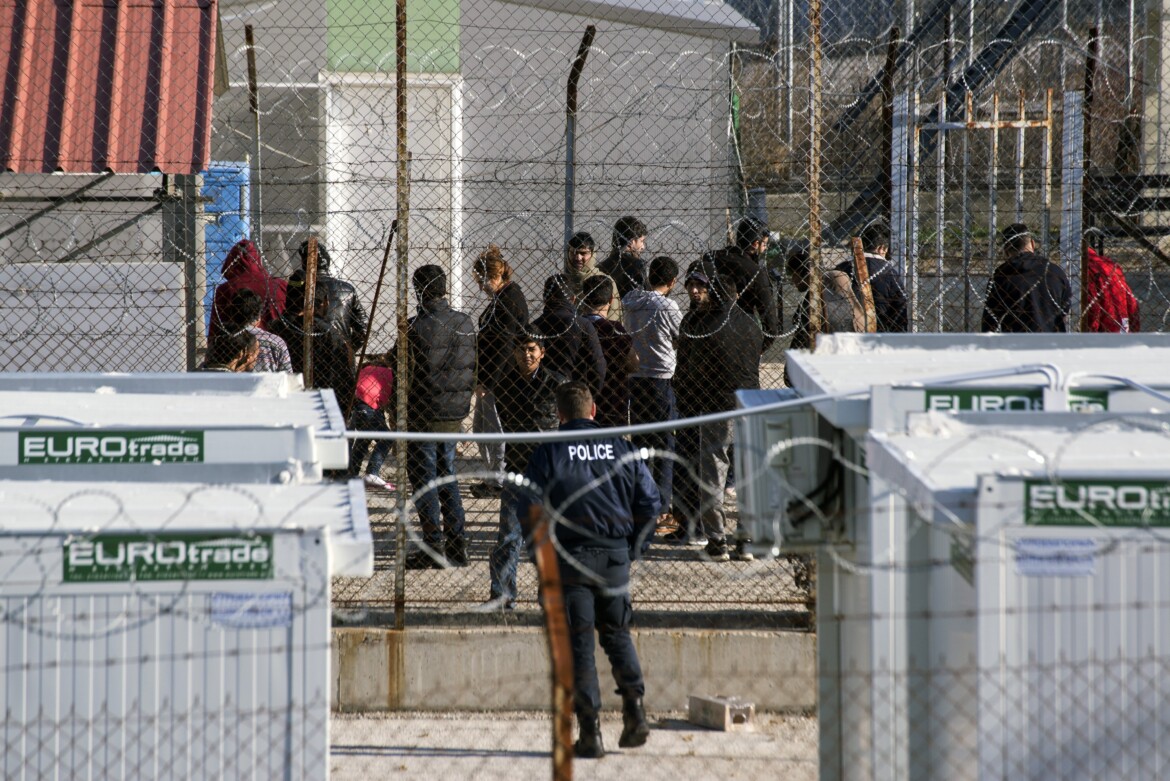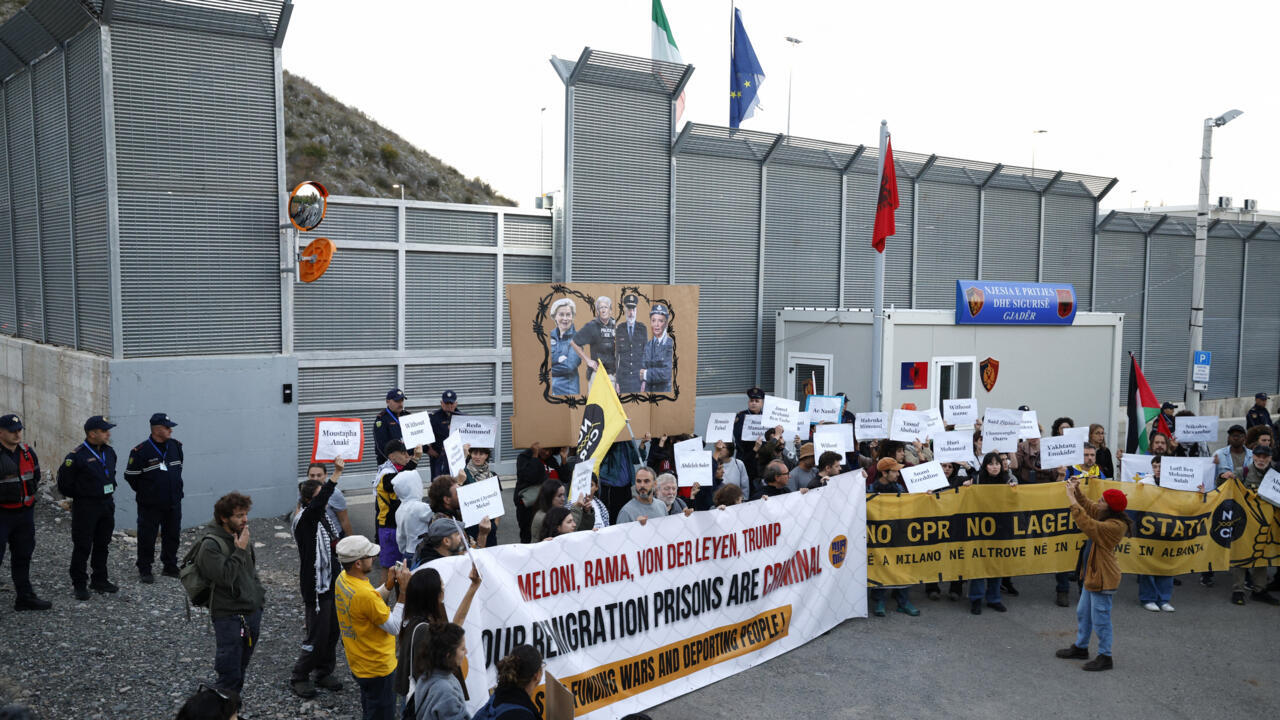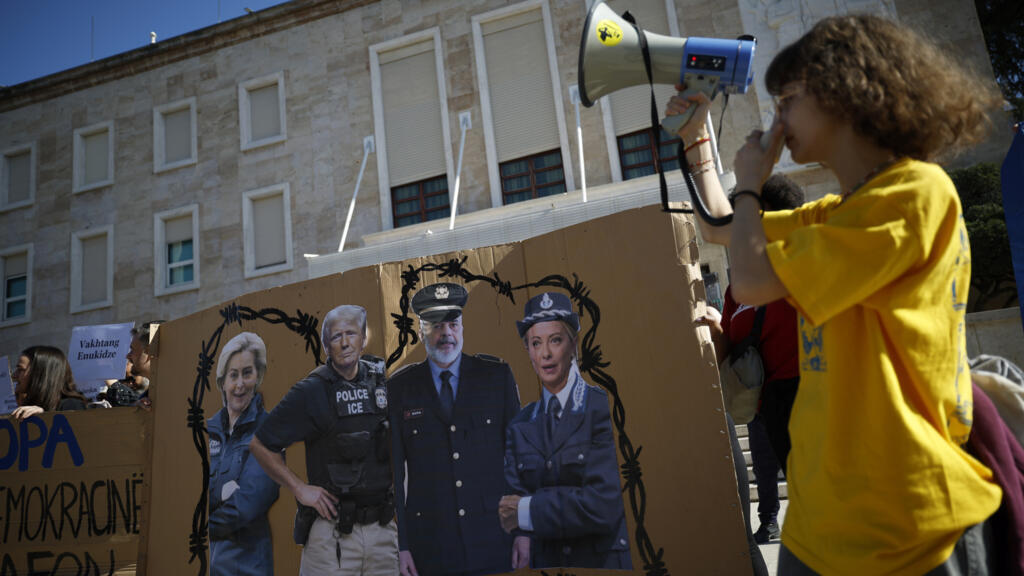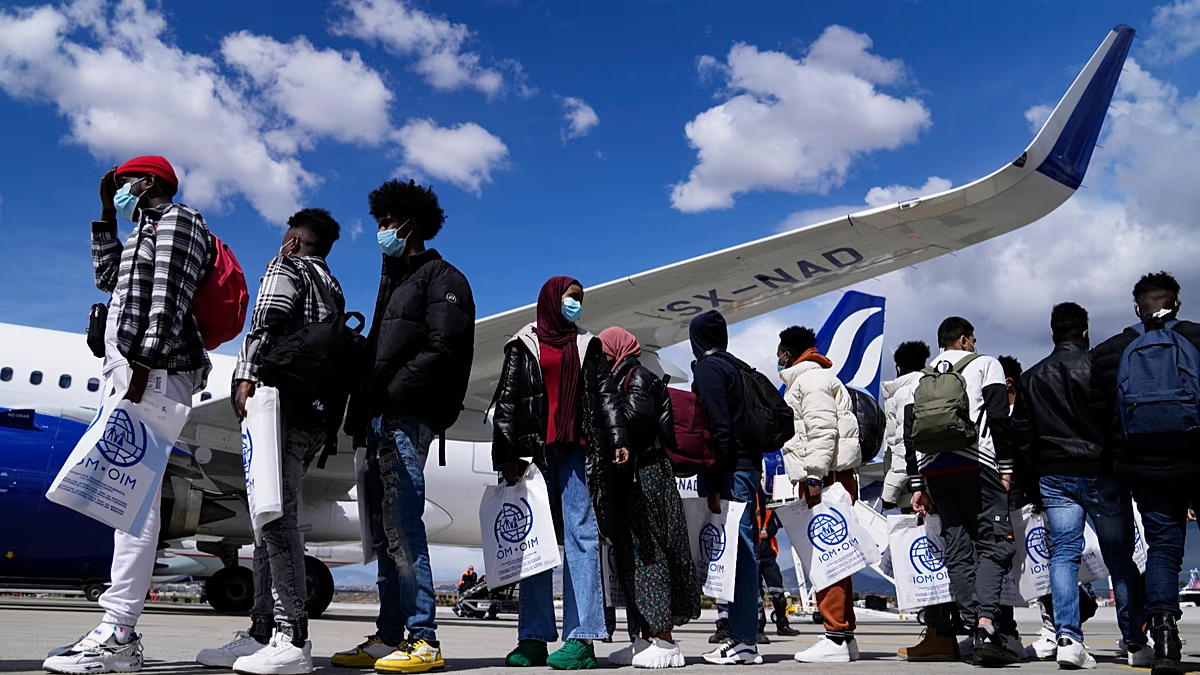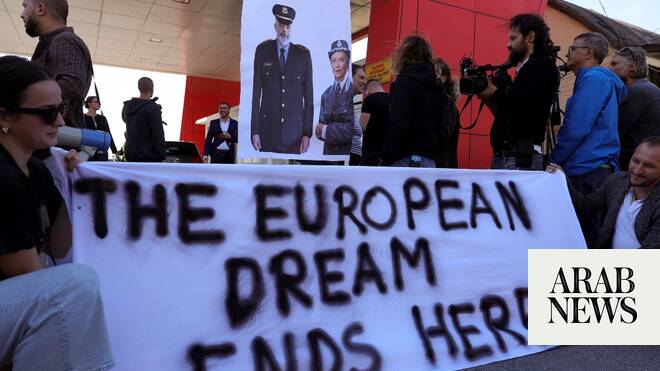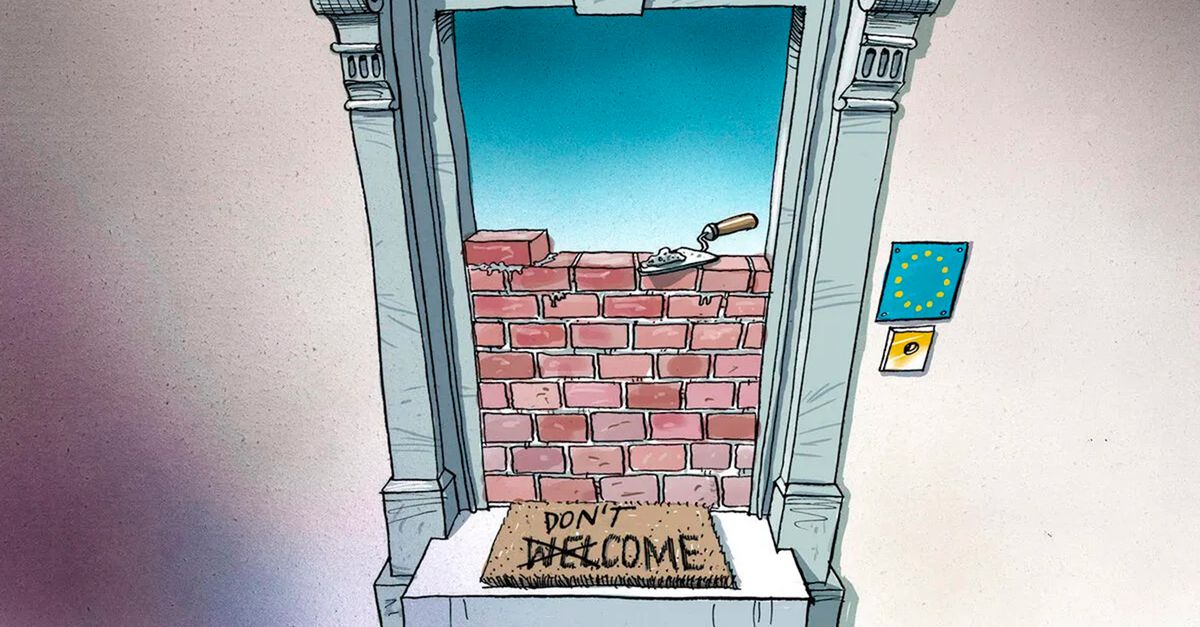
Given its oft-proclaimed calling as a peace project, the European Union can sound oddly bellicose when it sets about crafting policy. There are trade and fiscal „bazookas” to blast away crises, „silver bullet” solutions for every problem, and „nuclear options” to be used as a last resort. Yet in the absence of an EU army or even a police force, the pen-wielding Eurocracy rarely gets its hands on anything that looks like an actual weapon. The only exception—tellingly—is the club’s border-patrol agency. For over a decade after it was founded in 2005, Frontex agents wielded little more than whistles and admonishments as they helped national authorities keep out migrants. These days they also carry Glock 9mm handguns, FBI-style. In a union built to make war unthinkable, the first supranational weapon was issued not for defence against armies, but for keeping unarmed people out.
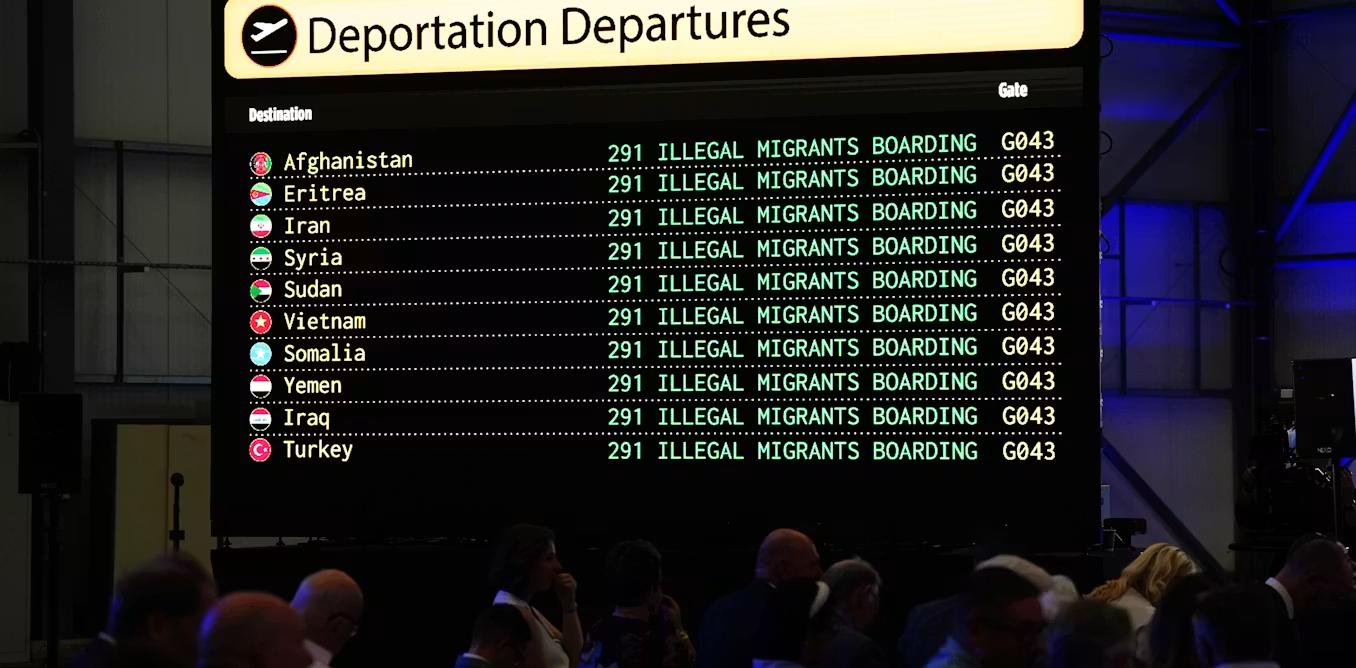
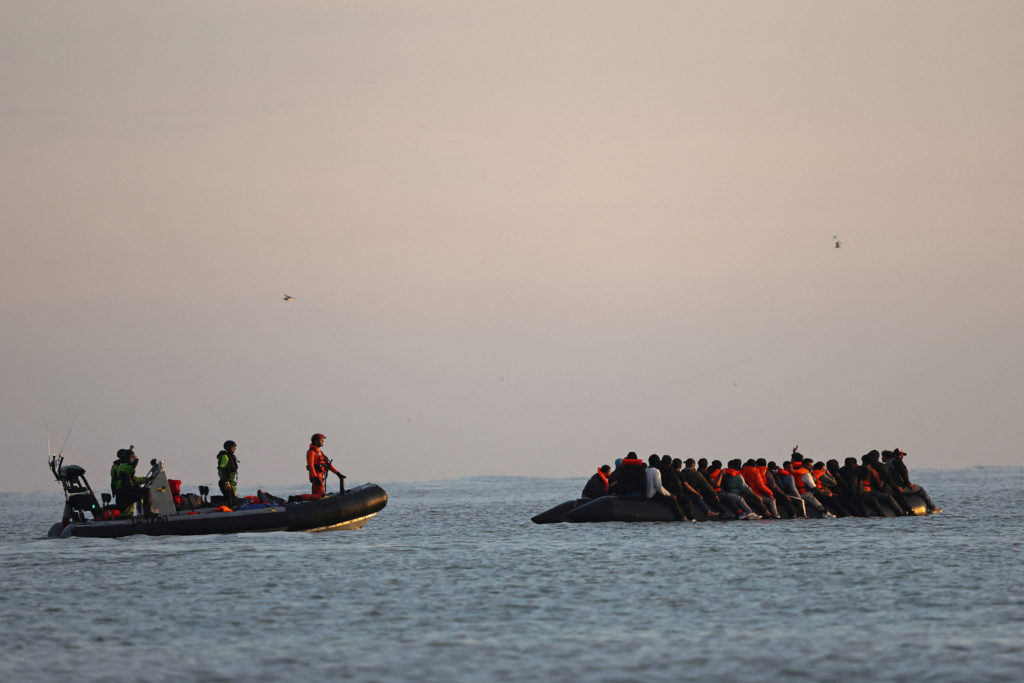
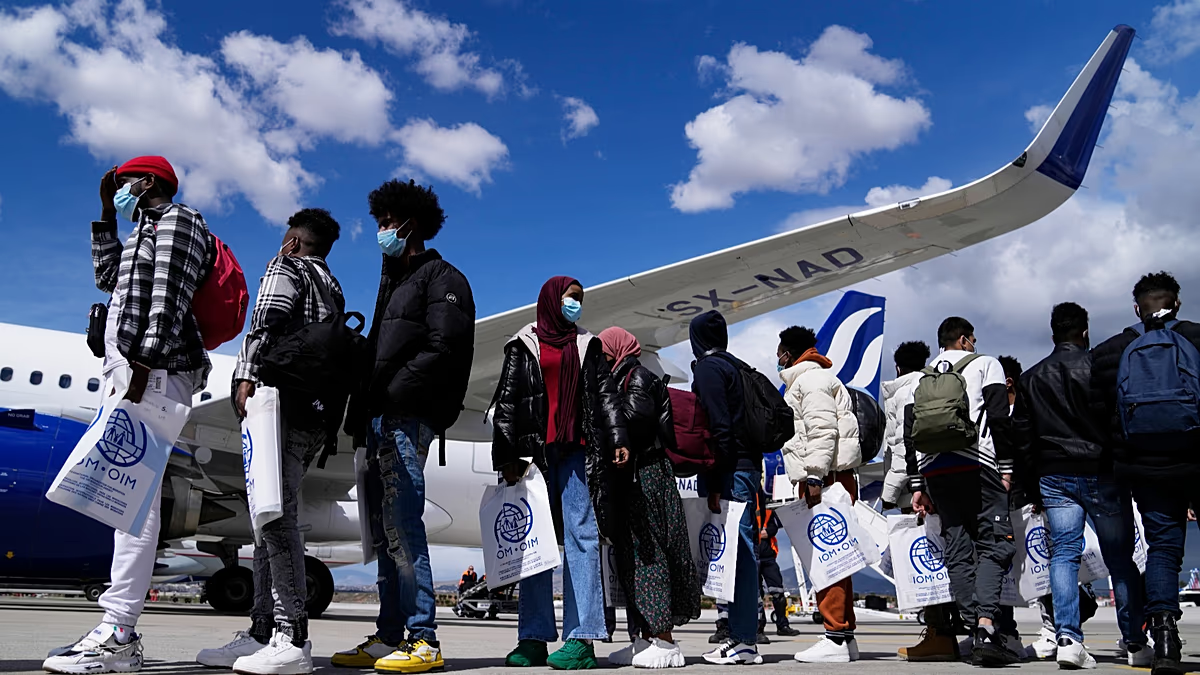
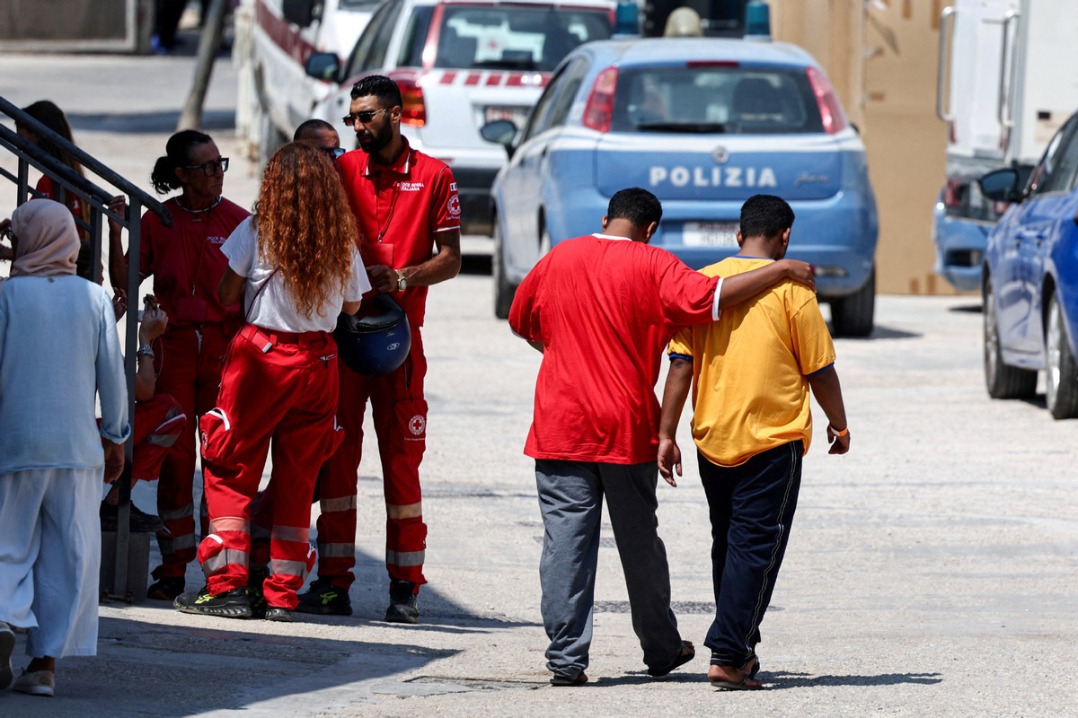
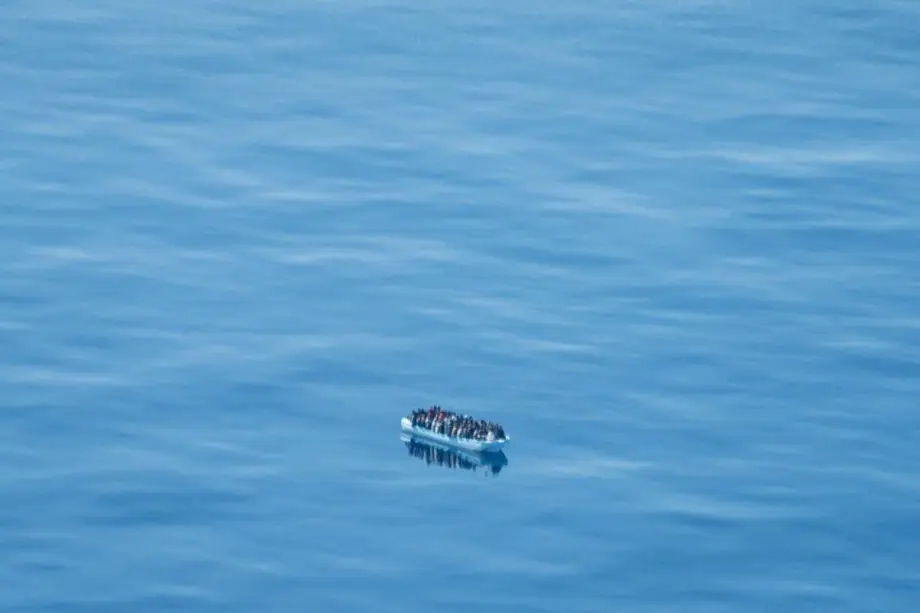
Whether because of the Glocks or, more likely, because of a slew of new measures in recent years, irregular migration into the EU has markedly declined of late. Illegal crossings spotted by Frontex are down by more than half over the past couple of years. Demands for asylum in EU countries have also fallen sharply. Though migration can ebb and flow according to unpredictable rhythms—a million-strong influx of Syrians and Afghans arrived in Europe in 2015 and 2016, years after strife in their respective countries had broken out—there is an odd sense of calm about the EU’s external frontier these days. On June 12th a „migration package” of measures originally conceived in the depths of the crisis a decade ago will come into force, tightening border controls and sending irregular migration down further. Perhaps, maybe, conceivably, Europe has cracked the problem of new unwanted arrivals onto its shores. Alas, the politically toxic issue of migrants already in Europe, who are often poorly integrated, remains. Europe can be said to have half-solved one half of its migration problem.