Listen
/
1.0x
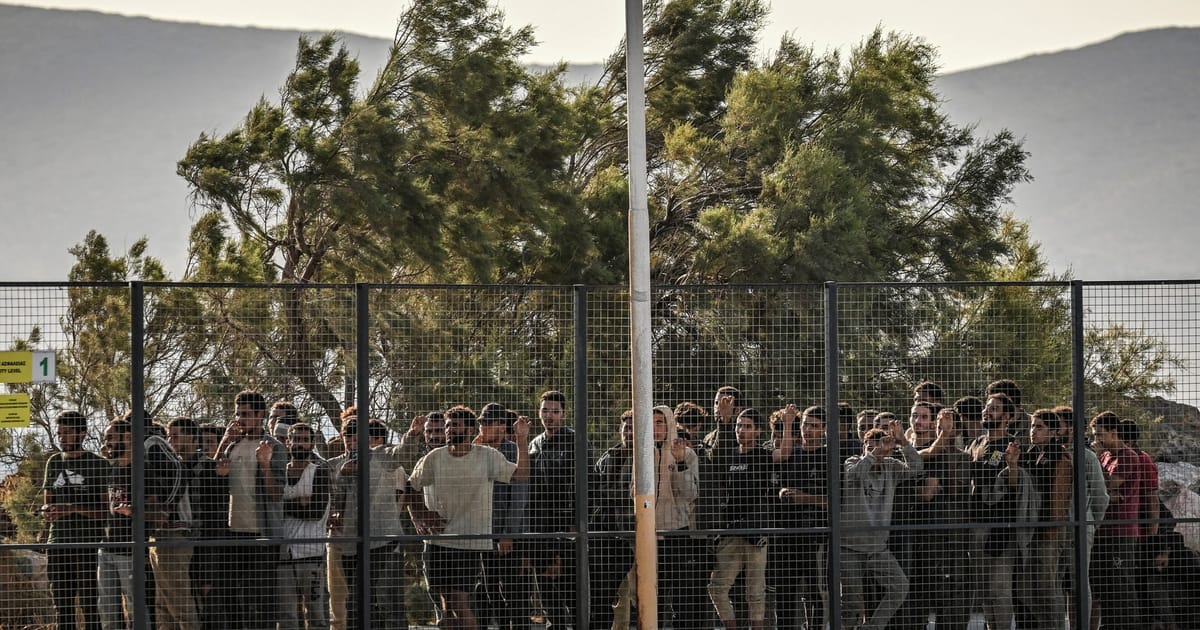
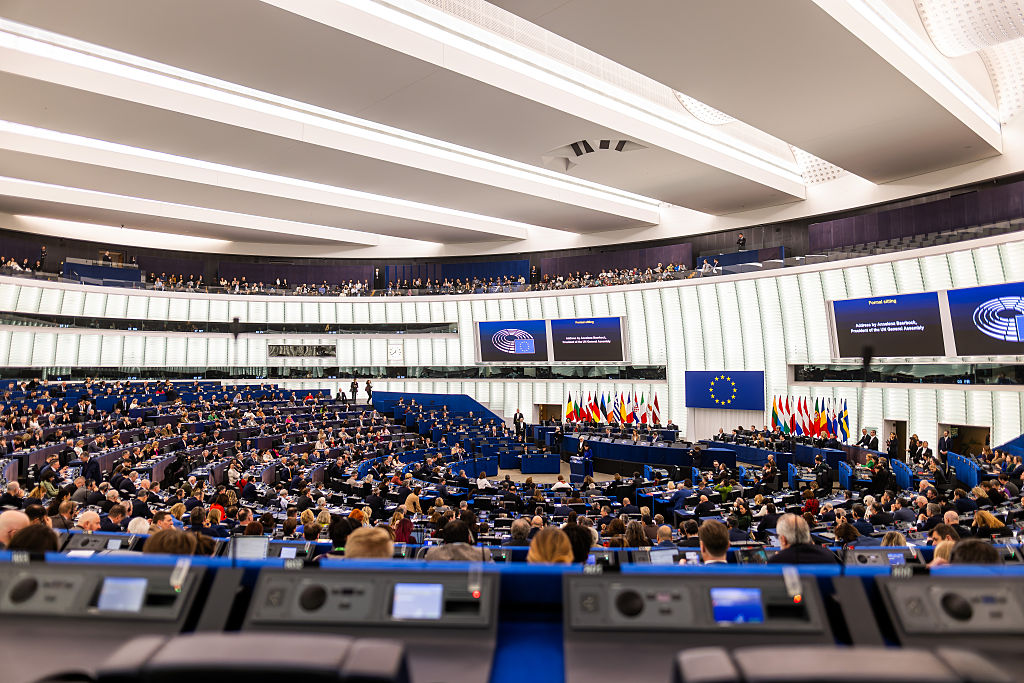
As the European Union seeks to further fortify its external borders, its Home Affairs Council met in Luxembourg on June 8 to finalize a common policy on establishing controversial “return hubs” in third countries under an overhauled Return Regulation framework. But as EU interior ministers pushed to export asylum processing outside European borders by 2027, the real-world consequences of Europe’s externalization agenda were exploding on the streets of Tripoli, Libya—one of the primary transit routes for migrants seeking to reach Europe. Outraged local residents blockaded the entrances to the UNHCR headquarters and IOM offices with mounds of sand, protesting what they view as a deliberate attempt to turn their country into a permanent containment zone for Europe’s rejected migrants. The timing is far from coincidental: to make these return centers operational, European policymakers rely heavily on a fractured North Africa to absorb the human pressure. This raises a central, uncomfortable question that Brussels continuously avoids: does the European Union actually prefer a politically divided, institutionally weak Libya, precisely because a fragmented state is easier to manipulate into serving as Europe’s default border police?