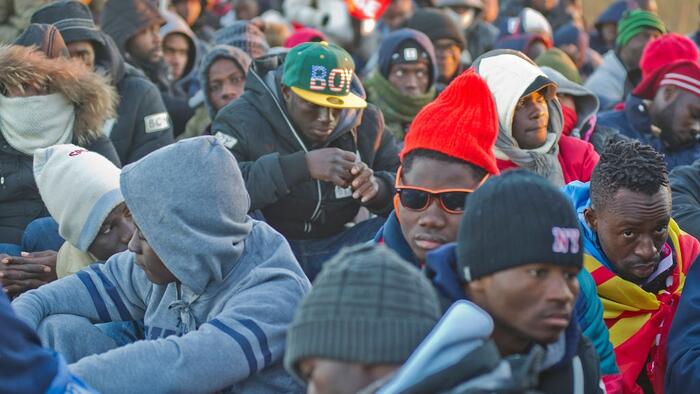
Europe is simultaneously in desperate need of workers and determined to keep more people out, with its Migration and Asylum Pact taking full effect on June 12. That contradiction sits at the heart of one of the continent's most politically charged debates, and it is becoming harder to ignore.
With unemployment at historic lows and employment rates at record highs, EU labour markets are running on empty. Structural shortages plague healthcare, construction, agriculture, transport and tech sectors. And the cause is no mystery: Europe is ageing rapidly. In 2022, roughly 22 per cent of the EU's population was aged 65 or older. The working-age population is shrinking, particularly in Germany, Italy and Central and Eastern Europe.
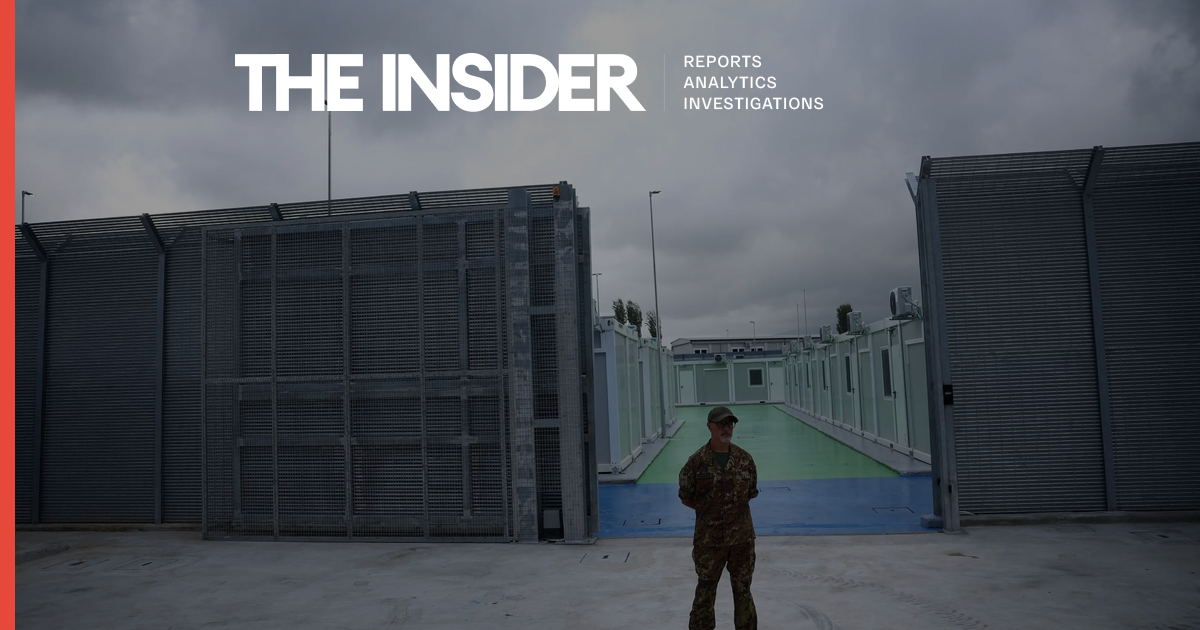
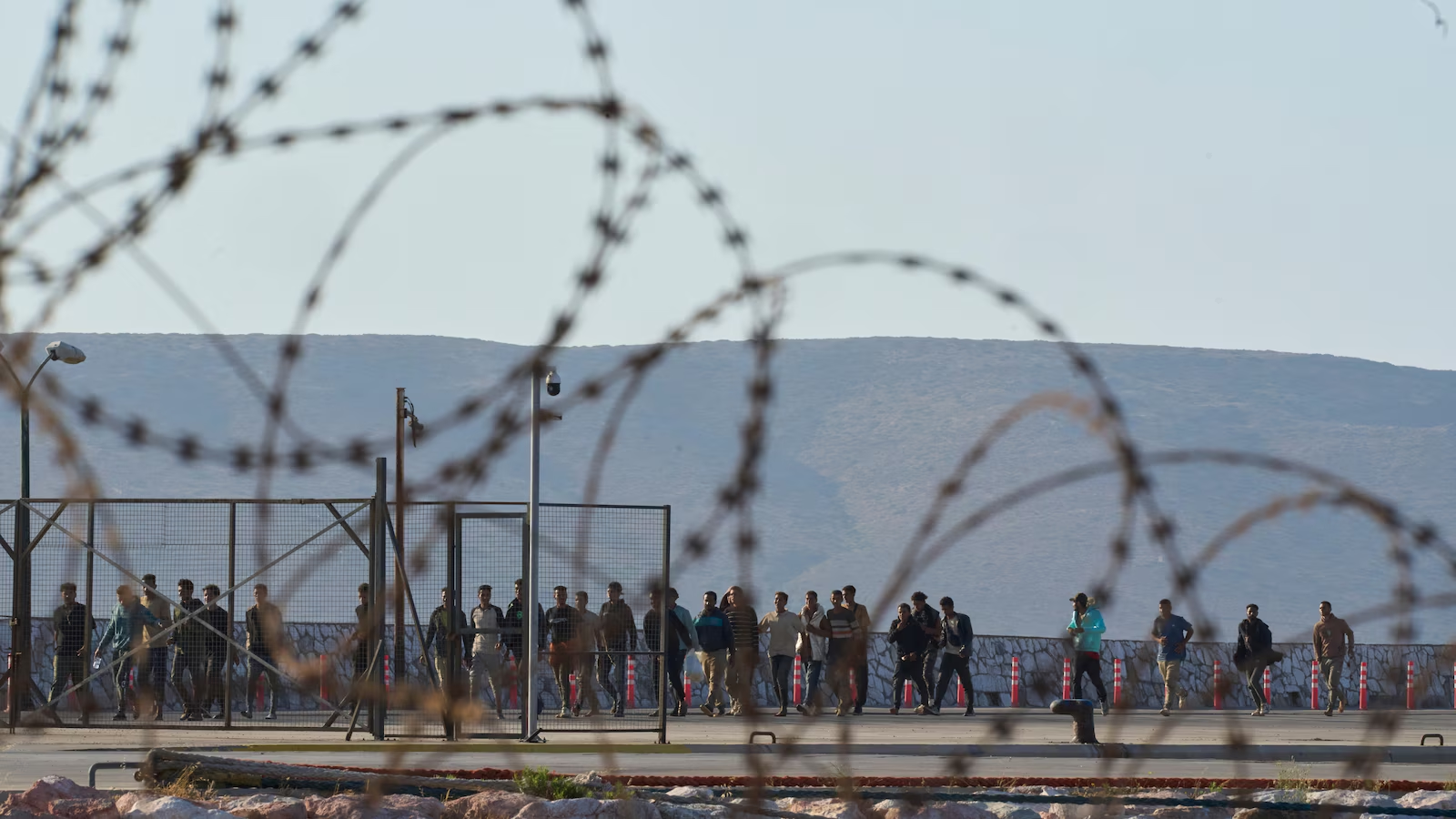
On 1 June, EU co-legislators agreed on new "return hubs" outside EU borders to detain migrants without the right to remain. Days later, on 12 June, the full Migration and Asylum Pact enters into force. It is the most extensive overhaul of European migration law in decades, built around tougher screenings, faster deportations, and stricter border controls.
The numbers that don't add up
Since 2019, non-EU nationals have filled over half of the net job growth in the EU. In Italy, migrants support an estimated 600,000 pensions through social security contributions, paying approximately €8 billion annually into the welfare system while receiving about €3 billion in benefits. In Germany, each employed migrant contributes to current retirees at the same statutory rate as nationals.