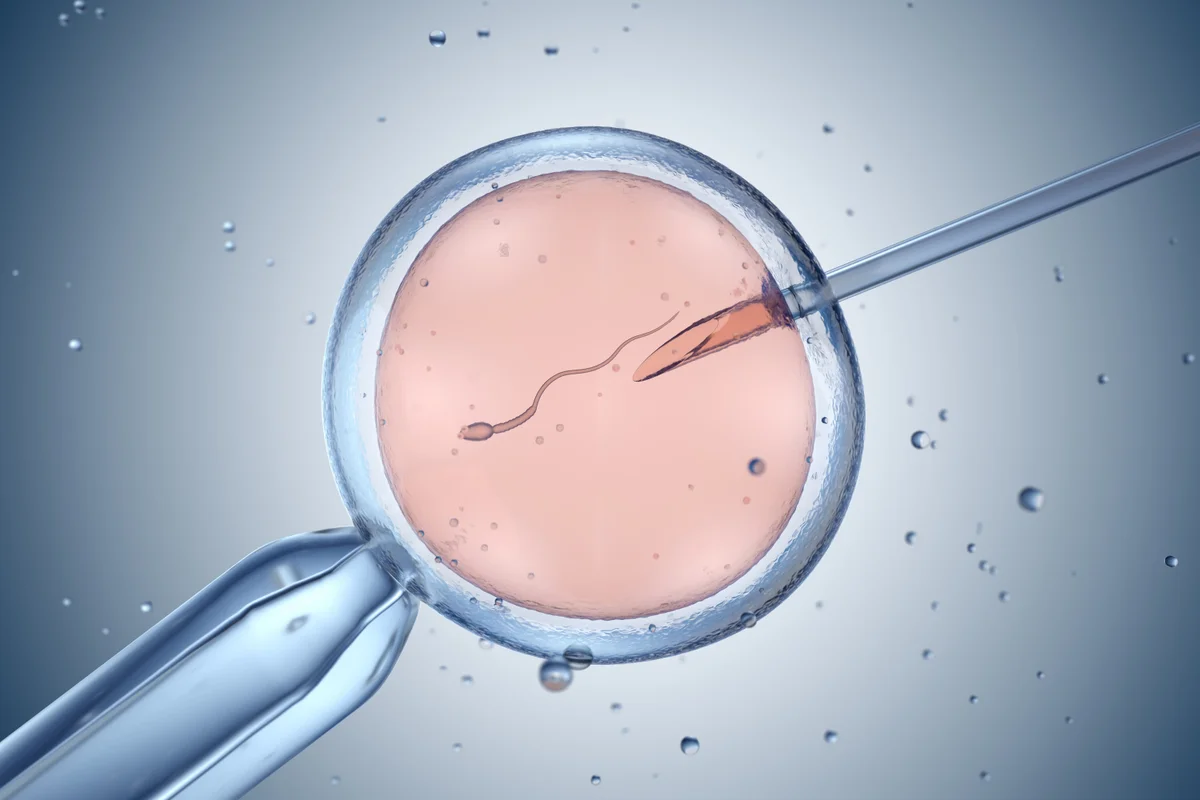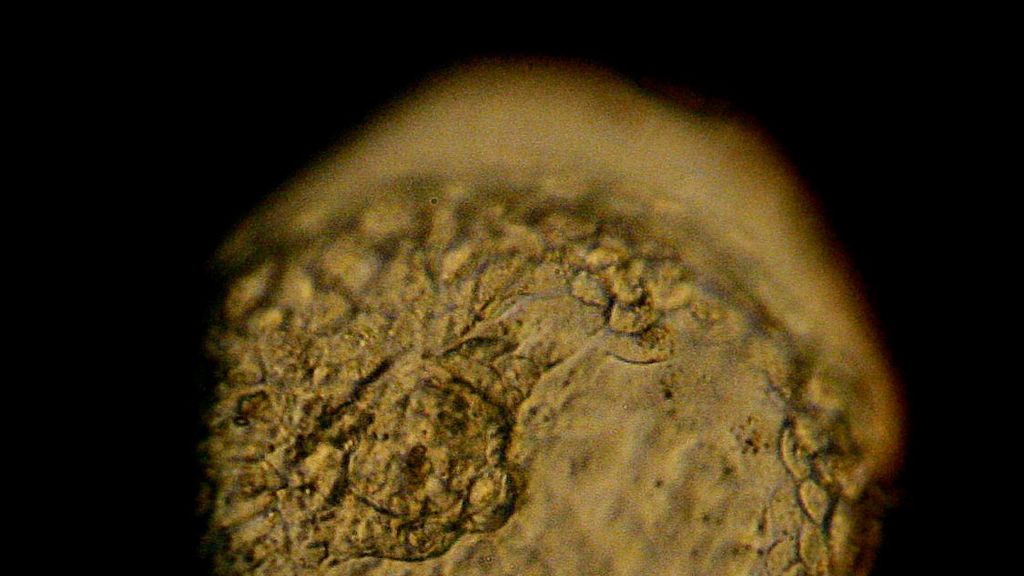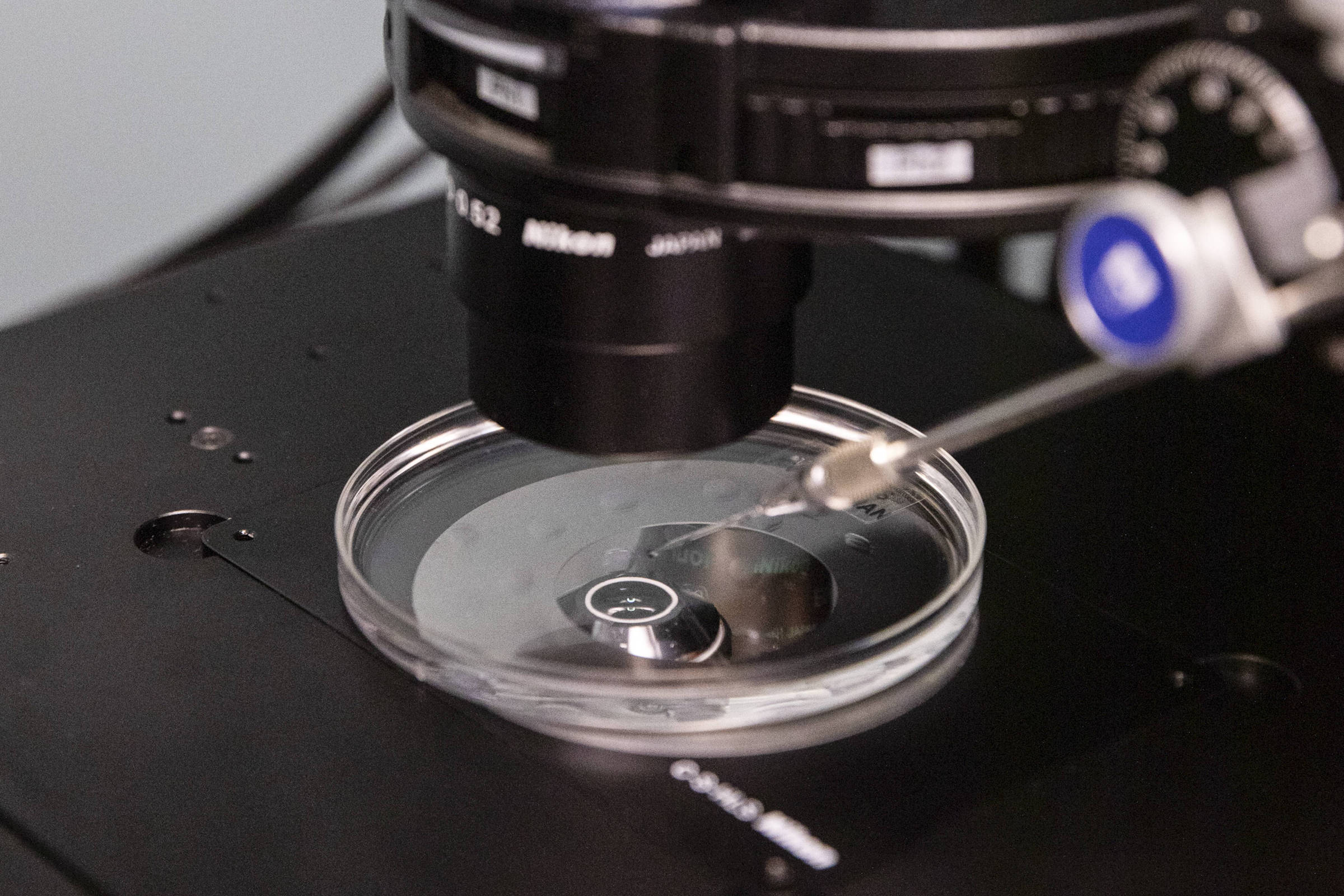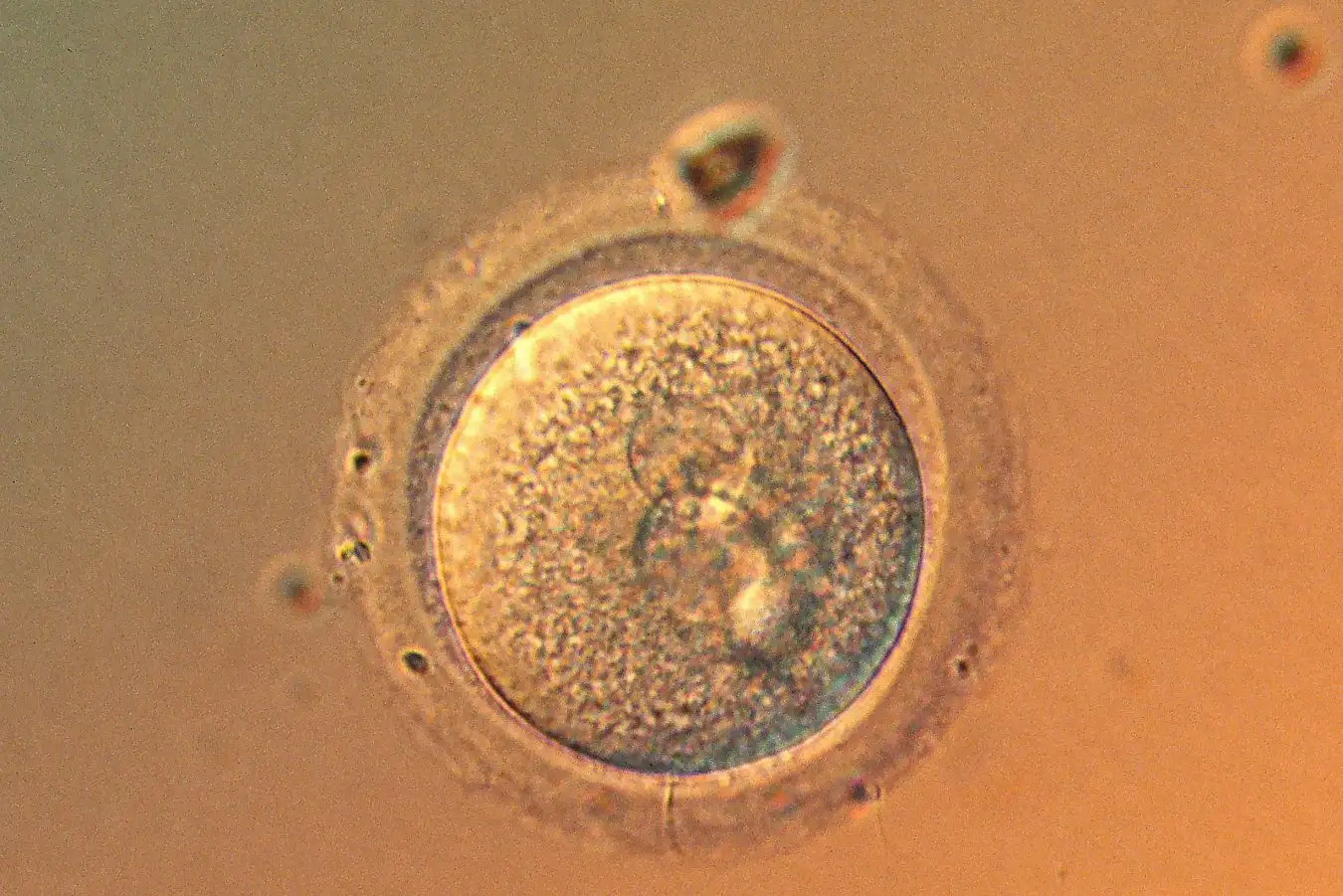
Light micrograph of a human egg cell after fertilisationCC STUDIO/SCIENCE PHOTO LIBRARY
When a rogue researcher in China revealed in 2018 that he had used CRISPR to create three gene-edited children, his actions were almost universally condemned by biologists around the world. The main objection was not that gene-editing babies is wrong in itself, but that the CRISPR technique used was not safe and had a very high risk of causing harmful mutations.
Now, a team in the US has used an improved form of CRISPR, known as base editing, to edit healthy embryos and shown that it can be done without introducing unwanted mutations. So are we now at the point where we could consider allowing the use of the technique? The answer is no, because a major obstacle remains.
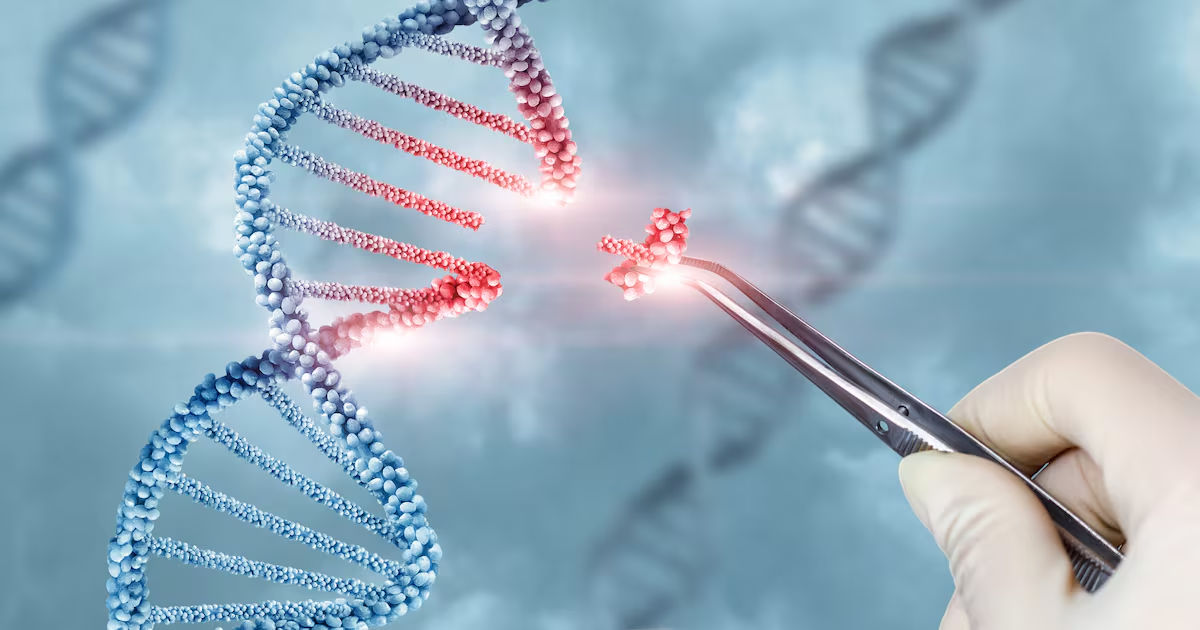
Our DNA consists of two strands. The first form of CRISPR to be developed uses a protein called Cas9, which hooks up with a piece of guide RNA that helps it find a specific place in the genome. Once there, Cas9 cuts through both strands. When a cell tries to repair the damage, it often makes mistakes, introducing small mutations that can disable genes.
So CRISPR-Cas9 is a destructive technique even when it works as intended, and it sometimes goes wrong, with the cut ends of DNA being reattached in the wrong places, causing large mutations and chromosomal abnormalities.