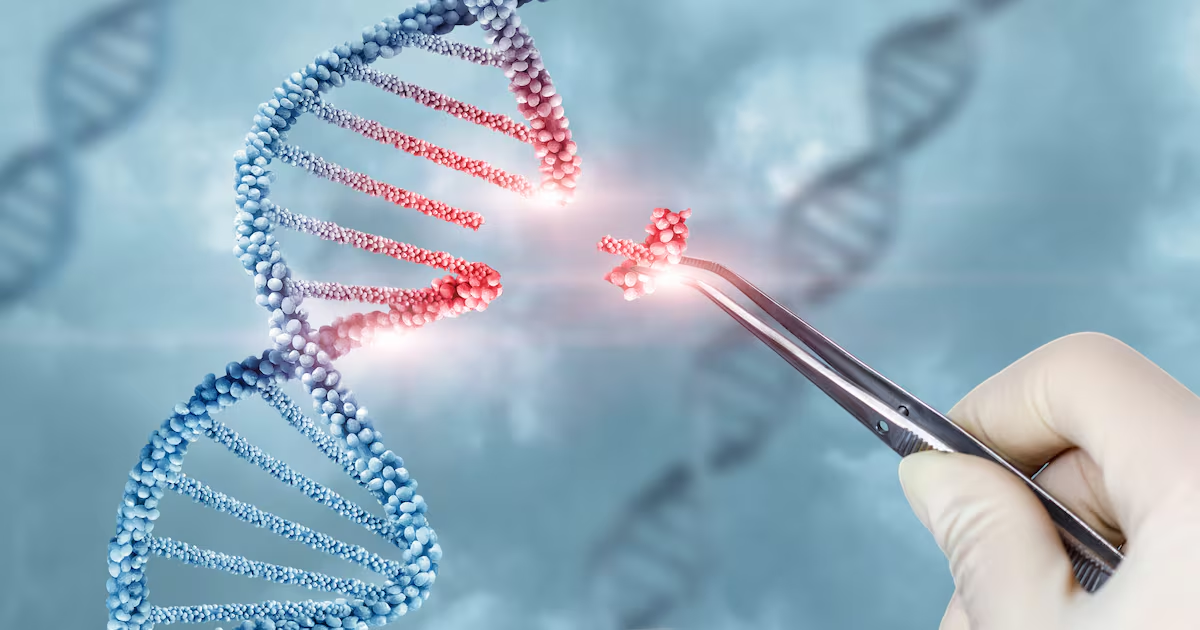
Pioneering gene-editing treatments are already in clinical use, saving lives and easing the pain of devastating genetic diseases. However, the growing number of patients receiving these treatments still run the risk of passing their disease-causing mutations to their children.
Scientific consensus — and the law in 70 countries — has long acknowledged that it’s too dangerous to use the powerful technique for human germline editing, the process of manipulating human embryo DNA to avoid genetic diseases and prevent them from being passed down from one generation to the next.
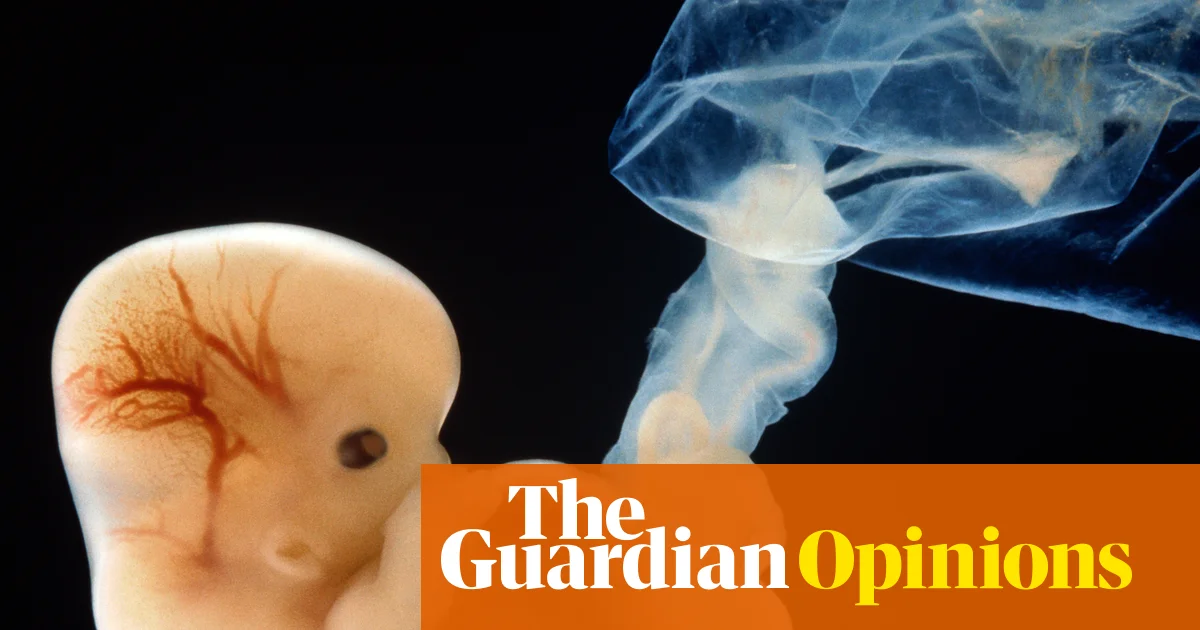
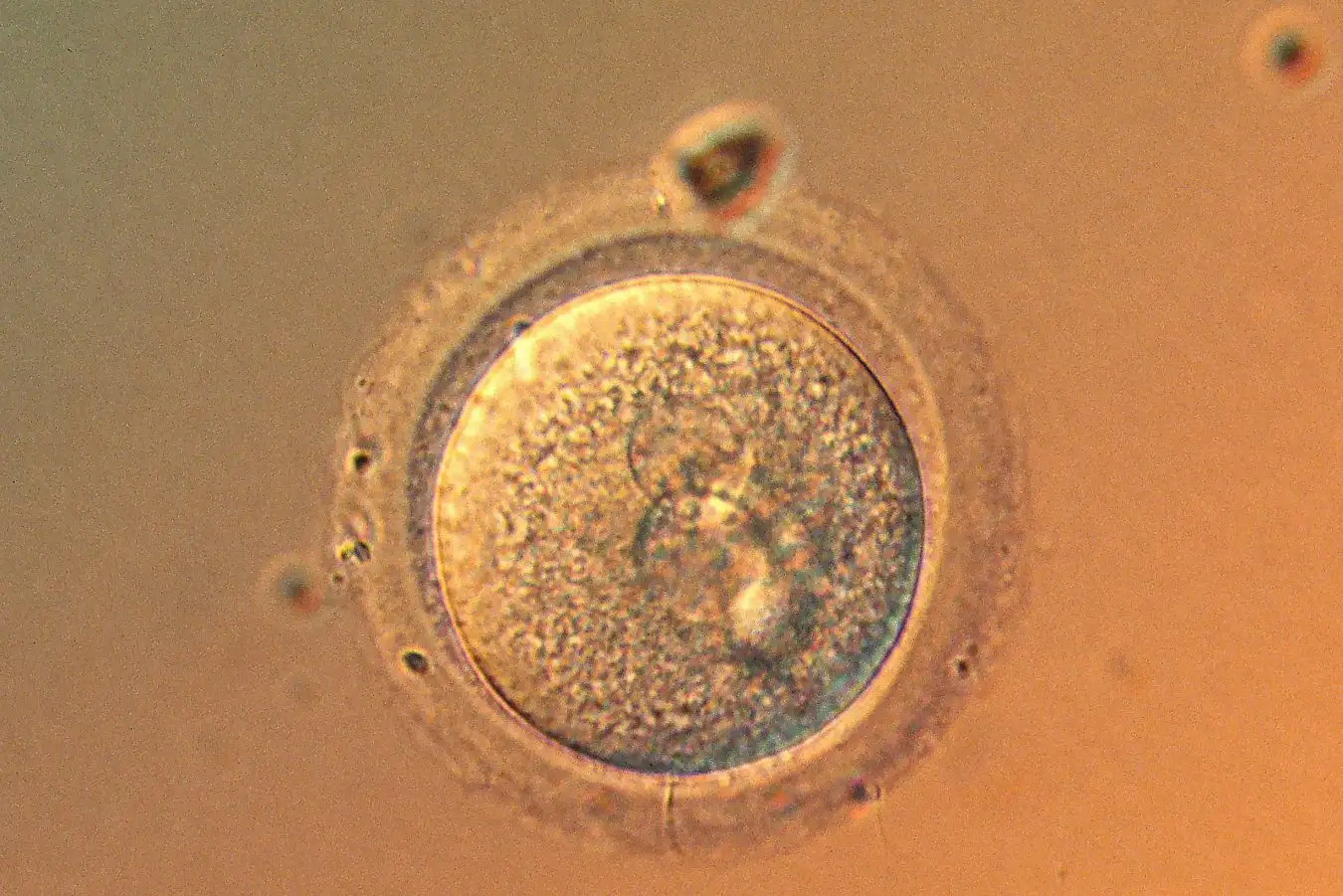
New research, however, has found that it’s now possible to edit the DNA of human embryos with unprecedented precision, suggesting that human germline editing might be possible in the relatively near future. Scientists, however, have warned that significant obstacles remain before they reach the point where it’s possible to safely edit viable human embryos.
“Six years ago, I thought the use of gene editing in human embryos was a non-starter,” said Amander Clark, a professor of molecular cell and developmental biology at the University of California, Los Angeles, and director of the UCLA Center for Reproductive Science, Health and Education.“This work restores the possibility that gene editing for therapeutic purposes could be possible with IVF embryos in the future,” Clark, who wasn’t involved in the research, said via email.