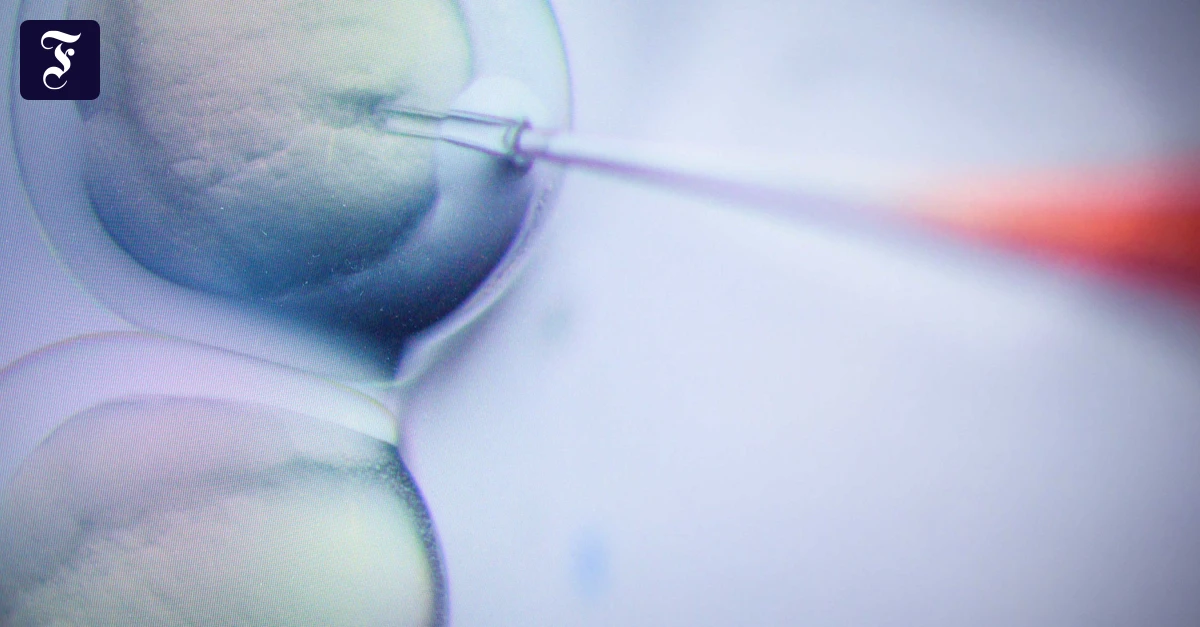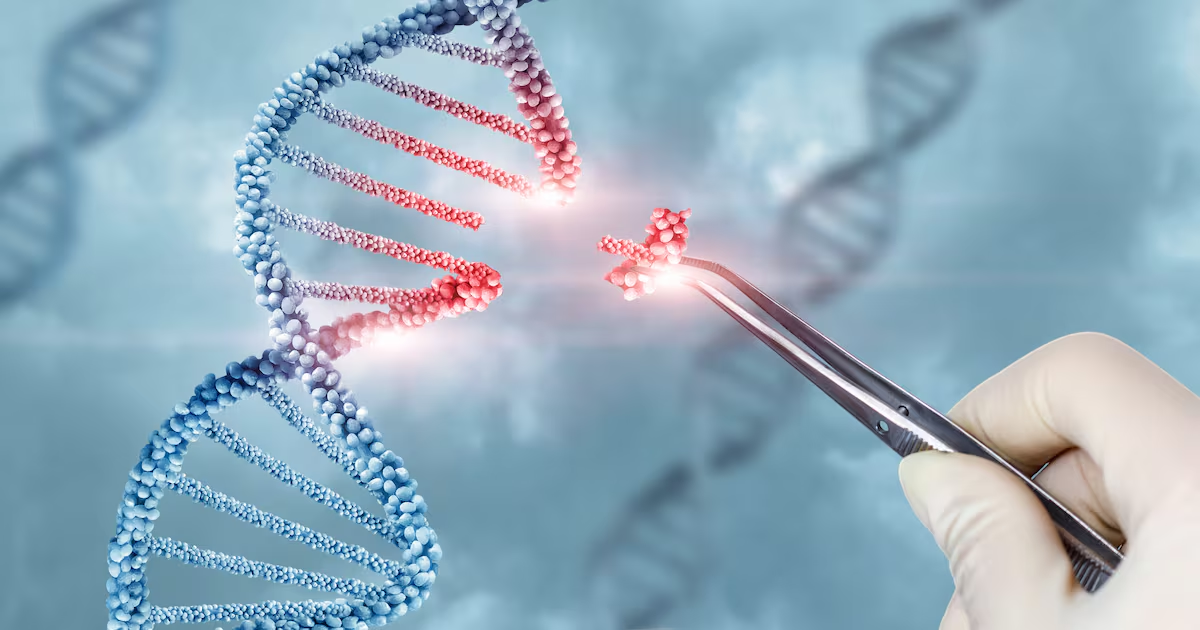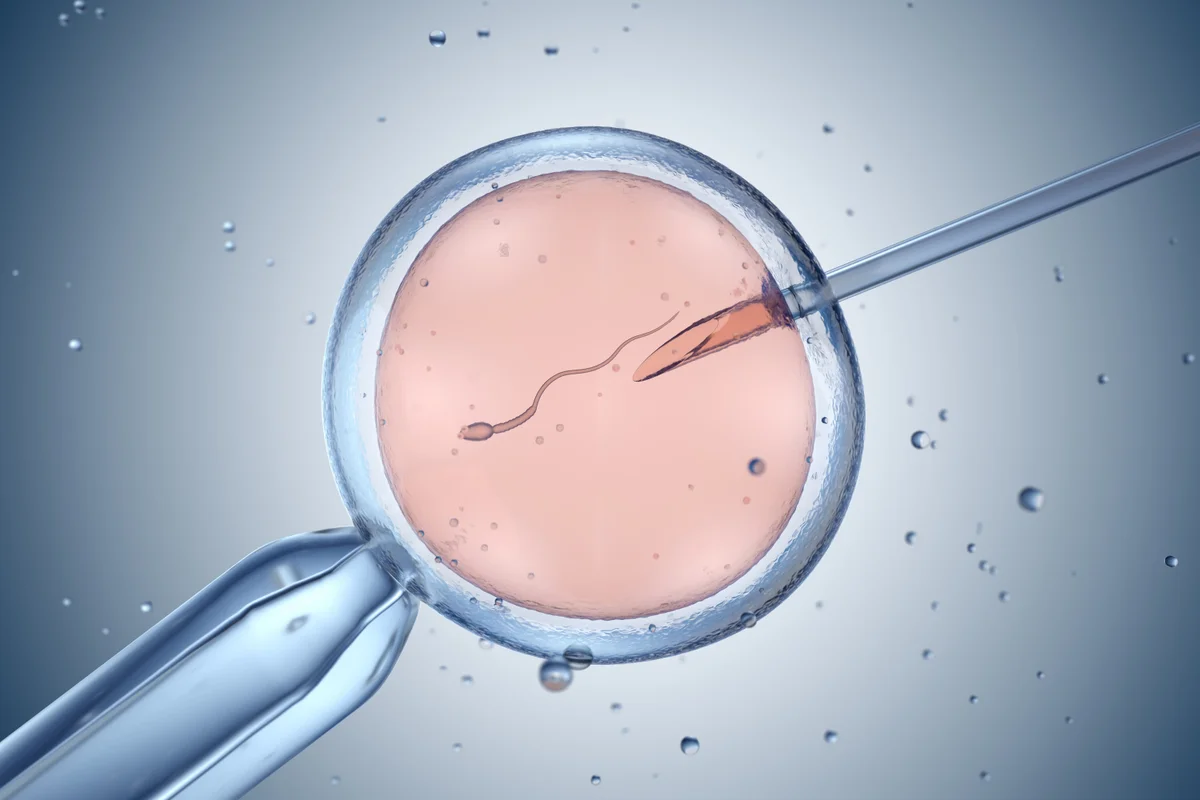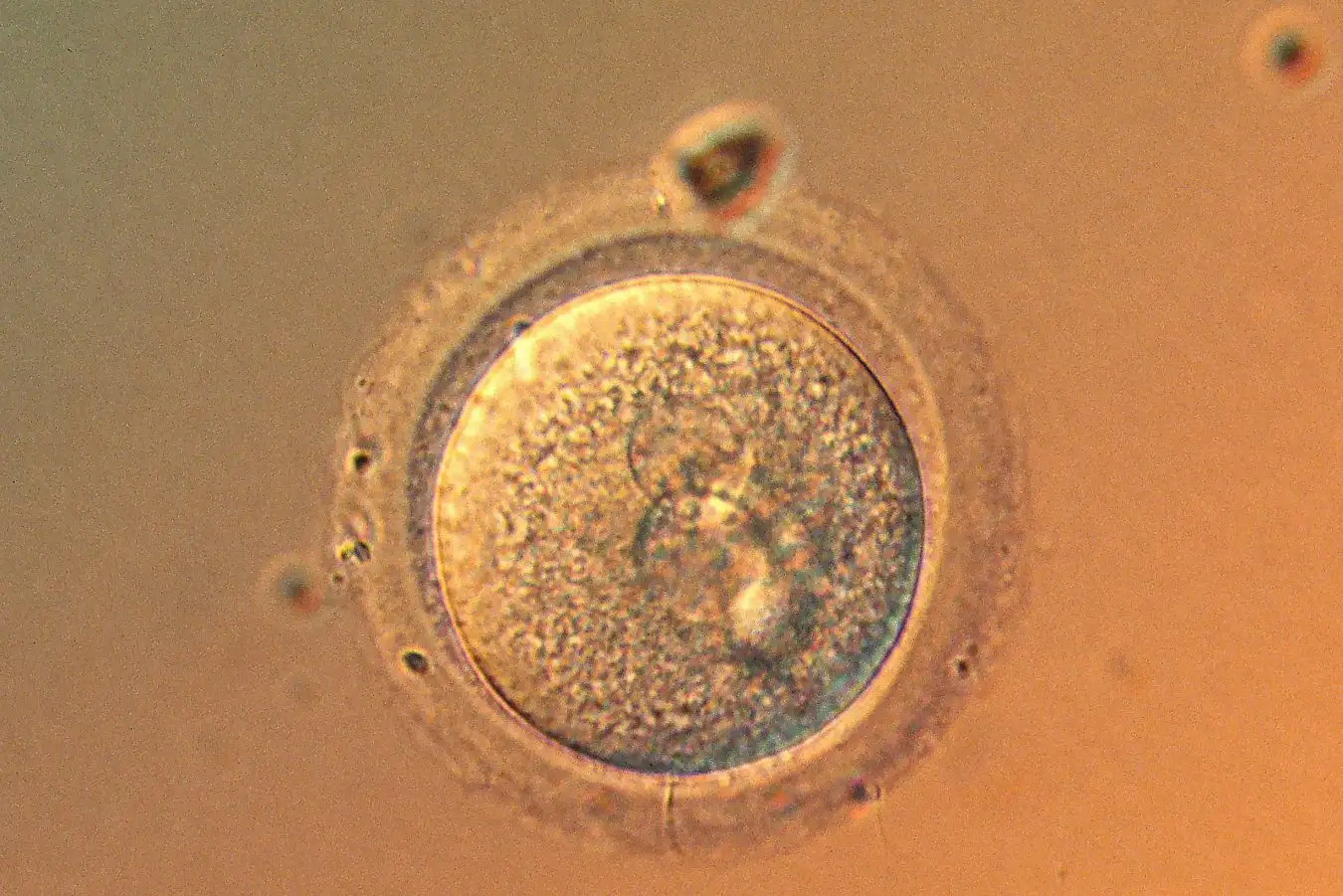
What if you could precisely change the genome of a pre-implantation human embryo and then safely use that embryo to try to generate a healthier person? It’s a wild idea, but one that technology over the past decade has steadily made a bit less fantastical, at least practically speaking.
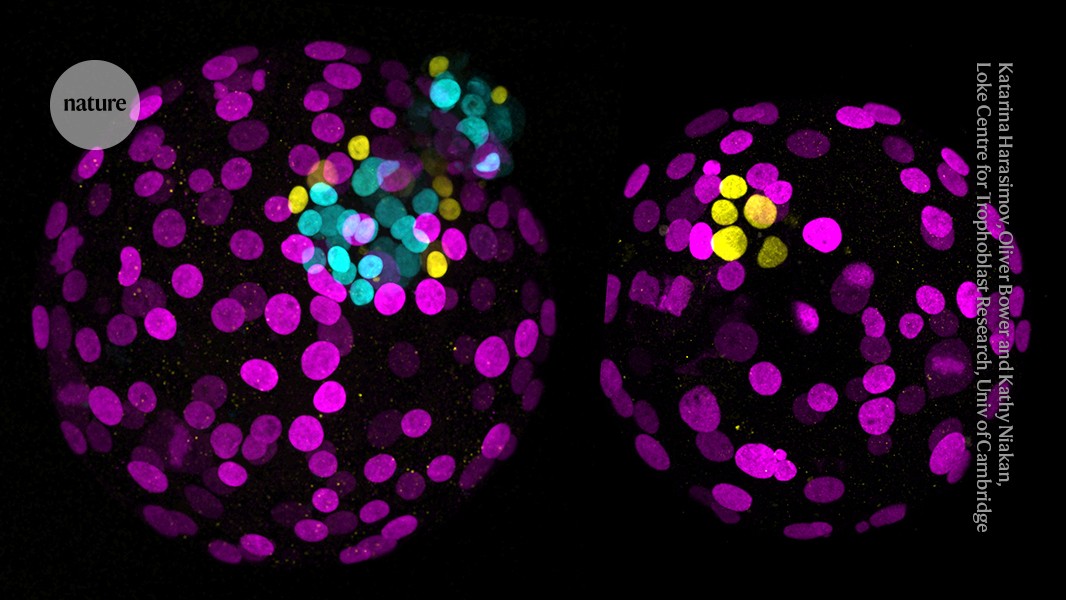
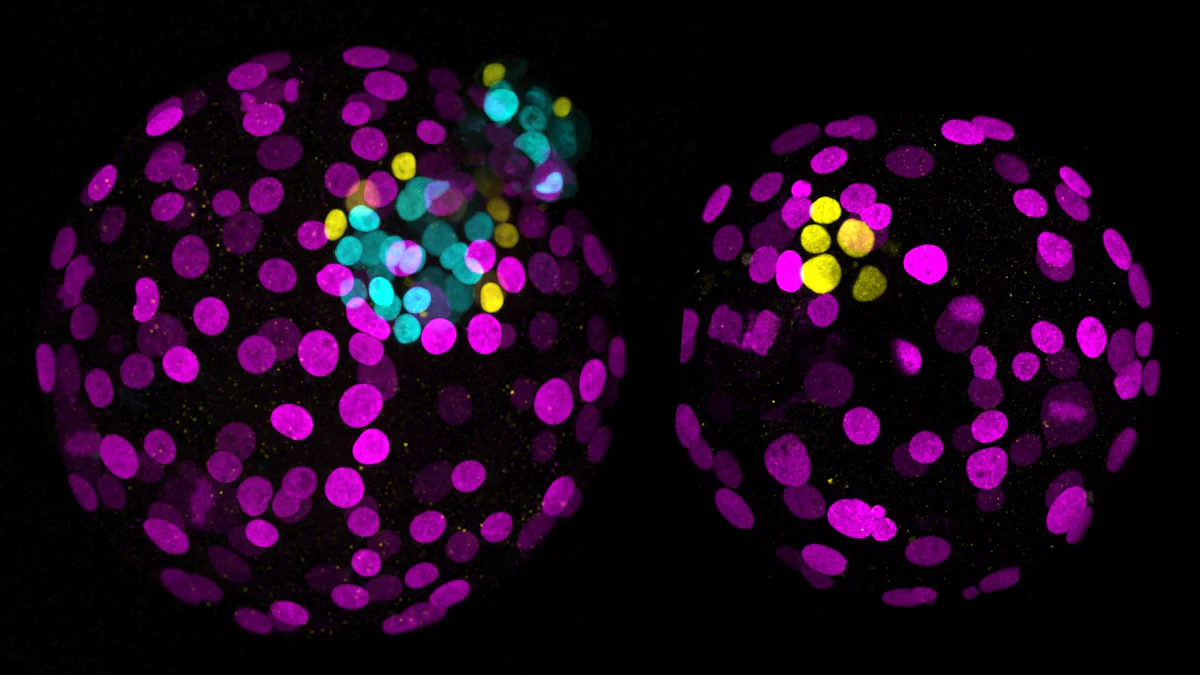
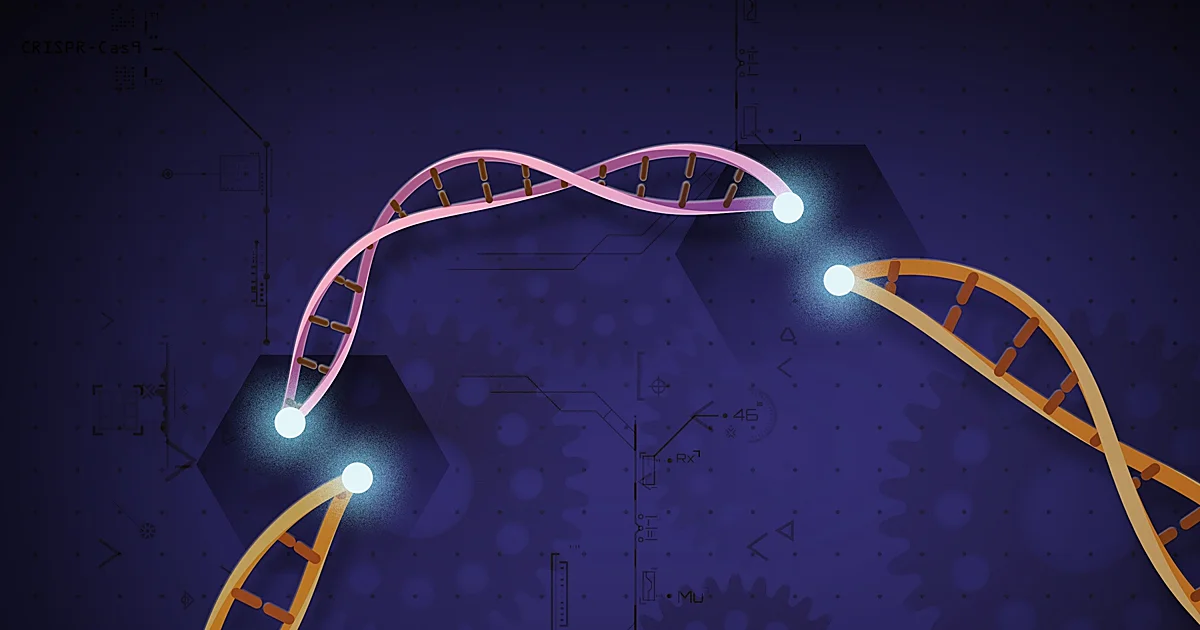
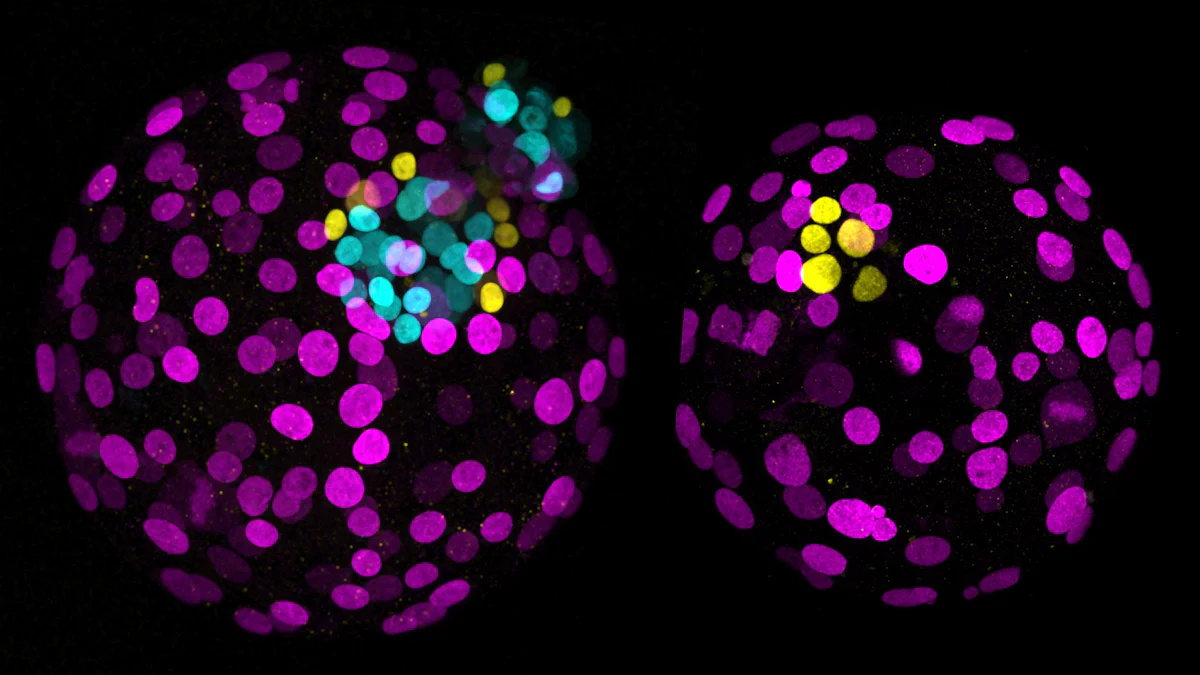
But even as CRISPR gene-editing research has advanced, including exciting work reported in a new preprint on base editing of human embryos from geneticist Dieter Egli’s lab at Columbia, the same tough ethical questions remain.
Some are opposed even to strictly lab-based human embryo editing with no intent for reproductive applications. In addition, bioethicists quickly raised concerns about possible future implications of the new study. While Egli was quoted as saying that scientists like him provide the data and “there you stop and let others take over” the discussion, I disagree. We scientists need to be deeply involved in the discussions.
I don’t support a ban on laboratory gene editing of human embryos like the Egli research, but I’ve long argued for at least a temporary moratorium on heritable human gene editing while a wide range of people, including scientists and the public, establish appropriate ethical guidelines. I’m not naive enough to think that there can be full international harmonization on what should be in such guidelines, but the dialogue must continue.