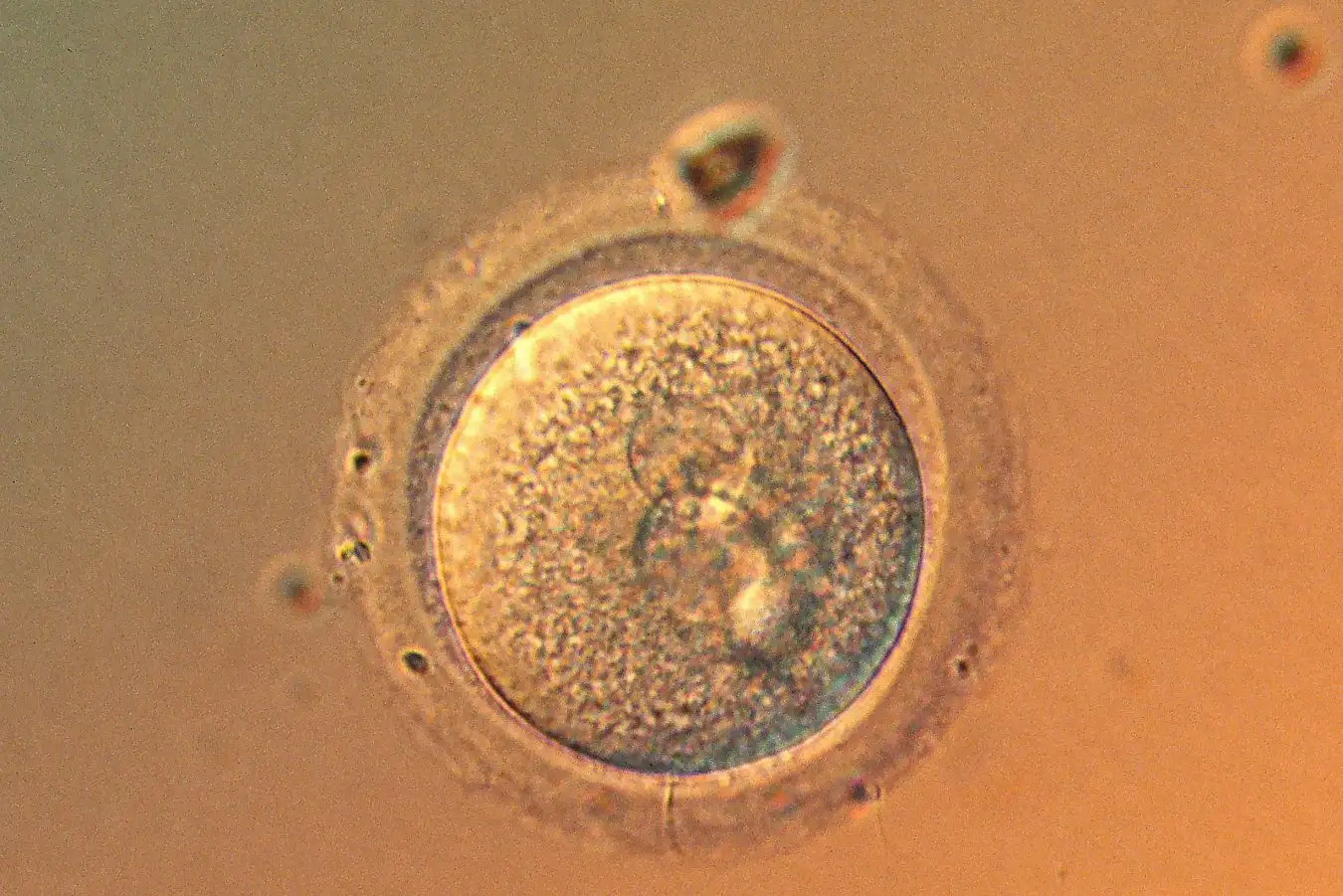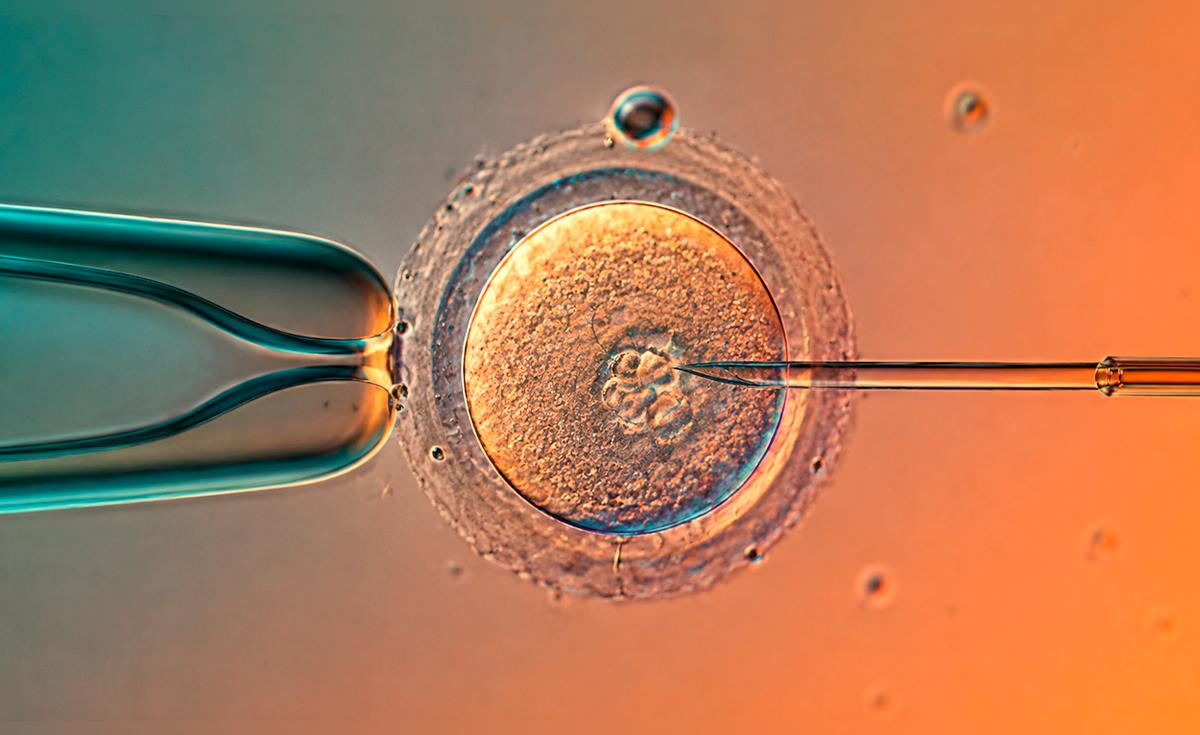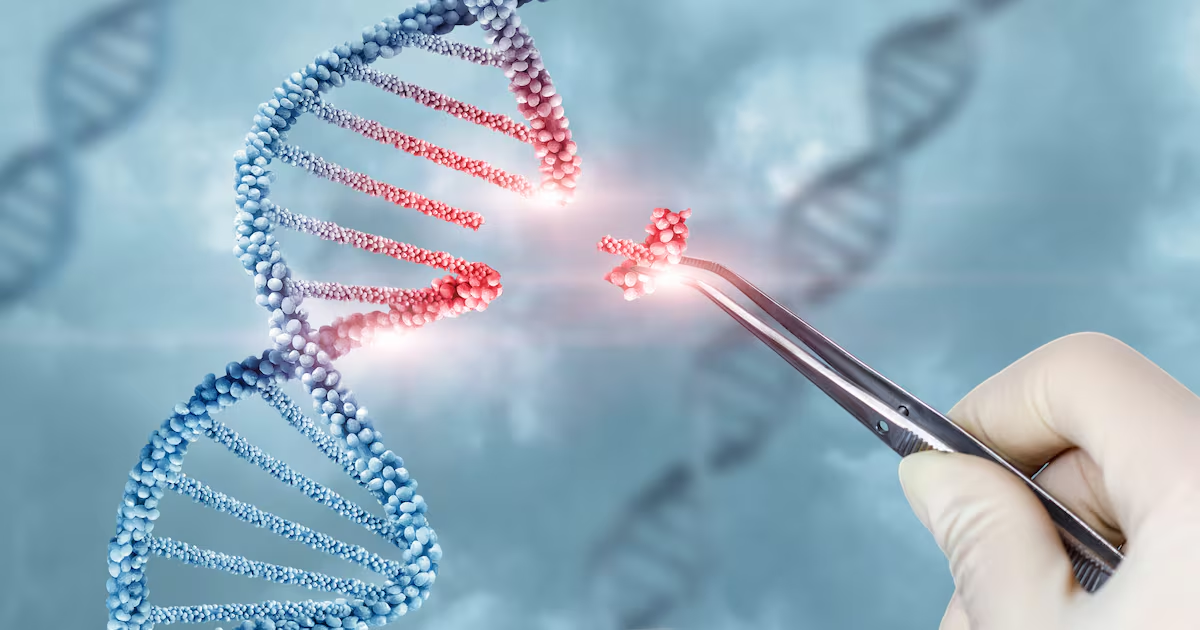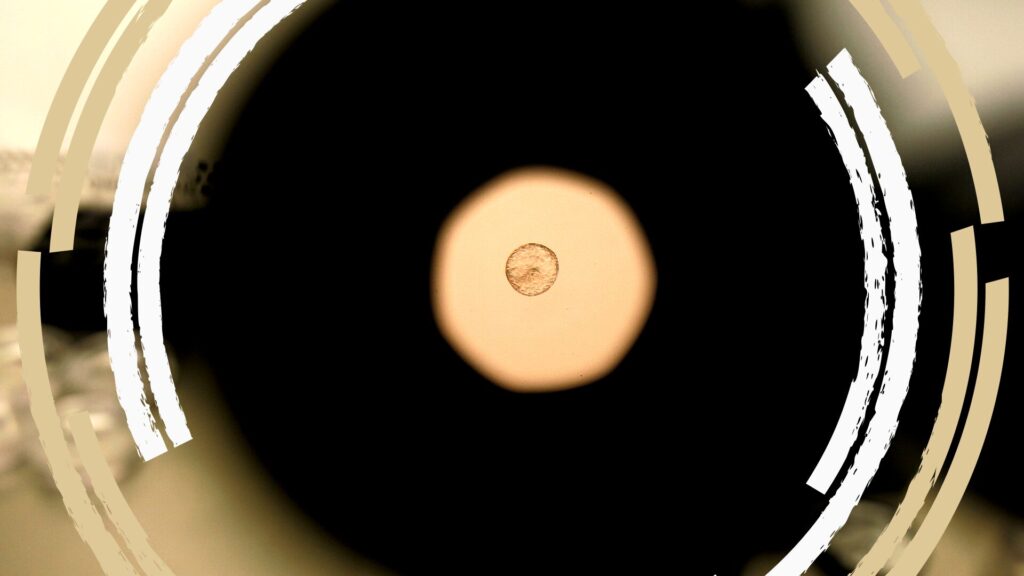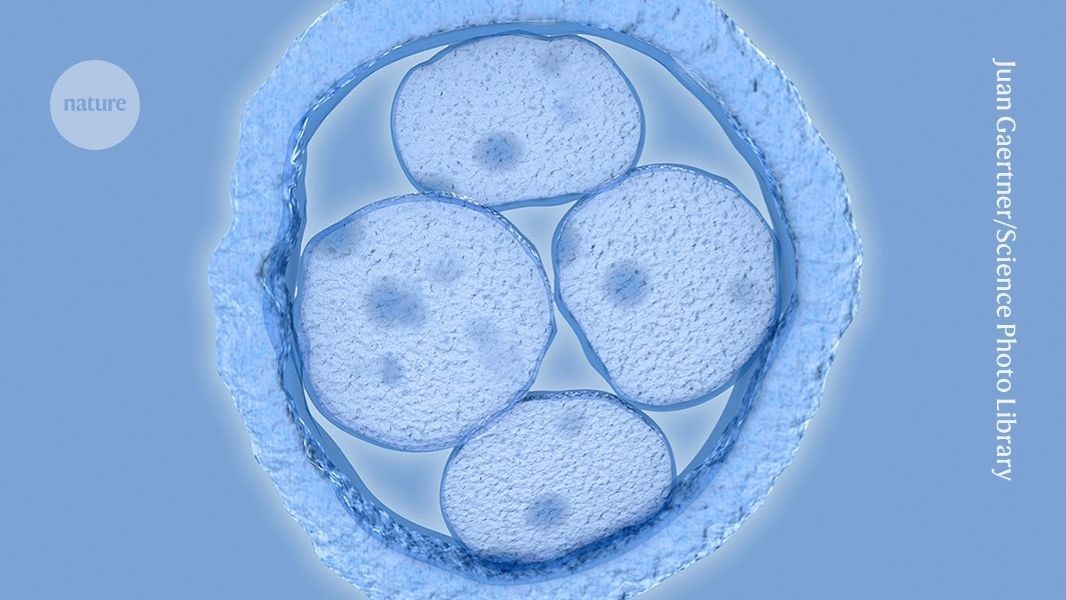
A four-celled human embryo. Credit: Juan Gaertner/Science Photo LibraryResearchers say they have used a precise genome-editing technique called base editing to alter the genome of human embryos for the first time. The announcement has prompted excitement and caution among scientists and bioethicists. Many say the work is an impressive step towards scientists being able to fix disease-causing mutations in embryos. But others worry the technology could be deployed to try to create embryos with traits such as superior intelligence. Dieter Egli, a developmental cell biologist at Columbia University in New York City and his colleagues posted their results on the bioRxiv preprint site on 1 June1. The study, which was first reported by The New York Times, has not yet been peer reviewed.‘Biotech Barbie’ says the time has come to consider CRISPR babies. Do scientists agree?Previous studies had suggested that the use of a standard but less precise form of gene editing in embryos can cause the loss of the edited chromosomes — an effect that made the technology unusable in embryos. The new work is “a conceptual shift ... that really has the potential to move the field forward,” says Emre Seli, an obstetrician and gynaecologist at Yale University in New Haven, Connecticut. "This will go down in history in a positive way — less reckless, more careful and ethical than previous attempts,” says Greg Neely, a genomics researcher at the University of Sydney in Australia. But some researchers expressed concern about the implications of the work. Hank Greely, a biomedical ethicist at Stanford University in California, worries that affluent individuals might be inspired by the study as a jumping off point to base-edit their embryos. “You could set up an [in vitro fertilization] lab and a genetic testing lab for probably a handful of millions of dollars and start doing this. ... And one result might be really sick kids,” says Greely.Egli responds that data in his preprint show such an effort would be premature because of the risks of applying base-editing to embryos. Gene-edited babies The field of genome editing still lives with the memory of Chinese scientist He Jiankui, who in 2018 used a first-generation genome editing technique called CRISPR-Cas9 to edit the DNA of human embryos. He then implanted those embryos into two women who went on to give birth to babies. His work provoked widespread outrage among scientists who said the technology was too risky to be used in people, and He ultimately spent three years in prison for illegal medical practice in China. He told The New York Times in January that he was “very proud” of his work. The CRISPR-baby scandal: what’s next for human gene-editingBase editing is a second-generation gene-editing tool that allows scientists to make precise, single-letter changes to DNA. Although base editing can make unwanted genetic changes, it is more reliable than the older CRISPR technique, which cuts both strands of DNA and increases the risk of unwanted genetic changes. Egli and his team used base editing in early-stage human embryos to make single-letter changes in three genes. One, called PCSK9, helps to regulate levels of ‘bad’ cholesterol in the blood and is already the target of several treatments used to reduce the risk of heart attack or stroke. The other two genes, called HBG1 and HBG2, are involved in fetal haemoglobin production. Researchers are studying whether these genes can be tweaked to treat blood disorders such as sickle cell disease and thalassemia.Mosaic effects For PCSK9, the Columbia team made a single tweak, changing an A to a G at a specific spot in the genome, which had the effect of switching the gene off. Other, naturally occurring versions of the gene that also cause it to switch off have been shown to reduce the risk of coronary heart disease. In HBG1 and HGB2, the researchers also made an A to G single base change. This mimicked a natural mutation that helps to produce a protective type of haemoglobin that can reduce the symptoms of sickle cell disease and thalassemia. But the edits did not occur uniformly across cells: some had the new letters while others retained the original, a phenomenon called mosaicism. Egli says that since experiments described in the manuscript concluded, his team has improved their procedures to reduce mosaicism. He also says that the technology is not ready for the clinic, because, at excessive doses, the snippet of mRNA used to introduce the DNA editor to cells caused the cells to stop dividing. “These base editors — they can have damaging effects on the embryo. So why would you use it if you don’t fully understand that?” he says. In its current form, “you can’t use it. It’s as clear as day and night.” Concerns and criticism Several researchers expressed concerns about the implications of the work. Both Neely and Fyodor Urnov, who studies molecular therapeutics at the University of California, Berkeley, for example, note that in vitro fertilization (IVF) and genetic screening are already used to prevent couples from passing on a genetic condition to their offspring. Editing the genomes of human embryos to treat disease is “a solution in search of a problem”, says Urnov. “In practical terms, therefore, this preprint will solely impact the rapidly growing movement of embryo editors for purposes of ‘baby improvement’.”
First precise genome editing of human embryos triggers praise and alarm
The lead scientist on the use of ‘base editing’ in very early embryos say that the technique is far from ready for the clinic, but critics worry that the work will spur a rush to commercialization.
882 words~4 min read