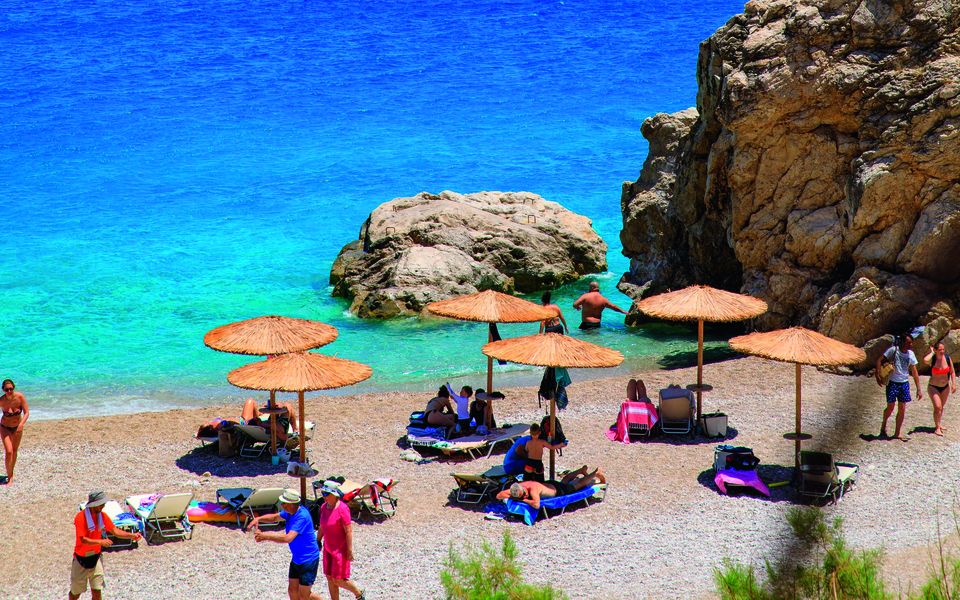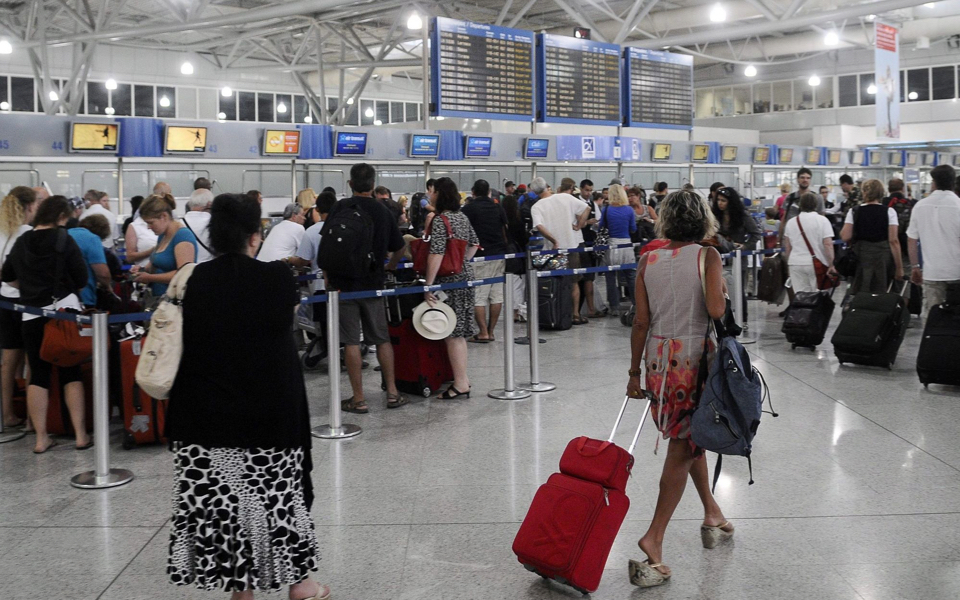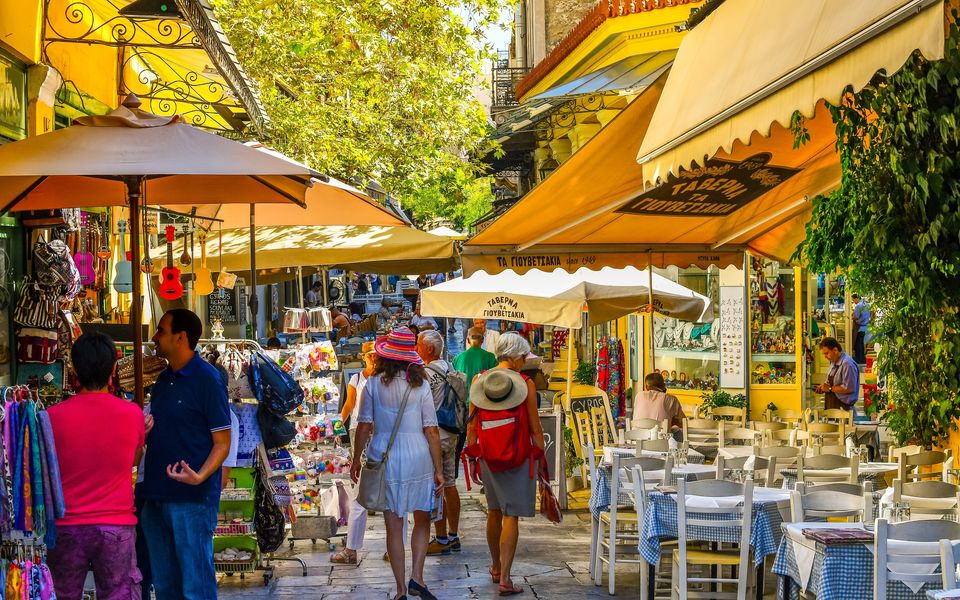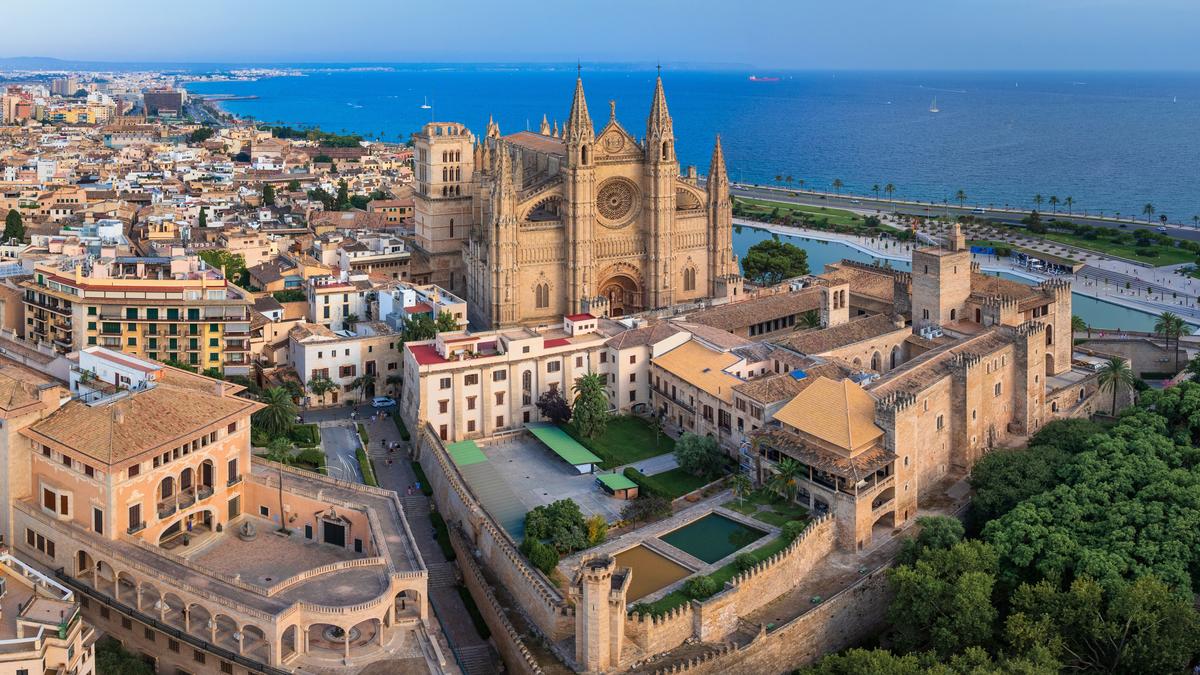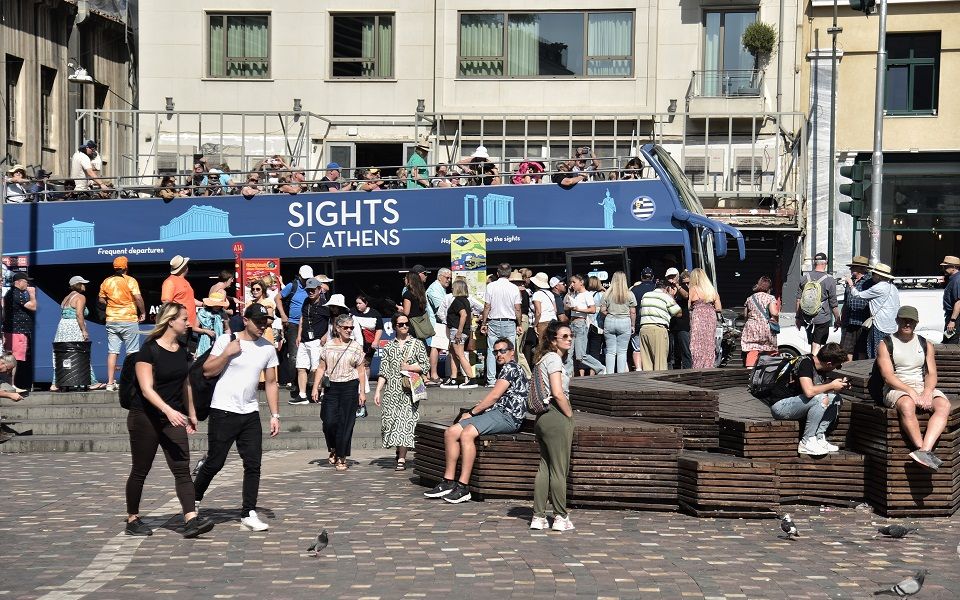
The behavior of European travelers is changing, directly affecting both the preferred vacation periods and the selected destinations. The trend for traveling to locations with less congestion, in periods outside the summer peak, as well as the increase in (city breaks) in the Old Continent, is now evident.
This phenomenon is also clearly reflected in Greece, which attracts increasing tourism flows, not only to Athens, but also to Thessaloniki throughout the year.
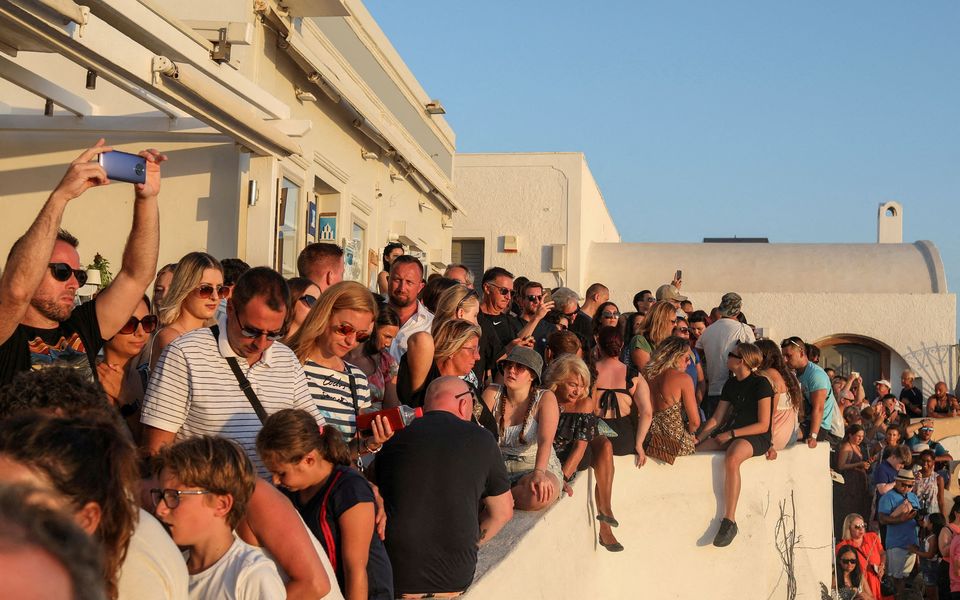
For Greek tourism, these findings are like a wake-up call, as well as a reason for a strategy shift. In iconic and internationally recognized destinations in the country, such as Mykonos and Santorini, the image of suffocating alleys, long waits and the exhaustion of local infrastructure – from water networks to transport – during the peak of summer is now causing obvious dissatisfaction among a significant portion of high-end travelers.
These destinations are at risk of losing their attractiveness in the eyes of an audience that now refuses to suffer during their holidays and puts the quality of the overall experience at the forefront.
A new European Travel Commission study shows 64% of Europeans register a strong travel intention and the willingness to make significant consumer spending. In particular, eight out of 10 are planning trips within Europe, while four out of 10 are budgeting for expenses of more than €1,500. These are travelers who are turning to alternative destinations, choosing longer stays and traveling more frequently outside peak periods: So, 51% are heading to less popular destinations, while 10% of travelers are choosing more remote areas.