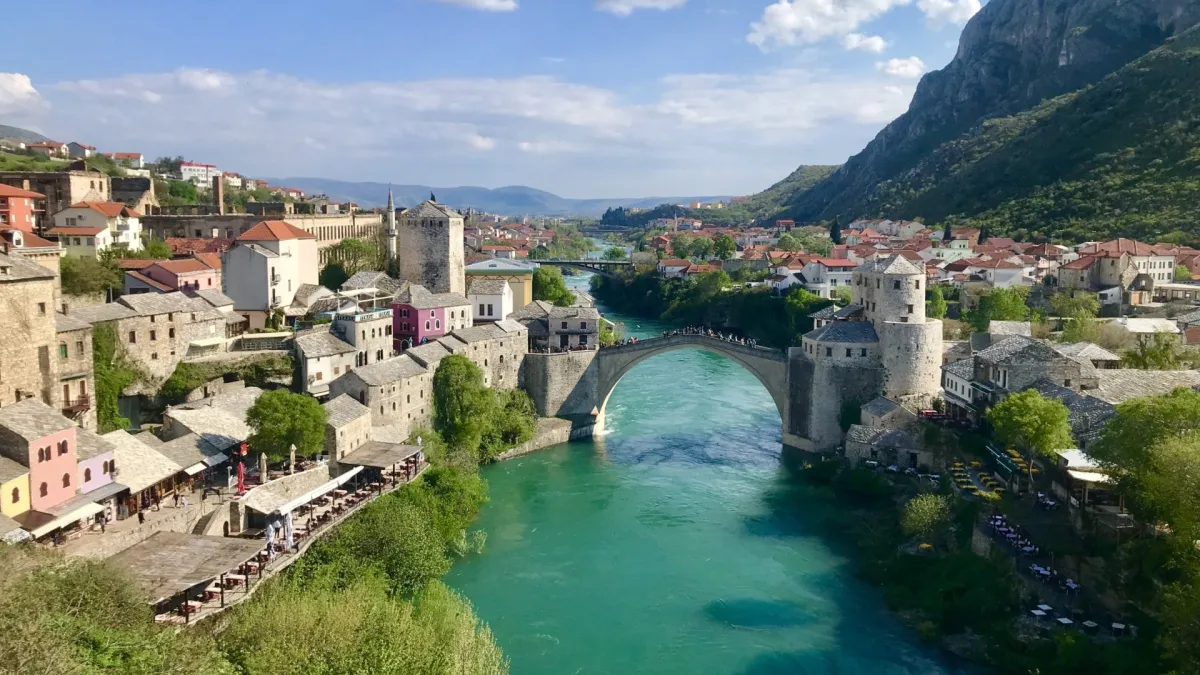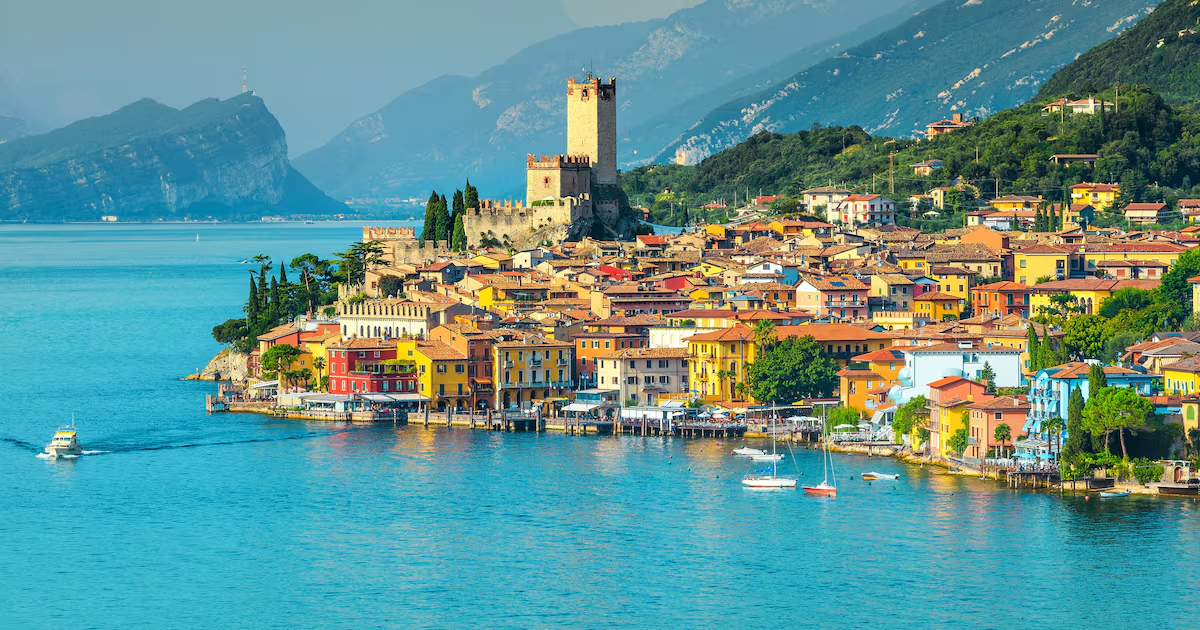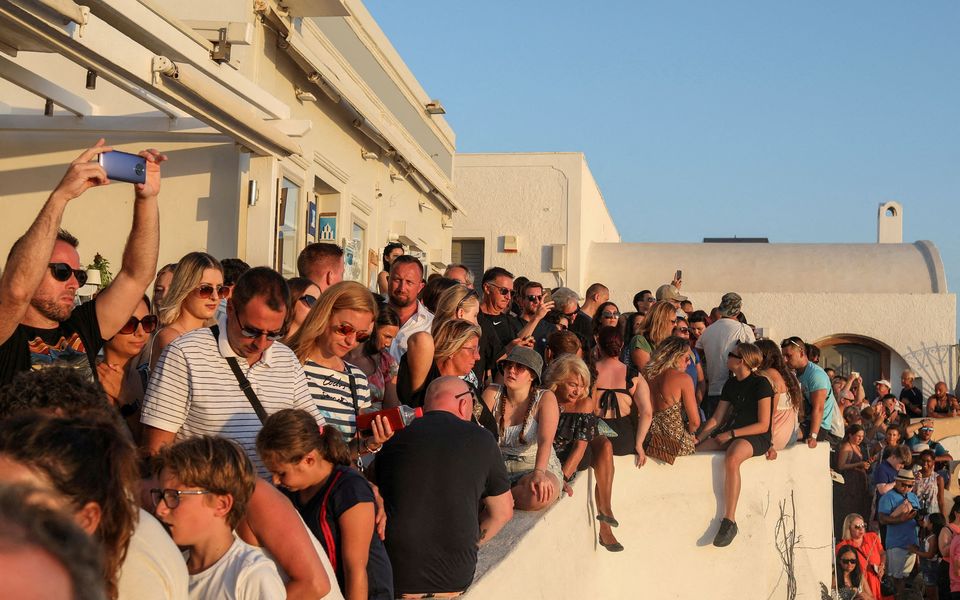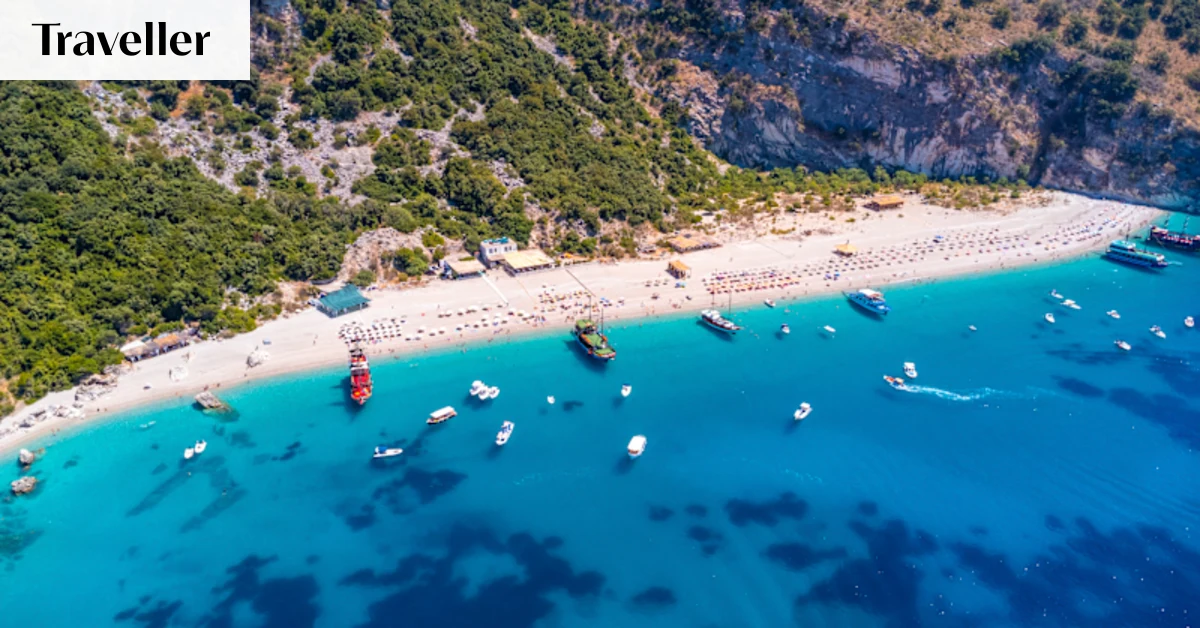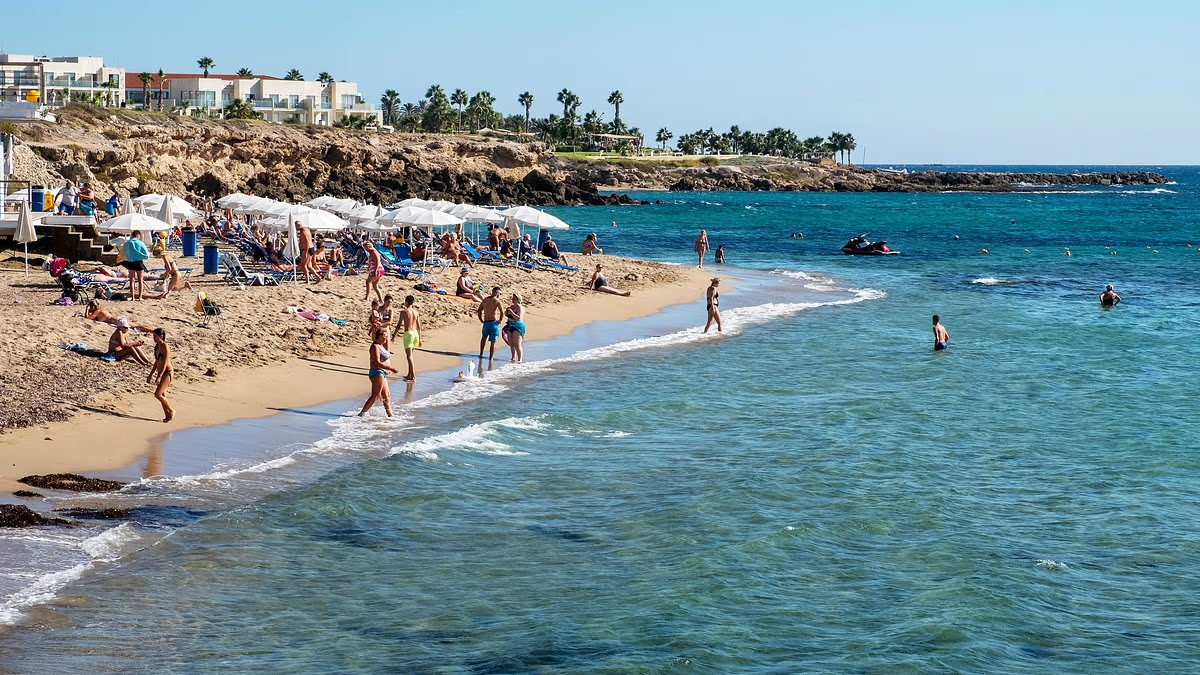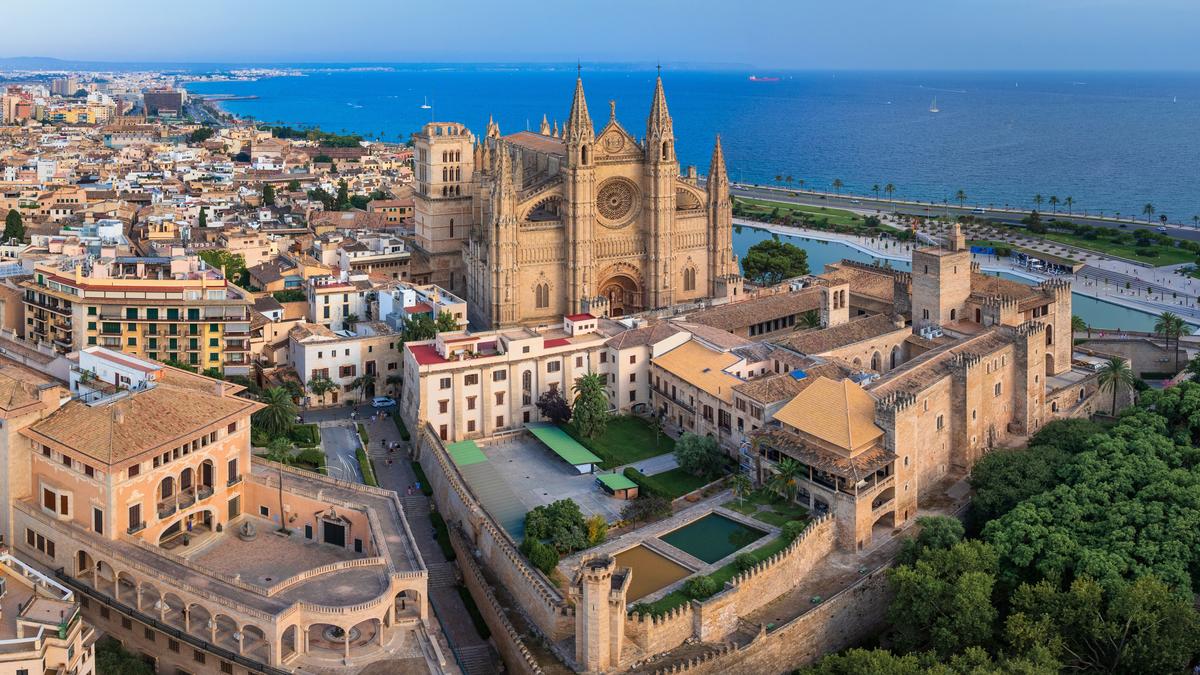
For years, Indians have followed a familiar pattern when planning European holidays. Their travel to Europe is largely concentrated between May and September, with demand peaking during the May-June school-holiday window and continuing through the European summer months of July and August. Most trips happen when the region is warm and sunny. But these months also mark the region’s peak tourist season, making destinations both crowded and expensive.Travellers are also rethinking their holiday plans, as unrest in the Persian Gulf and subsequent restrictions make travel to this region challenging and connections to North America costlier. Airlines too have shifted their focus, with carriers such as Germany’s Lufthansa adding more flights to Europe. In 2019, Europe recorded an estimated 270 million international tourist arrivals during the core July–August period; by summer 2025, that figure exceeded 300 million. Travel is heavily concentrated in a handful of destinations and weeks, and the pressure on infrastructure has intensified dramatically. Cities and islands, including Barcelona, Venice, Santorini, Amsterdam, and parts of coastal Spain are now dealing with soaring summer visitor numbers. Travelling outside the busy season can, however, completely change your experience. Between April and June and September and October, with fewer tourists, you stand a better chance to book hotels at cheaper rates and witness shorter queues at ticket counters and popular destinations.
Europe without the crowds: Why off-season travel is having a moment
Discover the benefits of off-season travel in Europe, enjoying quieter destinations, lower costs, and a more relaxed experience
1,161 words~5 min read