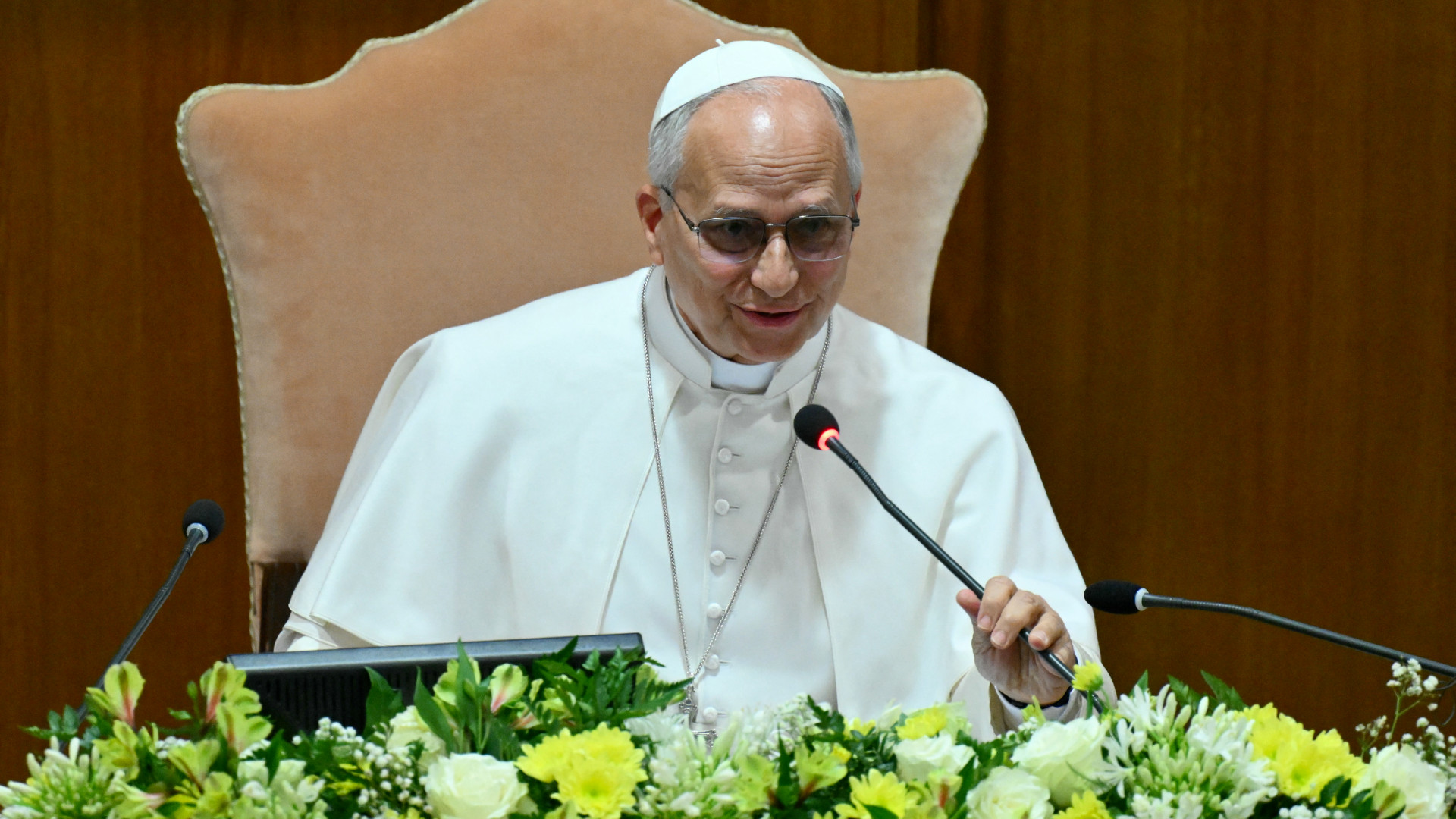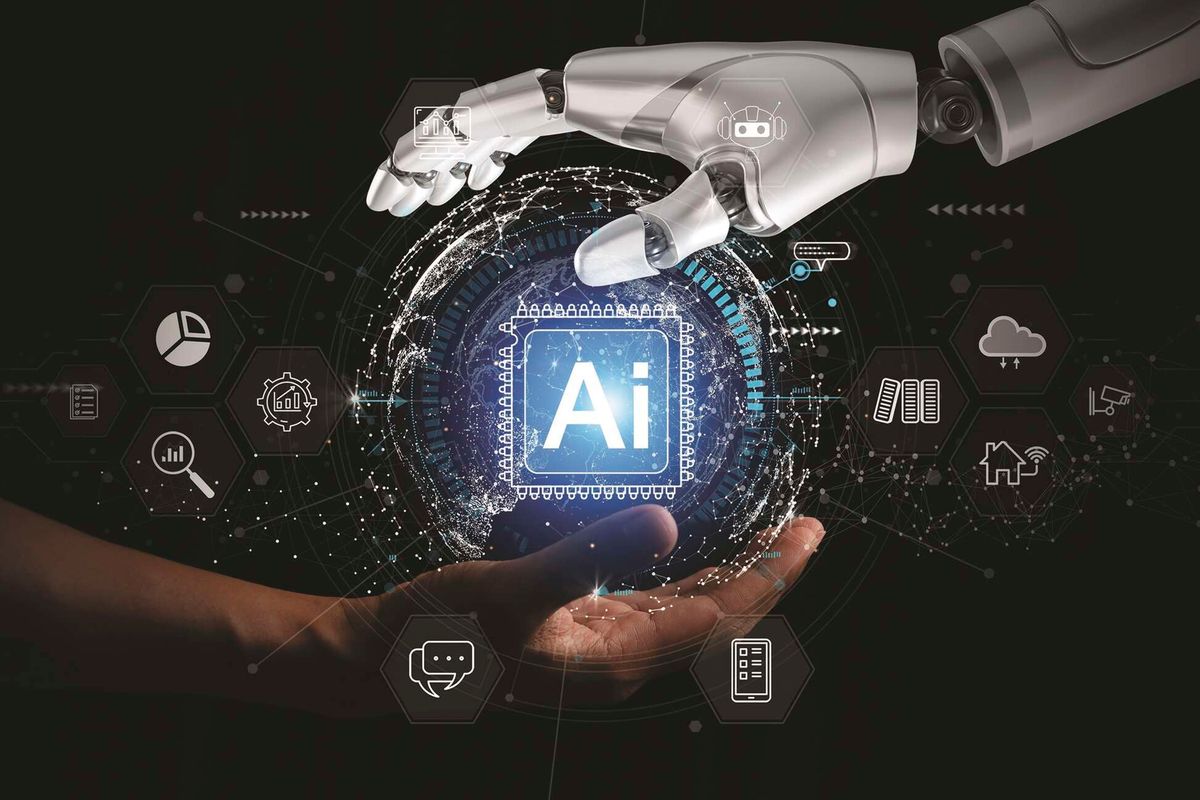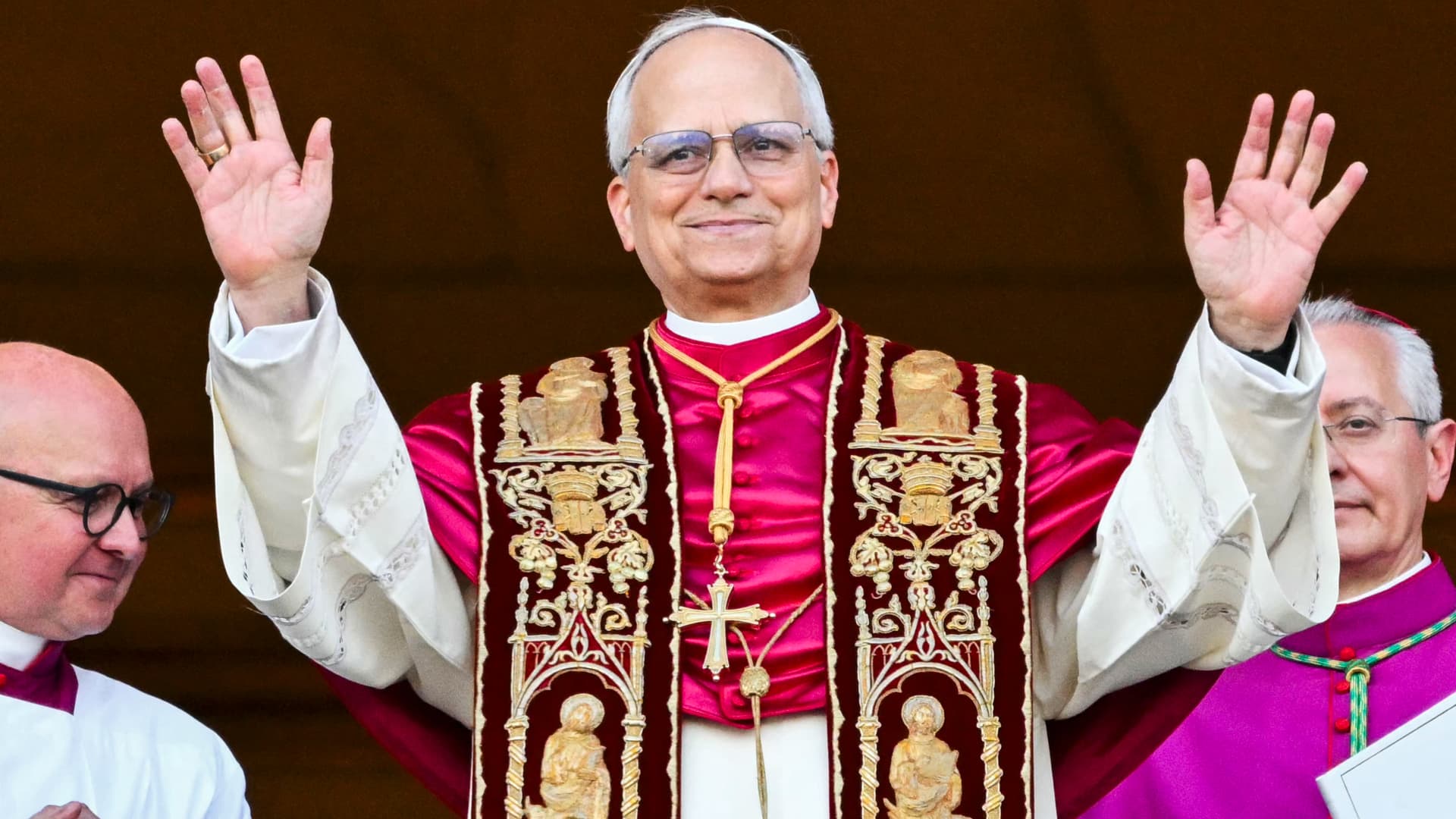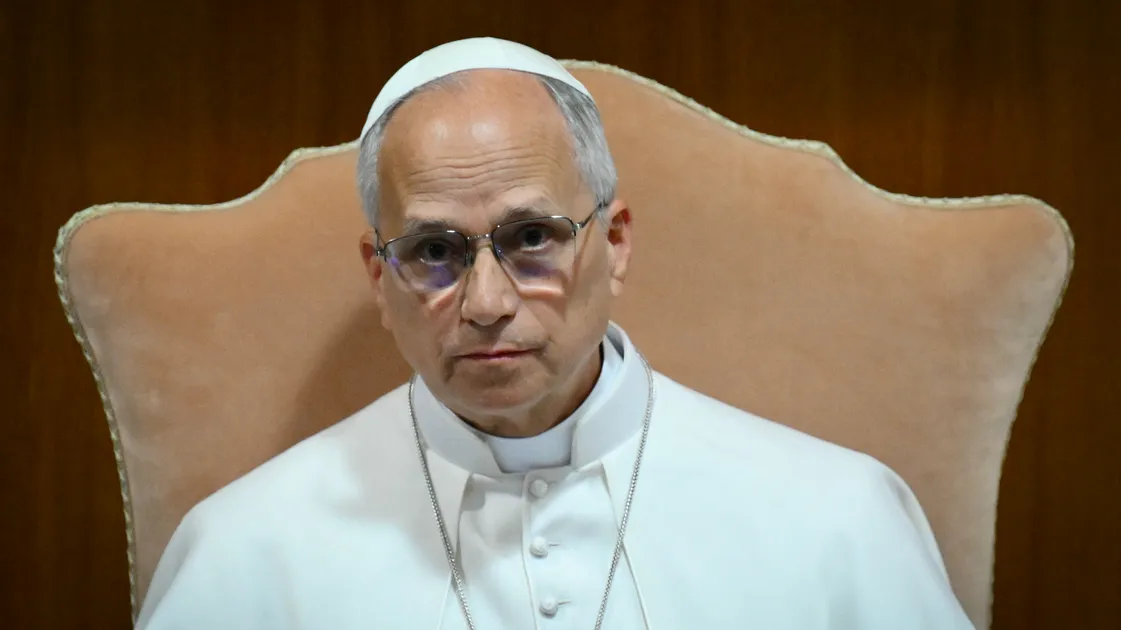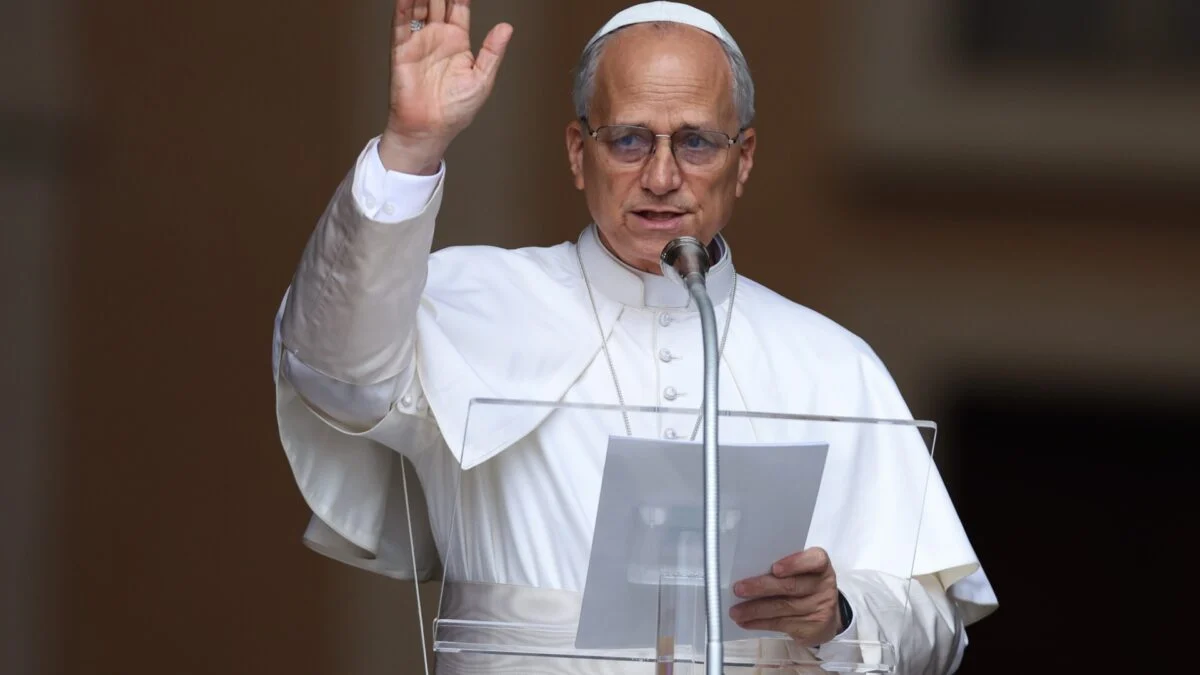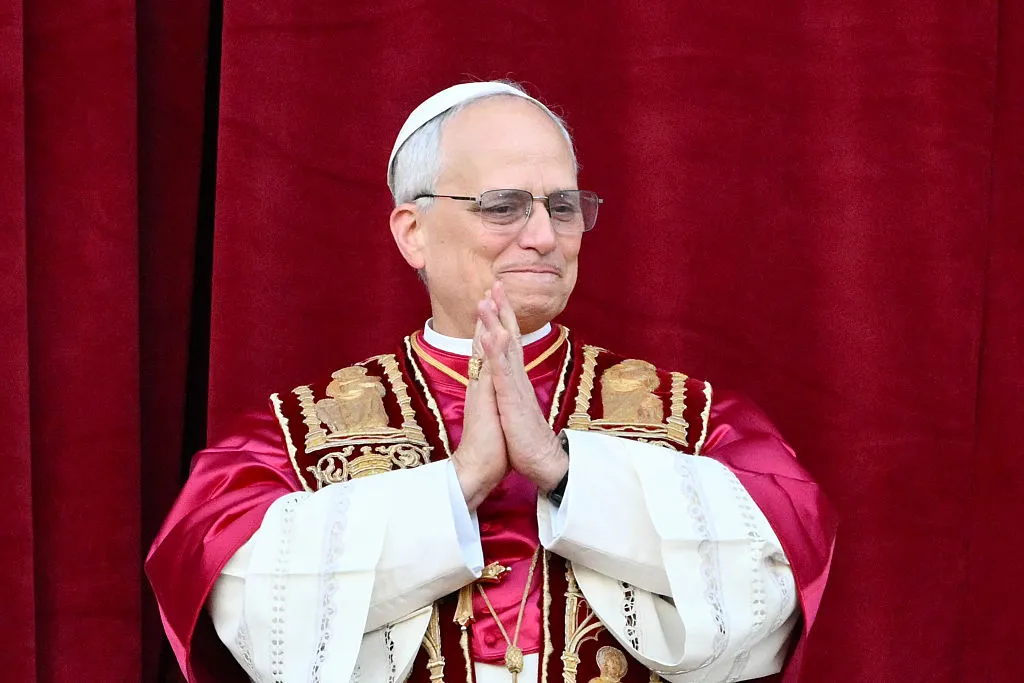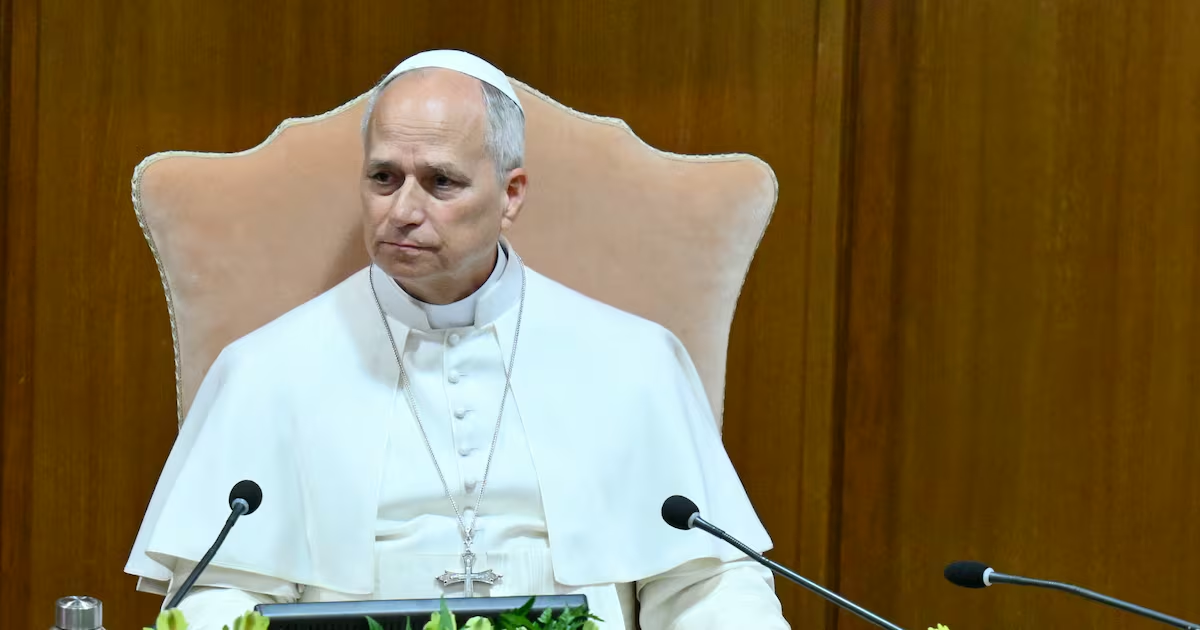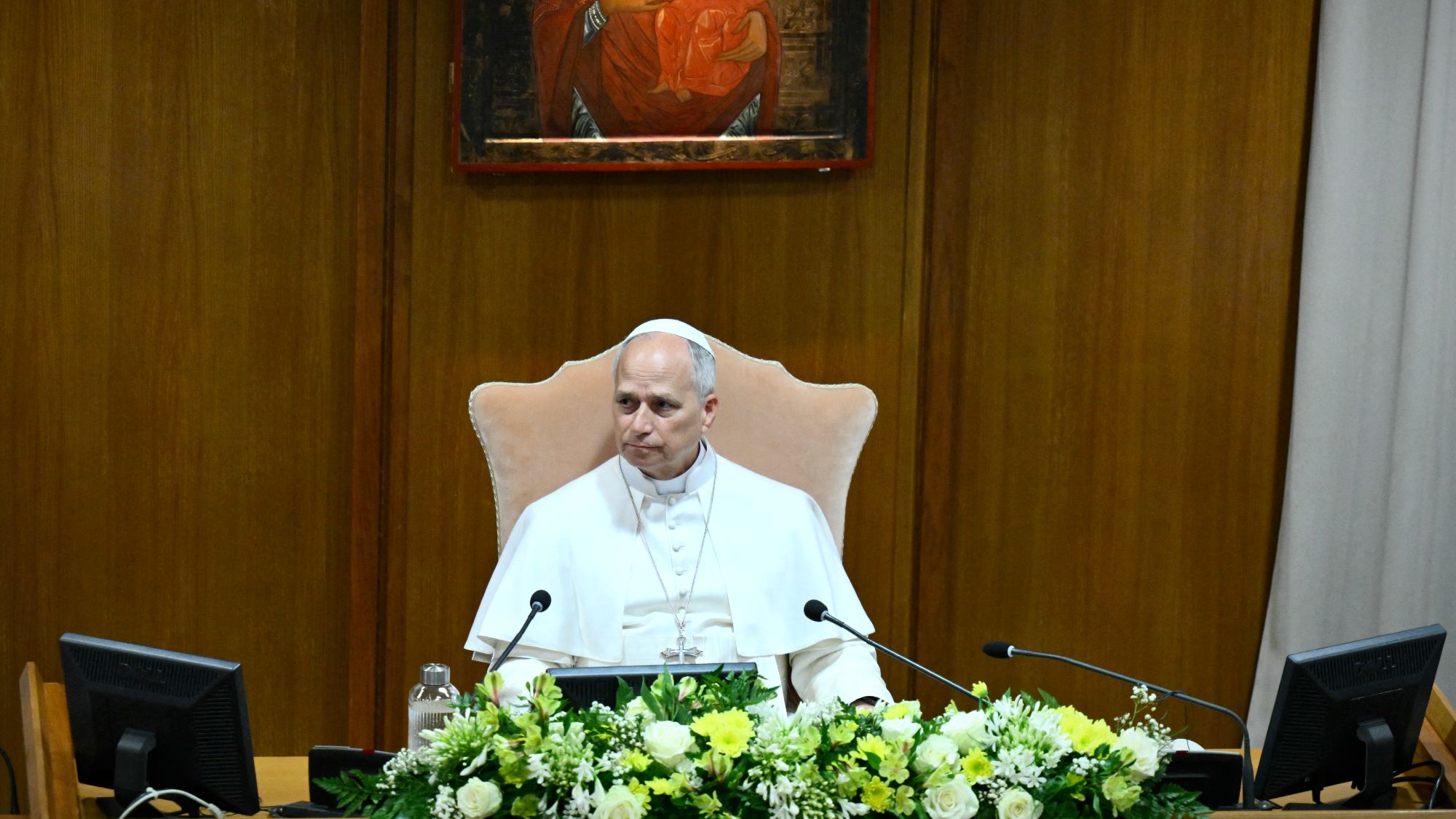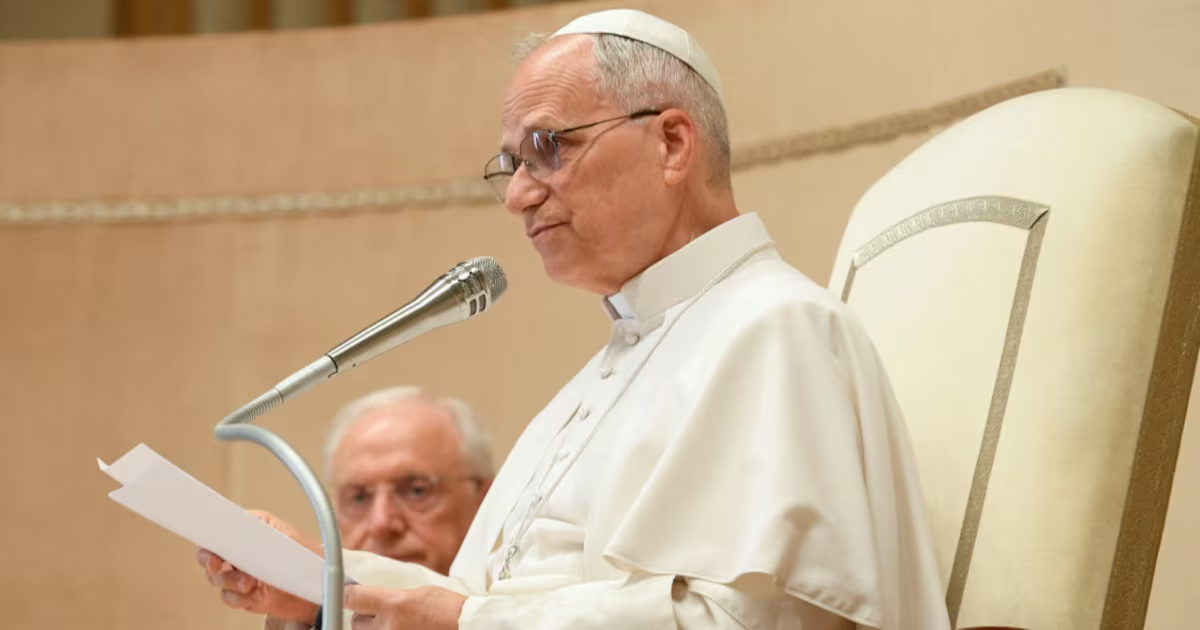
If you had never heard of the word encyclical until last month, you’re not alone.This ancient tradition of papal teaching from the head of the Catholic Church was virtually unknown until Pope Leo XIV issued an encyclical last month. He preaches against “a new Tower of Babel” in the form of AI, among other pleas for people to be nicer and kinder to each other. It is both a characteristic and a flaw that the most important debate about this significant new technology and its societal impact is being led by the chief of an ancient religion that once vilified science. But it takes a personage of Pope Leo’s standing to remind everyone of the true perils of this new age of automation: that what truly defines us is our humanity and we must protect it.His encyclical comes at just the right time for a new technology that is expected to profoundly change the way we work and its impact on our lives.“In the era of AI, when human dignity is threatened by new forms of dehumanisation, ours is the pressing duty to remain profoundly human,” said the man who is the spiritual leader of 1.4-billion Catholics.“I ask everyone to abandon the construction of yet another Tower of Babel and to join forces in building up the common good so that humanity will never lose its beauty,” he added in his encyclical Magnifica Humanitas (magnificent humanity), which has deep and meaningful thoughts about the impact of this new wave of AI automation.Notably, Leo took his naming inspiration from Pope Leo XIII, who published an equally significant encyclical called Rerum Novarum on May 15 1891, 135 years ago, about the industrial revolution, which itself wrought major changes on the nature of work.Leo quotes Pope Francis from 2015 that “never has humanity had so much power over itself”. Just over a decade later, that previous papal admonishment is even more stark. Google and Facebook have amassed vast surveillance capitalism networks that literally earn money off people from just surfing the web or using their apps. We are all tiny batteries ― like the ones that keep the lights on in The Matrix ― fuelling the vast networks of programmatic advertising. AI is only going to supercharge that. Witness the widespread glut of AI slop already.“Technology has the power to heal, connect, educate and protect our common home; but it can also divide, exclude and generate new forms of injustice,” writes Pope Leo. “Technology in and of itself is not a solution to humanity’s problems, just as it is not inherently evil. In practice, however, technology is never neutral, because it takes on the characteristics of those who devise, finance, regulate and use it.”Right now, “those” are Silicon Valley elites such as Mark Zuckerberg and Elon Musk, with super-voting rights in their respective companies so their authority goes unchallenged.They are not elected or accountable to a board or any higher power, yet they are in charge of vast tracks of how the world communicates. More than 3-billion people use Facebook, Instagram and WhatsApp every month, according to Statista.Musk’s renamed Twitter has far fewer users at 557-million, but it is arguably an equally powerful communication platform, which he controls outright. He has integrated it with his own xAI chatbot, which has spewed Nazi propaganda and called itself “MechaHitler”. Controversially, it allowed thousands of women and children to be digitally undressed.If ever Pope Leo is warning against “the characteristics of those who devise, finance, regulate and use it” this is it. He specifically calls out the “culture of power” in AI. When such power is “concentrated in the hands of a few”, he rightly argues, it tends to become “opaque and evade public oversight, increasing the risk of distorted forms of development that give rise to new dependencies, exclusions, manipulations and inequalities”.Look no further than the disturbing behaviour of two of the major protagonists in the AI industry, Musk and Sam Altman, who have failed to cover themselves in glory of any kind in the shameful lawsuit bought by Musk against OpenAI.Meanwhile, South Africa’s own attempts at policy regulation have been, well, haphazard. In an embarrassment to communications minister Solly Malatsi he had to withdraw his department’s own policy document because of AI “hallucinations”.Standing next to the pope last week – it’s worth noting – was Christopher Olah, a cofounder of Anthropic, which this week announced it was filing for an initial public offering (IPO) after a new $65bn funding round that gives it a $965bn valuation. By overtaking OpenAI, Anthropic is now the world’s most valuable start-up.The pope also warns that “as with every major technological shift, AI tends to amplify the power of those who already possess economic resources, expertise and access to data”. He argues that ownership of data “cannot be left solely in private hands” but must be appropriately regulated. Taking aim at the big programmatic advertising companies and data brokers, the pope writes: “Data is the product of many contributors and should not be treated as something to be sold off or entrusted to a select few”.I have long believed the profits of programmatic advertising giants such as Facebook and Google are a new form of digital slavery ― where the innocent effort of people surfing the web (including teenagers) are commercialised into extraordinary profits. When Instagram, TikTok and YouTube earn money off children watching short videos, is that not the definition of child labour? Without putting words in the pontiff’s mouth, he seems to agree. Pope Leo writes at length about “breaking the chains of new forms of slavery”, saying our current “distorted view of the human person is reflected today in various forms of servitude directly linked to the digital economy”. He reminds us that “a significant part of the digital economy’s functioning relies on the silent work of millions of people engaged in essential yet largely unseen activities,” including content moderation, often involving disturbing material. Trafficking, often of minors, by criminal networks also uses the messaging and payment apps “within the same digital circuits that support much of the global economy”. Today, “colonialism assumes new forms,” he adds. “It no longer dominates only bodies but appropriates data, transforming personal lives into exploitable information.”• Shapshak is editor-in-chief of Stuff.co.za.
TOBY SHAPSHAK | AI needs regulation so ‘humanity will never lose its beauty’
Pope Leo reminds everyone of the true perils of the new age of automation
1,041 words~5 min read