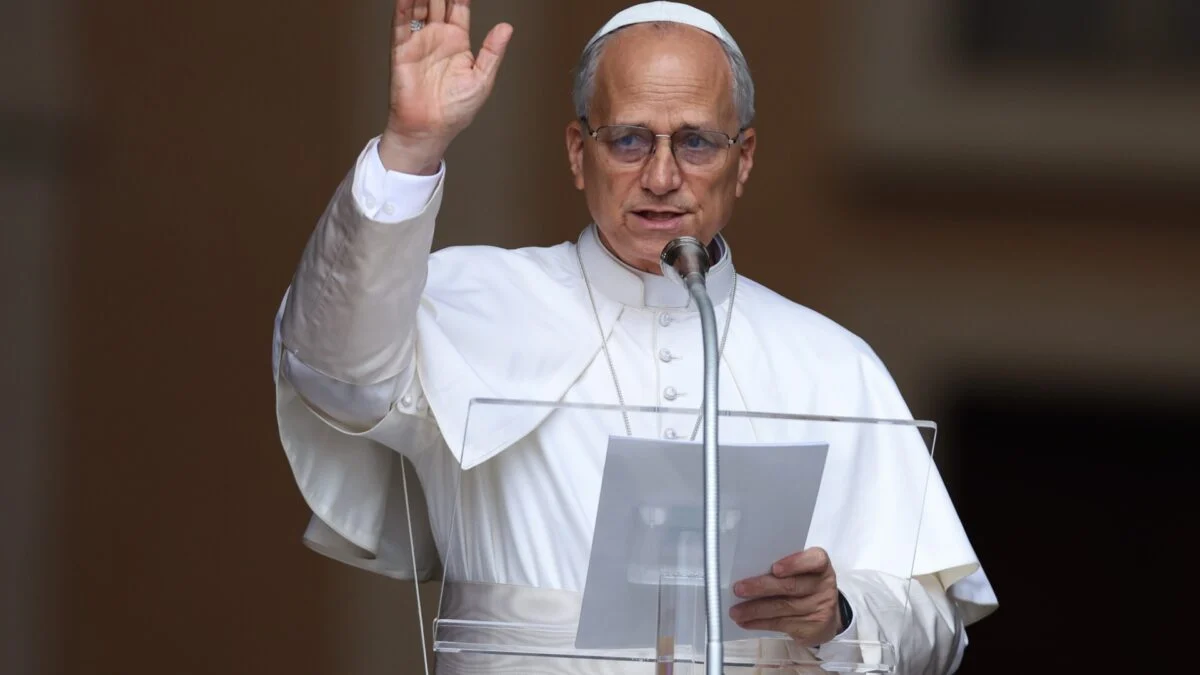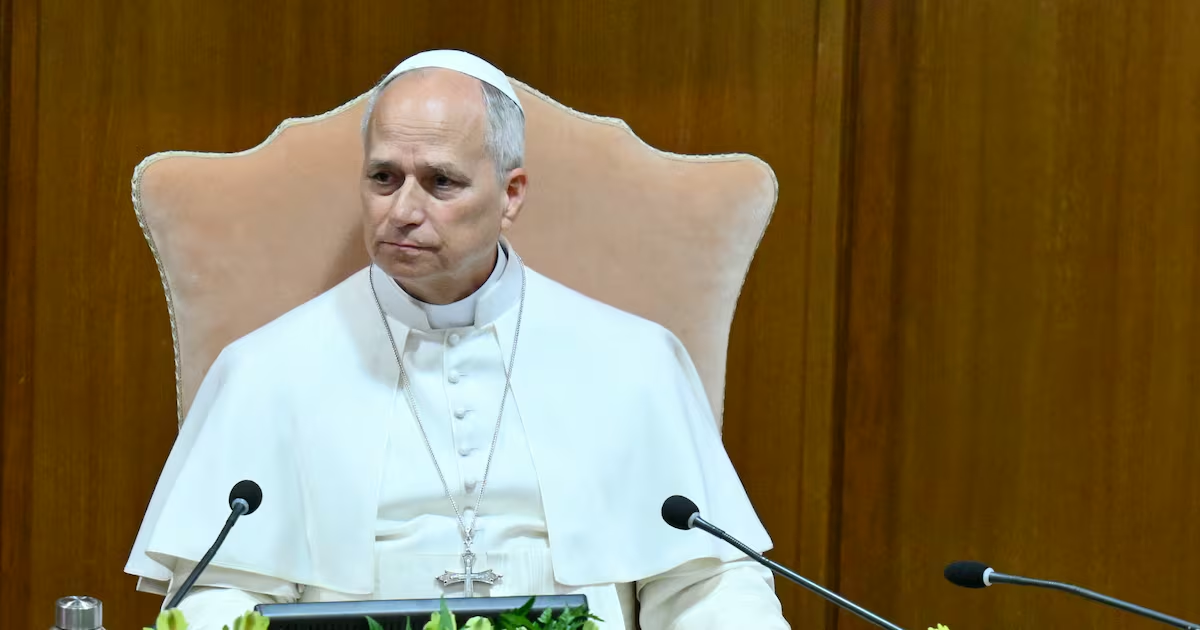
In Magnifica Humanitas, his first encyclical since his elevation a year ago to the papacy, Pope Leo has powerfully warned of “new forms of dehumanisation” represented by artificial intelligence (AI) which, he says, needs to be “disarmed”. AI technology, driven by corporate “idolatry of profit”, must, the pope argues, be regulated at international level, while agreement to prohibit the automated conduct of war is vital.The wide-ranging encyclical represents his determination to protect human dignity and agency in an age in which technology threatens to replace humans in many professional and social roles. He calls for government regulation of the giant companies that are driving AI’s development, the protection and retraining of workers whose jobs are threatened, education to help students develop critical thinking about AI, and action to protect children from violent, hypersexualised or fake information.On the battlefield, where AI is already being used to pick targets, he insists that moral responsibility must rest with humans: “All systems used in a war setting must guarantee the possibility of retracing and reconstructing decision-making processes, so that accountability and blame are not collapsed into ‘the machine’.”“The church has long been working for nuclear disarmament,” he says. “Artificial intelligence now demands to be disarmed – freed from logics that turn it into an instrument of domination, exclusion and death.” Criticising the transhumanist and posthumanist vision of powerful Silicon Valley entrepreneurs such as Peter Thiel and Elon Musk, the pope writes that AI was developing in an intellectual milieu in which some people are deemed “less useful, less desirable and less worthy”.The pope’s timely warnings came amid reports of the possible use of AI to disable vital guardrails in the use of technology and its potential use by hackers and bad actors. The urgency of international regulatory action cannot be overemphasised. But the freewheeling administration of Donald Trump is unlikely to sign up.
The Irish Times view on the Pope and AI: an important plea for proper regulation
The wide-ranging encyclical represents Pope Leo’s determination to protect human dignity and agency
309 words~1 min read