From food lines in Somalia to clinics in Afghanistan, Hormuz crisis sends shockwaves through global aid networks
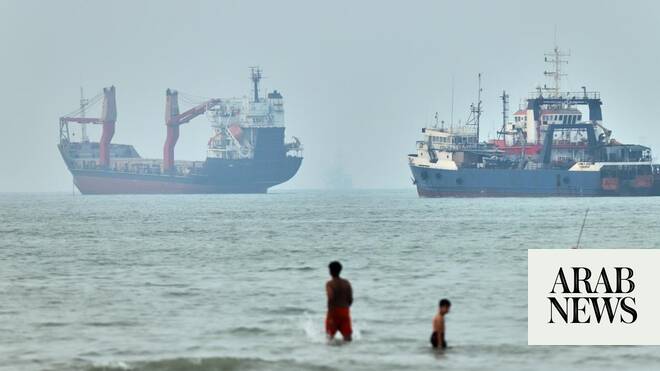
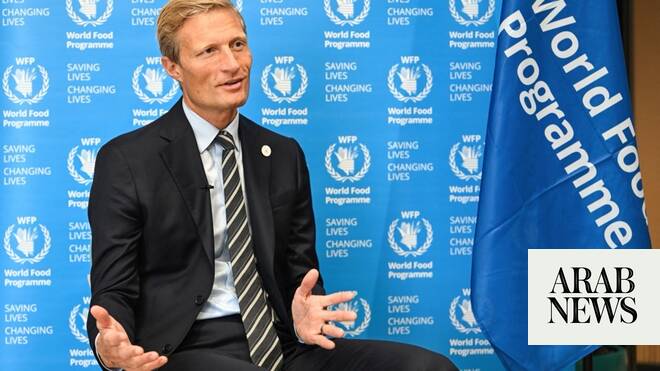
Despite a fragile ceasefire between the United States and Iran, sporadic hostilities and continued uncertainty in the Strait of Hormuz – one of the world's most important energy and shipping corridors – continue to reverberate through global supply chains, pushing up transport and fuel costs and straining aid operations already grappling with severe funding shortfalls.Real consequencesSpeaking at UN Headquarters in New York on Thursday, World Food Programme (WFP) Acting Executive Director Carl Skau said warnings issued earlier in the crisis about the knock-on effects of higher energy prices were now materialising in some of the world’s most vulnerable countries.“Just to illustrate that what we warned against is now playing out in real time in many of these contexts,” he told reporters.
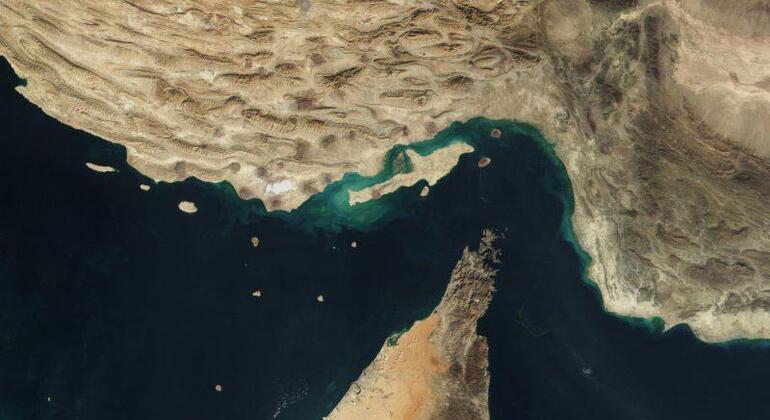
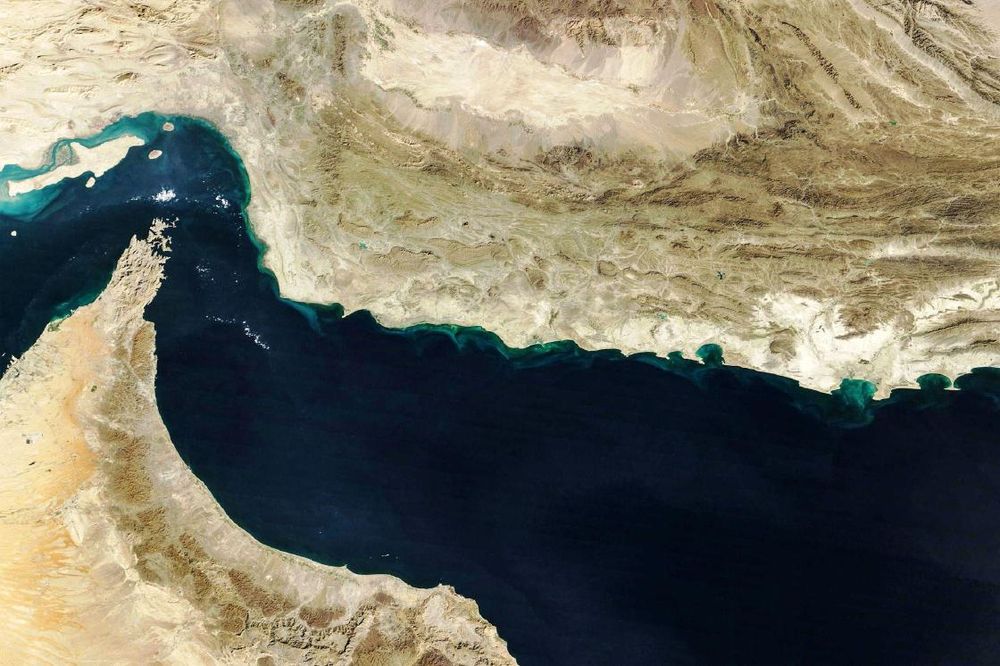
© NASA/GSFC/Jacques Descloitres
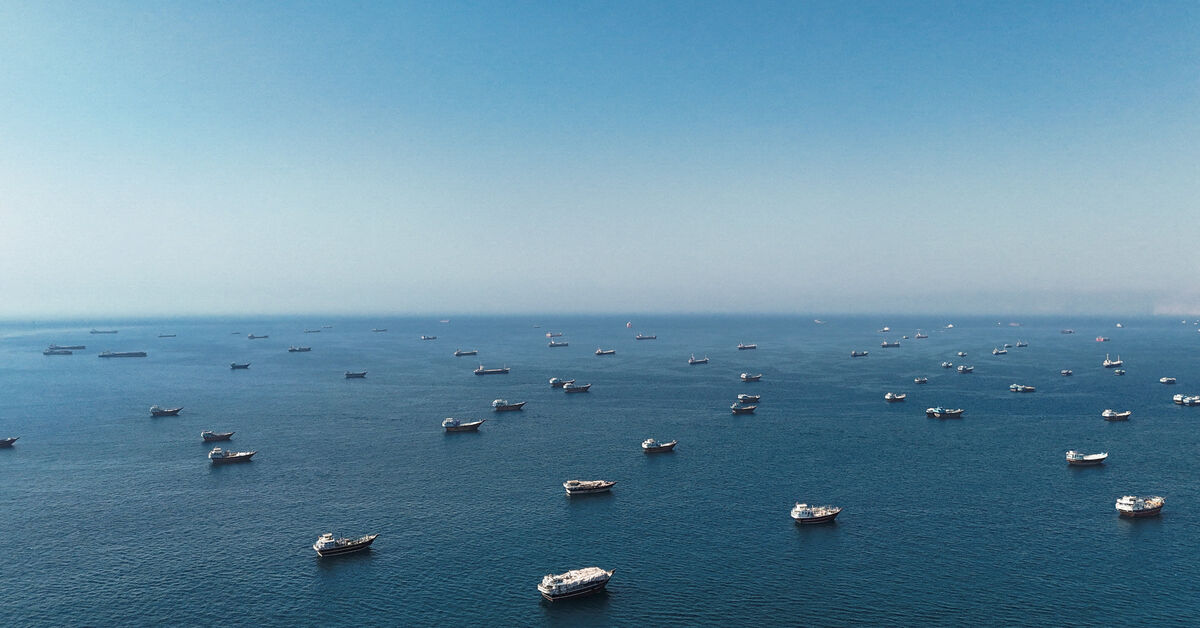
The Strait of Hormuz is a narrow but vital shipping route linking the Persian Gulf to the Gulf of Oman and the wider Arabian Sea. It lies between Iran to the north and Oman and UAE to the south.
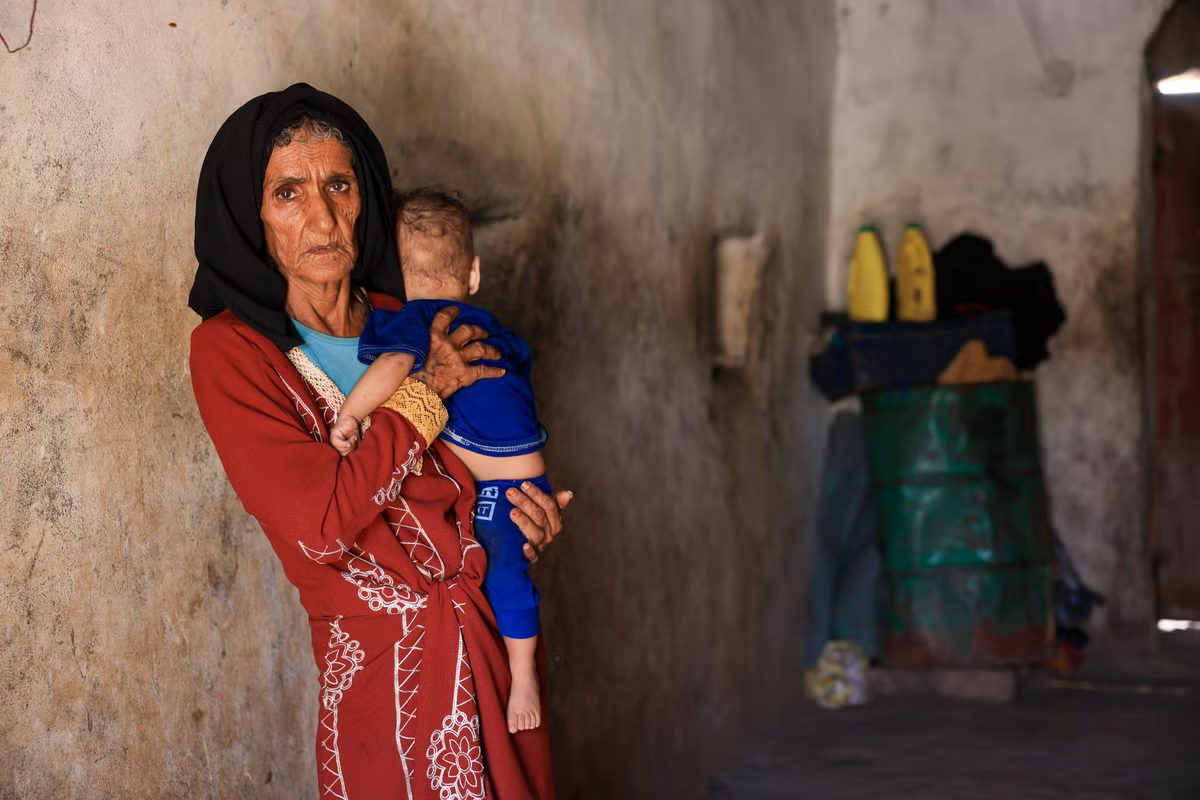
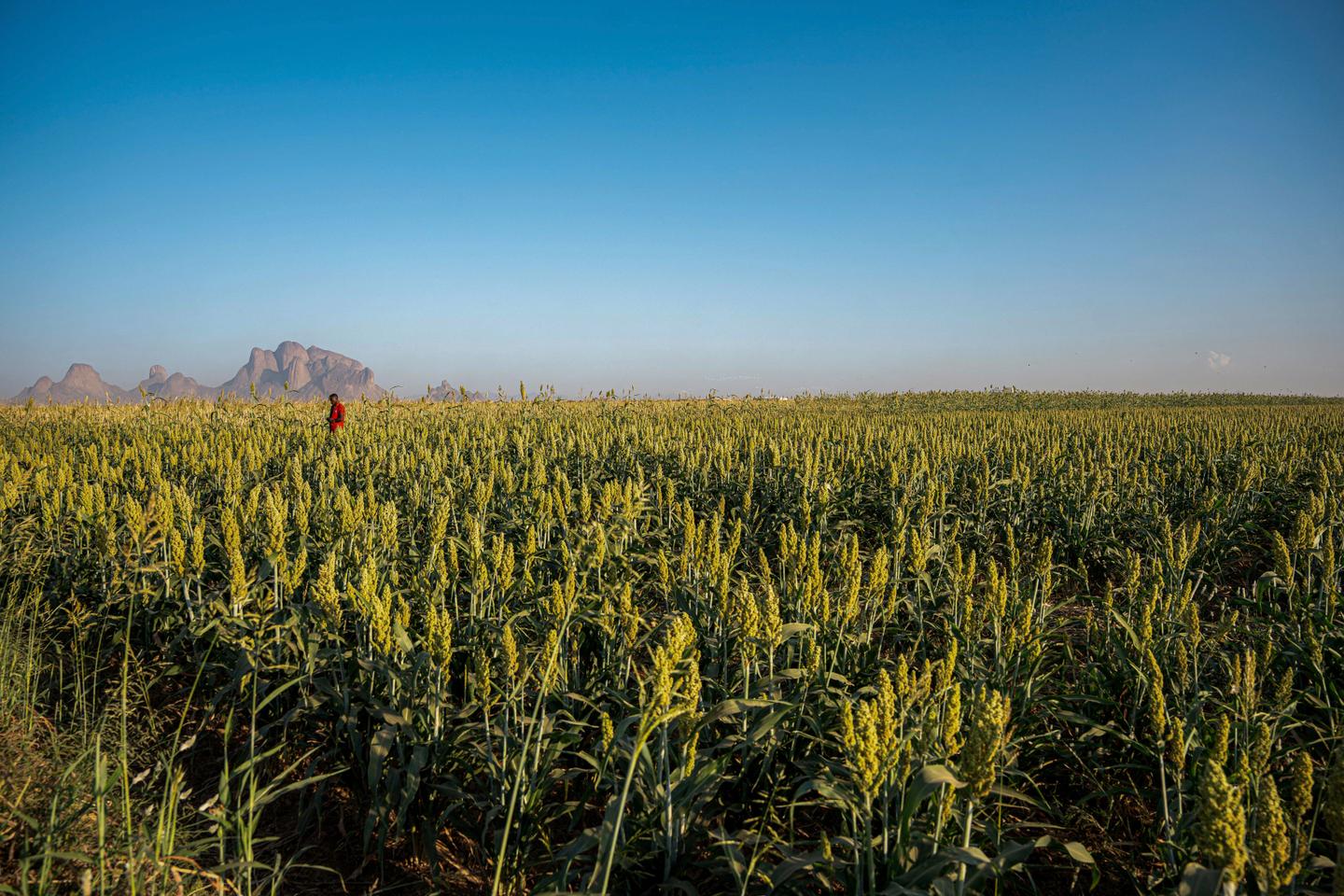
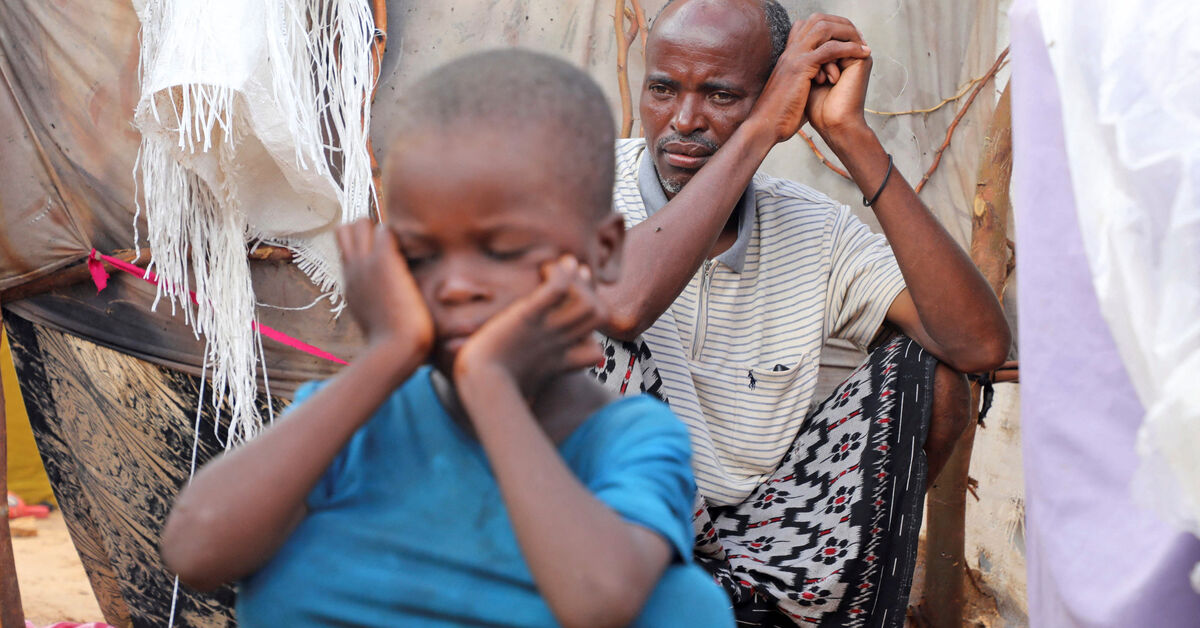
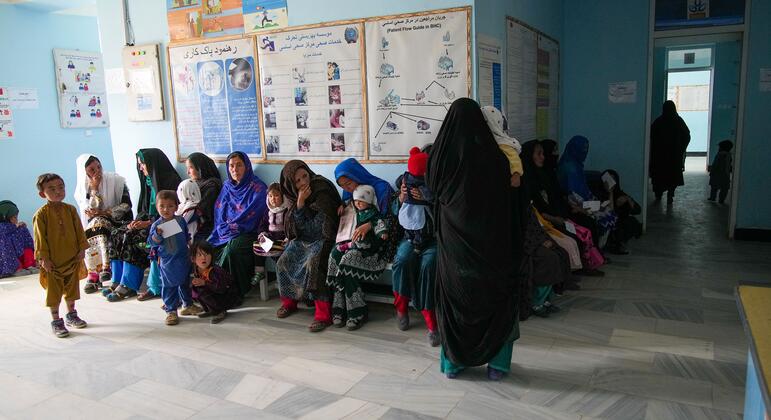
Hunger risingSeveral weeks ago, WFP warned that if oil prices remained above $100 a barrel through July, as many as 45 million additional people could be pushed into hunger because of the close relationship between energy and food prices.That pressure is already mounting: an additional 2.5 million people in Somalia have become acutely food insecure, while a further 2.3 million people have been pushed into acute hunger in Afghanistan and another 1.3 million in Sri Lanka.The drivers differ from country to country, Mr. Skau said, but include rising food prices, underfunded humanitarian responses and sharply higher operating costs that reduce the number of people aid agencies can reach with available resources.The longer-term outlook is equally troubling.Mr. Skau warned that higher fertilizer costs could reduce agricultural productivity in east Africa during the coming planting season, echoing disruptions seen after Russia's invasion of Ukraine in 2022 and raising the prospect of additional food shortages months from now.Missed deliveriesThe effects are increasingly visible in humanitarian supply chains.The UN Children’s Fund (UNICEF) warns that maritime diversions around the Cape of Good Hope are adding between two and four weeks to shipping times, while air freight capacity across Middle Eastern routes has tightened and congestion is spreading through ports in Africa and elsewhere.“Increased transport costs mean less money for the lifesaving supplies children need,” said Jean-Cédric Meeus, UNICEF’s Chief of Global Transport and Logistics.“What begins as a disruption to shipping lanes can spiral into a humanitarian crisis.”