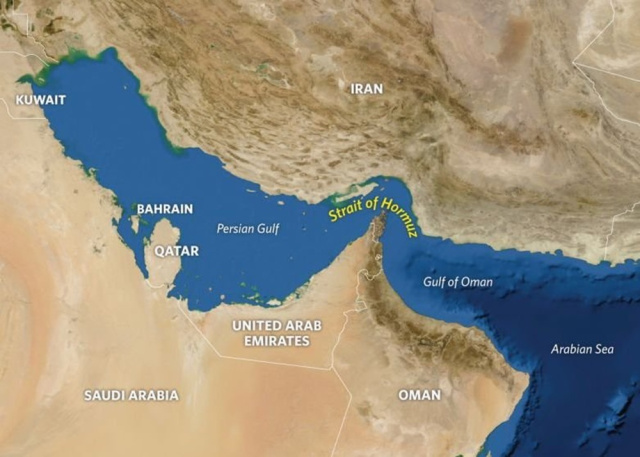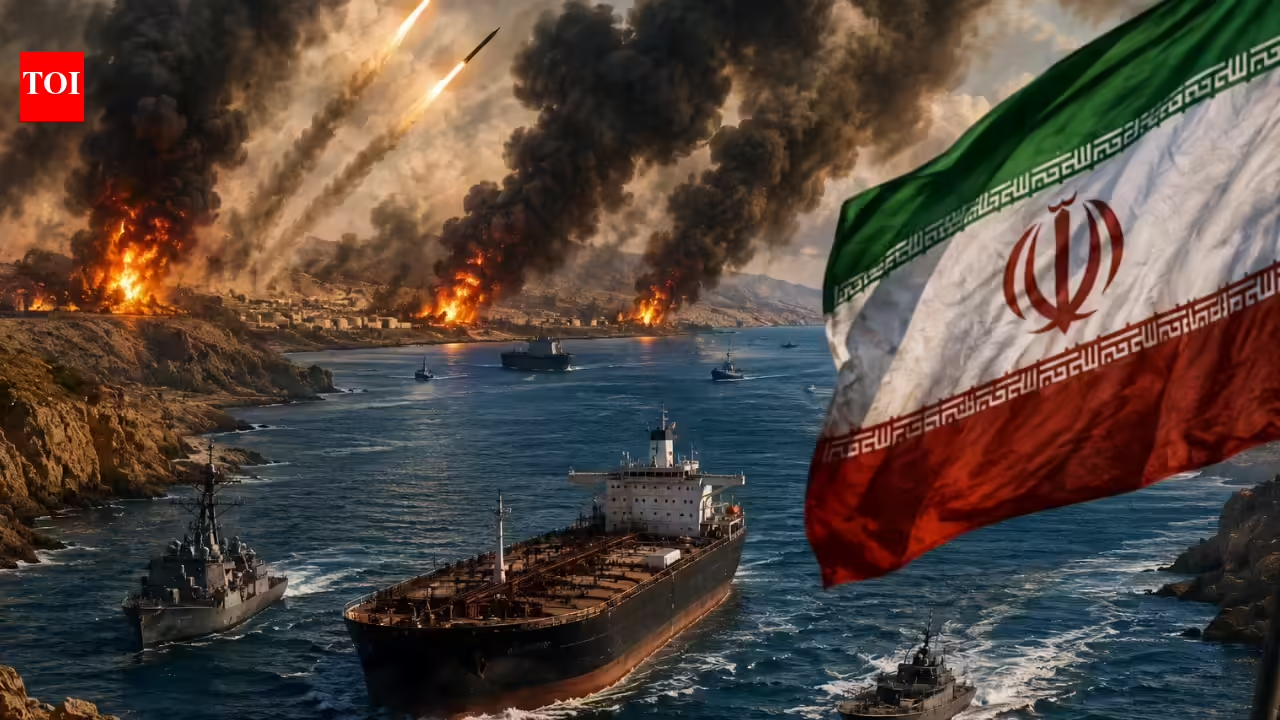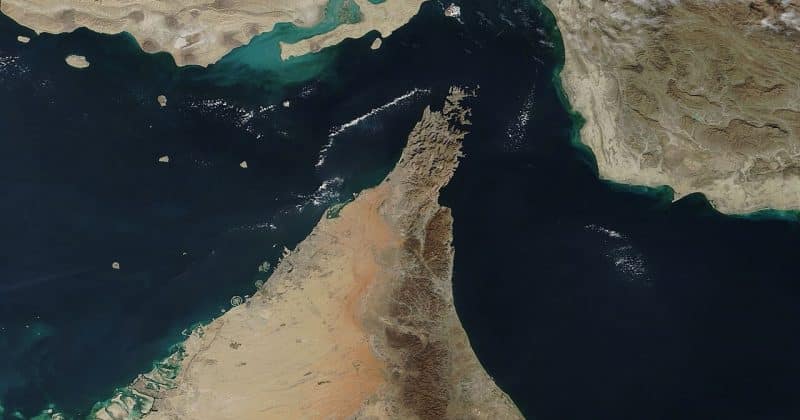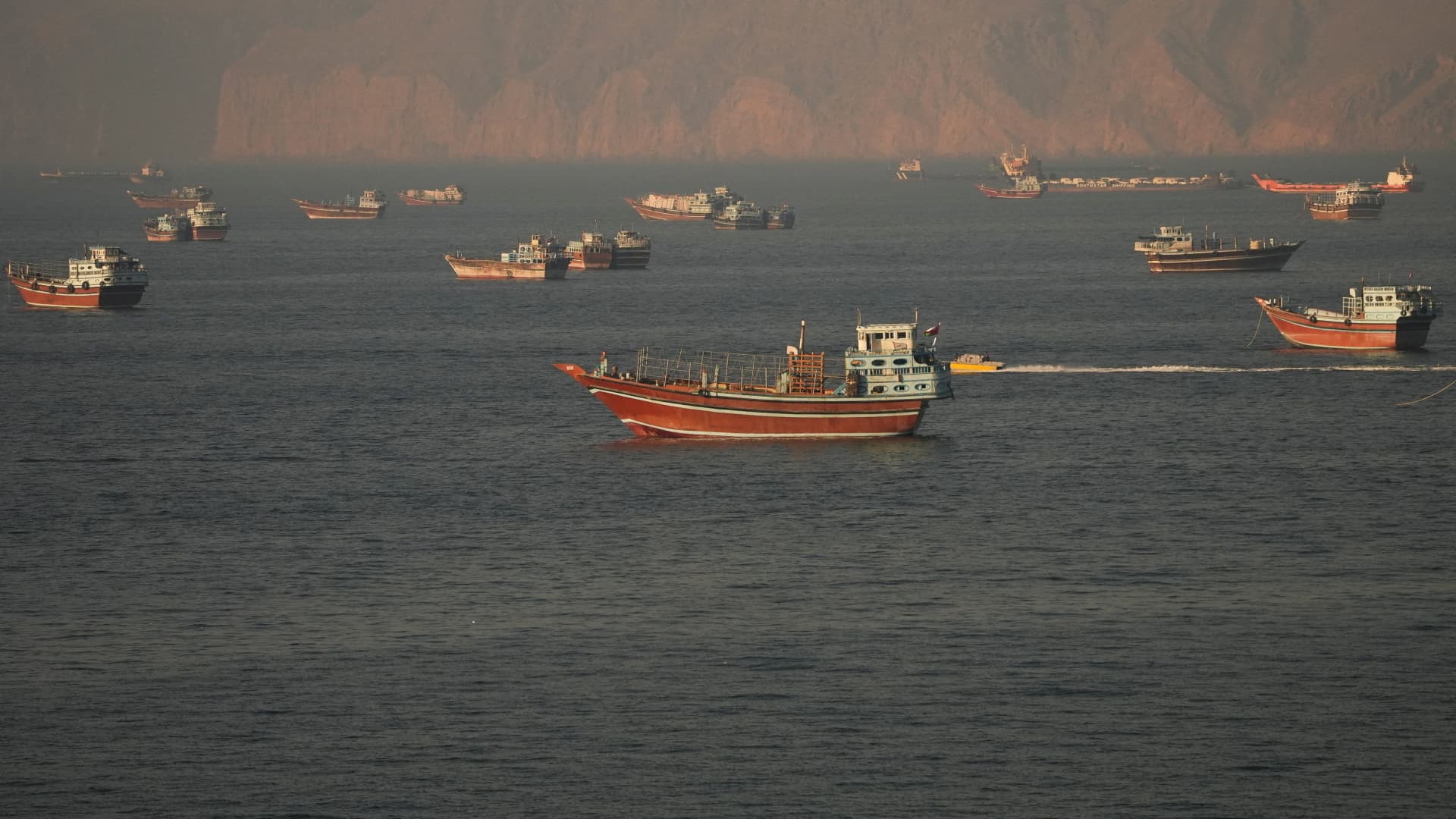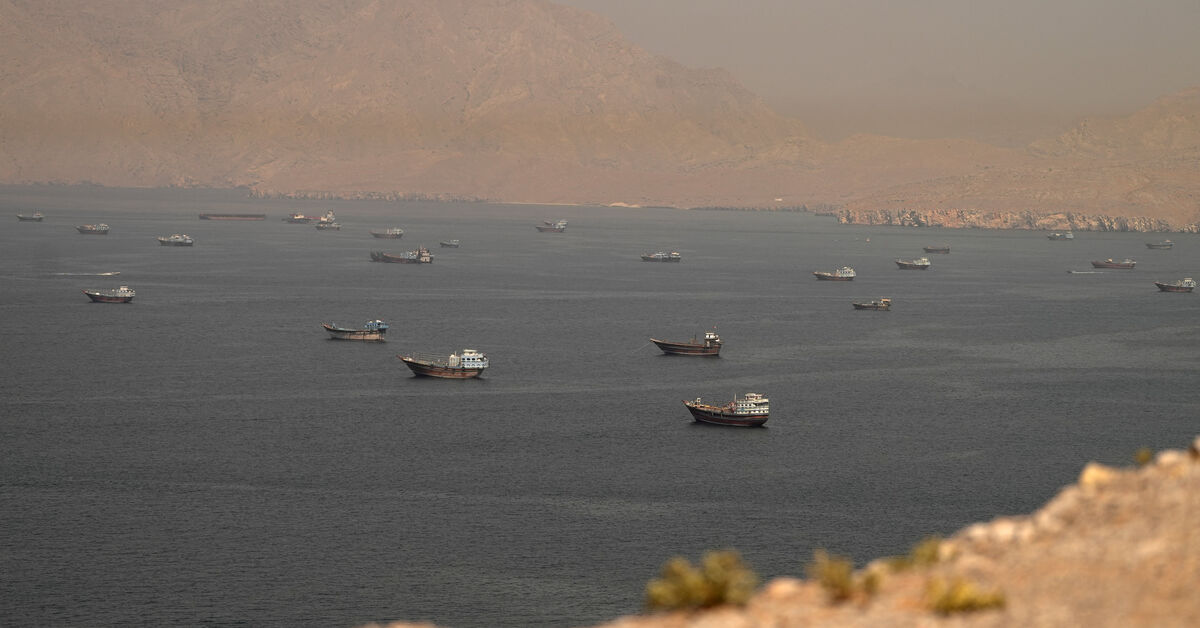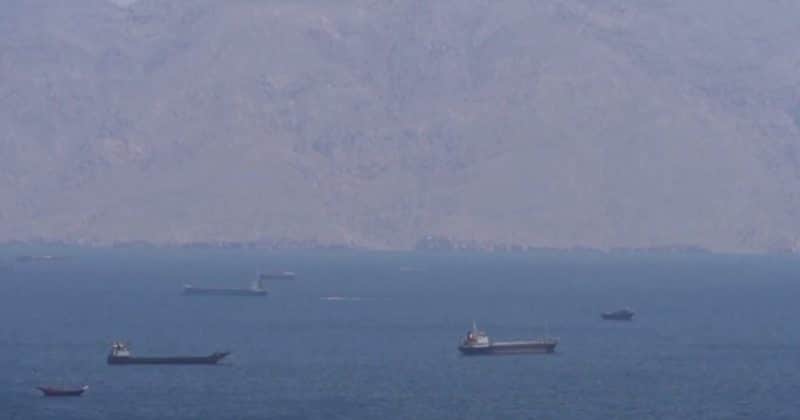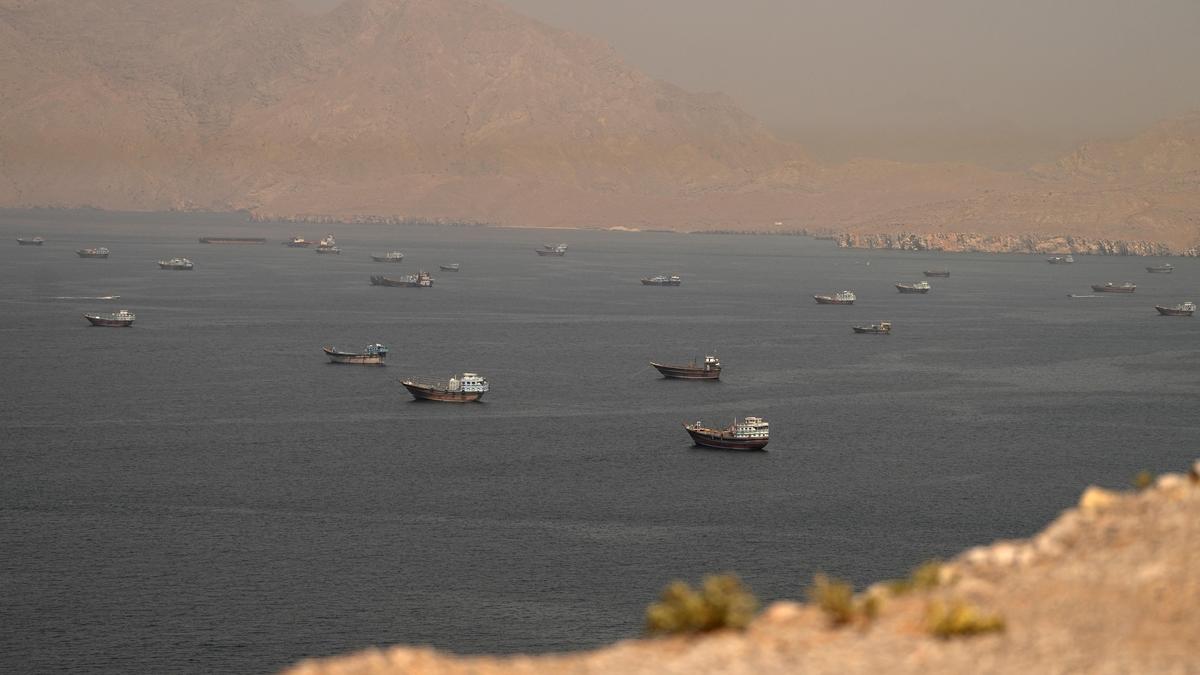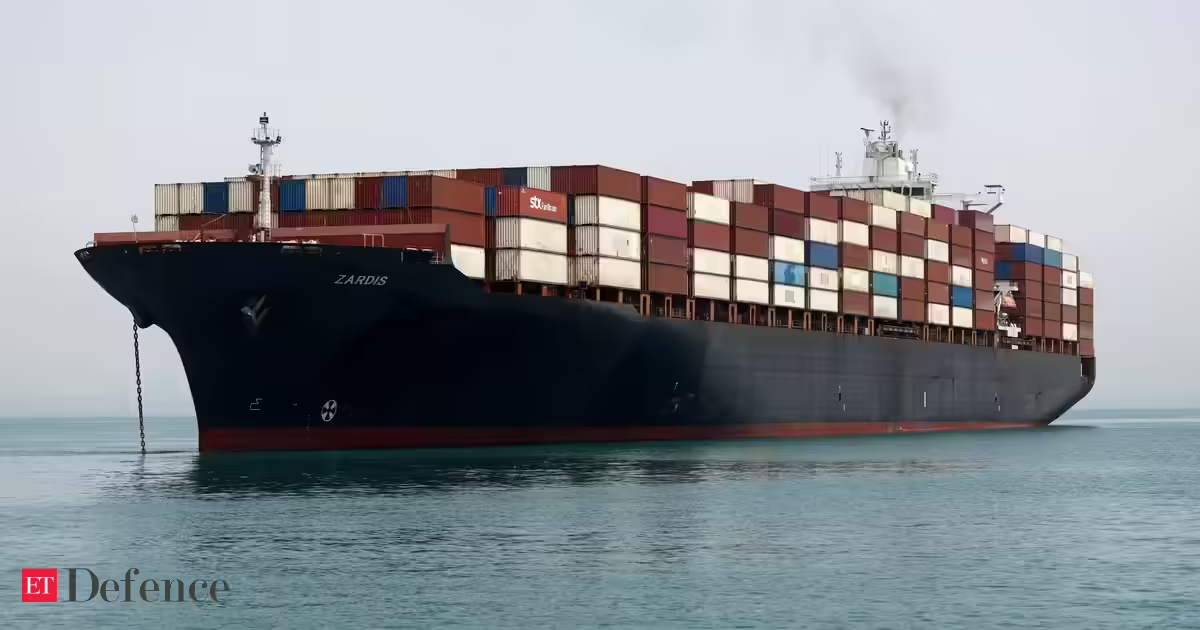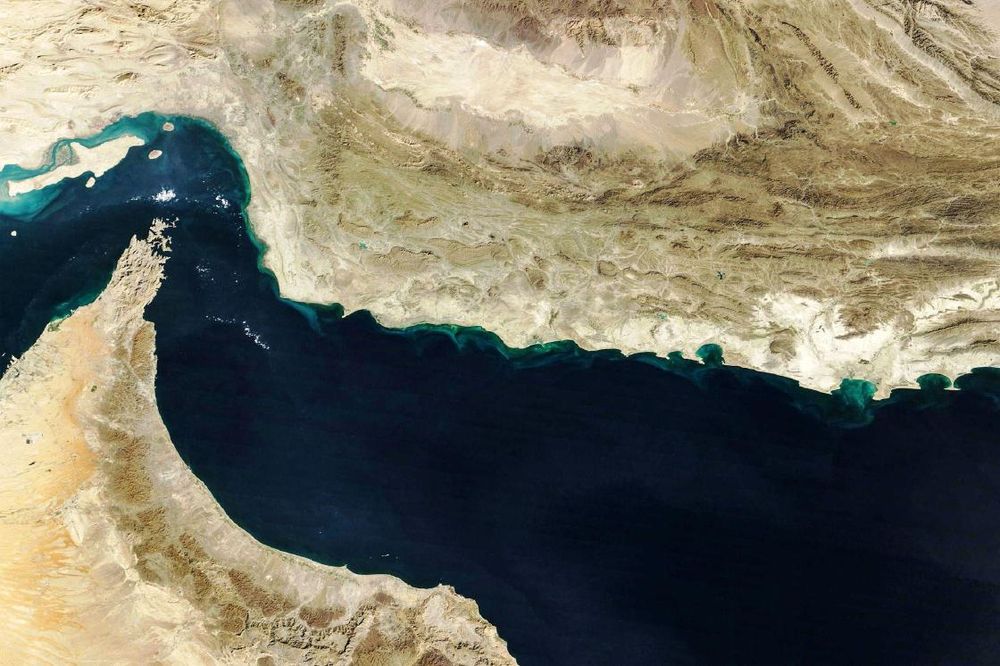
Iran’s Tasnim News Agency reported that Iran and the “Axis of Resistance” had placed the closure of the Strait of Hormuz and the activation of other fronts—including the Bab el-Mandeb Strait—on their agenda as part of their response to Israel and its supporters.
As Iran continues to threaten maritime navigation through the Strait of Hormuz, the United Nations warned on Tuesday, June 2, 2026, that global humanitarian supply chains disrupted by the war in the Middle East will not recover before 2027, even if the conflict were to end immediately.
Legal experts stress that closing the Strait of Hormuz constitutes a clear violation of international law. In this context, Dr. Majid Boudin, Professor of International Law in Paris, stated that any attempt by a state or entity to close waterways or obstruct the movement of vessels amounts to an explicit breach of international law, emphasising that such routes are “the property of all humanity.”
In remarks to the media, he added that maritime navigation is governed by well-established rules, beginning with “customary international law codified over thousands of years,” extending through the principles of international law and modern treaties such as the United Nations Convention on the Law of the Sea. He noted that this extensive legal framework prevents any party from exercising absolute control over seas and oceans and guarantees freedom of navigation for vessels across all global waterways.