How the Hormuz crisis keeps disrupting kitchens, ports and paychecks
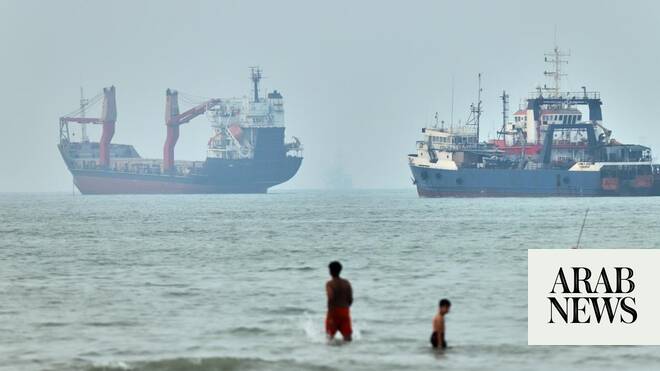
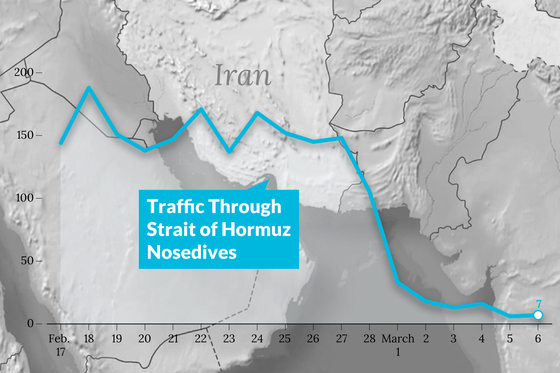
The fallout is being felt far beyond the Middle East, with UN agencies warning that rising fuel prices, disrupted shipping routes and growing financial uncertainty are placing mounting pressure on economies, labour markets and vulnerable households across Asia and other developing regions.Before the latest tensions, the Strait of Hormuz handled roughly one-fifth of global oil supplies – around 20 million barrels a day – alongside vast quantities of liquefied natural gas (LNG) and raw materials for critical industries, making it one of the world’s most important maritime chokepoints.Ship traffic over the past week fluctuated between just two and 16 vessels per day – far below the more than 100 ships that typically transited daily before the crisis.
© NASA/GSFC/Jacques Descloitres
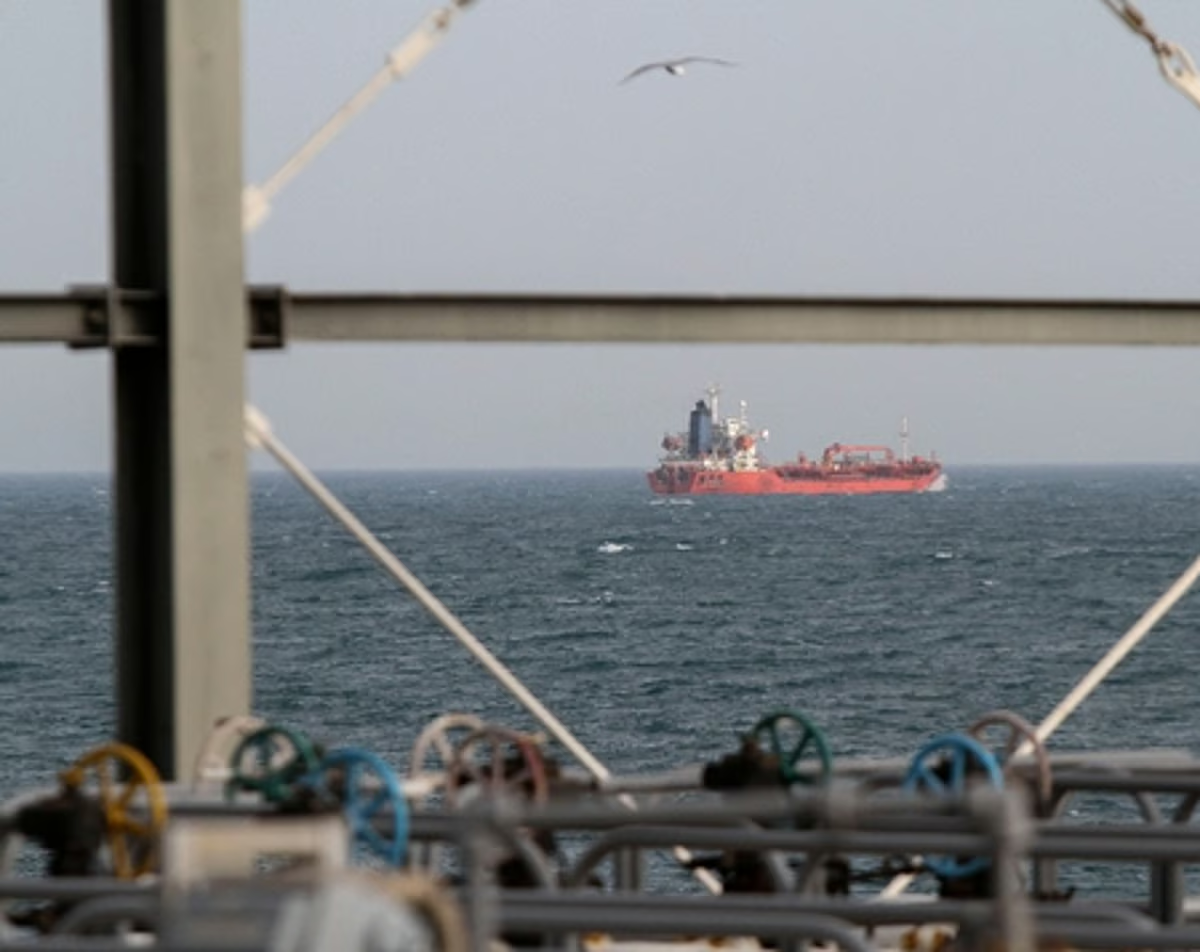
The Strait of Hormuz is a narrow but vital shipping route linking the Persian Gulf to the Gulf of Oman and the wider Arabian Sea. It lies between Iran to the north and Oman and UAE to the south.
Global growth and trade stallingThe sharp decline has pushed oil and gas prices higher, disrupted supply chains and increased transport and insurance costs worldwide, with markets reacting nervously to the daily uncertainty.Global growth is now projected to slow to 2.5 per cent in 2026 – well below pre-pandemic levels, according to a report released on Tuesday by economists at UNCTAD, the UN trade and development body.Global trade growth is also expected to weaken sharply after a strong performance last year.Inflation rising across AsiaThe economic outlook for Asia has deteriorated rapidly since the crisis escalated, driving inflation and weakening consumer confidence in several countries, according to the UN regional economic commission, ESCAP.In Lao People’s Democratic Republic, headline inflation – which measures overall consumer prices – rose from 6.2 per cent in February to more than 10 per cent in April. Pakistan also saw inflation jump from 7.3 per cent in March to 10.9 per cent in April.East Asia – the region’s economic engine – is also expected to slow, with growth projected to ease from 5.0 per cent in 2025 to 4.4 per cent in 2026 as higher energy costs and trade uncertainty cloud the outlook.