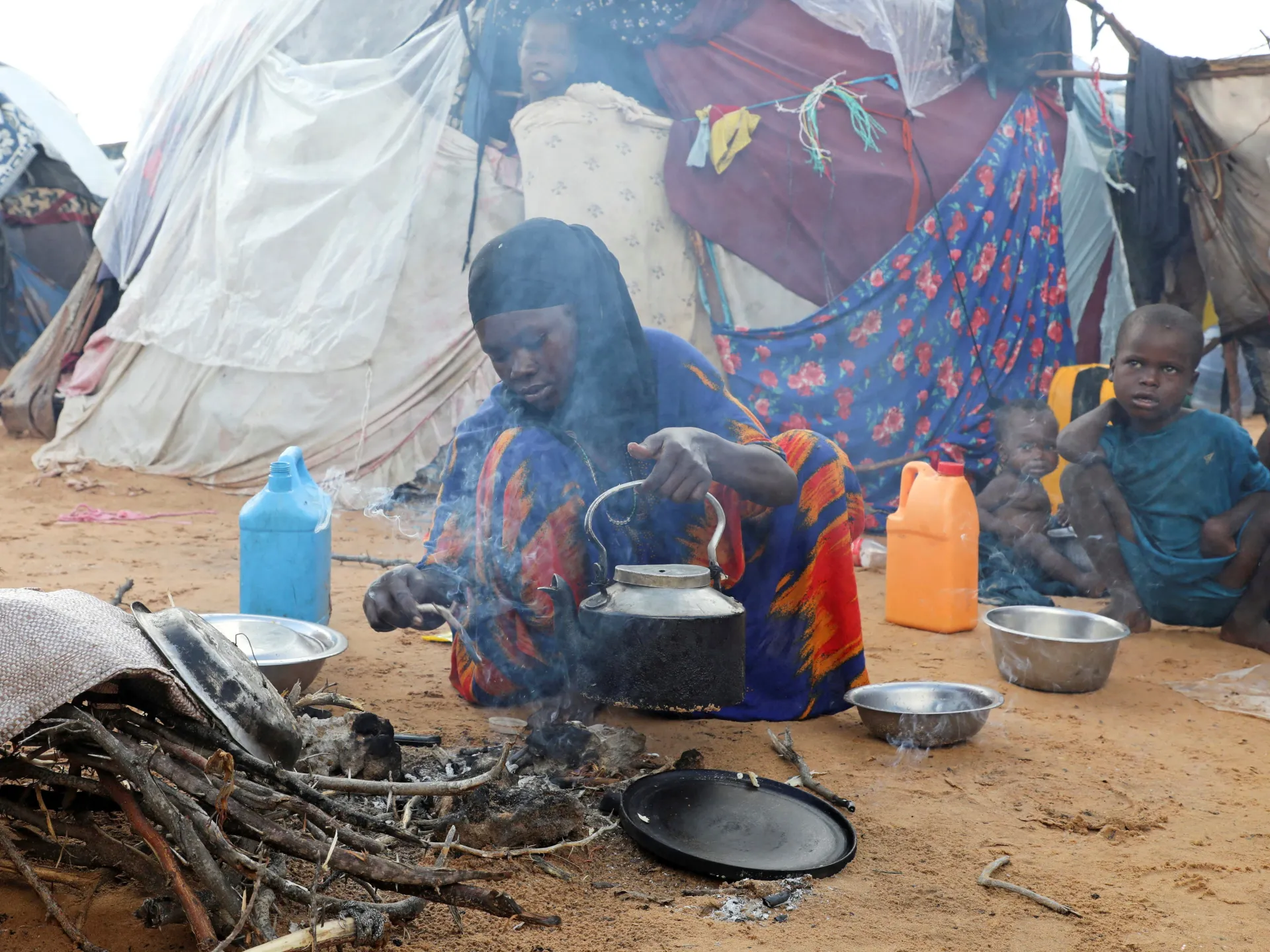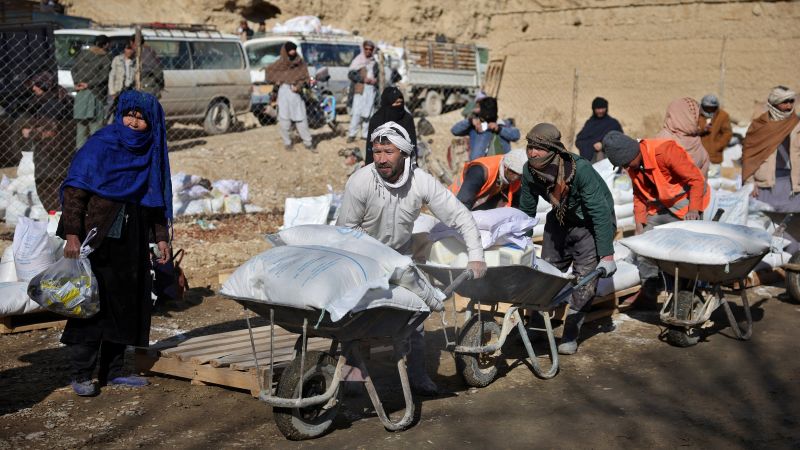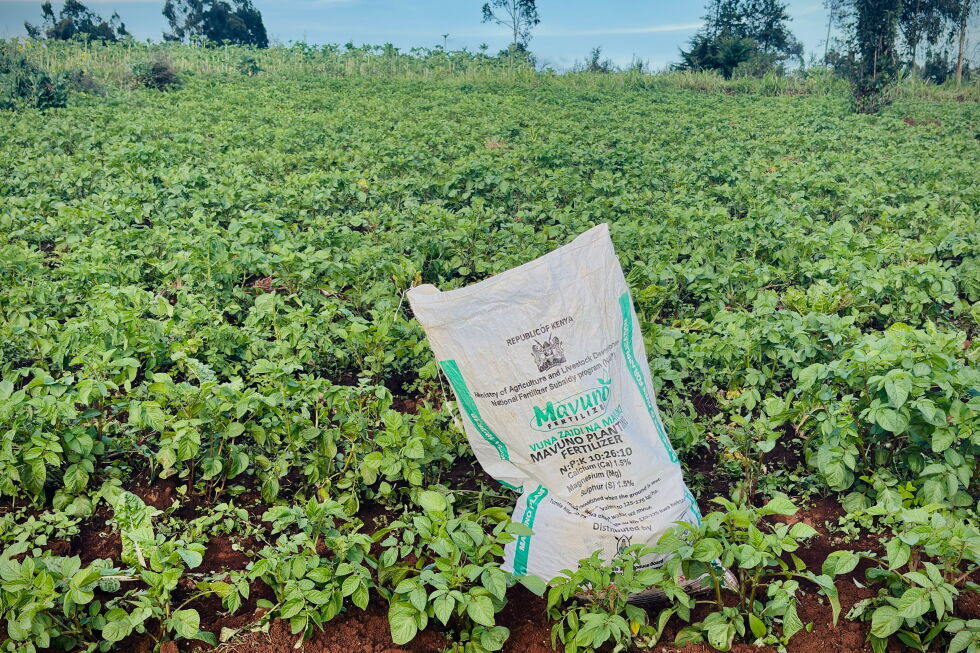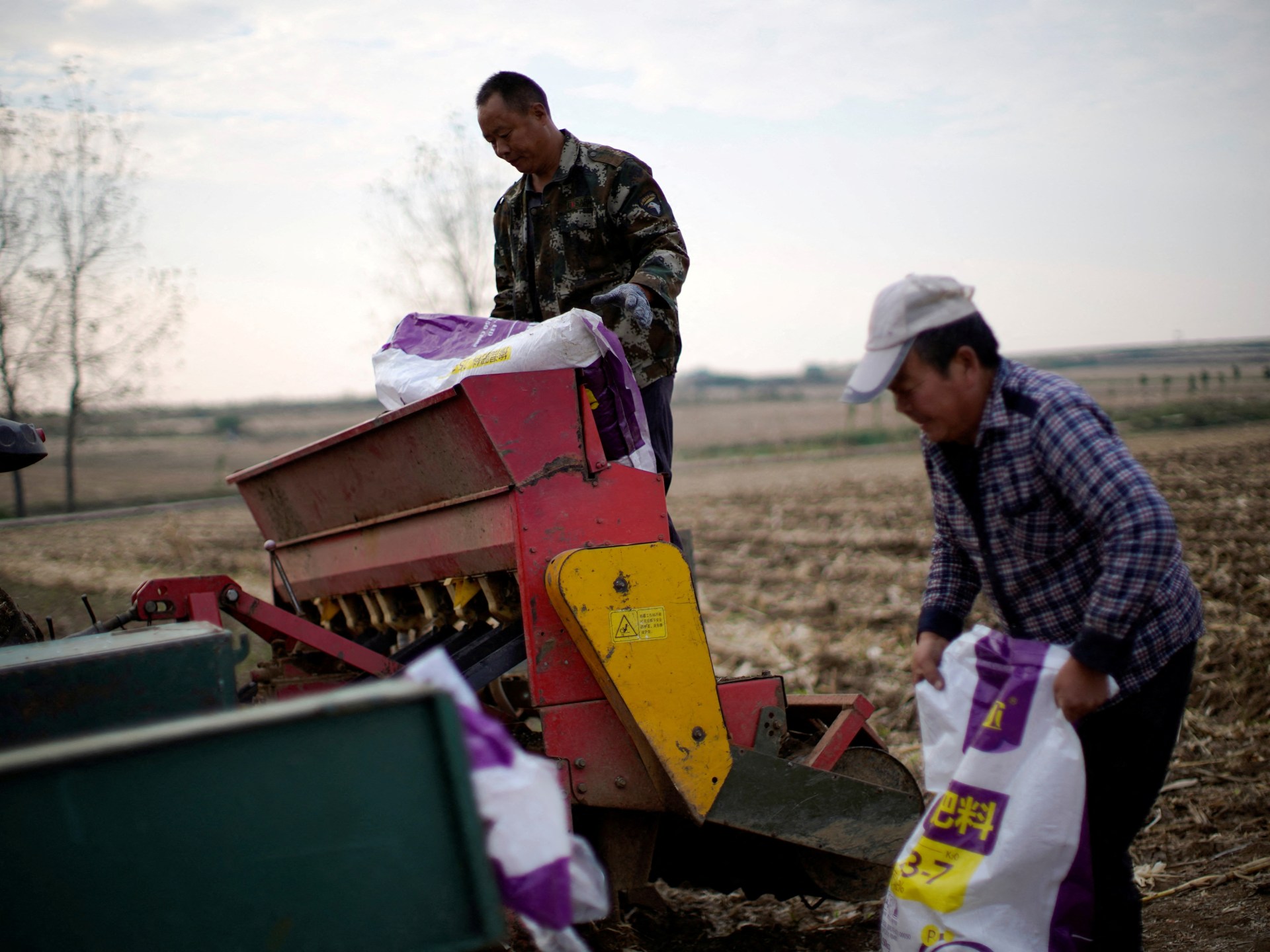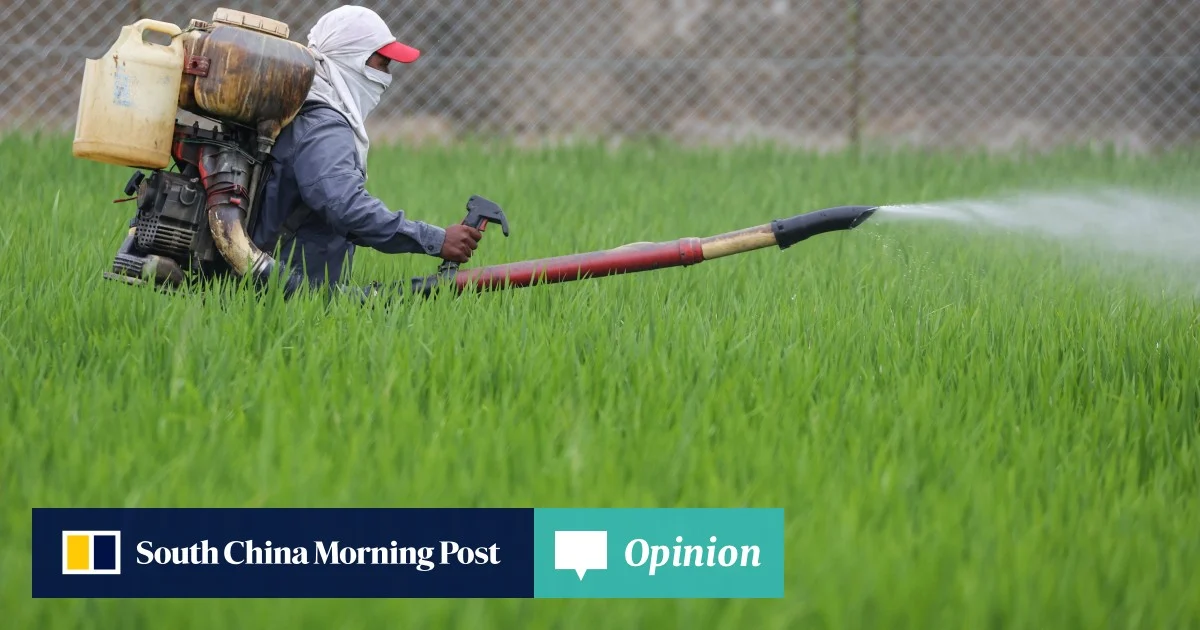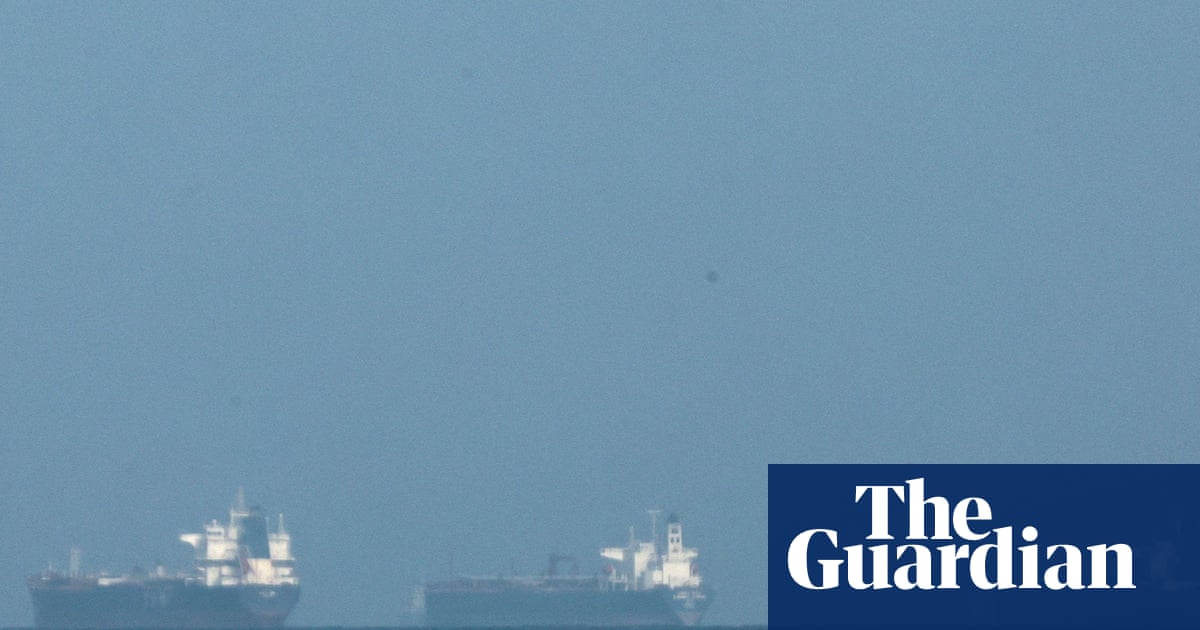
The fallout from the closure of the Strait of Hormuz due to the Iran war is likely to lead to an international food crisis by the end of the year due to the cascading effects of higher fertiliser and fuel costs, the head of a United Nations agency has warned.The price shock to fuel and fertiliser is leading farmers around the world to delay planting, the president of the International Fund for Agricultural Development (IFAD) Álvaro Lario told The Irish Times.“We have not yet fully seen the whole impact,” Lario said.“What we will be seeing is over the course of the year – probably because of the decisions made right now in terms of planting, but also in terms of the increased transportation costs – that food prices will go up.”“Probably by year end and early next year is when we would be seeing some of the impact related to this shock.”Prior to the closure of the Strait of Hormuz at the end of February, the Gulf region produced 36 per cent of the world’s urea exports – the most-used nitrogen fertiliser – and 29 per cent of the world’s exports of ammonia.There are particular concerns for crops such as rice which are most dependent on the most severely-affected fertiliser, nitrogen, which is made using gas.The reduction in available fertiliser is now beginning to be felt, and even if shipping were to resume, pressure on prices is likely to continue.[ The world’s next food crisis may have already begunOpens in new window ]“Countries are now close to running out of fertiliser reserves,” Lario said, which typically last for three to four months.“Even if the Strait of Hormuz were to reopen ... there’s a lot of countries which will want to build up the reserves, both in fuel as well as fertilisers, and even to higher levels than before,” he continued.A container ship sits at anchor as a small motorboat passes in the foreground in the Strait of Hormuz off Iran. Photo: Amirhosein Khorgooi/ISNA/AP “I think in the medium term, structurally, more countries will be more risk averse.”The keenest impact of the disruption is expected to be felt by the countries that are most dependent on food imports. Indonesia and the Philippines are the world’s biggest importers of rice according to World Bank figures, followed by the European Union, while African countries are particularly reliant on imported fertiliser.An additional risk factor is the El Niño climate phenomenon, which is forecast to hit in the coming months, bringing unpredictable and extreme weather.There is a circular relationship between conflict, disruption to farming, migration as people leave as they can’t make a living, and then additional competition for resources that can lead to more conflict. A famine may be “in the making” in South Sudan, Lario warned, adding to ongoing famines in Gaza and in Sudan.We are probably at one of the highest number of conflicts right now in the world— Álvaro Lario, International Fund for Agricultural Developmen“Hunger is driving conflict and conflict is driving hunger. So, there’s a vicious circle that’s very clear. We are probably at one of the highest number of conflicts right now in the world,” Lario said.An economist, Lario said it made sense for all countries to invest in rural development and diversify their trade so that they can be more resilient to shocks, which are now becoming a “recurrent”, “permanent situation”.“It’s very clear that what is happening in parts of the world vis-a-vis shocks, whether it’s on certain crops or it’s on the migration of people, will impact in one way or another wherever you’re living in the world.”The IFAD president spoke in advance of a trip to Ireland in which he is due to meet President Catherine Connolly and seek to secure renewed financial pledges from Ireland to support Ifad’s work in international development.He described Ireland as an important “strategic partner”.“Ireland is a very clear example of rural transformation of agricultural development, and how can that create jobs and also help rural areas,” he said.
UN agency chief warns of coming food crisis due to Iran war
Price shock to fuel and fertiliser is leading farmers around the world to delay planting, says Ifad chief
668 words~3 min read