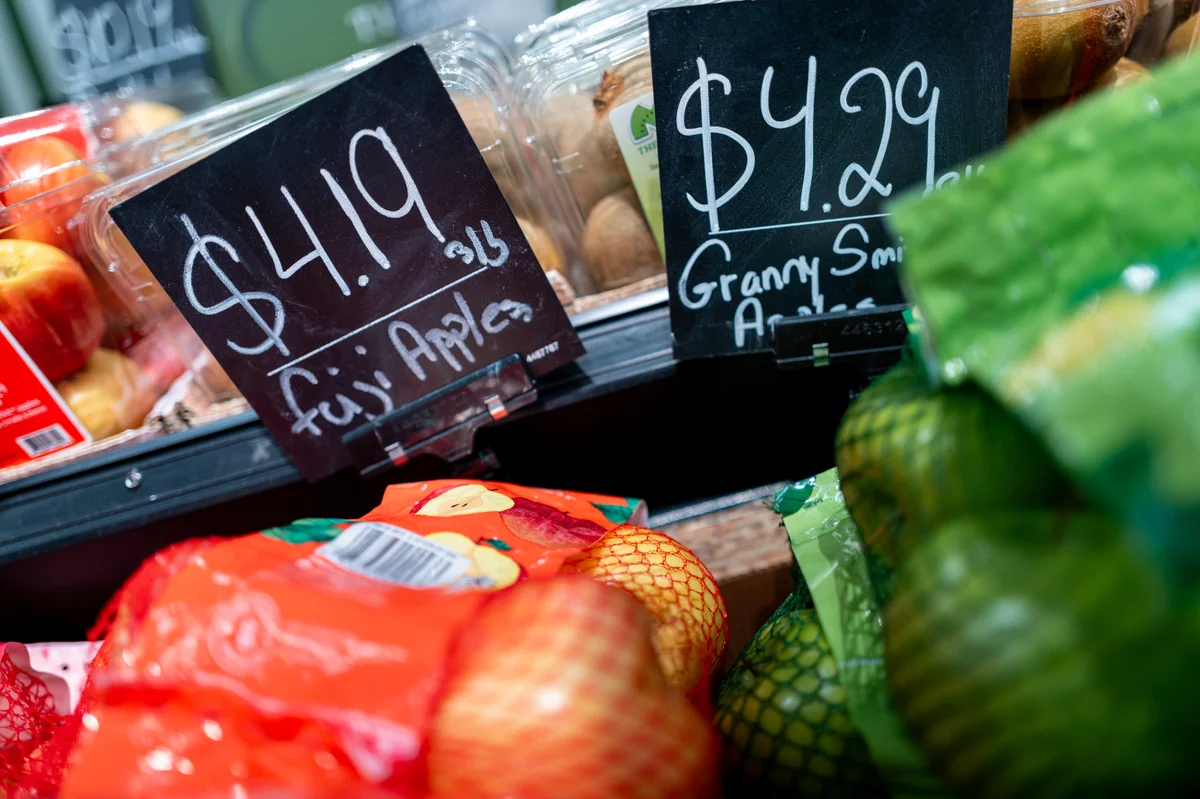
The worldwide fallout from the U.S. war in Iran isn’t limited to gas prices.
The largely blocked Strait of Hormuz has become “a critical failure point for global food security,” Máximo Torero Cullen, chief economist of the United Nations’ Food and Agriculture Organization, warned this week.
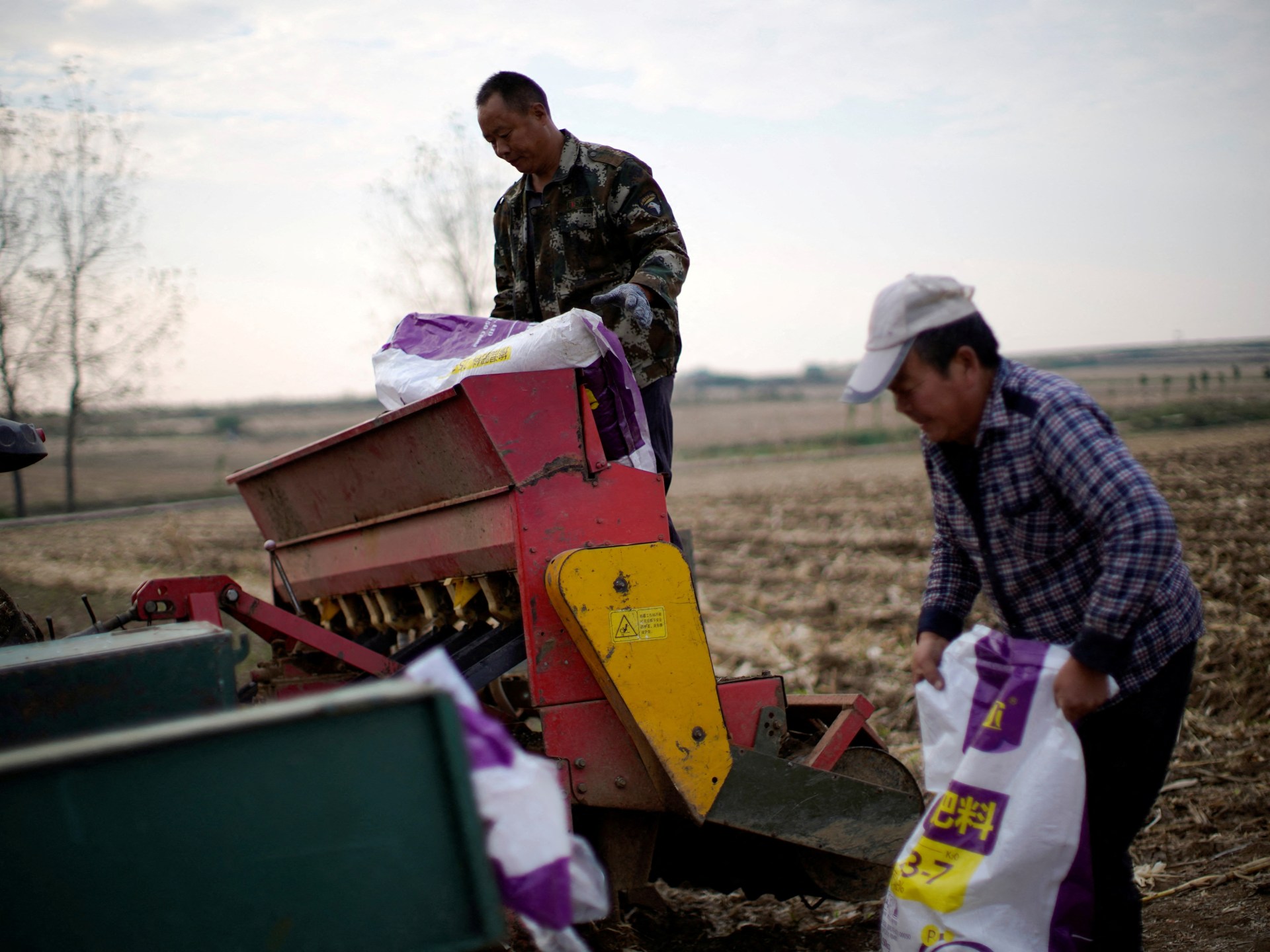
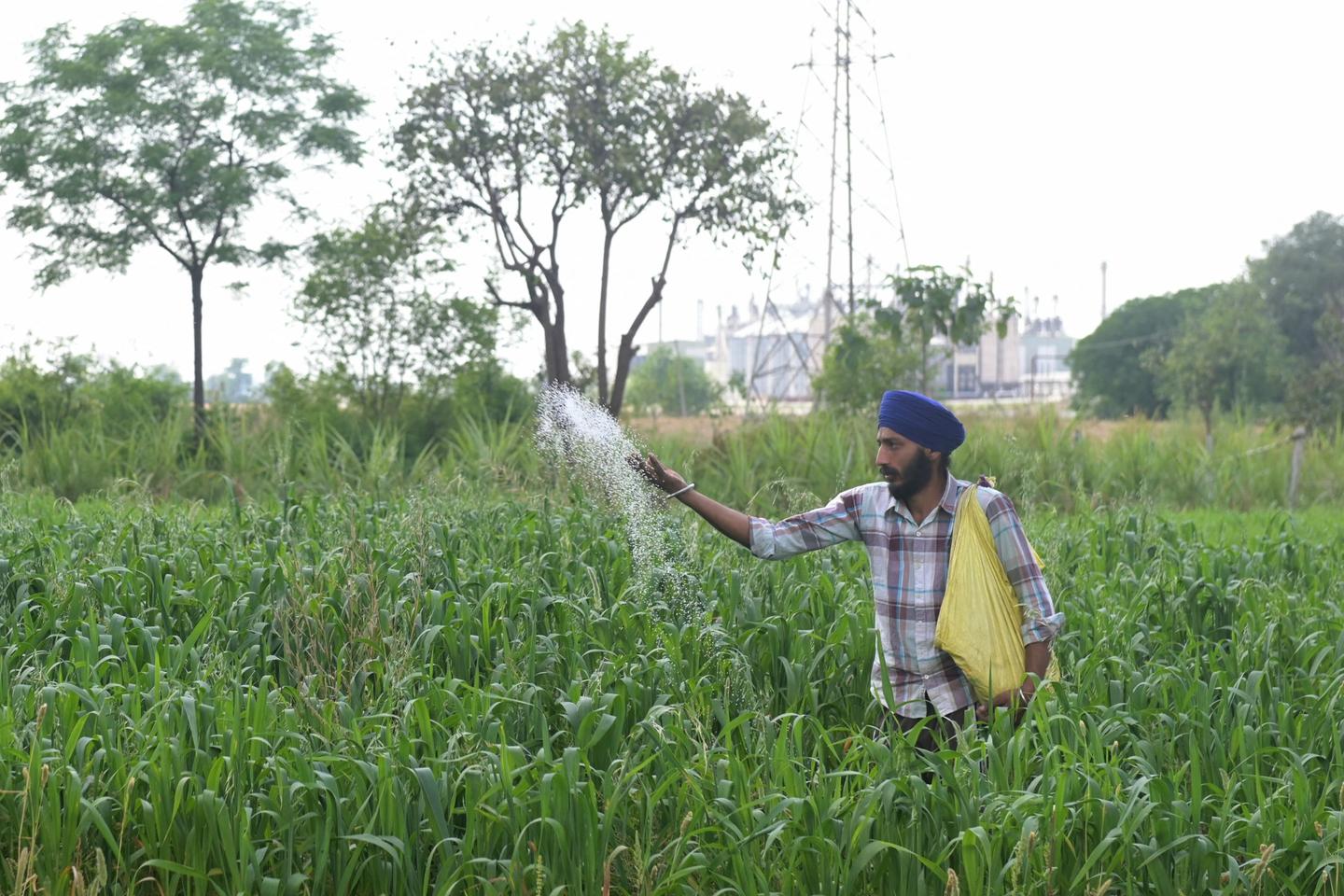
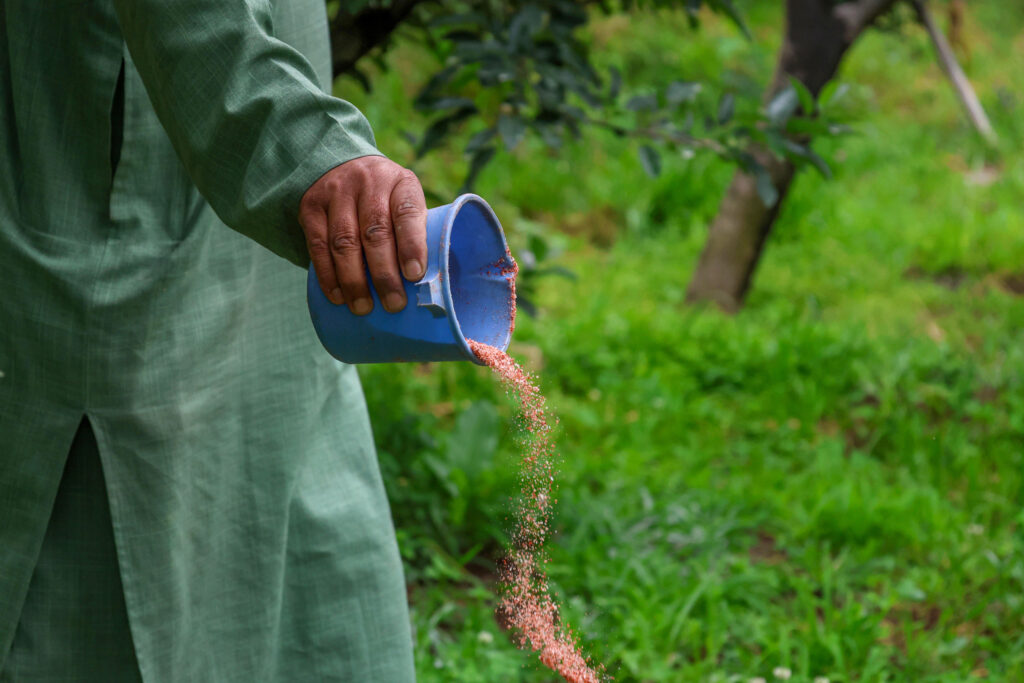
Approximately a third of the world’s seaborne fertilizer trade passed through the waterway before Iran closed the shipping lane, according to U.N. Trade and Development. As a result of the conflict, the World Bank projects that fertilizer prices could jump an average of 31 percent this year.
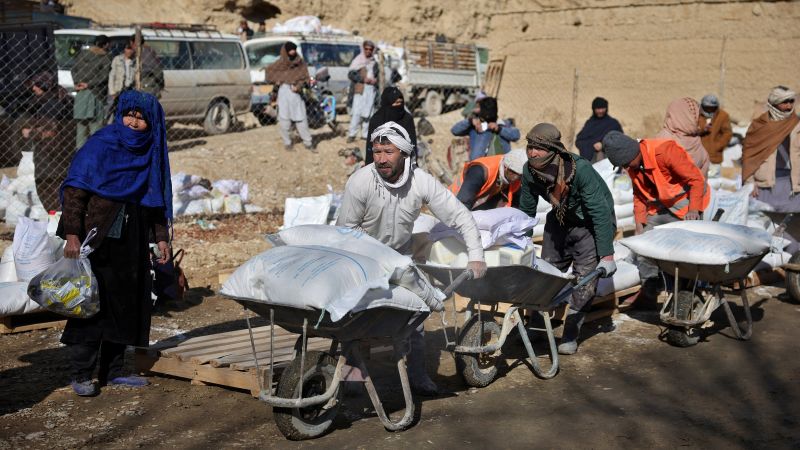
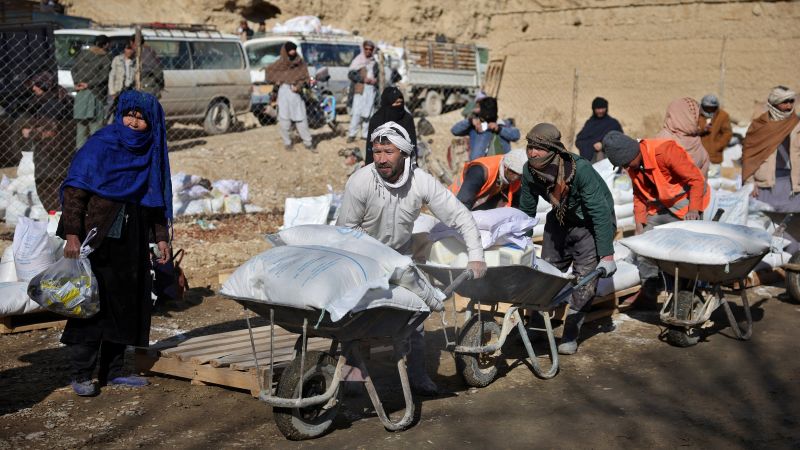
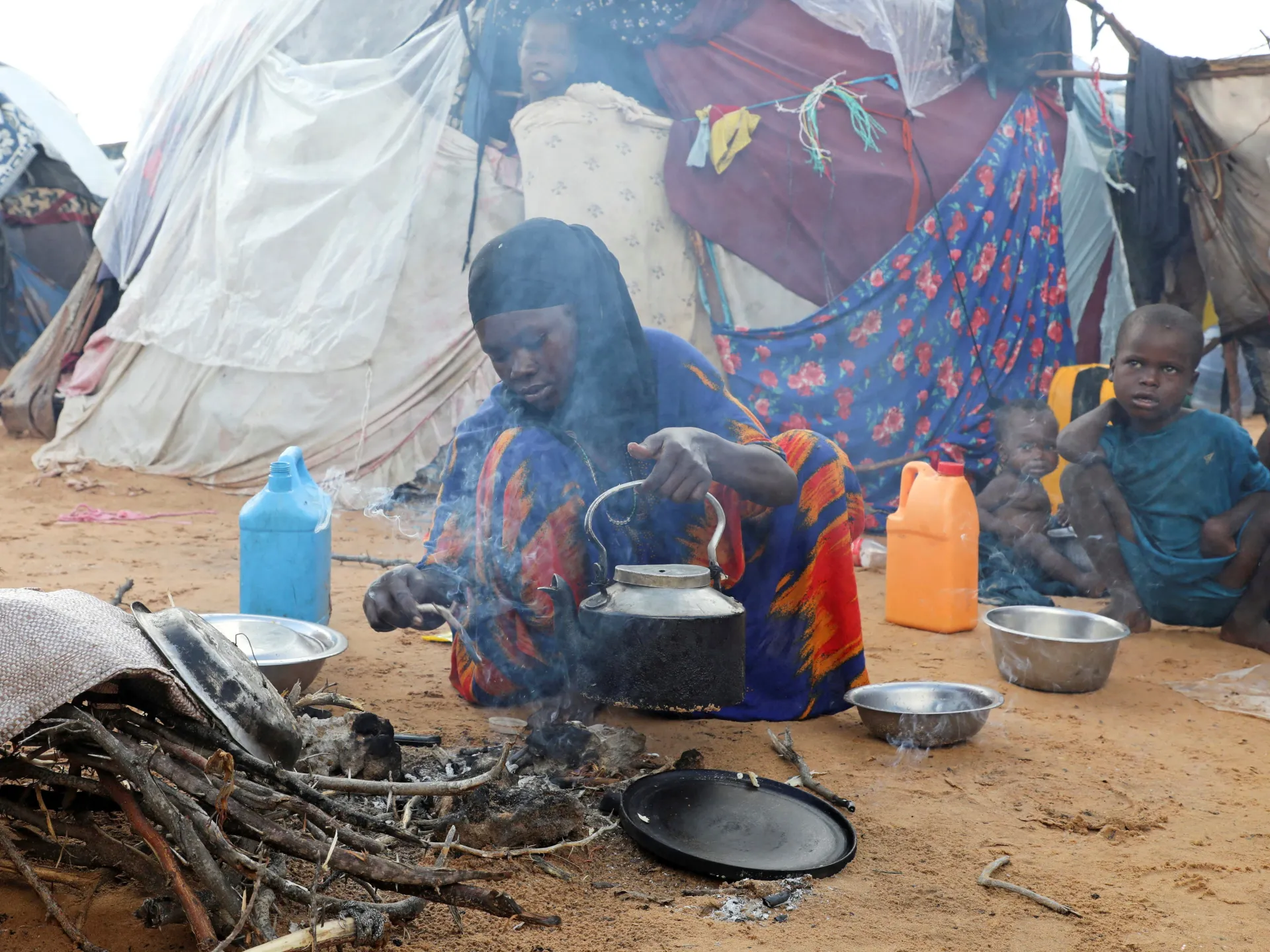
Torero said this disruption to the fertilizer supply chain has led to “an unprecedented shock to agricultural inputs” that could impact global food production through next year, potentially leading to higher food prices and more hunger globally.
In the U.N. analysis, even moderate disruptions could mean increased hunger and poverty for tens of millions. But if supply chain problems stretch into next year, global food consumption could take a hit for at least the next four years.