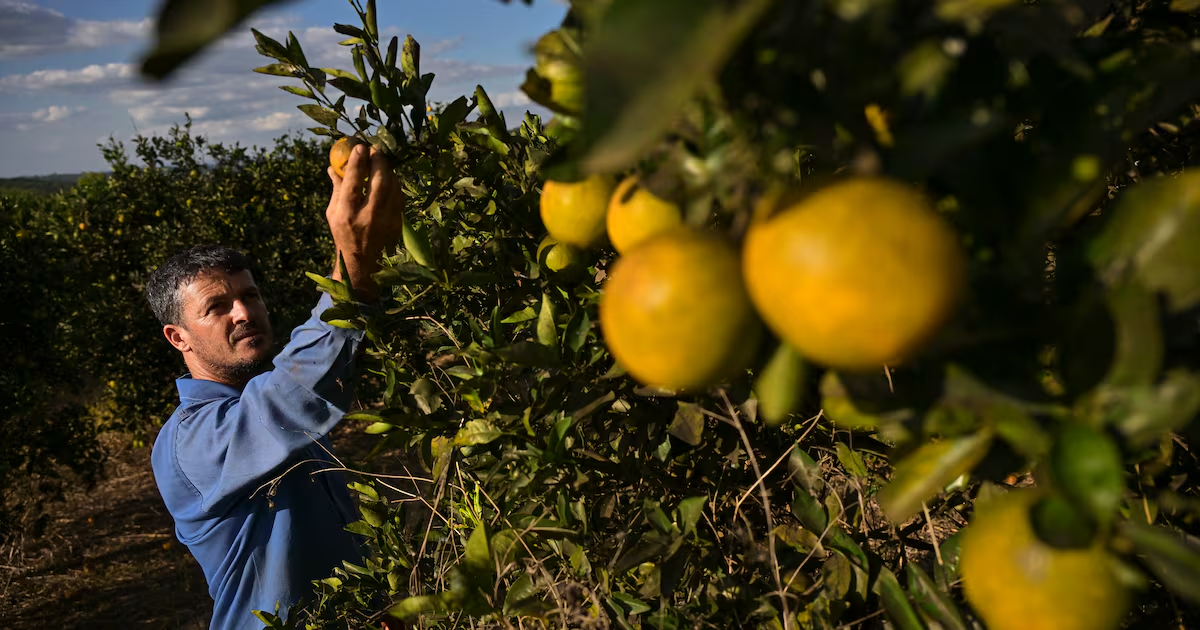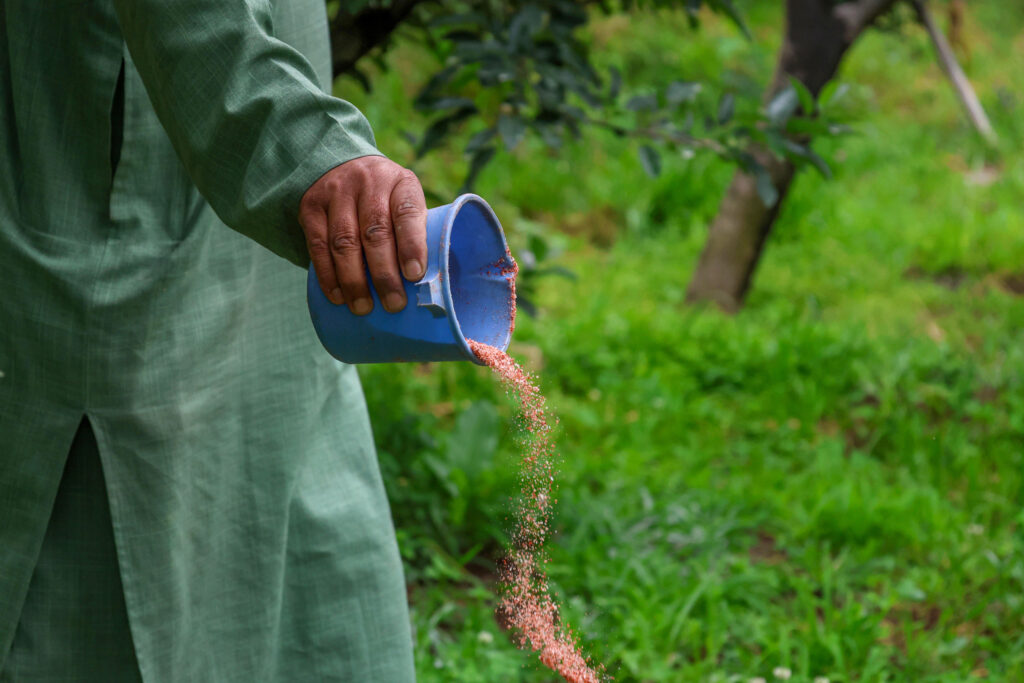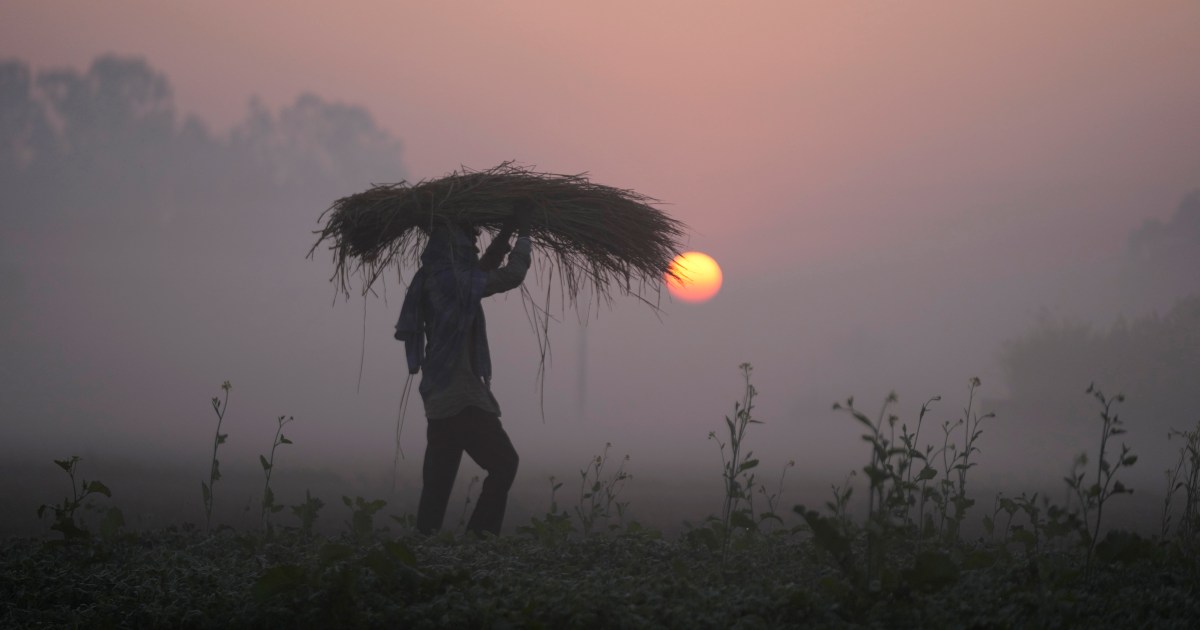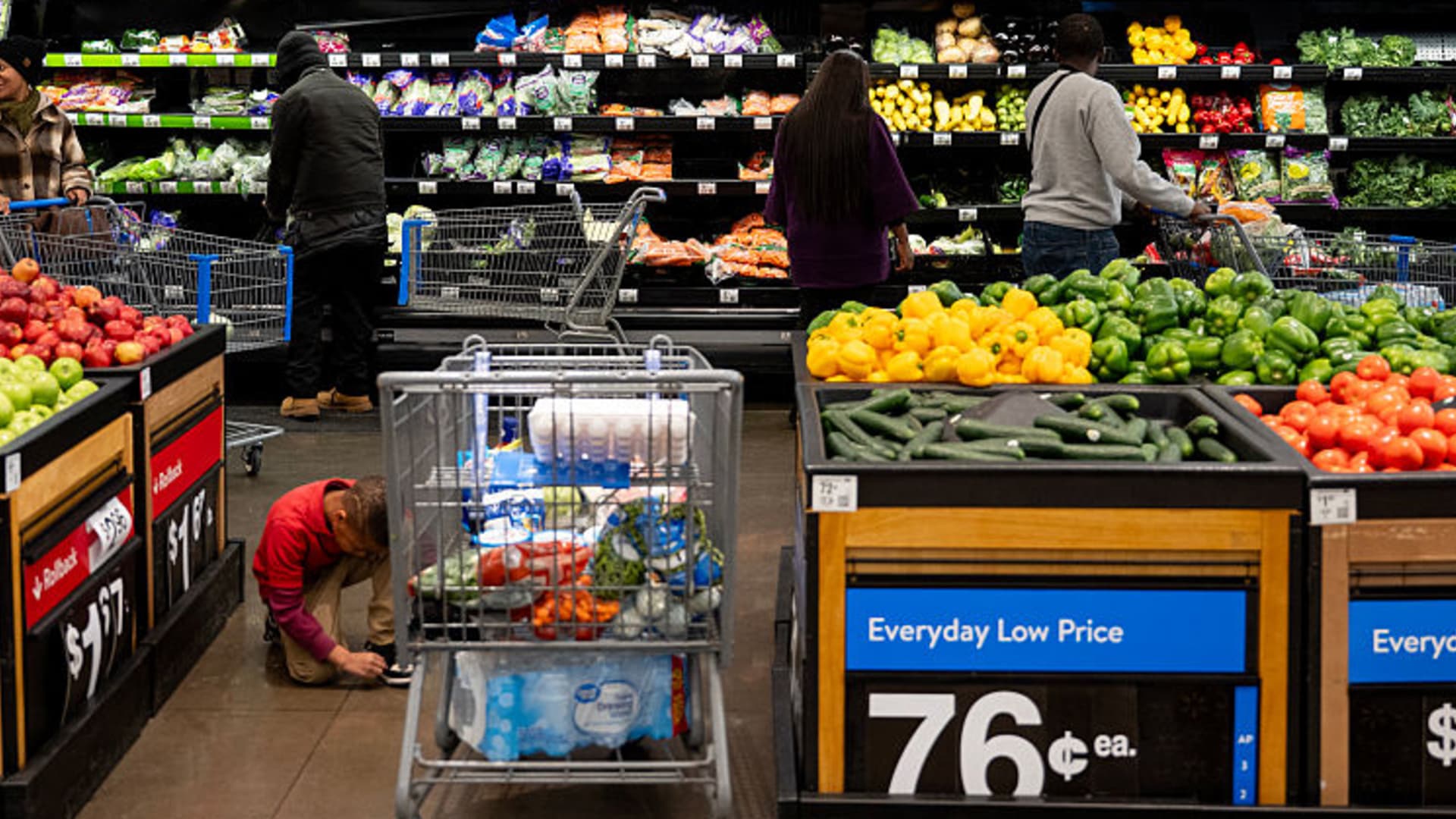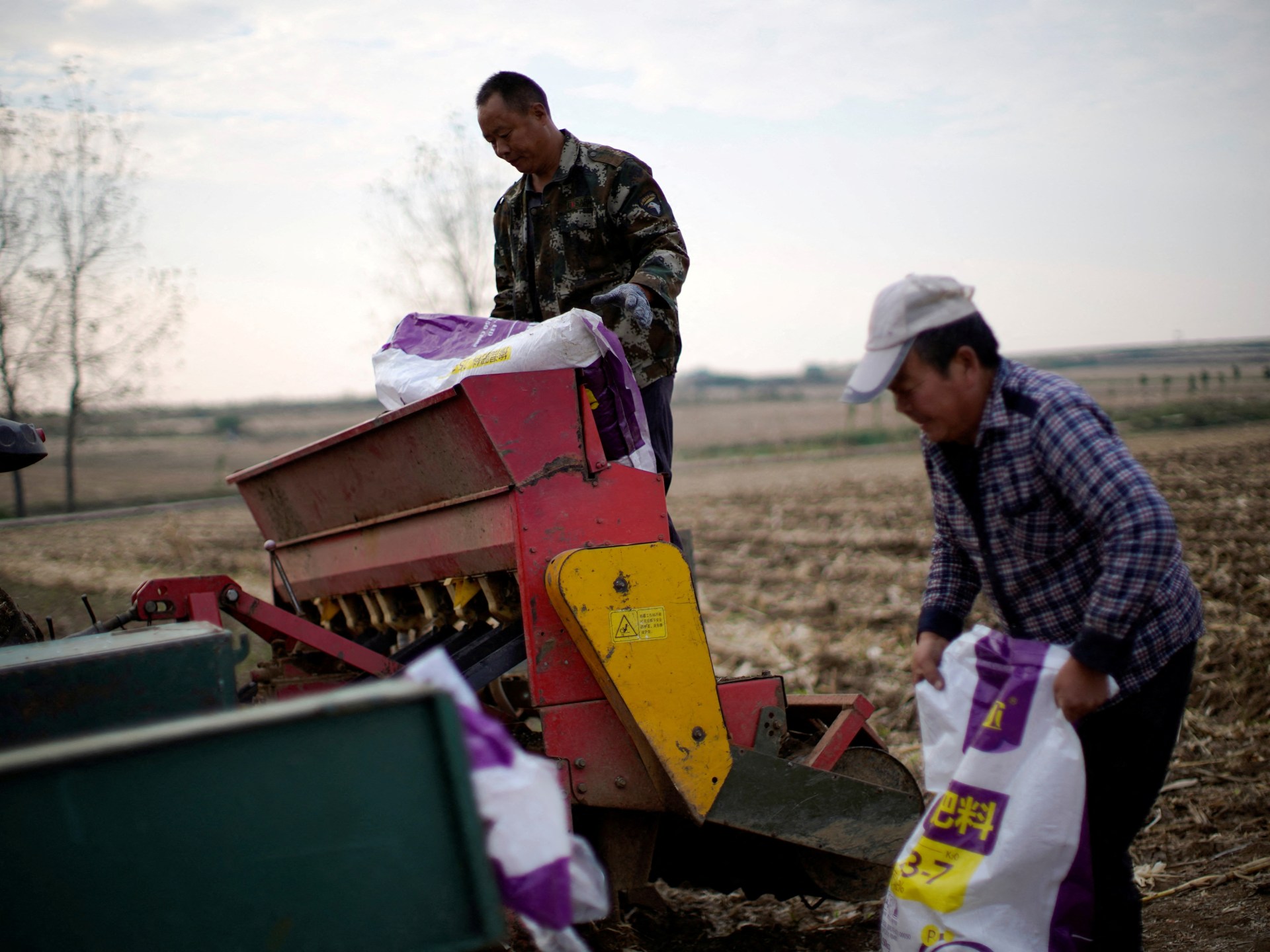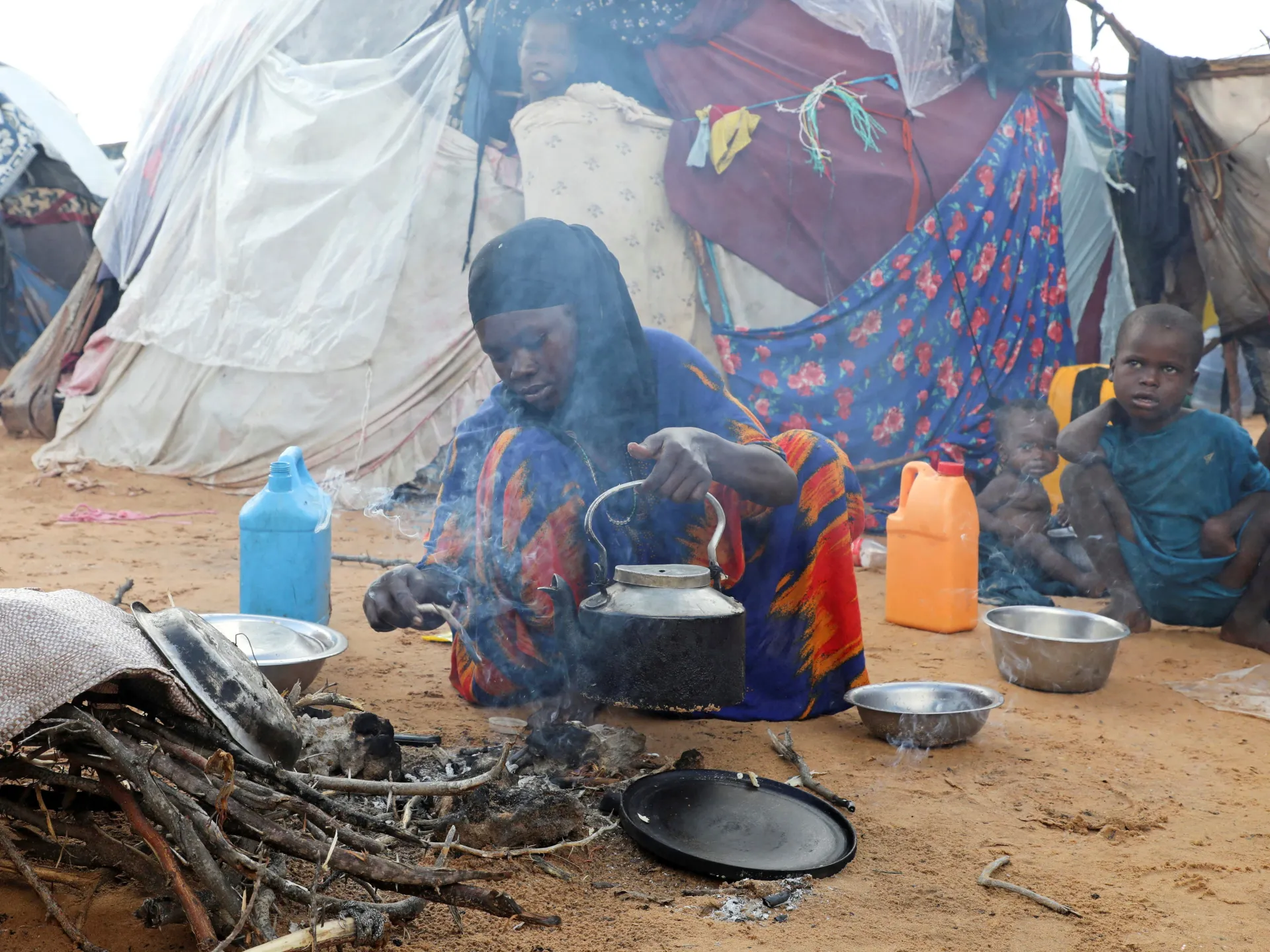
Bernhard Dalheimer teaches macroeconomics and trade at Purdue University. Speaking with Srijana Mitra Das in ET Evoke, he explains the impacts of the US-Iran conflict/stalemate on global food systems — and the spectre of rising food insecurity in a world already facing climate change and El Nino:Q. What are the likely impacts of the US-Iran war on food supply chains and eventually, food security — if this situation continues?A. One thing we know for sure is that the effects will be very heterogeneous, depending on the region. There are three ways oil shocks affect the food economy. One is through fertiliser prices, which we have already seen skyrocketing. The second is transportation costs, which we have also seen rising throughout the world. The third is biofuel, which is not a big driver at this stage.So far, the closure of the Strait of Hormuz has led to oil and fertiliser negative supply shocks, which have driven these price spirals. If the situ-ation stays as it is, it will have further effects through fertiliser cost increas-es, which will mostly seen in the next planting season in the developed world — in developing countries, especially Africa and parts of Asia, fertiliser price rises are already affecting farm profit-ability. Transportation costs as well in developing and lower-income countries constitute a much higher share of the cost of food than in developed economies. This is also where we see stronger effects on food prices.Q. You’ve written food price shocks hit the Global North and Global South differently — could you ela-borate on that?A . These differences arise from how important transportation costs, cooling systems, etc., are in the cost of producing food. That is the key variable — and that varies widely. In the United States, around 10% to 15% of the food dollar is on trans-portation, going upto perhaps 20% for fresh fruits and vegetables. In developing economies and other countries, the share of transportation cost is much higher, reaching even 50% at times. These are typically countries where foodt ravels long distances, roads are poor quality and machinery is not very energy-intensive. We know from the literature that especially in Sub-Saharan Africa, transportation is a really strong cost component in food production.The next factor is fertiliser. In high-income countries, fertiliser is a very marginal component of t h e food dollar — the on-farm component in this is about 30% or 40%, so usually, those would not affect food prices very powerfully. However, as fertiliser costs rise, and more importantly, transportation costs also become more enhanced, such oil shocks end up having stronger effects.The impact of fertili-sers also depends heavily on the planting season. In the Global North — and here, I’m talking actually about latitudes — planting decisions had already been made before March and fertiliser had already been purchased. So, this conf lict will have no effect on this year’s harvest. Yet, we’re now starting to think about 2027 and there is spec-ulation we might see some effects there. Everything in this situation is tied to hypotheticals as in, how long this shock will last and how strong an oil price rise this will be? Right now, most commodities are benefiting from relatively good stock situations — we had good harvests and there’s plenty of supply in the market, which is keeping commodity prices down now.However, if you need a lot of money to transport these stocks, that is where the oil shock comes in. It’s not about ‘thin markets’ for food products where there aren’t enough supplies to feed people — the pressure comes from having to get these supplies to people, and as the gas bill increases, that will drive up this cost. From the supply side, there is not a lot of pressure right now in the market.Q. We are already in a really hot summer — South Asia, for instance, is facing intense heatwaves. There is also an El Nino event added to climate change. How will that play a role in the global food supply situa-tion, which is growing tighter as the US-Iran conflict carries on?A. This is certainly another layer of uncertainty the world is experi-encing. Again, the El Nino effects will be heterogeneous across regions but its uncertainties are definitely adding more pressure on the food system. Climate-related shocks are also clearly increasing over time now and driving uncertainty and volatility in food prices.Another driver here is government policies — some reflect govern-ments respond-ing to many of these shocks and trying to cope with them by implementing solutions that are of ten not necessarily helping the situation on a global level. A typical situation we often see in an oil or climatic shock, for instance, that drives prices up is governments implementing export restrictions, trying to separate the domestic market from the inter-national one. In some instances, this might seem reasonable, especially with exporting countries — but it actually adds uncertainty to the mar-ket. This is perhaps a short-term solu-tion for some domestic markets that is, in terms of magnitude, not even that meaningful, but on the aggregate, internationally, it adds more uncertainty and increases prices even further. Now, if many countries enact these policies, the whole system is shaken again and again, adding more fragility to the market.Q. Can you recommend good policies in these uncertain situations? A. In my view, a better policy would not be iso-lation but diversification — nations should keep coun-tries open and trade with multiple partners, investing in reliable and meaningful relationships with sup-ply countries. Also, especially with middle income or lower income nations that have a lot of consump-tion of rice, there are stock programs.These make use of the private and public sectors and while there are some specific dynamics governments can certainly use to make these programs more efficient, there’s plenty of evidence on how these programs can help manage prices and create more stability. So, a combination of a well-managed public-private government storage strategy with open trade borders and diversified sourcing or export routes are good policy options — these are certainly better than isolationism. From a resilience perspec-tive as well, by closing your country, you’re really banking on only one source of your food — if you then experience a domestic shock, you see the problem amplified even more.Q. Can you explain the full human dimensions of how all these food system dynamics work?A. The US-Iran war, of course, has immeasurable human impacts in Iran and the countries actually engaged in this combat, where we see real victims and large damage. Then, there is also a key human dimension in food — so many of the world’s poor depend deeply on ag riculture. They are fa r mer s, subsi stenc e farmers or agricultural labour producing food.In many low-income coun-tries, agriculture employs upto 50% of the workforce. Now, in general, when food prices go up, it’s good news for these people as they earn better and can sell their produce for higher pro-fits. Urban consumers are impacted but there is this silver lining to the situation. The US-Iran conf lict shock is not like that because it’s raising input costs, so nobody is benefiting. Food consumers will have to pay higher prices and food producers face higher costs for fertiliser or transporta-tion. So, I worry this crisis will only have negative effects on everybody depending on food — and that is liter-ally everyone.Further, we might see food insecurity increasing in many nations. In developed countries, we could see higher rates of poverty with food insecurity as people have to spend more of their money on food. I don’t want to sound alarmist — but some alarmism is perhaps warranted in food-importing developing countries and regions like Sub-Saharan Africa.Views expressed are personal
‘The US-Iran war will hurt both food consumers — and producers’
The US-Iran conflict threatens global food supplies. Rising oil prices increase fertilizer and transportation costs. This impacts food production and affordability, especially in developing nations. Climate change and El Nino add further pressure. Experts warn of growing food insecurity worldwide. Diversification and open trade are recommended policies to mitigate these risks.
1,288 words~6 min read