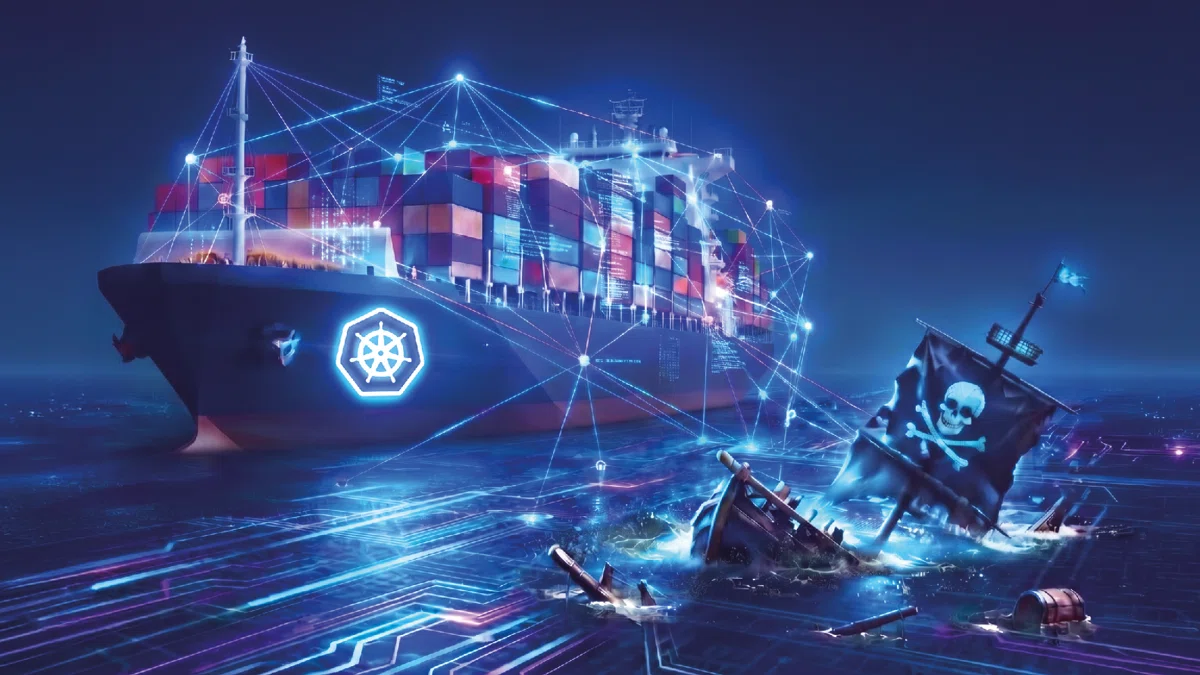
Kubernetes is the industry standard for scaling cloud-native workloads While it offers tremendous scalability and flexibility, securing Kubernetes environments remains a significant challenge. Organizations often rely on a collection of disconnected security tools to handle vulnerability scanning, runtime monitoring, compliance validation, and incident response.
As clusters grow in complexity, security teams face increasing alert fatigue, delayed response times, and difficulties correlating security events across multiple layers of the platform.
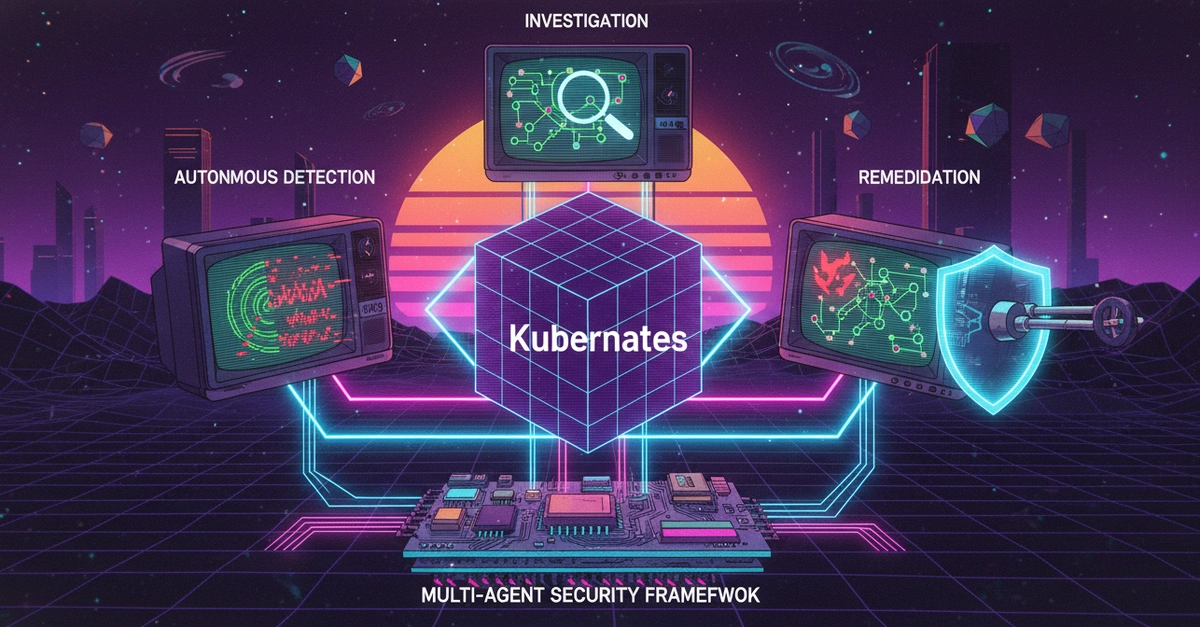
Recent advancements in Agentic AI present an opportunity to rethink Kubernetes security. Instead of relying solely on static rules and isolated security products, organizations can deploy a collaborative network of AI-powered security agents that continuously monitor, investigate, and remediate threats.
This blog explores how a Multi-Agent Security Framework can transform Kubernetes security operations through autonomous detection, investigation, and remediation.
The Problem with Traditional Kubernetes Security