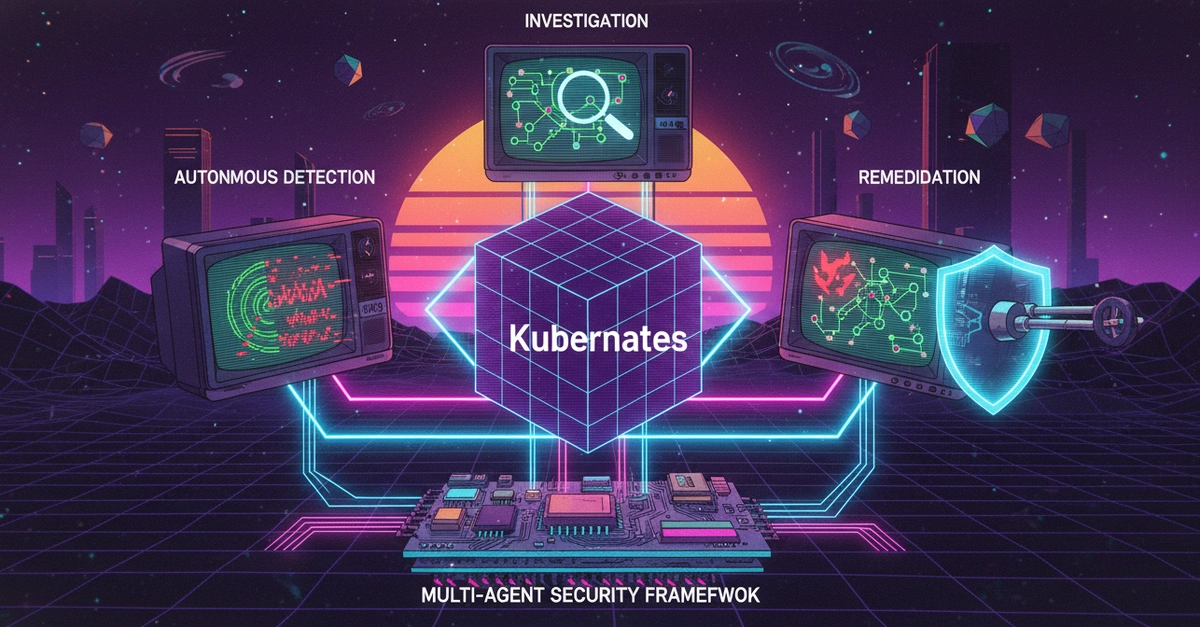
How AI agents expose critical gaps in Kubernetes' network and container security primitives, from prompt injection to model weight exfiltration.
Kubernetes' battle-tested security primitives, RBAC, NetworkPolicies, and Pod Security Admission, were designed for microservice threat models that predate the adversarial dynamics of generative AI systems. LLM agents introduce novel attack vectors including prompt injection, model weight exfiltration, and supply chain poisoning that bypass traditional container and network security controls entirely, leaving platform engineering teams scrambling to retrofit defenses onto AI stacks at regulatory gunpoint.
The Security Gap Nobody Planned For
Kubernetes has become the de facto orchestration platform for LLM inference workloads, yet its security model was never designed to reason about semantic payloads. NetworkPolicies enforce IP-level traffic rules and cannot inspect whether an HTTP request body contains a prompt injection attempting to exfiltrate a system prompt; RBAC can restrict which service accounts call an inference endpoint, but it cannot distinguish a legitimate completion request from an adversarial one crafted to hijack agent behavior. OWASP's LLM Top 10 ranks prompt injection as the number one vulnerability for LLM applications, and yet zero native Kubernetes admission controllers currently perform semantic validation of inference request payloads. Organizations rushing LLM workloads into existing clusters are effectively deploying a new threat class inside a perimeter designed for a different adversary, creating a structural security debt that perimeter-based tooling alone cannot repay.