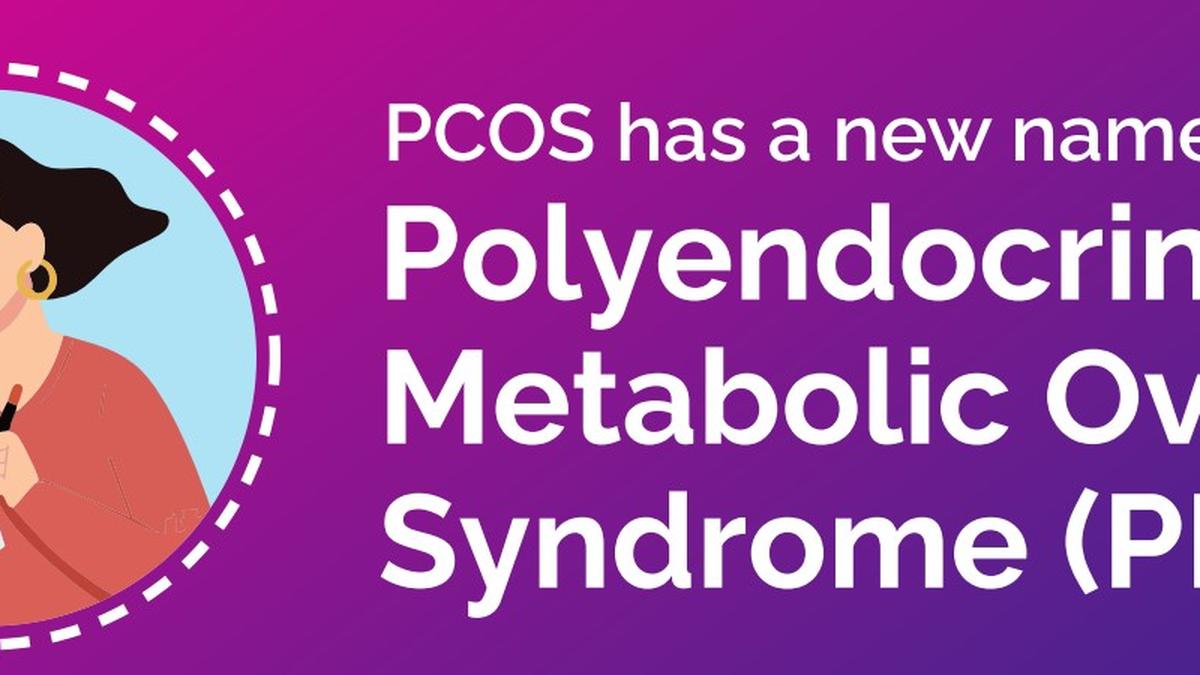
The name of a condition that affects between 6-10% of all reproductive-age women was recently changed from PCOS (polycystic ovary syndrome) to PMOS (polyendocrine metabolic ovarian syndrome) by an international consensus process.
Though well-intentioned, we have reservations about this change. We are concerned that it might exacerbate diagnostic confusion among patients and clinicians alike, worsen delays in diagnosis and treatment, and lead to discontinuity in advocacy, research, policymaking, patient education, and clinical tracking.
As a PCOS researcher and patient, I (Soucie) recall the years before my diagnosis: the dizziness that stopped me in my tracks; rapid weight gain; inexplicable hair loss; exhaustion; feeling up and down emotionally, and decidedly not in control of my body. I vividly remember sitting in doctors' offices for nearly 5 years, begging for answers. Nearly every appointment led to a dead end. Every time, I left without referrals, without testing, and without a diagnosis.
As I know all too well, PCOS/PMOS is a health condition usually marked by years -- if not decades -- of dismissal, invalidation, frustration, and gaslighting before a definitive diagnosis and treatment plan emerge. All the while, unchecked inflammation and metabolic dysfunction can lead to severe, sometimes lifelong health complications like type 2 diabetes, sleep apnea, heart disease, stroke, liver disease, infertility, and endometrial cancer. Given how distressing this is, we also see elevated rates of mental health concerns in people with PCOS.