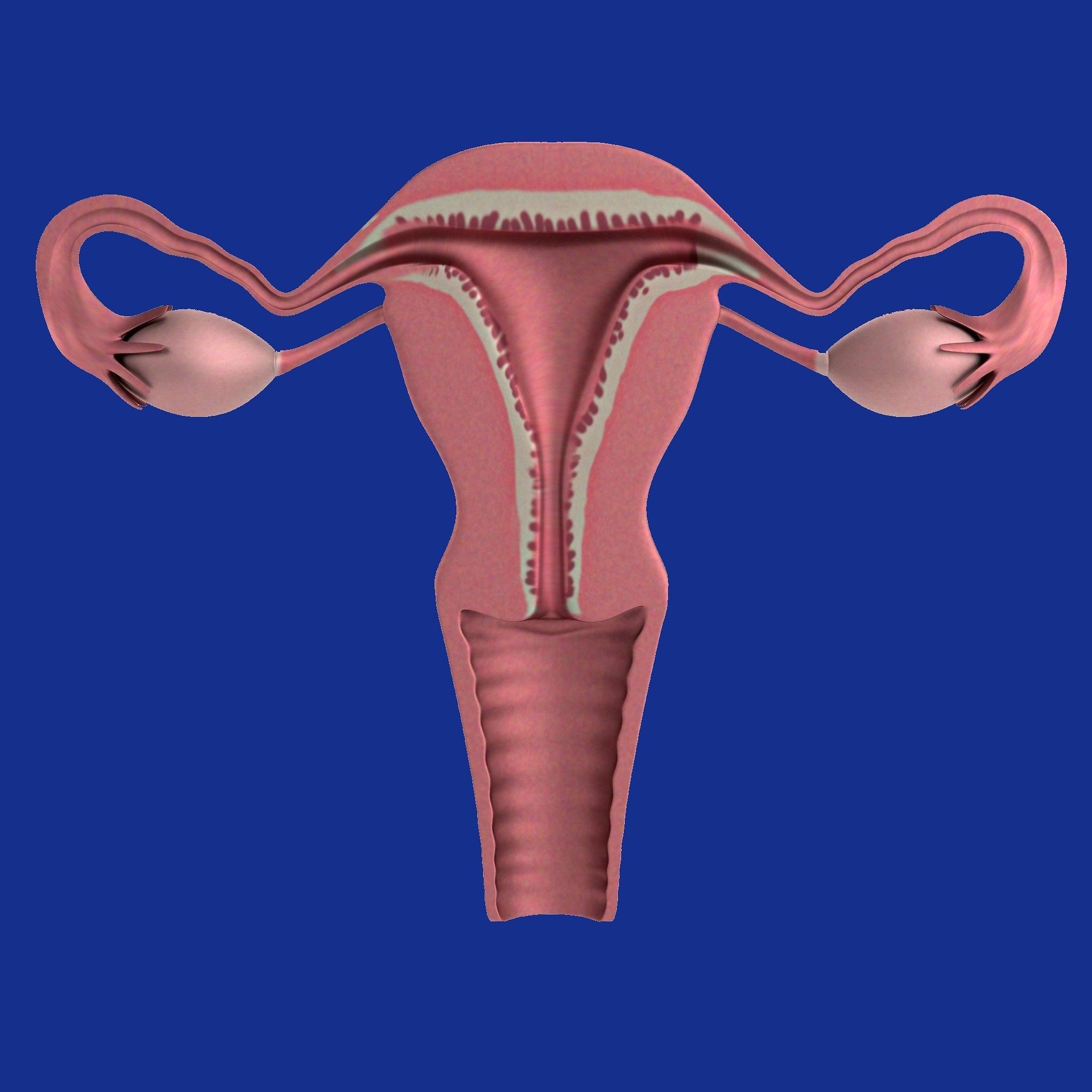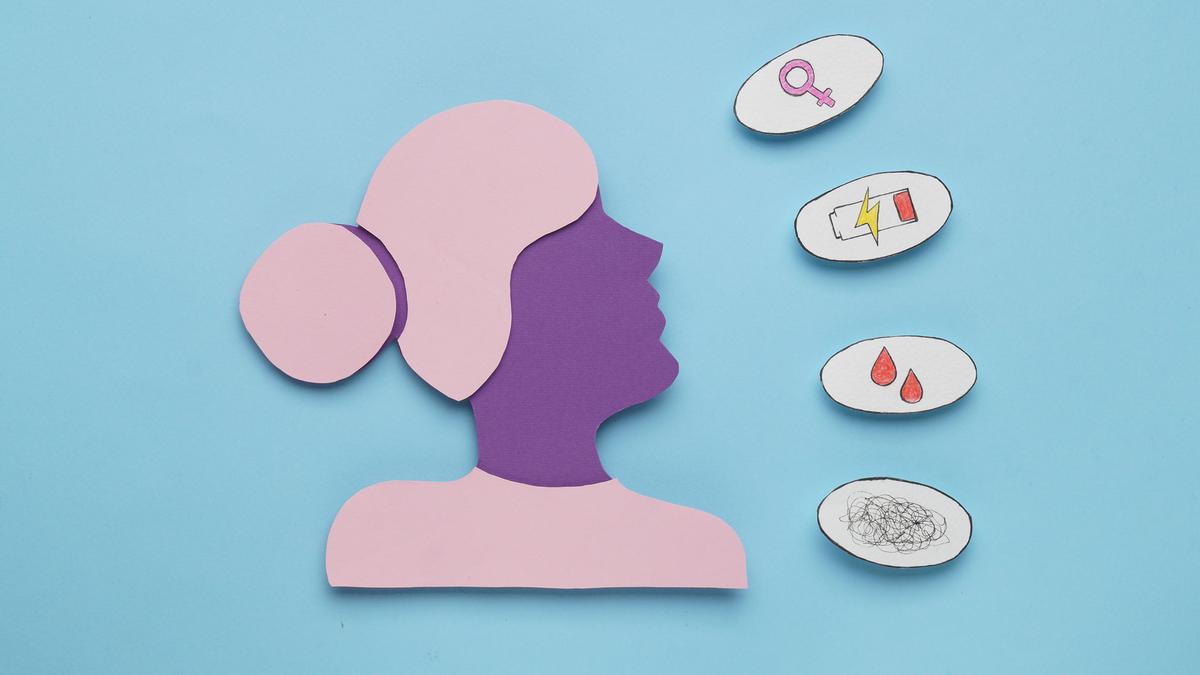
The global decision to rename Polycystic Ovary Syndrome (PCOS) as Polyendocrine Metabolic Ovarian Syndrome (PMOS) is a culmination of a decade-long collaboration between doctors, researchers, and patient groups. Led by Professor Helena Teede, Director of the Monash Centre for Health Research and Implementation in Melbourne, the rationale for the change was published in The Lancet last month. At the heart of the renaming was a growing recognition that the term PCOS could not capture the condition’s complexity, and reduced it to a reproductive disorder centred on the ovaries. It is a long overdue acknowledgement of the condition’s multisystem nature as PMOS manifests through a wide range of endocrine, metabolic, reproductive, psychological, and dermatological symptoms.India’s FemTech responseYet, even as the formal medical renaming to PMOS is enforced, India’s FemTech (female technology) industry had already begun treating PCOS as a multisystem condition. A paper published in 2024 by the authors of this article titled, “Platforming PCOS Treatment Online: FemTech Logics of Care,” showed how FemTech platforms curated integrated care packages that brought together general practitioners, diabetologists, endocrinologists, gynaecologists, dermatologists, nutritionists, fitness trainers, and psychologists to treat PCOS.Backed by venture capital funding, FemTech platforms conducted extensive market research to identify the gaps in conventional healthcare systems that stymied the long-term management of PCOS. Several platform founders were themselves women who had struggled to navigate gynaecological care that centred fertility and weight loss as the individual responsibility of patients. Their experiences shaped the emergence of platforms that framed PCOS as requiring coordinated and long-term care. Platforms also sought to improve doctor-patient interactions by training gynaecologists to avoid prejudiced language around marital status, fertility, and body weight. Since many aspects of PMOS management could be coordinated remotely, digital consultations also offered women greater privacy and flexibility in a culture that stigmatises unmarried women visiting gynaecologists unchaperoned.PMOS often first appears through irregular menstrual cycles. The underlying hormonal and metabolic imbalances can remain poorly understood for years delaying treatment. In both families and clinical settings, it is viewed primarily through the lens of fertility and weight loss, generating shame and anxiety around marriage prospects and hostility within marriages itself.FemTech platforms positioned themselves as offering an integrated and non-judgemental approach to PCOS care. They foregrounded its multifaceted nature, and as of 2025, India’s FemTech market was estimated to be worth $1.48 billion.Limits of privatised careHowever, reliance on FemTech platforms creates new vulnerabilities for long-term healthcare delivery. First, access to these platforms depends on the ability to afford uninterrupted internet connectivity and recurring subscription costs. As a result, these services cater disproportionately to urban, digitally savvy women. For most people, gynaecologists in conventional healthcare systems are usually the first point of contact when they start showing PMOS symptoms. Strengthening these systems is therefore essential to public health.Second, as start-ups, FemTech platforms are vulnerable to market volatility. They are dependent on investor confidence. None of the platform founders who were interviewed had secured funding beyond the preliminary ‘Series A round’ and one of the platforms had to cease operations stranding patients. In the absence of regulatory safeguards, these issues weaken FemTech platforms’ claim of being robust alternatives to conventional healthcare systems.Third, while platforms attempt to improve gynaecologist-patient interactions, scaling such interventions is challenging without broader reforms in medical education and clinical training. The shortage of gynaecologists in India, particularly in rural regions, further intensifies this challenge.The larger healthcare crisisTherefore, while FemTech platforms address a real and underserved need, they equally reflect deeper infrastructural failures. The long-term solution to conditions such as PMOS requires investment in public healthcare infrastructure and medical education that move beyond a narrow, fertility-first framework. Doctor-patient interactions must become more inclusive and respectful to women. At the same time, it is important to recognise the strain under which gynaecologists work, particularly in public hospitals. Overcrowded conditions, high patient volumes, and inadequate infrastructure leave little room for privacy and counselling. While FemTech platforms may ease some pressures by coordinating care digitally, they cannot substitute public healthcare.Moreover, discussions around PMOS rarely engage with broader environmental factors such as adulterated food, pollution, chronic stress, and toxins. If the shift from PCOS to PMOS is to be meaningful, it should encourage a deeper reconsideration of how chronic women’s health conditions are understood, prevented, and cared for in India.Taru Jain is senior design researcher at CoRE Stack — a digital public good for climate change resilience in rural India; Preeti Mudliar is DFAT-CAIR-Maitri Fellow at the Australia India Institute, University of Melbourne researching digital public infrastructures
The FemTech industry’s approach to PMOS
Discussions around PMOS rarely engage with broader environmental factors such as adulterated food, pollution, chronic stress, and toxins
744 words~3 min read