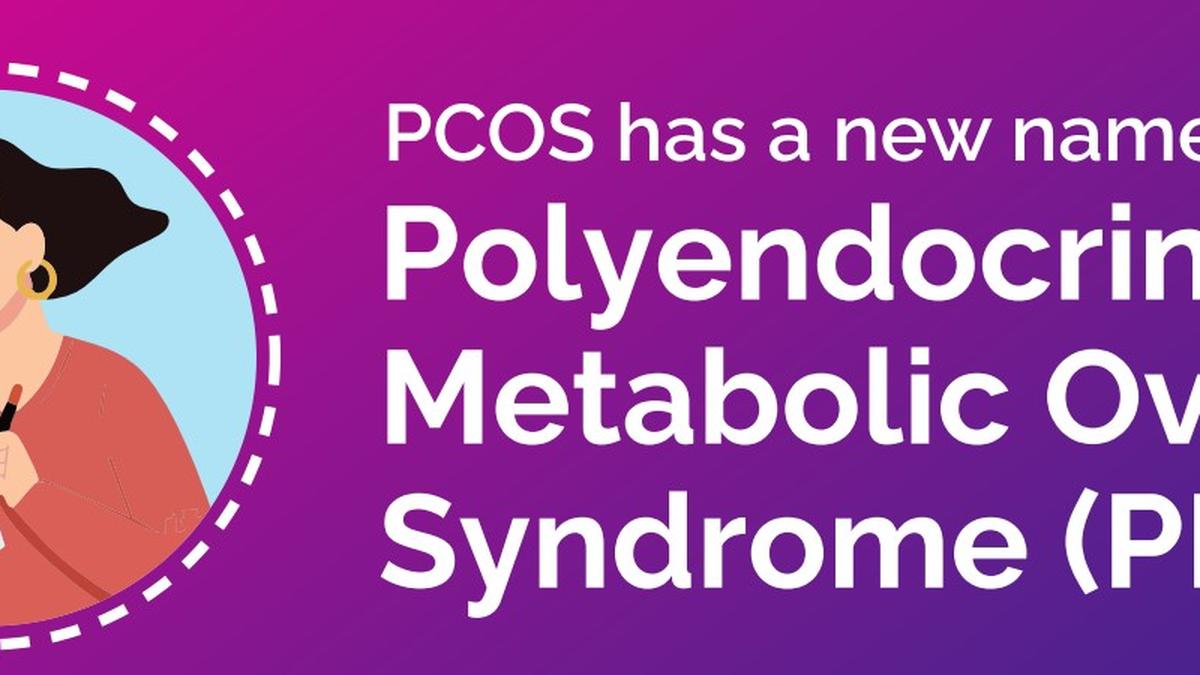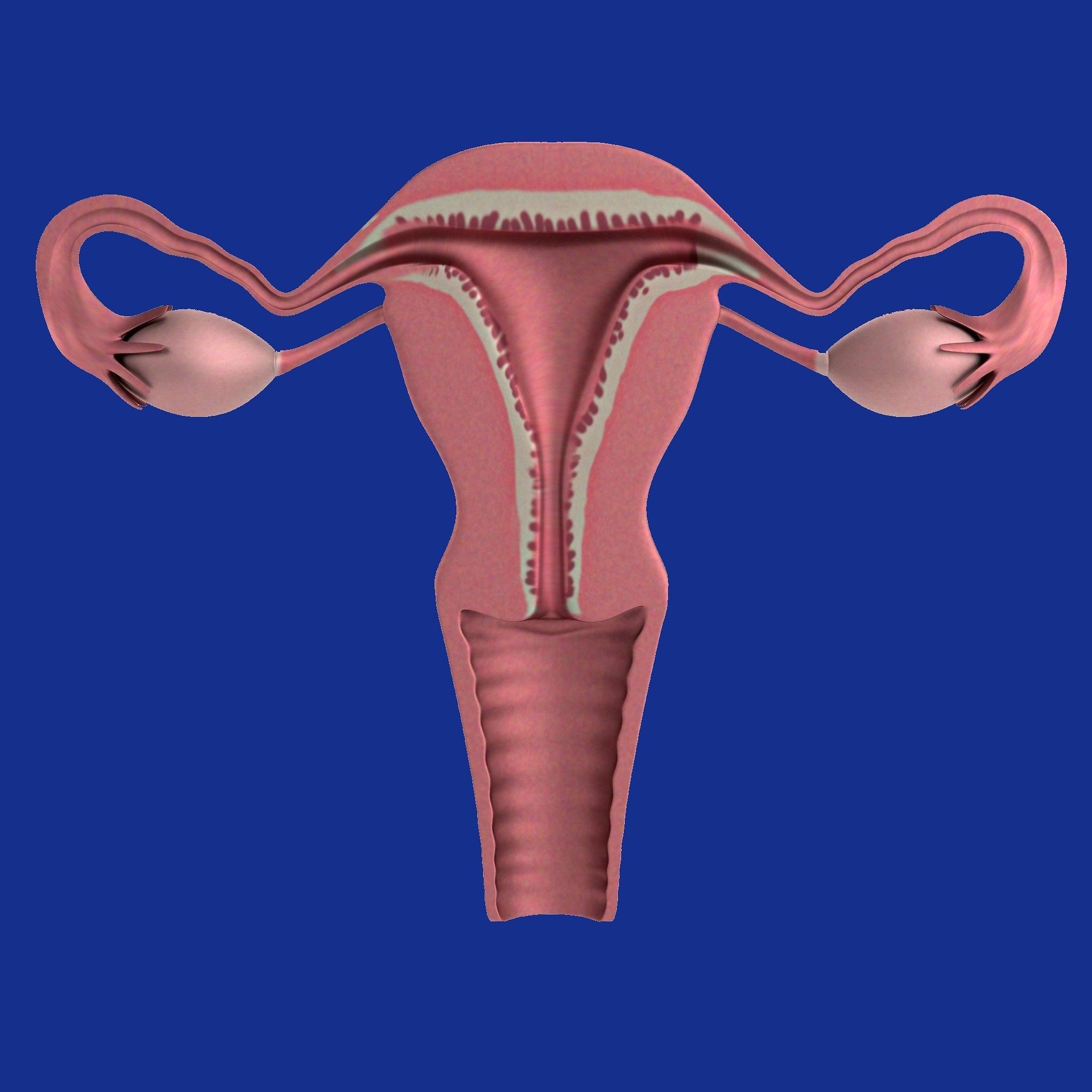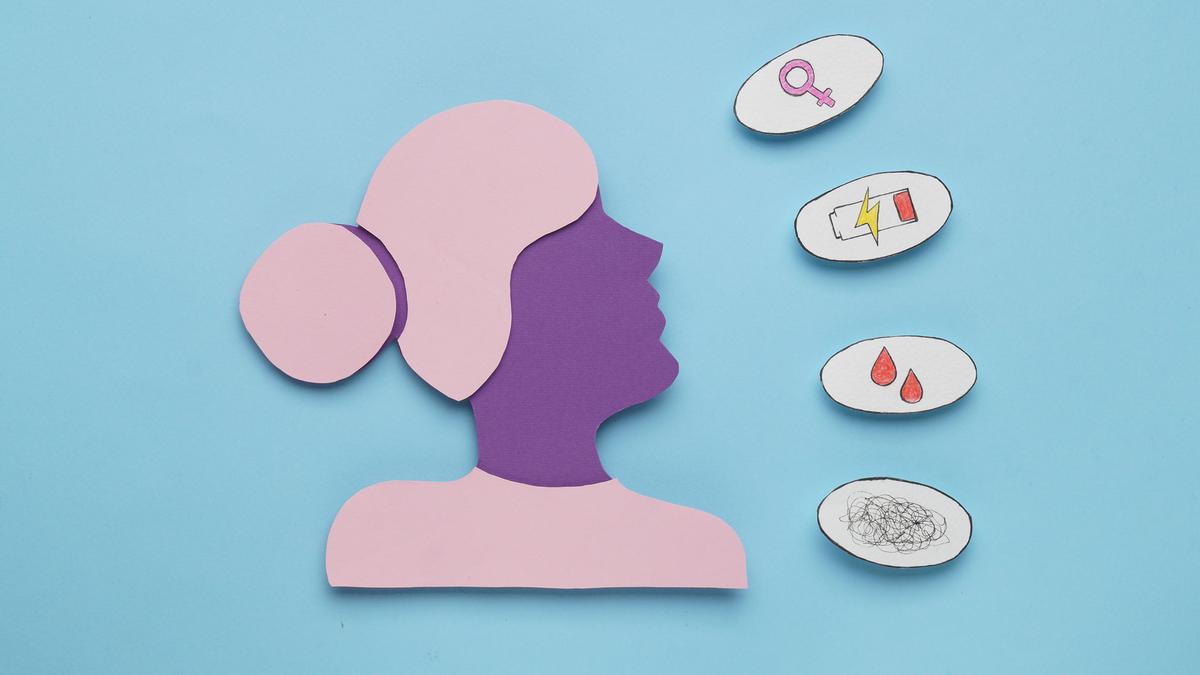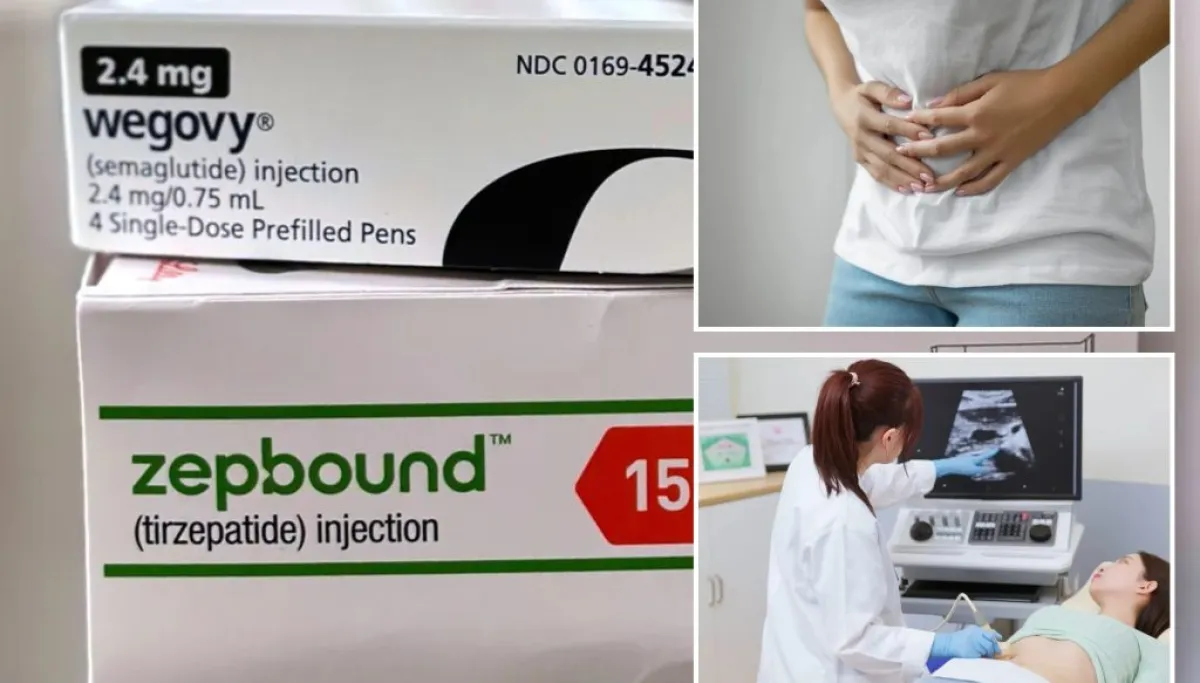
Millions of women could soon have greater access to GLP-1 weight loss medications following the global effort to change the name of a hormonal condition that affects 1 in 8 women globally. The condition, formerly known as Polycystic Ovarian Syndrome, or PCOS, recently underwent a name change following a years-long international effort, led by the Endocrine Society and women’s health researchers worldwide, to update how clinicians care for women struggling with the disease.The condition now called Polyendocrine Metabolic Ovarian Syndrome, or PMOS, is the leading cause of infertility in the United States. Women with PMOS symptoms can have trouble maintaining a healthy weight, mental health struggles, excessive hair growth or loss, and loss of reproductive functions, including missed periods and no ovulation.
But getting diagnosed with PMOS can be a challenge, in part due to the variety of symptoms. Research suggests that it can take, on average, one year and at least three doctor’s visits to get an official PMOS diagnosis, with some women taking multiple years of trial and error before getting to a diagnosis based on varying symptoms.
Dr. Melanie Cree, a physician researcher at the University of Colorado Anschutz, told the Washington Examiner that the goal of the name change is in part to help women get treatment for the underlying metabolic, or cellular, dysfunction that causes the range of PMOS symptoms.