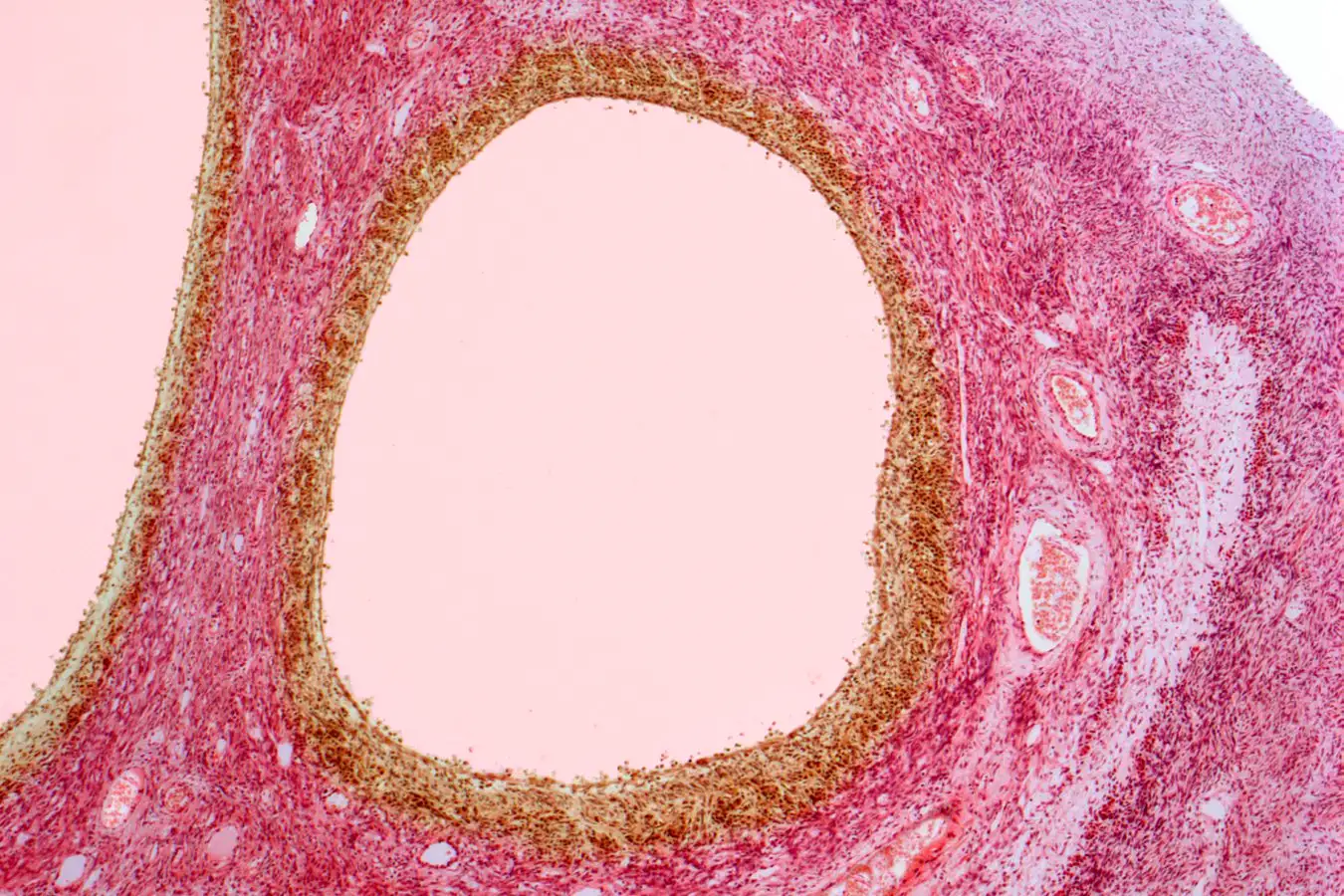
Portrait of group womengettyFor nearly a decade, millions of women have been diagnosed with a condition called polycystic ovary syndrome — a name that limited both timely diagnosis and treatment. This month, the medical community and affected patient population corrected the misnomer.Published in The Lancet on May 12, 2026, a landmark global consensus renamed the condition to polyendocrine metabolic ovarian syndrome. The new name was developed through an unprecedented process involving 56 academic, clinical and patient organizations, with input from more than 14,300 people worldwide. The intention of the experts was to ensure each word in the name was a deliberate and accurate representation of the constellation of symptoms and organ systems involved. This change is not simply a rebrand as much as it is a movement toward understanding the comprehensive nature of the diagnosis.Shruthi MahalingaiahShruthi Mahalingaiah“It acknowledges the complex multi-organ system aspects of the condition," says Dr. Shruthi Mahalingaiah, faculty in the Division of Reproductive Endocrinology and Infertility at Massachusetts General Hospital. The impact of the decisions is measurable as the condition affects up to 10% of women in their reproductive years. "The new name, PMOS, allows for improved patient experience for education and longterm health management for prevention and risk reduction.”What Was Wrong With The Name ‘PCOS’?The diagnostic criteria centers around three broad markers: abnormal ovulation, androgen excess and pelvic ultrasound findings. However, making a diagnosis is challenging. MORE FOR YOUA 2020 review published in Therapeutic Advances in Reproductive Health laid out the diagnostic controversies in detail. The criteria have shifted multiple times over the decades — from NIH guidelines in 1990, to the Rotterdam criteria in 2003, to Androgen Excess Society criteria in 2006, meaning the same patient could be diagnosed under one framework and missed under another.Hormone testing, a key diagnostic tool, lacks a universally accepted standard, with reference ranges varying widely across laboratories and most assays originally designed for male hormone levels. Ultrasound thresholds for identifying polycystic ovaries have moved from 10 follicles, to 12, to 19 or more, depending on the era and the technology used.And in adolescents, irregular cycles and multifollicular ovaries are often a normal part of puberty, making it clinically difficult to distinguish typical hormonal development from early disease.What PMOS Gets RightThe word “polyendocrine” acknowledges that this condition is driven by multiple interacting hormonal pathways, insulin, androgens and neuroendocrine signals. “Metabolic” addresses what experts have known for years: that insulin resistance, weight changes and elevated cardiovascular risk are core features. “Ovarian” preserves the reproductive dimension, irregular cycles, ovulation disruption and fertility challenges, while removing the centering of ovarian cysts.How PMOS May Present In PatientsThis condition is also hard to diagnose because it looks different in every woman — symptoms span multiple body systems and vary widely in severity.Dark skin patches may be associated with PMOSgettyFrom a reproductive standpoint, patients may experience irregular or absent periods, disrupted ovulation, excess facial or body hair, thinning hair on the scalp and infertility. On the metabolic side, patients might develop insulin resistance, weight gain, difficulty with weight loss and dark velvety skin patches around the neck or armpits, as well as significantly elevated risk of prediabetes, type 2 diabetes and cardiovascular disease. Patients may also develop severe acne and oily skin as well as persistent fatigue, anxiety and depression that often go untreated because the symptoms are not connected to a single underlying hormonal picture.For years and for many, these symptoms were treated as separate problems by separate specialists. PMOS asks clinicians to finally consider them as one.Why Did The Change Happen Now?“There is increased awareness of the multi-organ systems affected by this condition," says Mahalingaiah. Experts and patients knew the condition did not only affect the ovaries. “With the patient voice and advocacy teams, there was more support to inspire the international teams of clinicians and researchers,” adds Mahalingaiah. She tells me the researchers and advocates of this change were careful as they led this global consensus process. “That kind of work takes time.”The hope is that the new name shapes how the condition is diagnosed, treated, funded, studied and understood.
PCOS Is Now PMOS—What The New Name Means For The Women It Affects
PCOS has been renamed PMOS. Here's what the change means for the millions of women living with this misunderstood, often misdiagnosed condition
677 words~3 min read