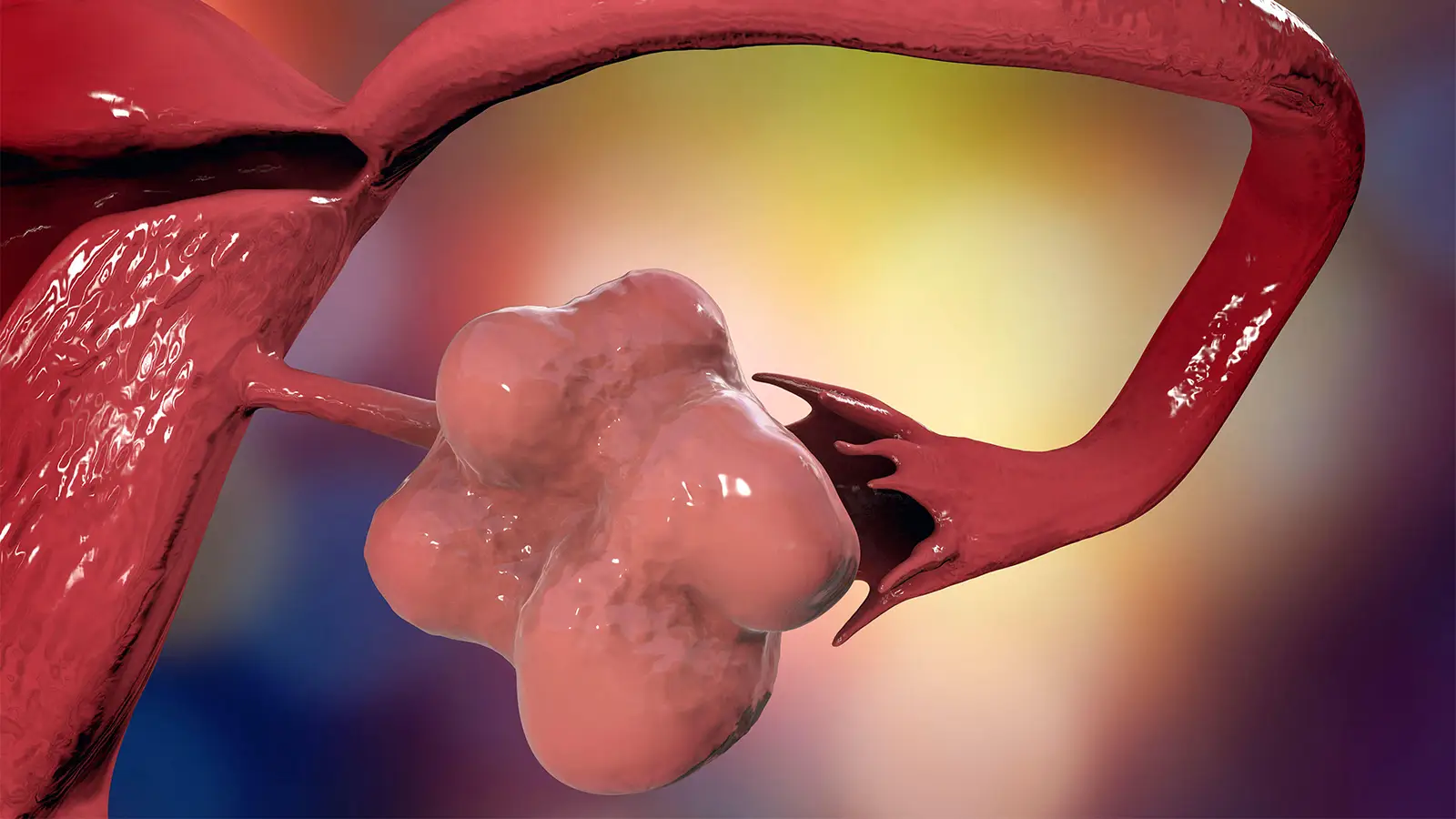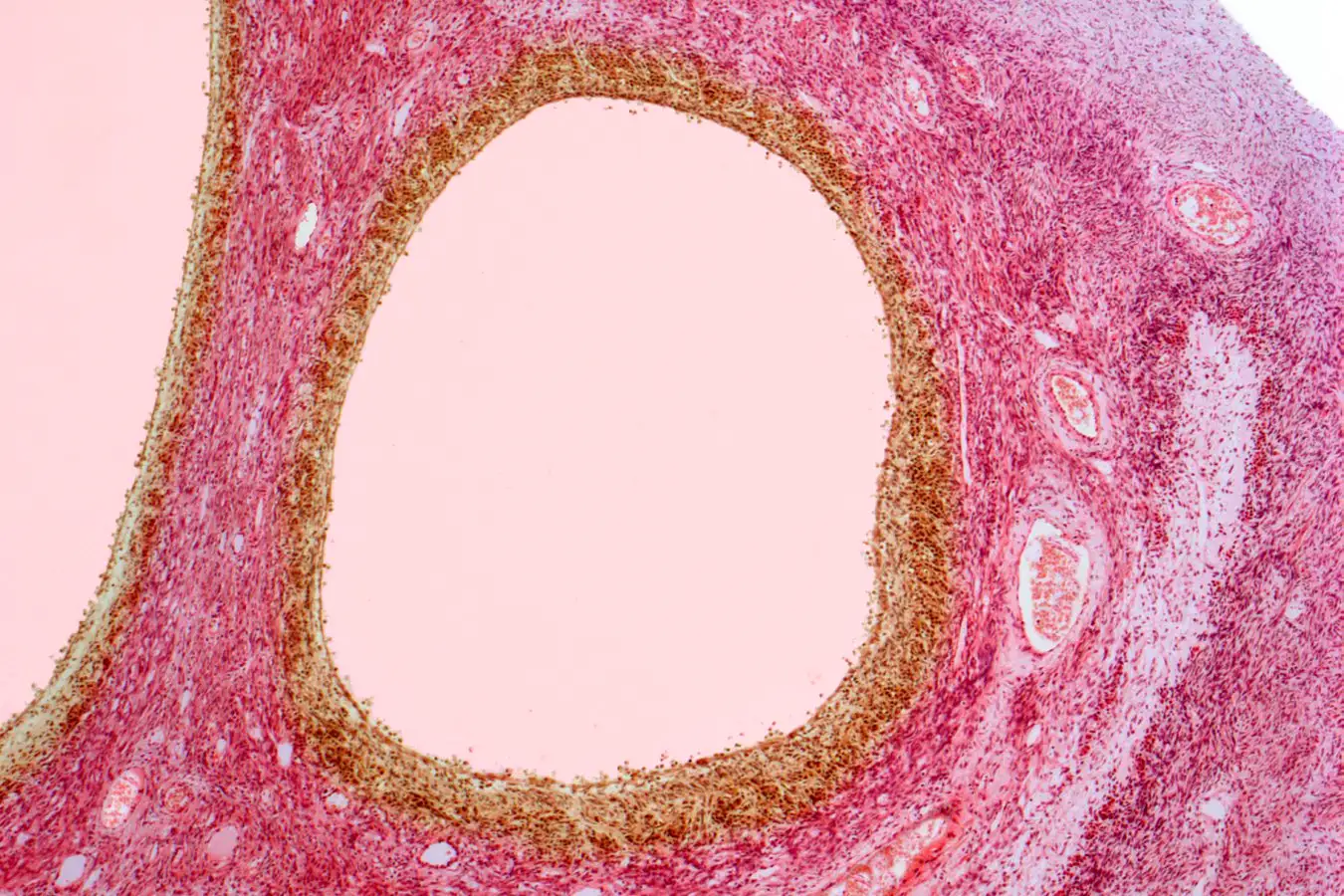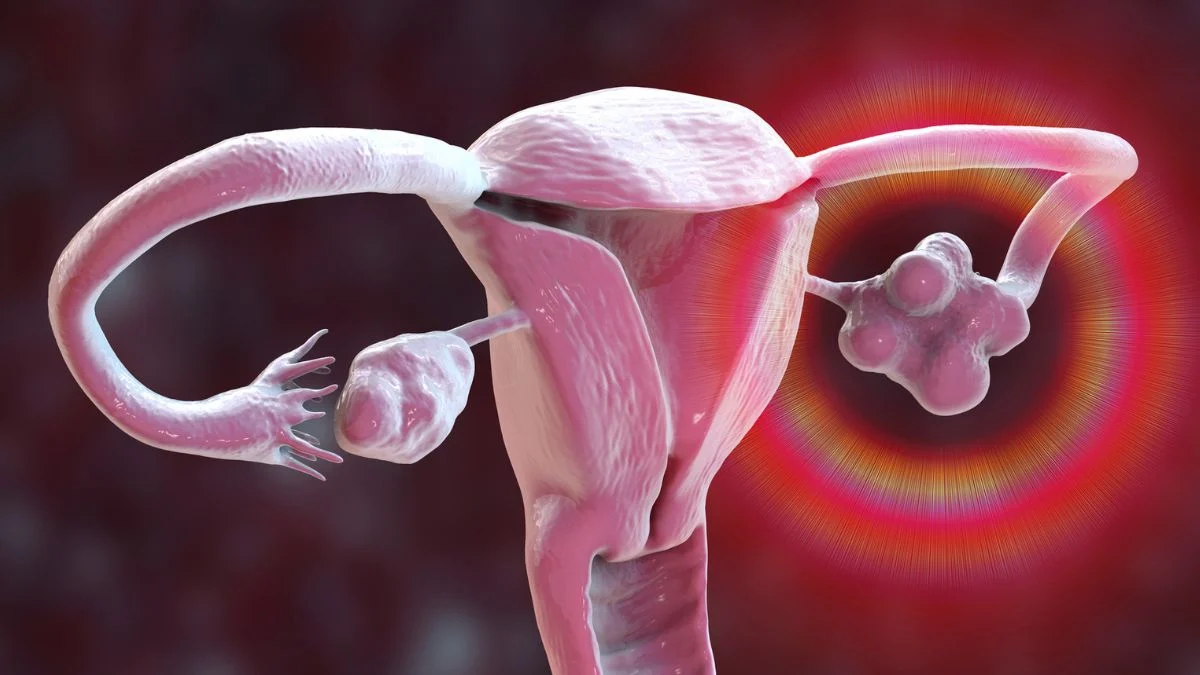
A hormonal condition affecting 1 in 8 women around the world just got a new name in hopes of improving care. It Is now called polyendocrine metabolic ovarian syndrome instead of polycystic ovary syndrome.Researchers and supporters of the change said the old name, often shortened to PCOS, is inaccurate. It reduced a complex hormonal or endocrine disorder to a misunderstanding about cysts and a focus on ovaries, contributing to missed diagnoses and inadequate treatment, said the Endocrine Society, a global group of physicians and scientists.“The thought behind that is that one, there’s no cysts in the ovary, so it’s very confusing,” said Dr. Melanie Cree, one of the authors of the Lancet article and a pediatric endocrinology expert at the University of Colorado Anschutz. “The hope was that with a more comprehensive and accurate name change, that it would start to enable and push better care.”The name change – made after 14 years of collaboration between experts and patients – was published in The Lancet on Tuesday.
Now PCOS is called PMOSThe condition is characterized by fluctuations in hormones that can affect weight, metabolic and mental health, the reproductive system and the skin.It is associated with metabolic syndrome, a group of health conditions that increases your risk of Type 2 diabetes, heart disease and stroke, Dr. Sarah Hutto with the University of Minnesota Medical School said in an online article put out by the university.No one knows exactly what causes the condition, but there’s evidence that genetics and obesity play roles, according to the Cleveland Clinic.