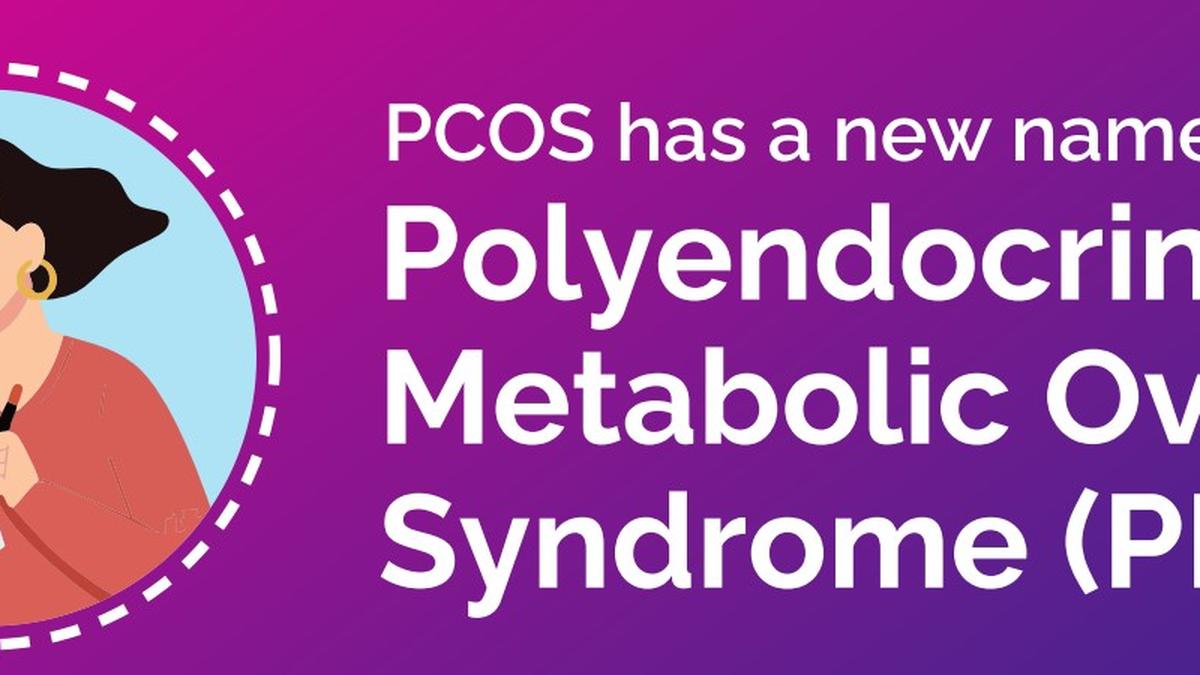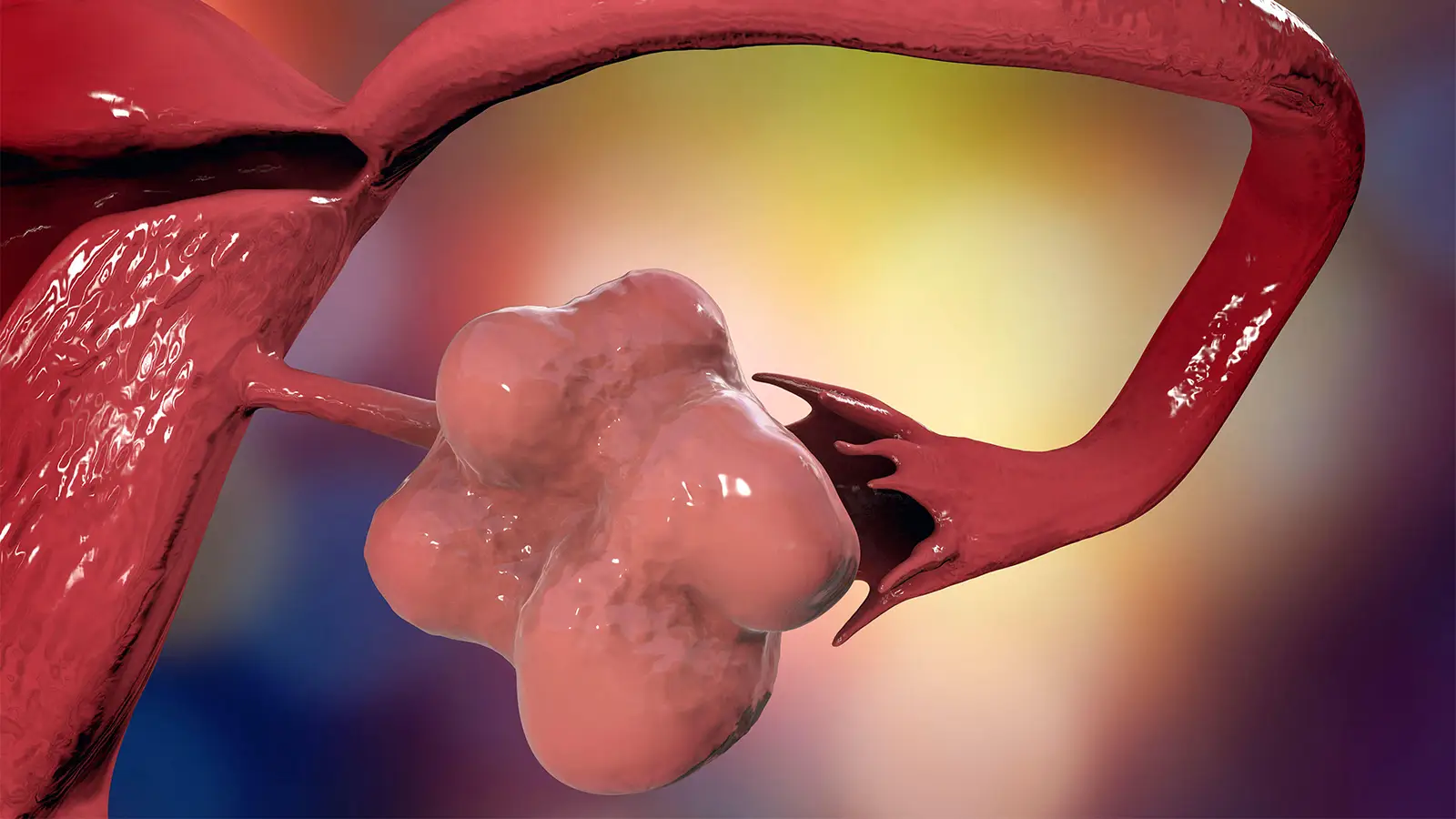
An estimated 1 in 8 women live with polycystic ovarian syndrome, commonly referred to as PCOS. However, the name is a bit of a misnomer; it suggests that the condition affects only the ovaries. In actuality, the condition is a broader metabolic and hormonal disorder. After years of research and patient advocacy, a recent report in The Lancet announced a new designation to reflect the condition's whole-body impact: polyendocrine metabolic ovarian syndrome (PMOS).
Kourtney T. Grant, M.D., assistant professor in the Department of Obstetrics & Gynecology in the University of Kentucky College of Medicine, discusses the reason for the name change, and what it means for the millions who live with the symptoms of PMOS.
What is PMOS and what's the reason for the name change?
PMOS, formerly known as PCOS, is a common condition that can impact a patient in many ways, including reproductive care, cardiovascular health, dermatologic conditions and even mental health. The new name highlights that PCOS is a misnomer and that ovarian cysts are not the primary finding in this condition, but an array of underlying metabolic dysregulations. The updated name encourages providers and patients to think about the condition as whole-body, not just the reproductive system.