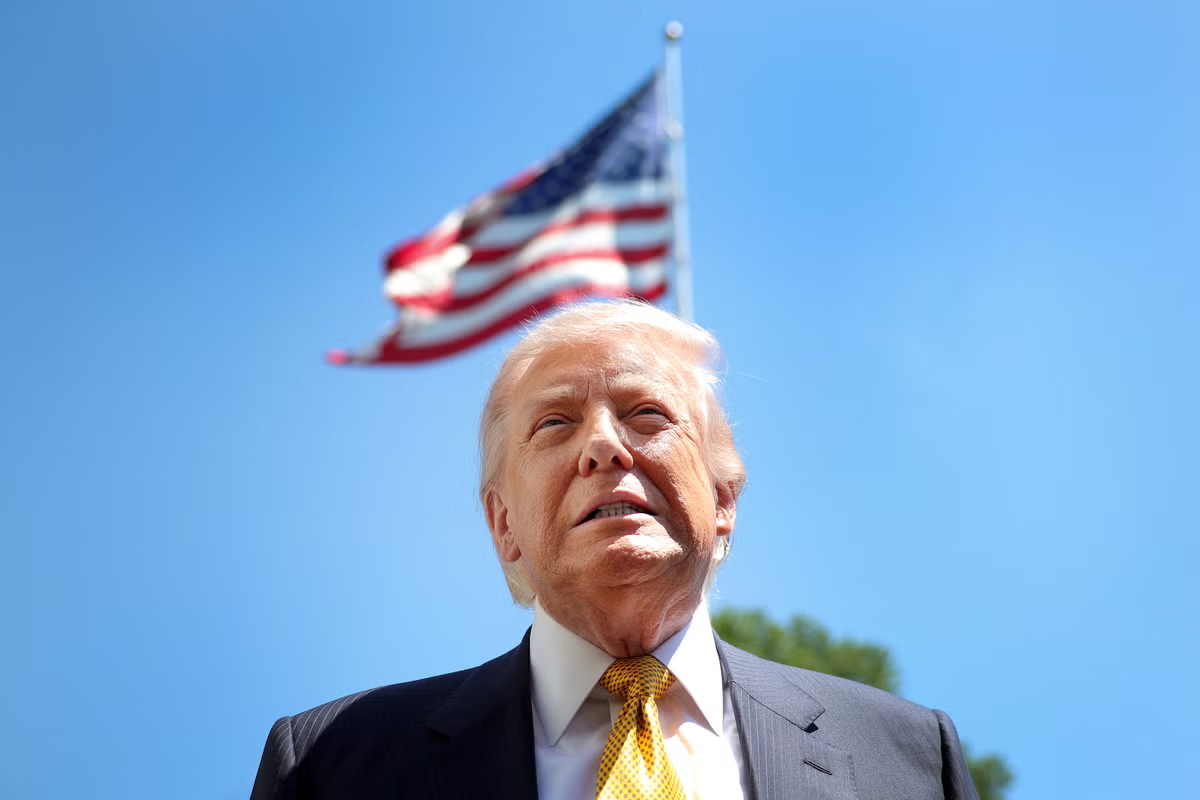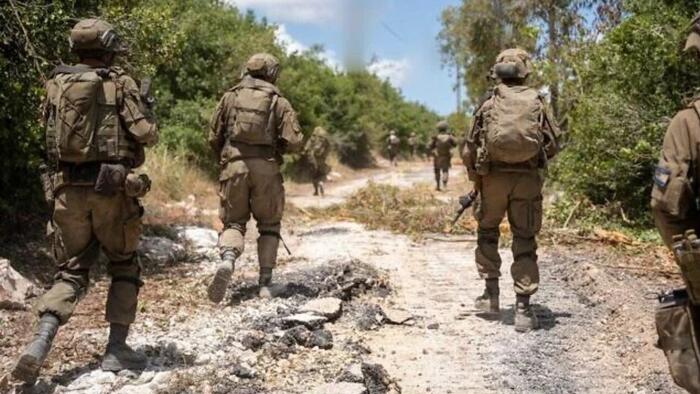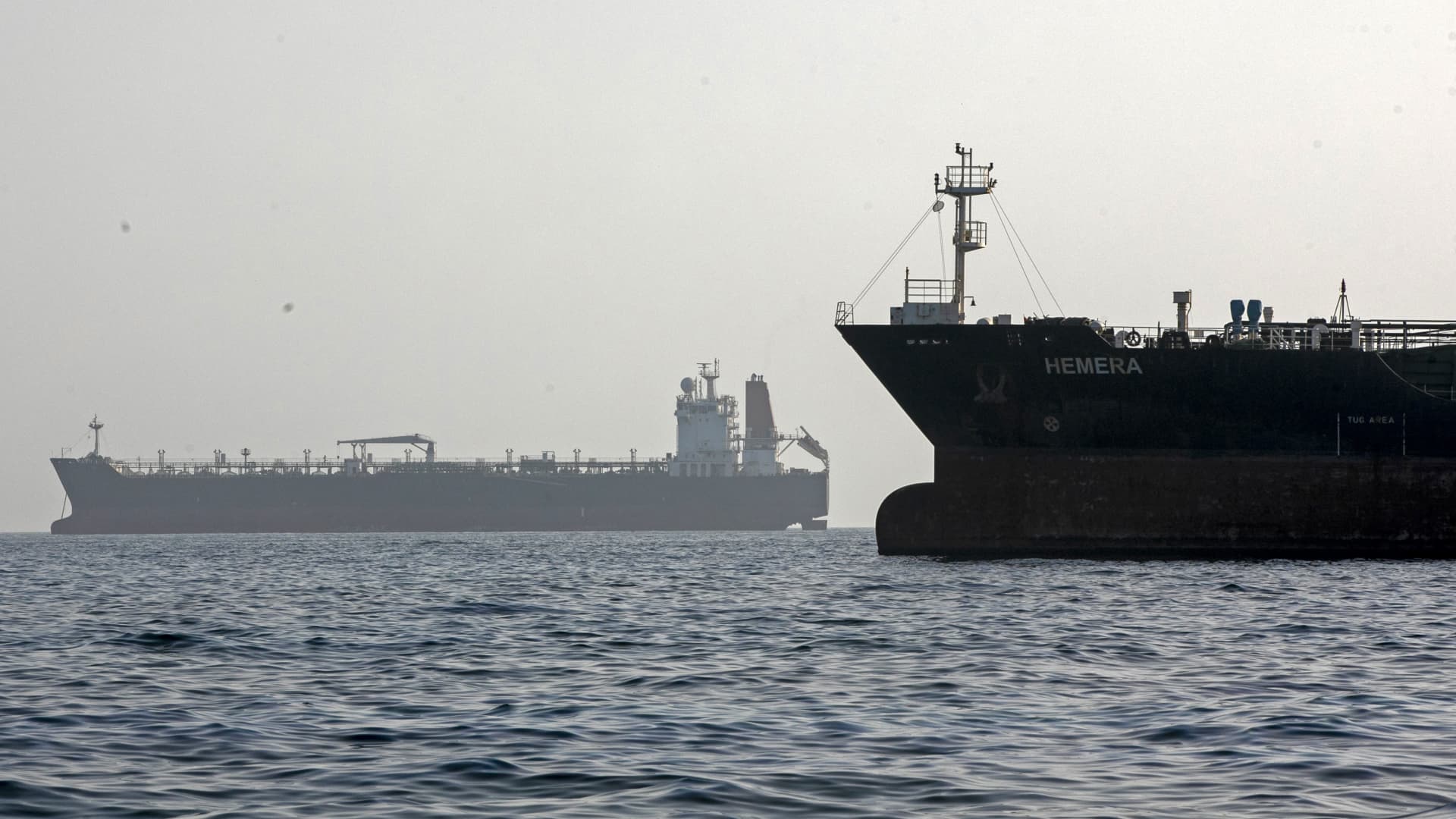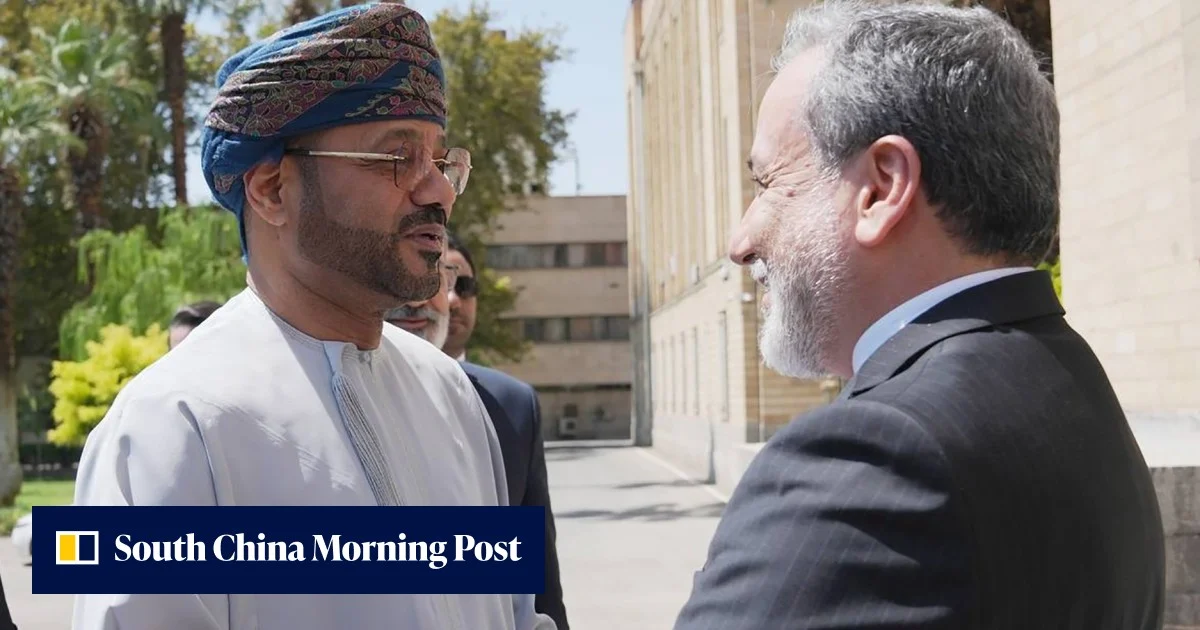
WANG SON-TAEK Nearly two months have passed since the April 7 ceasefire in the Iran war. Yet negotiations aimed at turning that pause into a durable settlement remain stalled. The fighting may have slowed, but a viable political endgame remains elusive. That reality deserves not only frustration but sober recognition. Why has diplomacy become trapped?One clear reason appears to be the negotiating style of US President Donald Trump. His approach toward Iran has relied on a familiar formula: maximalist demands, coercive pressure, personal bargaining theatrics and periodic signals of conciliation. The underlying assumption seems clear: Iran will eventually capitulate under overwhelming military, economic and psychological pressure.That assumption is increasingly difficult to sustain. The problem is not merely tactical miscalculation. It reflects a deeper misunderstanding of Iran’s historical resilience and longstanding distrust toward Washington, exaggerated confidence in American and Israeli coercive capabilities, neglect of the strategic importance of the Strait of Hormuz, underestimation of the harsh realities of war, and insufficient appreciation for the importance of alliances, multilateral legitimacy and international norms.Iran is unlikely to accept terms that amount to political surrender. Trump, meanwhile, appears unwilling to settle for an agreement that falls visibly short of victory. He remains deeply committed to proving that he can make a deal superior to the 2015 Joint Comprehensive Plan of Action negotiated under Barack Obama. Yet withdrawal from that agreement in 2018 did not produce Iranian surrender. Instead, it accelerated Tehran’s nuclear activities and narrowed diplomatic space. Military pressure has likewise failed to generate a sustainable political breakthrough. The result is a strategic deadlock.If existing methods are failing, we need a different approach. An important starting point is recognizing that neither side necessarily wants endless confrontation. Trump clearly wants a political outcome, although one compatible with his political narrative and personal brand. Iran also has strong incentives to seek stabilization. The challenge, therefore, is not discovering whether incentives for de-escalation exist. They do. The challenge is creating a diplomatic mechanism capable of translating those incentives into an acceptable process.That is where a Hormuz coalition could play a constructive role. This would not be a large-scale intervention force. Rather, it would be a pragmatic, multinational maritime stabilization coalition focused on securing navigation, supporting ceasefire implementation and helping reopen diplomatic space.Ironically, the hint for such a coalition was raised by Trump himself. Trump once demanded five nations — China, Britain, France, Japan and South Korea — send navies to the Strait of Hormuz to secure free passage for vessels. The proposal drew little response because participation risked being interpreted as alignment against Iran rather than neutral maritime stabilization.However, each country possesses its own strategic incentive to support such an initiative. Since none of these countries alone possesses sufficient legitimacy or leverage, a collective framework may possess advantages unavailable to unilateral diplomacy. Additional participation from capable powers such as Germany, Italy, Canada, Australia and India could strengthen legitimacy and operational flexibility. Gulf states should also be involved.Britain and France have already laid important groundwork. The challenge now is to expand those efforts into a broader, more inclusive coalition capable of filling and strategically utilizing the diplomatic vacuum created by Washington’s poorly conceived military approach toward Iran and ineffective handling of the crisis. China’s participation would be especially significant. As a major energy consumer with substantial ties to Tehran, Beijing possesses leverage unavailable to many Western actors. Incorporating China into a stabilization framework could also test whether limited great-power cooperation remains possible even amid broader strategic competition.The coalition’s initial task would be straightforward but important. First, it would organize a representative diplomatic mechanism to engage Washington and Tehran. The immediate objectives would be preventing renewed hostilities, maintaining freedom of navigation through the Strait of Hormuz, and creating procedures for implementing and monitoring agreed arrangements. Second, the coalition would concentrate on maritime stabilization operations rather than attempting to solve every geopolitical dispute at once. Keeping Hormuz open, protecting commercial shipping, and reducing escalation risks are achievable objectives with direct global economic significance. Finally, renewed negotiations on nuclear issues could proceed in parallel between the US and Iran, supported by coalition diplomacy.Success would not guarantee a comprehensive Middle East settlement. But even limited success could carry wider implications. For years, discussions about the future of the liberal international order have swung between two extremes: triumphalist confidence and premature obituaries. Yet international order rarely collapses or survives in such simple terms. More often, it adjusts, improvises and redistributes burdens. A successful Hormuz coalition could become a modest example of that adaptive process.It would demonstrate that multilateral crisis management still retains practical value even when unilateral leadership falters and formal international institutions struggle under major-power divisions. The strength of this coalition model lies in the fact that it would not represent the end of US influence. Nor would it require replacing US leadership with an anti-American alternative. Rather, it could illustrate a more flexible model of shared responsibility. That possibility should not alarm Washington. In fact, it may ultimately serve long-term American interests. The US does not benefit from chronic instability in the Gulf, repeated energy shocks, maritime disruption, or uncontrolled escalation. Nor does it benefit from the erosion of international legitimacy caused by ineffective crisis management.A functioning multinational stabilization mechanism could help distribute costs, reduce diplomatic isolation, and preserve strategic flexibility for future US administrations. The choice facing the international community is not between US primacy and global disorder. The more relevant choice may be between rigid unilateralism and pragmatic multilateral repair. The war has already shown the limits of pressure without a viable political architecture. If direct negotiations remain frozen, the world should begin thinking seriously about supplementary mechanisms. A carefully designed Hormuz coalition could become not only a pathway toward a workable Iran settlement but also a practical example of how the liberal international order adapts rather than collapses.- - -Wang Son-taekWang Son-taek is an adjunct professor at Sogang University. He is a former diplomatic correspondent at YTN and a former research associate at Yeosijae. The views expressed here are the writer’s own. — Ed.
[Wang Son-taek] A hope for a Hormuz coalition
Nearly two months have passed since the April 7 ceasefire in the Iran war. Yet negotiations aimed at turning that pause into a durable settlement remain stalled
1,007 words~5 min read