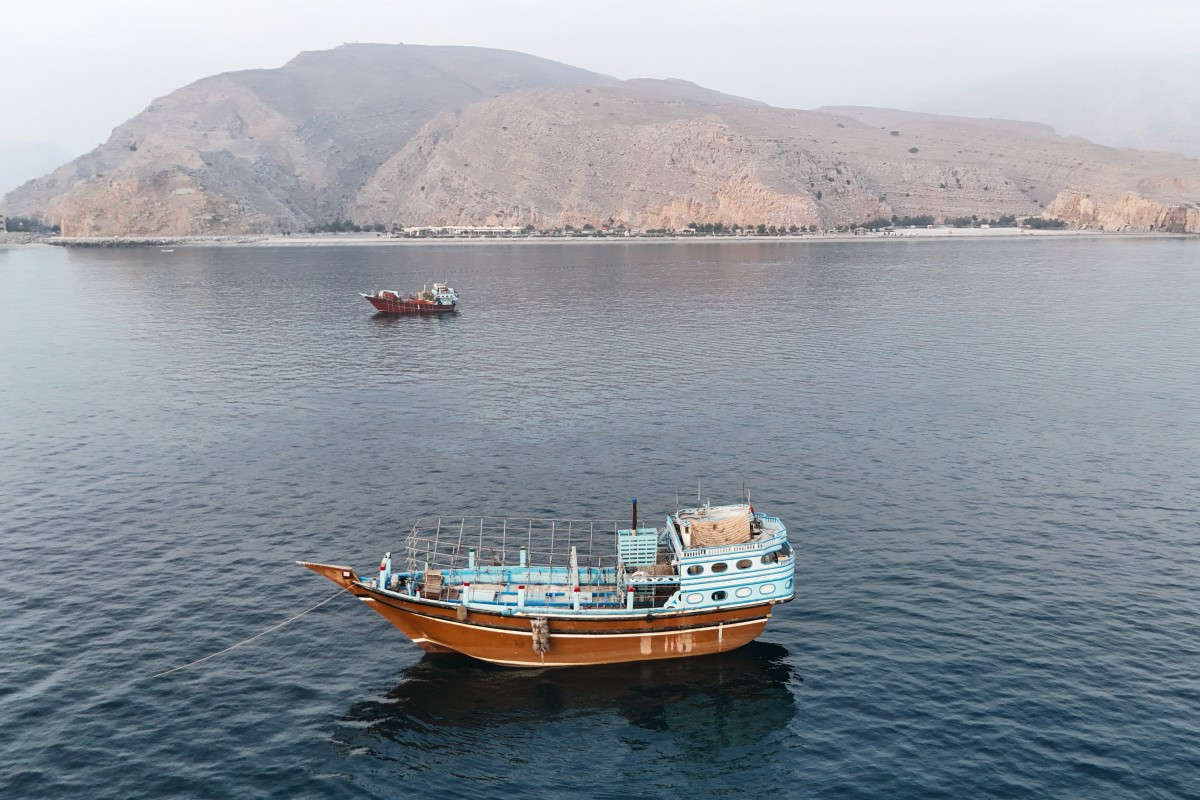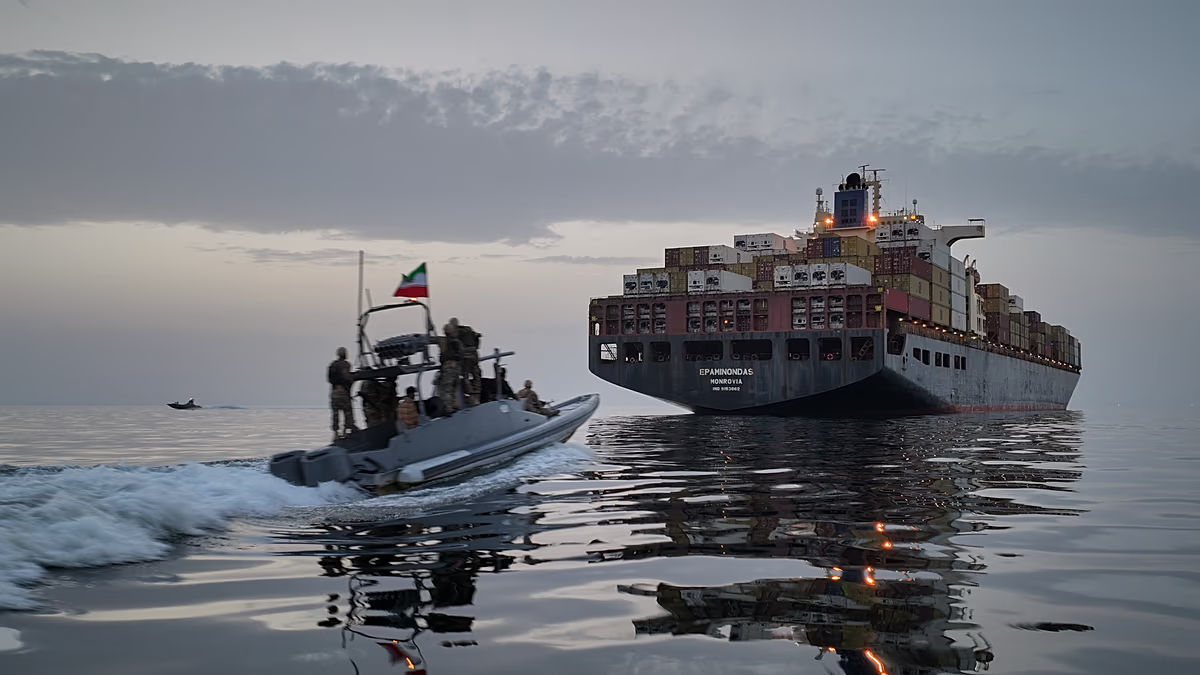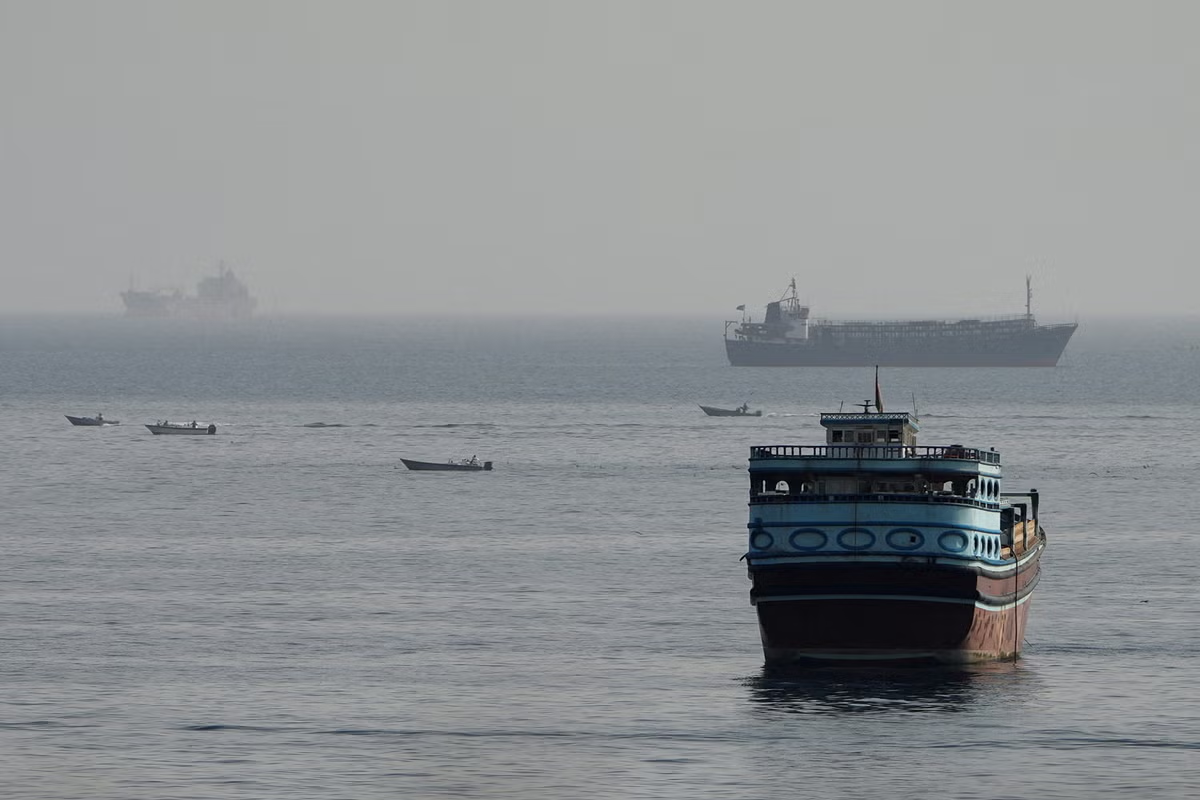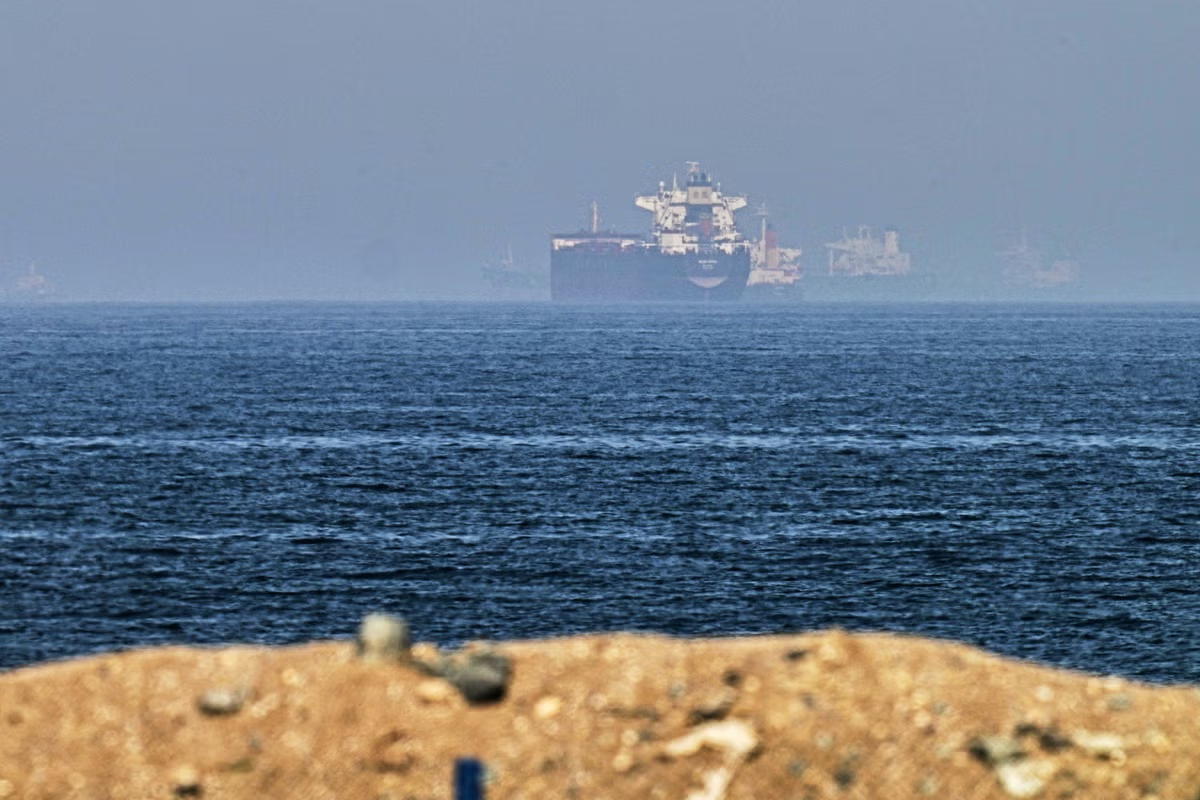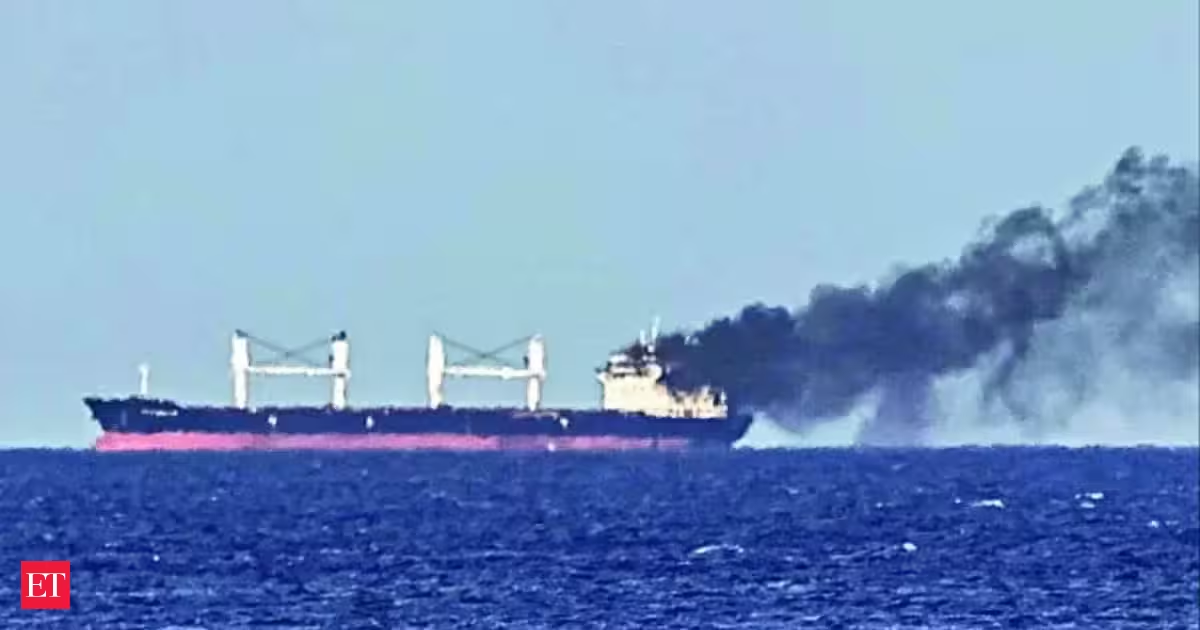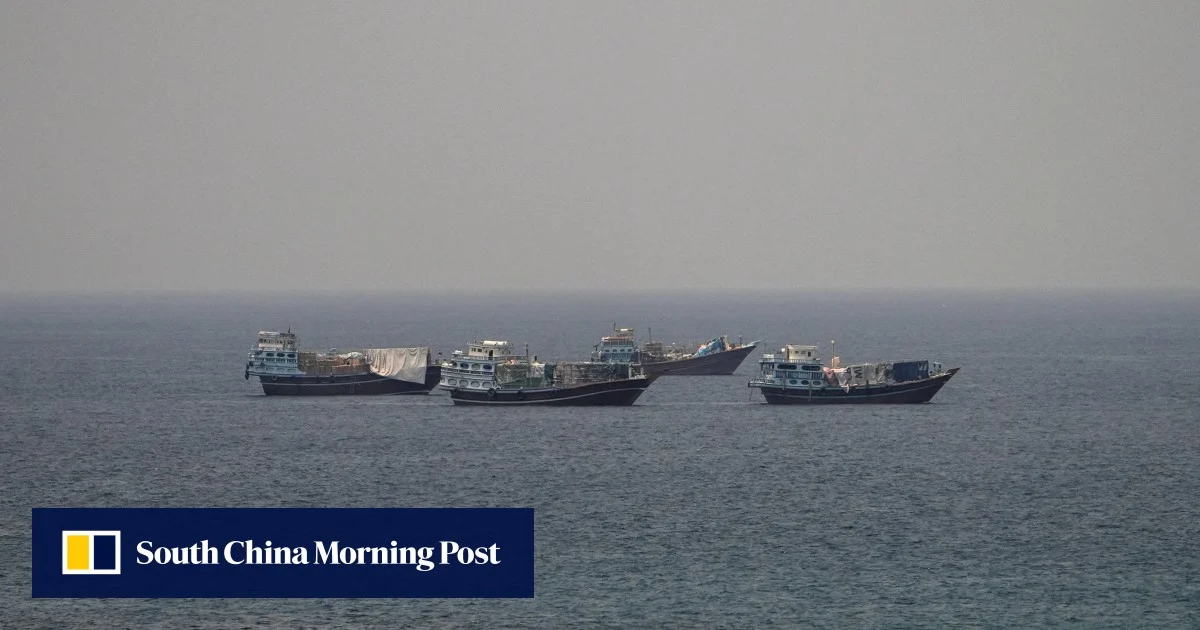
Despite optimistic statements from US officials, negotiations between Washington and Tehran remain fragile amid deep mistrust and regional tensions. While a temporary framework has kept diplomacy alive, uncertainty over the Strait of Hormuz, Iran's nuclear programme and wider Middle East security continues to threaten prospects for a lasting agreement.
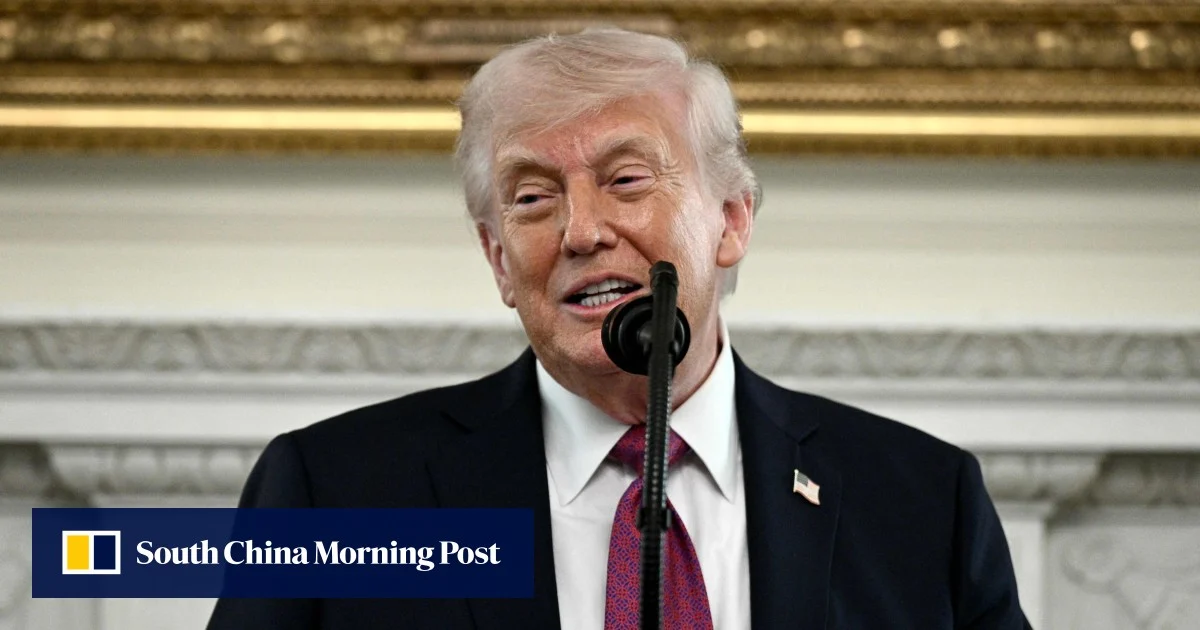
US President Donald Trump has expressed satisfaction with developments surrounding the Strait of Hormuz and ongoing negotiations with Iran. Vice President J.D. Vance has similarly portrayed recent talks in Switzerland as a diplomatic success, saying they helped establish a mechanism to prevent further escalation involving Israel, Lebanon and Hezbollah while laying the groundwork for a future peace agreement.
However, the reality appears more complex. Despite the administration's optimistic rhetoric, the negotiations remain fragile and trust between the parties is minimal.
While Vance led the negotiations in Switzerland, Trump publicly criticised Iran, undermining the efforts of his own negotiating team. Tehran subsequently suspended its participation in the talks, although Washington has sought to downplay the episode.
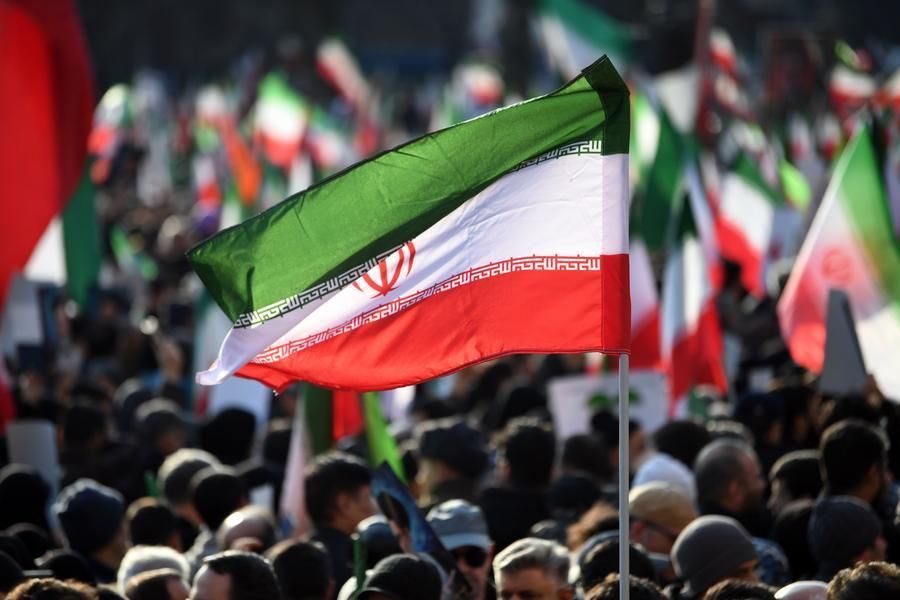
Despite the setback, it is too early to conclude that diplomacy has failed. Statements by Iranian Foreign Minister Abbas Araghchi suggest Tehran remains willing to continue negotiations, while making clear it will not negotiate under public pressure or threats.