Listen
/
1.0x
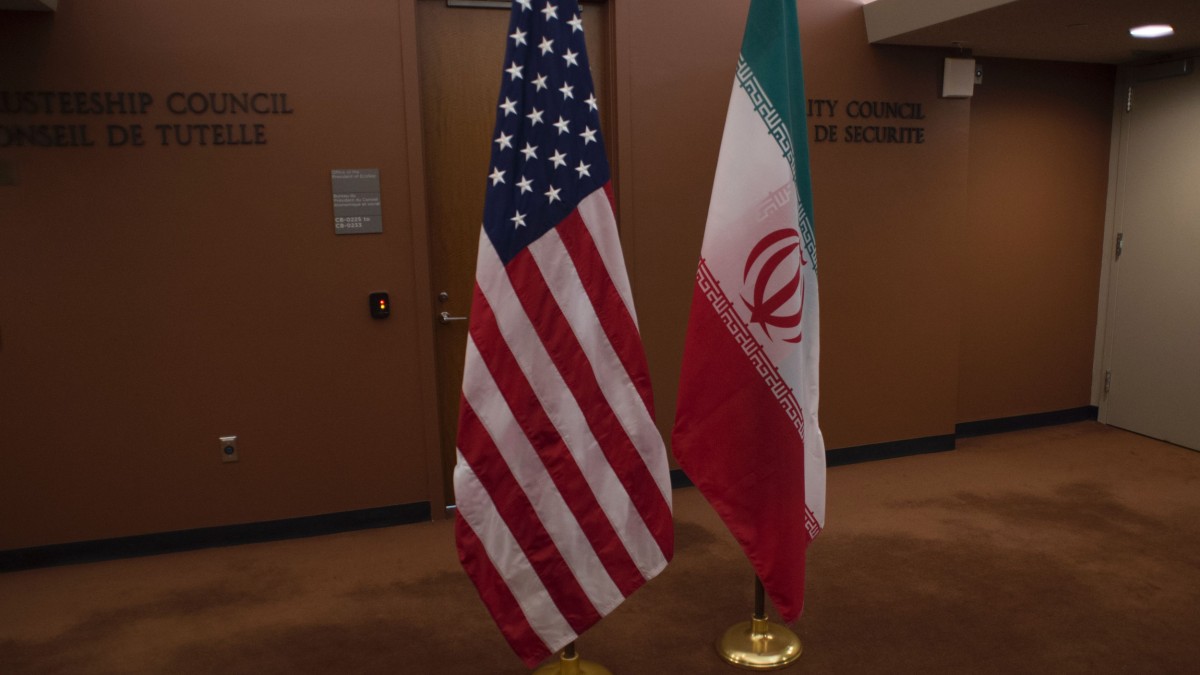
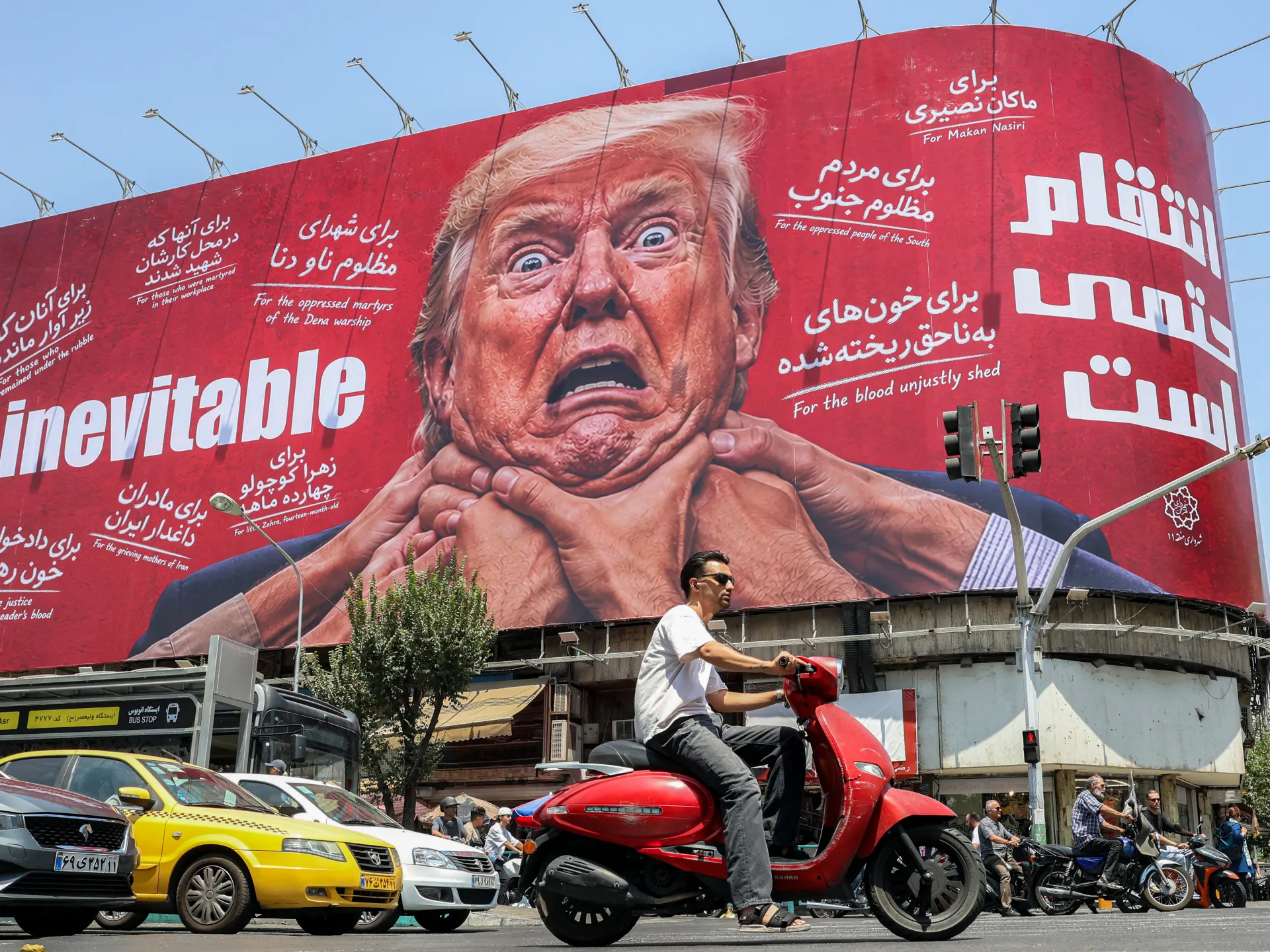
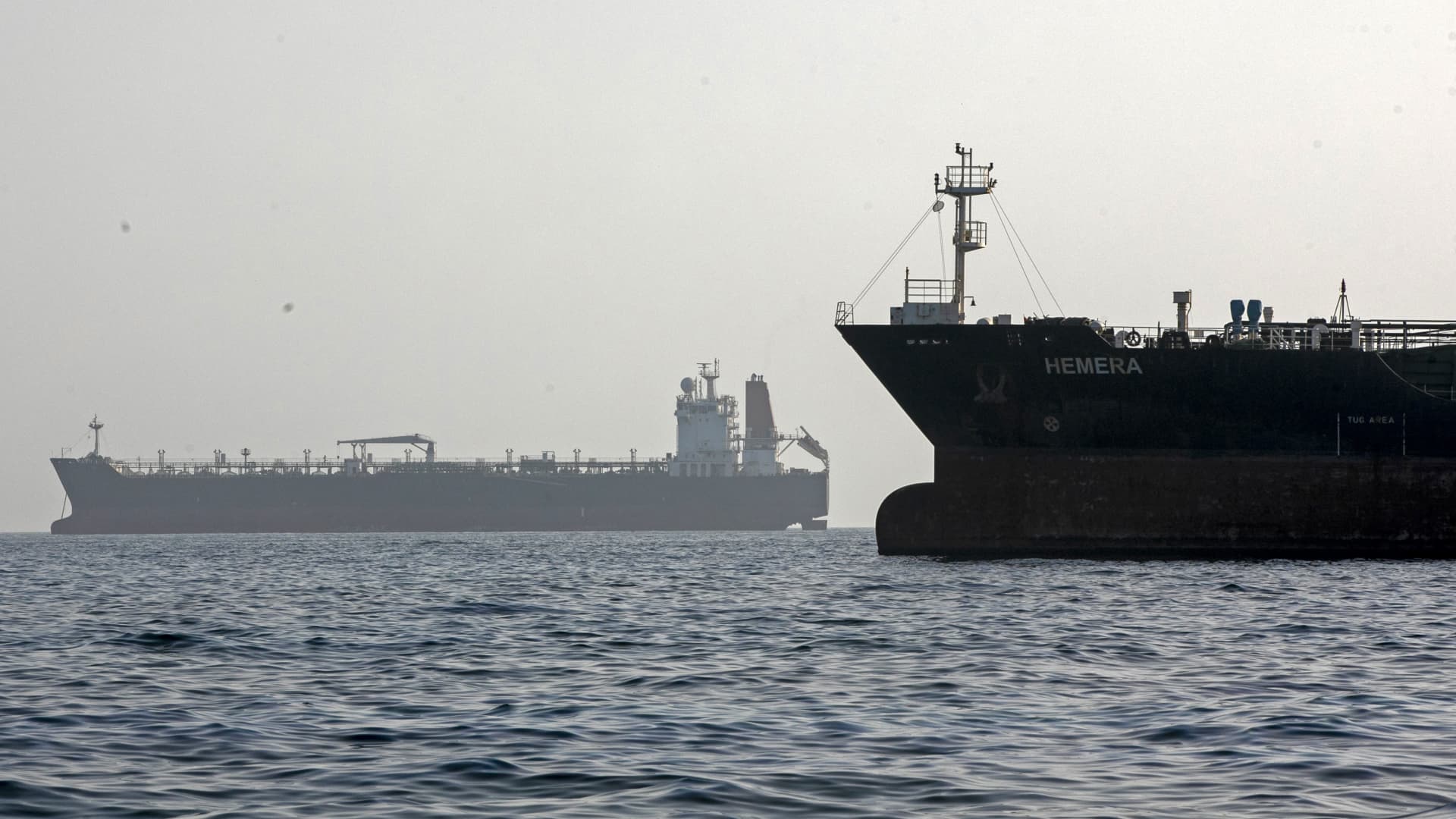
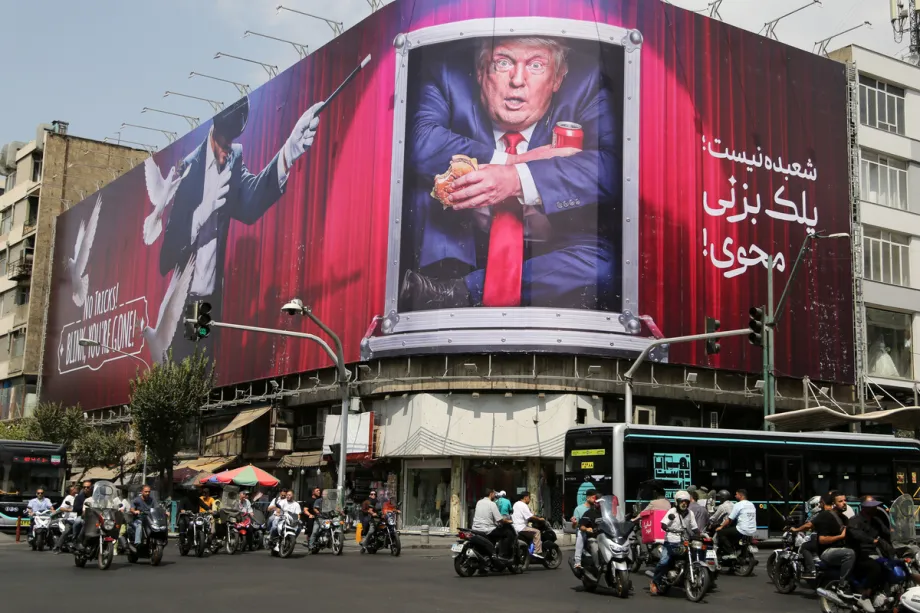
The sixty-day window that Washington and Tehran gave themselves to end their war expired on August 17 without an agreement, leaving the two sides deadlocked over the Strait of Hormuz and the future of frozen Iranian funds. Europe offers no better news, since formal peace talks between Russia and Ukraine have not reconvened since the bombing of Iran began in late February. Two American-brokered frameworks now lie dead within six months of one another, and the instinct in Washington will be to treat them as unrelated misfortunes with unrelated causes. They are not unrelated in the slightest, and the thread running between them has nothing to do with bad luck or the bad faith of adversaries. Both collapsed because the United States offered political assurances instead of binding legal guarantees, and by the time each document was signed, neither Moscow nor Tehran had much reason left to believe them.
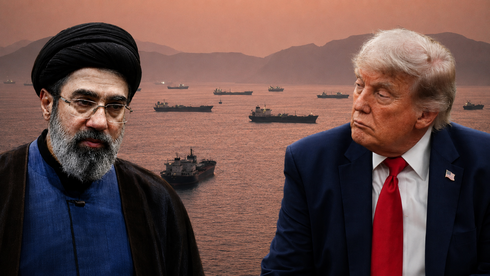
Pakistan spent the spring of 2026 learning that lesson at close range and at considerable expense to itself. Islamabad brokered the ceasefire that took effect on April 8, then hosted Vice President JD Vance and Iranian parliament speaker Mohammad Bagher Ghalibaf for twenty-one hours of talks on April 11 and 12. The meeting was the highest-level direct engagement between the two governments since 1979, and it produced nothing beyond a shared understanding of how far apart the parties remained. The bill arrived almost immediately, because the United Arab Emirates declined to roll over its deposits with Pakistan’s central bank and demanded the return of $3.45 billion, a sum equal to roughly a fifth of the country’s reserves. Saudi Arabia covered most of the gap with fresh deposits, yet the message to every middle power watching the war was perfectly clear. Mediation between Washington and Tehran carries a price, and the states willing to pay it deserve something more durable than what they received.