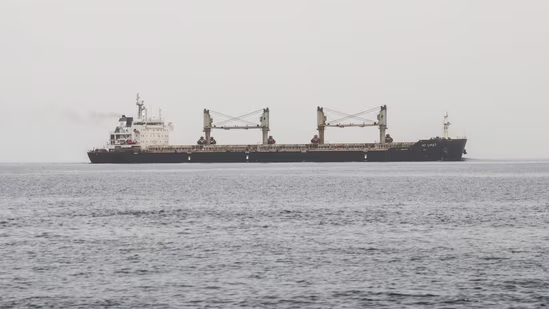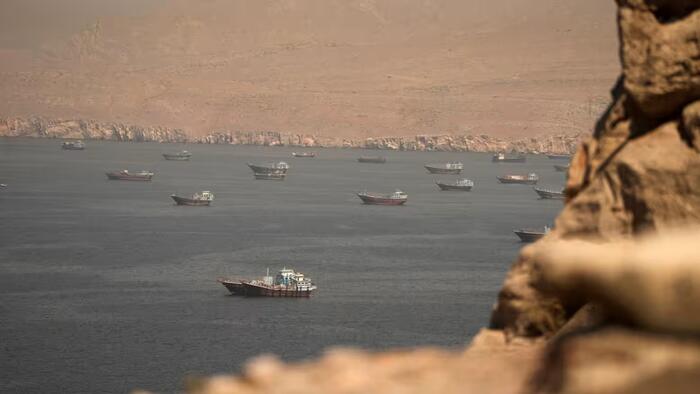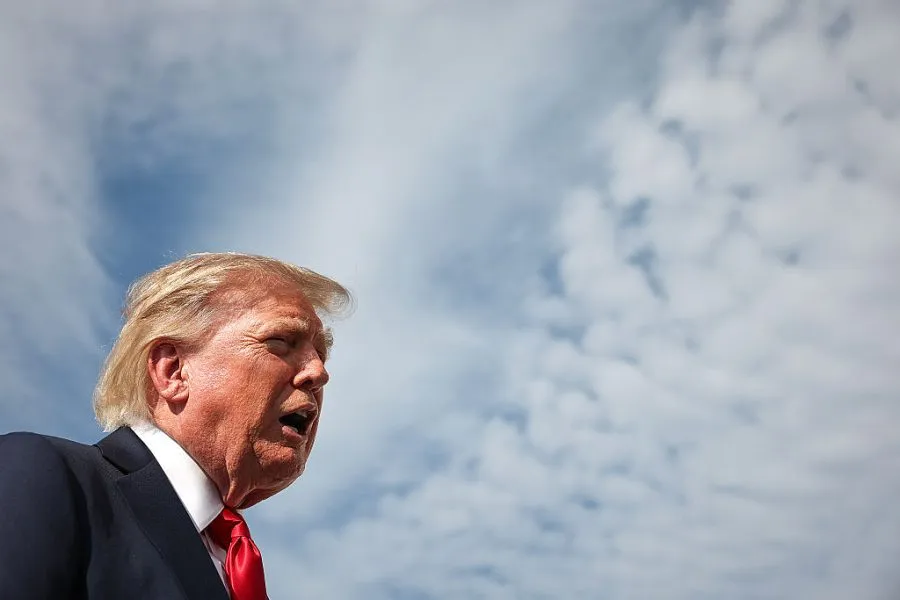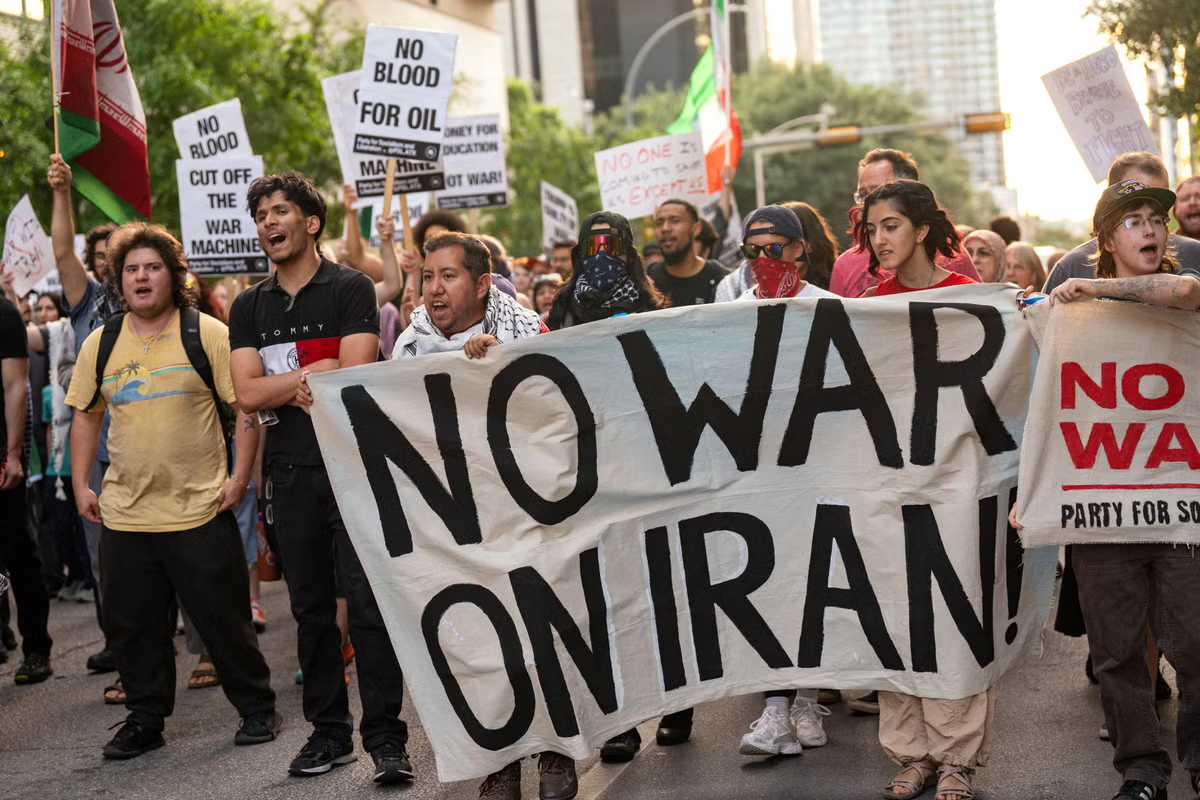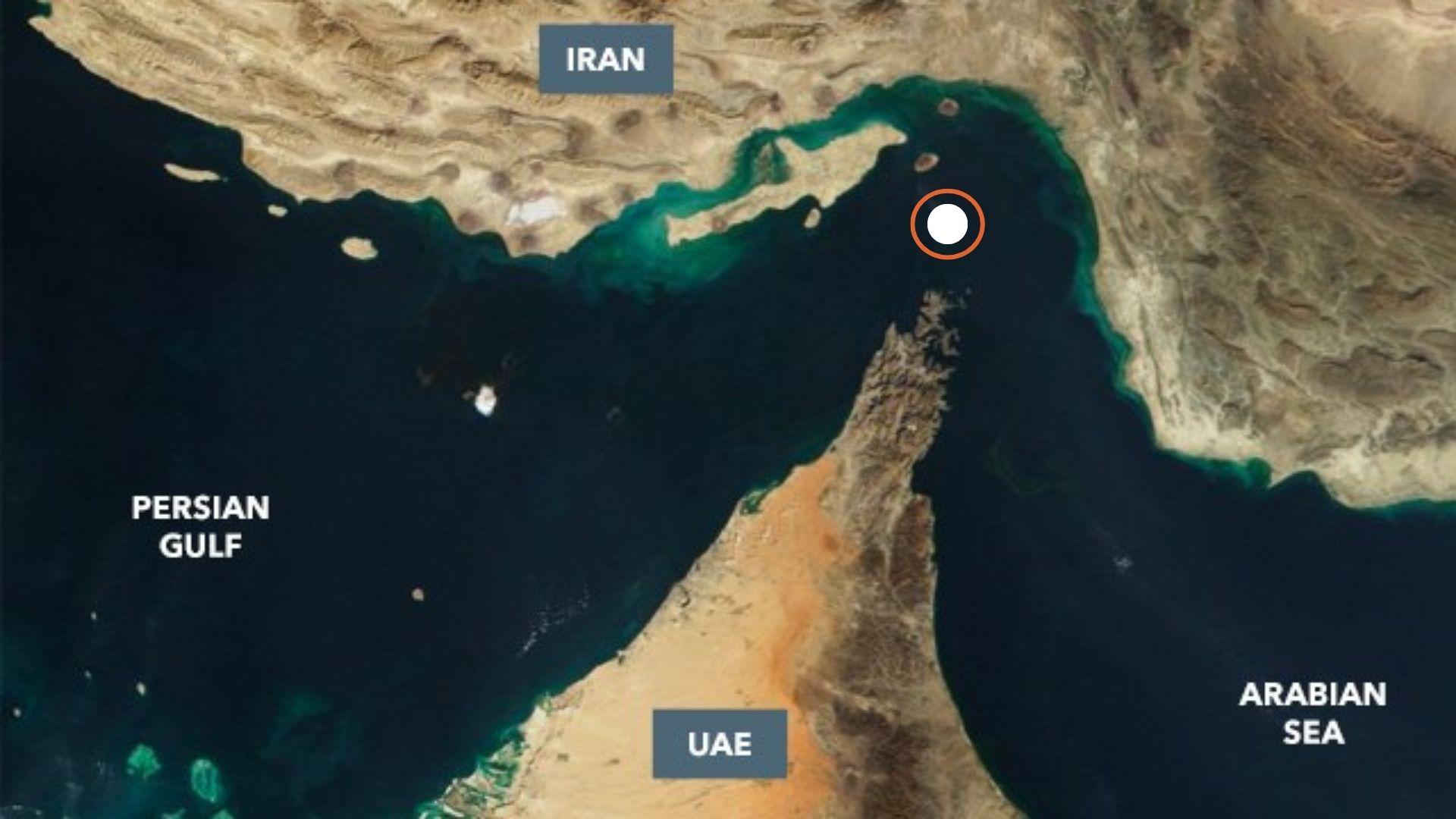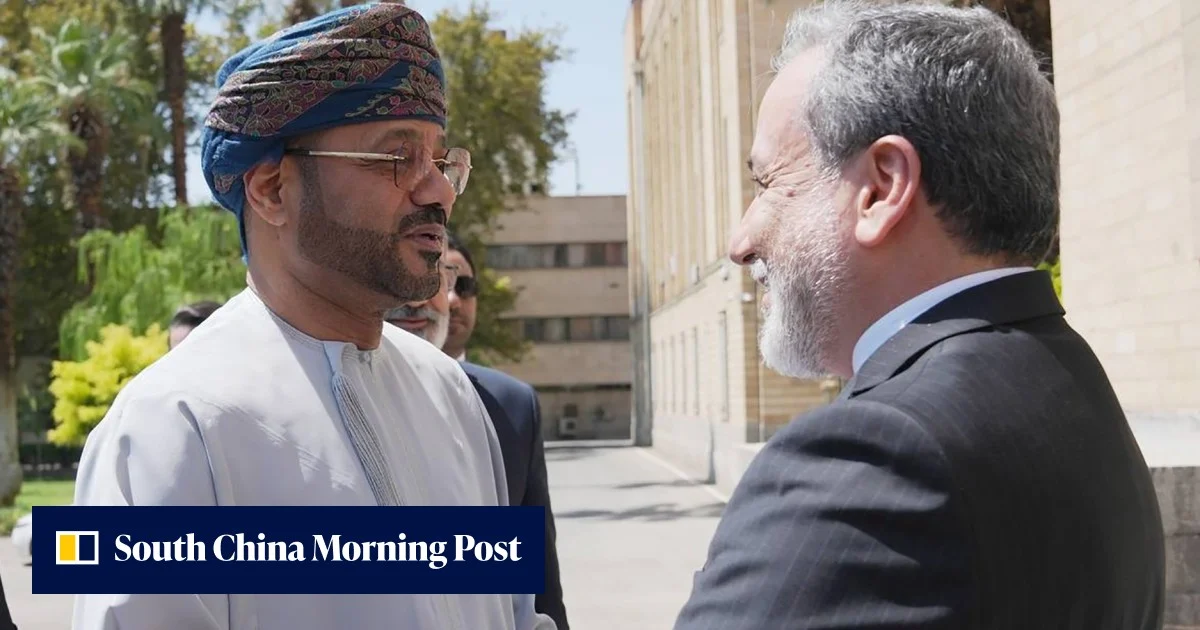
A diplomatic push by Oman, Pakistan and Qatar is widely expected to yield another pause in the Iran conflict, but there remains little prospect of a stop to what analysts fear has already become a “forever war”.On Monday, Iran and Oman agreed in principle to a temporary maritime route for ships travelling through the Strait of Hormuz. This could lead to the easing of the tit-for-tat blockades imposed by Iran and the US if President Donald Trump’s administration accepts it.Regional mediators frame it as part of a “phased” process of confidence-building measures envisioned under the Islamabad Declaration, signed by both sides in June.Analysts, however, are sceptical about the chances of a breakthrough, saying the mediation efforts are primarily aimed at preventing a feared region-wide escalation.“The current trajectory signals an interregnum, but the likelihood of further escalation still looms large,” What Is Iran? author Arshin Adib-Moghaddam said.Vessels anchor off Musandam, Oman, near the Strait of Hormuz, on Monday. Photo: ReutersBoth sides currently wanted to prevent “yet another military escalation”, said the co-director of the Centre for Iranian Studies at SOAS University of London. “The only variable that can’t be logically and rationally predicted is Donald Trump’s ability to stay consistent, as he has been incredibly unstable and irrational as a president.”
Hormuz deal presses pause on Iran conflict, but fears of ‘forever war’ remain
Tehran is likely to stick to its guns in the hopes that the US midterms will bring about a Republican defeat, analysts say.
210 words~1 min read