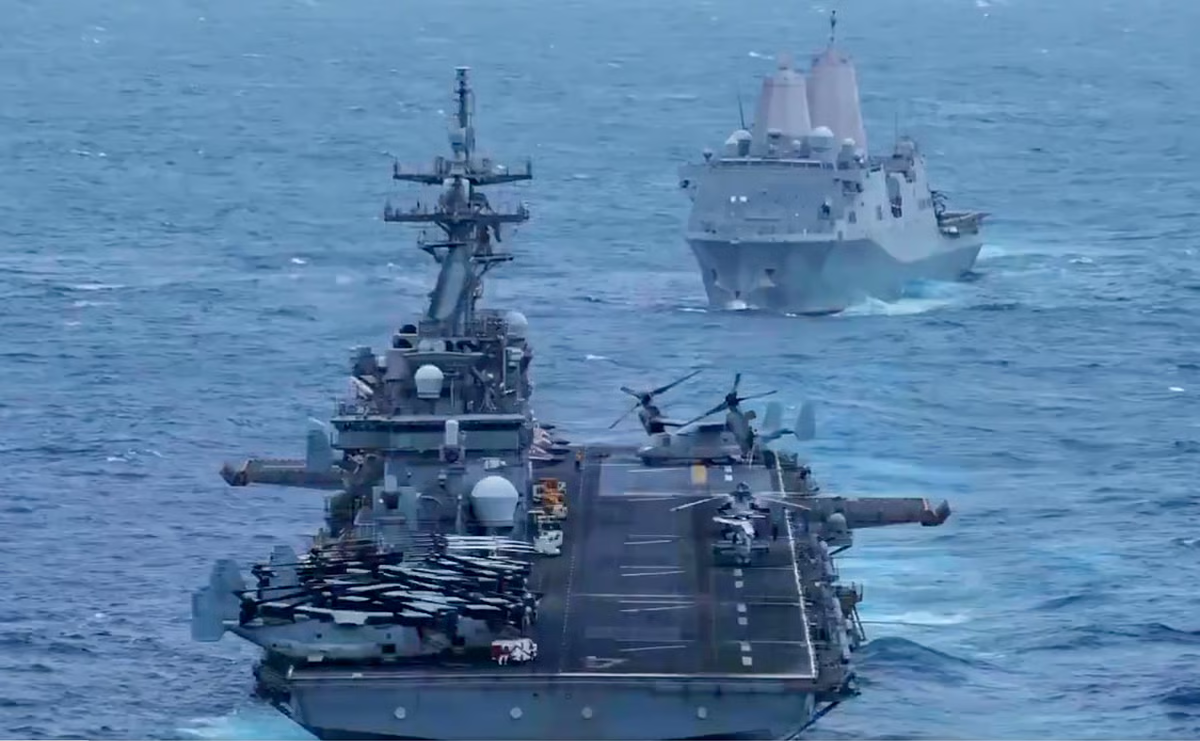
The standoff between Iran and the United States has currently reached stalemate. Iranian hopes to use control of the Strait of Hormuz as a lever to force an American climb-down show no sign of realisation.
The IRGC’s extension of its methods of asymmetrical warfare to the Strait was a creative and bold move. In the same way that terrorist movements seek to offset military inferiority by striking directly at an adversary’s civilian population, Iran tried to raise the costs for civilian ships seeking to transit the Strait to a level which companies and shipowners would find intolerable. In this way, Iran hoped to render US conventional naval ascendancy meaningless. Faced with skyrocketing oil prices as midterm elections loomed, the US would be forced to concede the issue, Iran’s new Persian Gulf Strait Authority would become the accepted custodian of the strait and victory could be declared.
Iran’s hopes of generating a global economic crisis by choking off Hormuz have not been realised
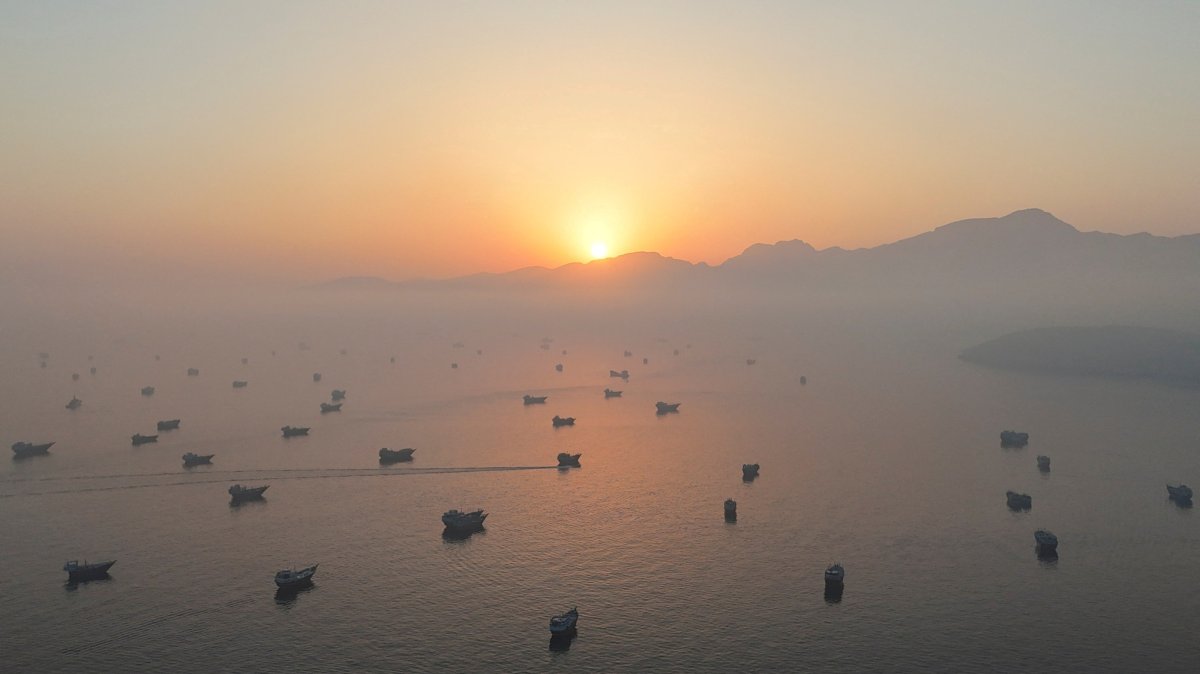
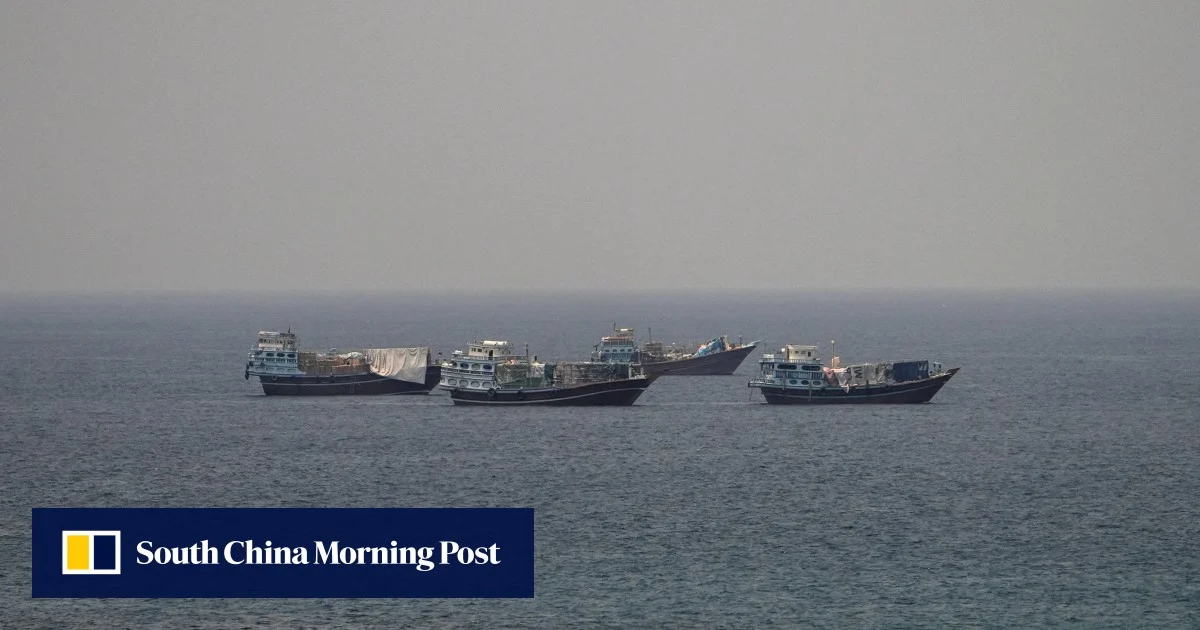
It hasn’t worked. Rather, the limitations of Tehran’s capacities for disruption have been exposed. Firstly, it turns out that conventional naval superiority is not an advantage that can so easily be neutralised. US maritime patrols and capacity to escort ships via the southern, Omani corridor through the Strait are proving somewhat effective.