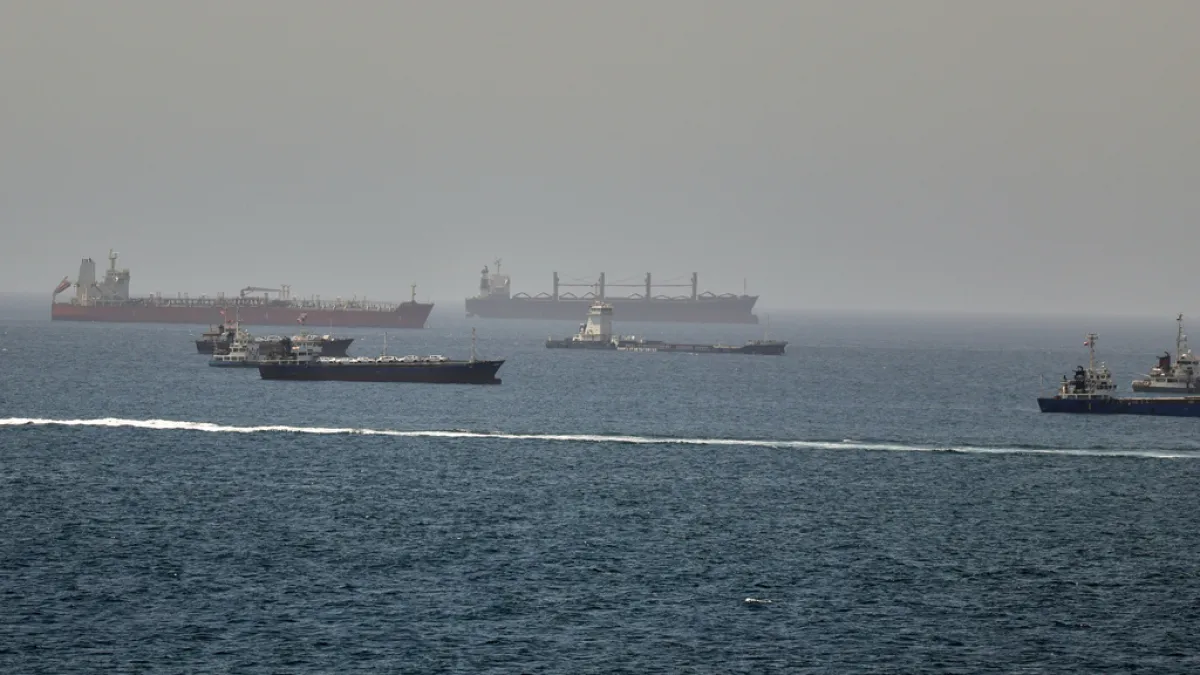
The latest pause in the United States-Iran confrontation should not be confused with a return to stability. President Donald Trump’s decision to hold off on another round of strikes has created diplomatic space, but it has not resolved the dispute that brought the two sides back to the edge of escalation. Washington continues to demand the full reopening of the Strait of Hormuz and enforceable restrictions on Iran’s nuclear activities. Tehran, meanwhile, insists that maritime normalization cannot be separated from the cessation of attacks, the removal of the naval blockade and the delivery of promised economic relief.
At first sight, this appears to be a dispute over the implementation of the Islamabad Memorandum of Understanding (MoU) signed in June. In reality, it is more fundamental. The U.S. and Iran entered the MoU with different assumptions about what the agreement was supposed to achieve. Washington viewed it primarily as a mechanism for converting military pressure into Iranian restraint. Tehran regarded it as a reciprocal security bargain intended to exchange Iranian restraint for protection against further attacks and tangible economic relief.
These assumptions shape not only expectations but also the meaning each side assigns to compliance. Washington believes Iran must demonstrate restraint before receiving the full benefits of the agreement. Tehran argues that it cannot surrender its remaining leverage until Washington fulfills its own commitments. The resulting problem is not simply that the parties distrust one another. They disagree about who is taking the greater risk by implementing the agreement first.