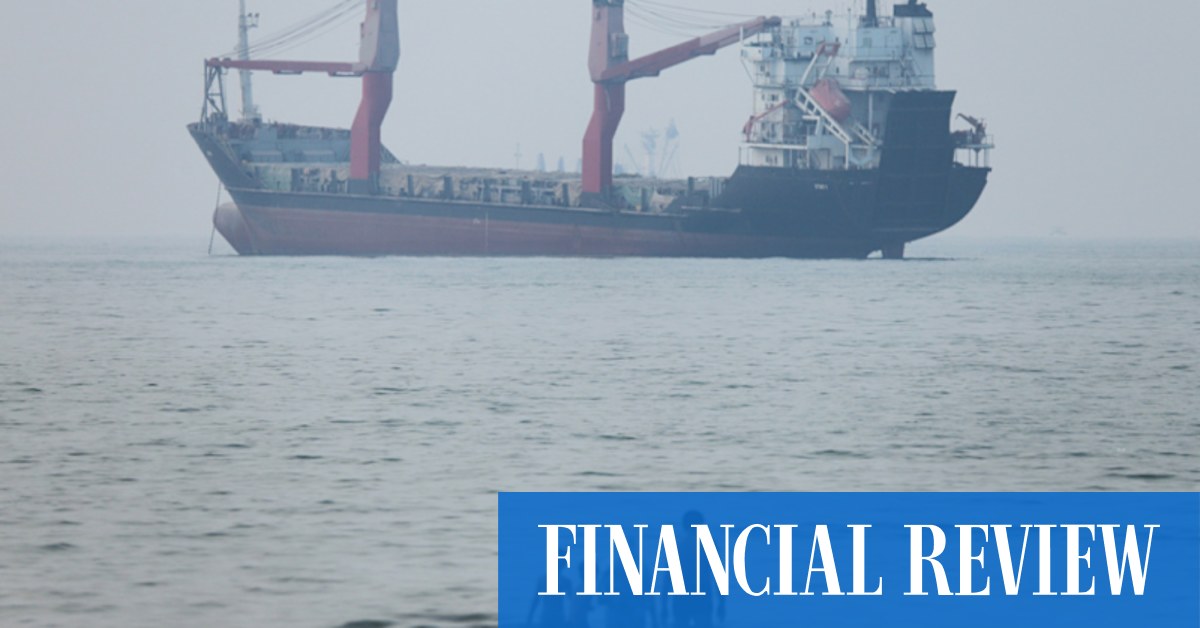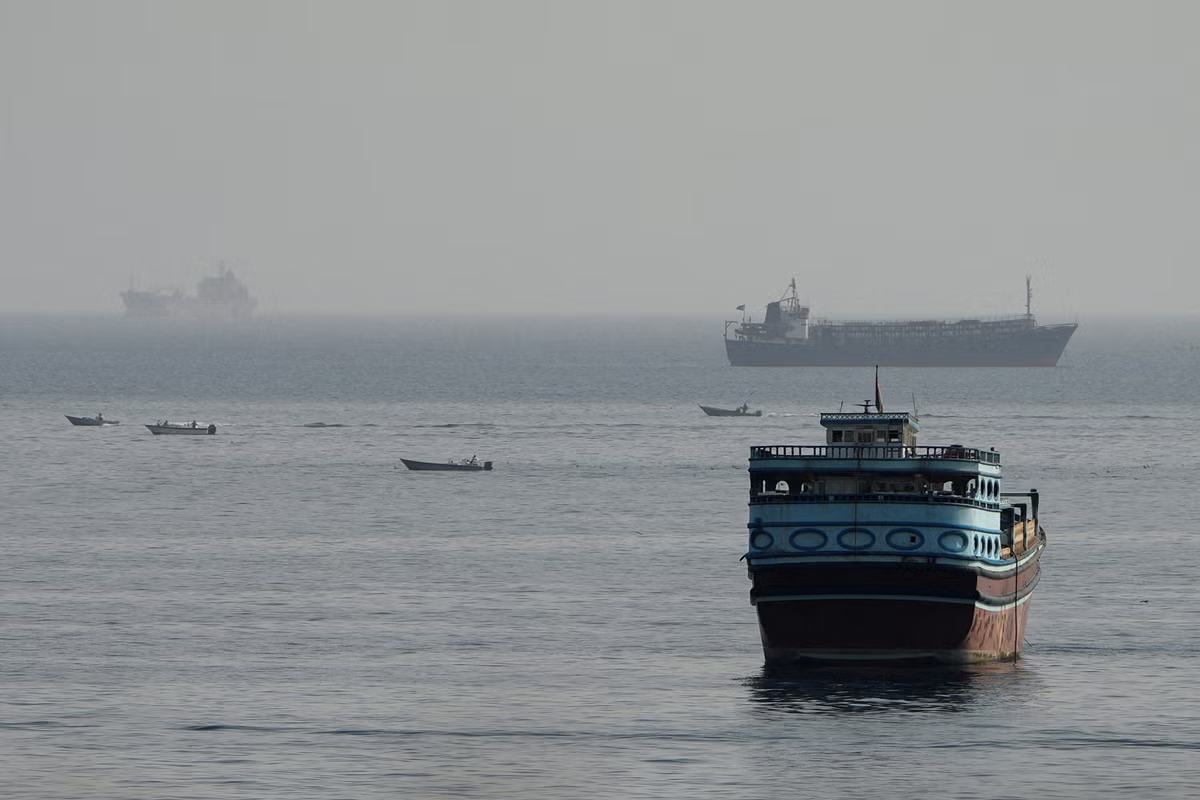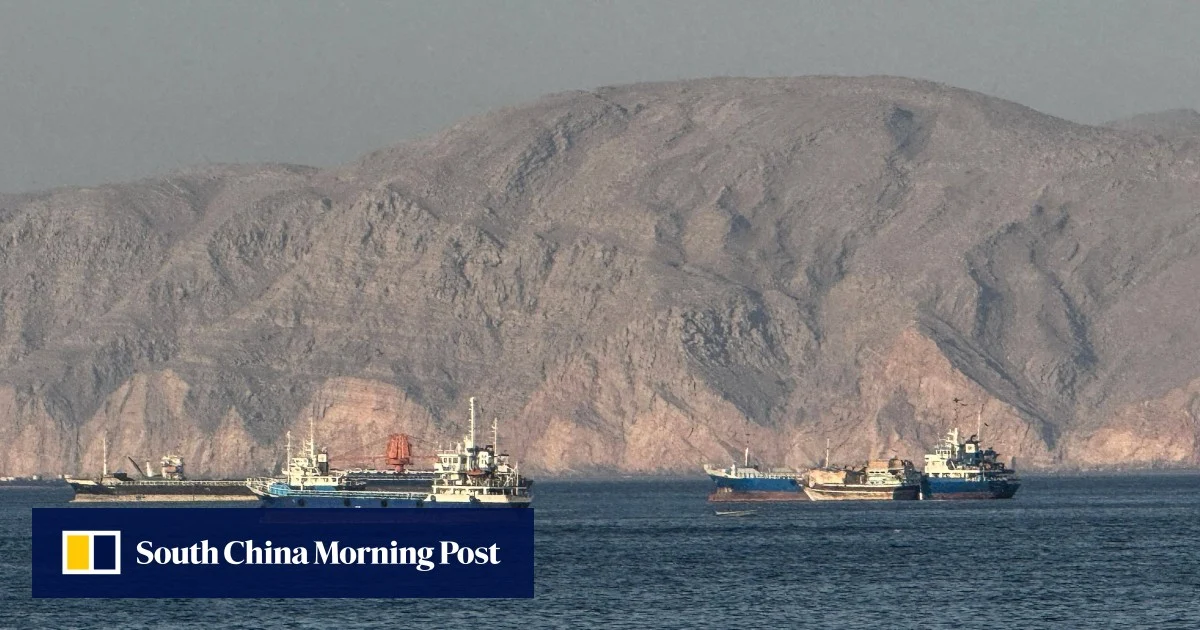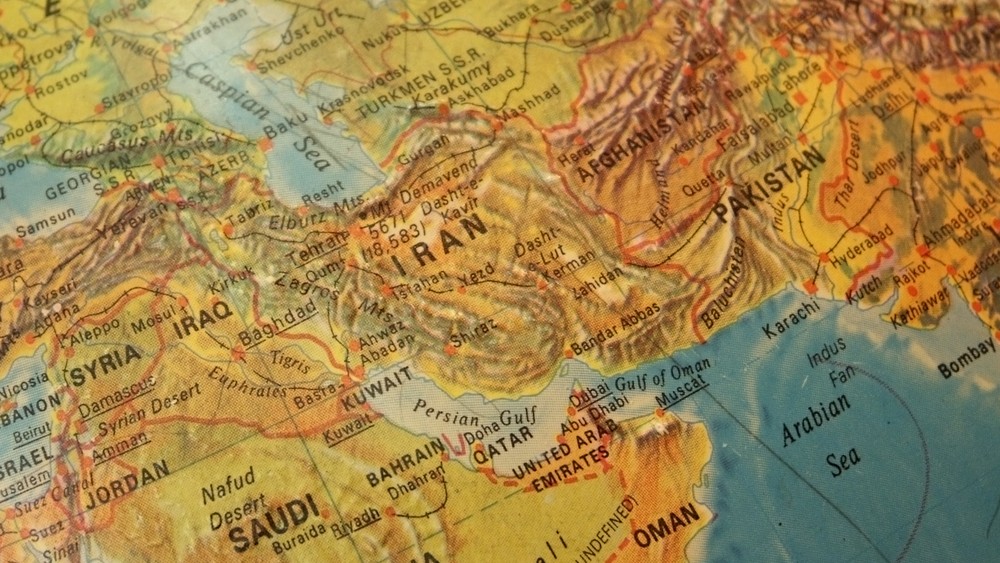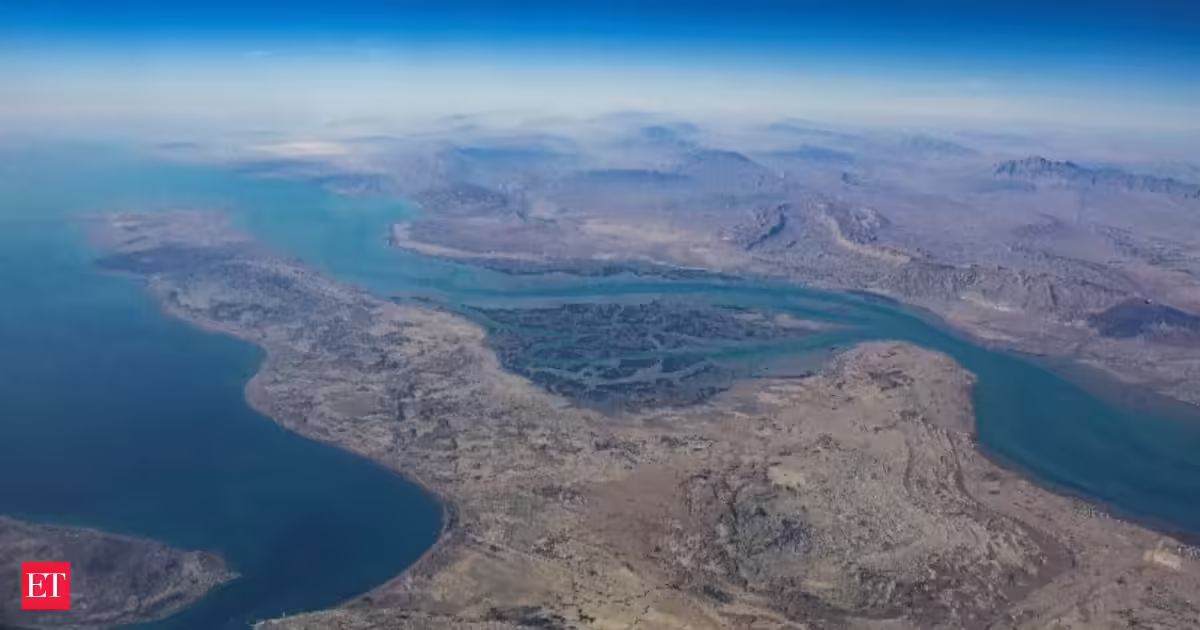
Dubai: Iran’s refusal to reopen the Strait of Hormuz is increasingly about more than ships, tolls or navigation rights.Tehran appears determined to hold on to its most powerful bargaining chip until US President Donald Trump delivers on commitments Washington made under a June 17 memorandum of understanding, according to analysts cited by The New York Times.That helps explain why Iran is continuing to keep the vital energy artery largely closed even as separate negotiations with Oman over how shipping could eventually move through the strait approach their final stages.Most of the conditions Iran laid out on Saturday for reopening Hormuz are not new. They largely mirror commitments contained in the June agreement with Washington.Iranian security chief Mohammad Bagher Zolghadr demanded that the US lift its naval blockade and sanctions on Iranian oil and petrochemical exports, release frozen Iranian assets, withdraw US forces from around Iran and end attacks on Tehran and its regional allies.The significant addition is Iran’s demand for compensation for damage caused during the war.The calculation in Tehran, analysts say, is straightforward: Once Hormuz fully reopens, Iran risks surrendering the leverage that could force Trump to fulfil the rest of the deal.Why is Hormuz so important to Iran?Esfandyar Batmanghelidj, founder of the Bourse & Bazaar Foundation, told the Times that Iran wants economic relief needed for reconstruction before relinquishing control over the waterway.“Iranian officials are concerned that if the strait opens, Trump would walk away from this conflict without feeling the need to resolve it,” he said.“They want to use the strait as a commitment mechanism to ensure Trump implements the various provisions of the MOU.”What Iran wants before Hormuz reopensEnd the US naval blockade: Iran wants restrictions around its ports lifted.Ease sanctions: Tehran is seeking relief from sanctions, particularly those affecting oil and petrochemical exports.Release frozen assets: Iran wants access restored to assets frozen overseas.US military pullback: Tehran has demanded the withdrawal of US forces from around Iran.End attacks: Iran wants attacks against itself and its regional allies halted.War compensation: Tehran is also demanding reparations for wartime damage — the significant condition not contained in the June memorandum.The key differenceOman deal: Determines how shipping could move through Hormuz.US deal: Determines whether Iran is prepared to fully reopen it.Iran’s leverage: Keep Hormuz restricted until Washington delivers.Keeping Hormuz largely closed also maintains pressure beyond Washington.Higher energy prices affect countries across the world, while Arabian Gulf states dependent on the strait for their exports have a powerful incentive to encourage Washington and Tehran to reach an agreement.Ali Vaez, Iran project director at the International Crisis Group, described Hormuz to the Times as a “sword of Damocles over Trump.”“Iran wants to front-load benefits without surrendering its main leverage, which is Hormuz,” Vaez said.But isn’t Iran close to a deal with Oman?Yes — and that is where an important distinction emerges.Iran and Oman are close to completing negotiations over the practical arrangements governing traffic through Hormuz.Iranian Foreign Minister Abbas Araghchi said on Sunday that talks were “progressing well and in final stages as experts are working on maps”.But he immediately made clear that an agreement with Muscat would not automatically mean ships could return to normal operations.“However, an agreement with Oman does not mean reopening the strait, which remains dependent on fulfilling conditions conveyed through mediators,” Araghchi said.Vaez told the Times that negotiations with Oman over how traffic would move through Hormuz were essentially complete.The remaining issue is political: Iran wants reopening tied to restoration and implementation of the June memorandum with Washington.Is this really about collecting tolls?Not principally, according to analysts.Sanam Vakil, director of the Middle East and North Africa programme at Chatham House, said the deeper objective was preserving Iran’s bargaining power.“The strait is not about fees, it’s about control and leverage for the rest of the package,” she told the Times.There are also divisions within Iran over how far Tehran should go.Some officials see diplomacy and economic reconstruction as the best way forward, while hardliners remain deeply suspicious of Washington and reluctant to surrender Iran’s strongest leverage before receiving concrete benefits.Iran also sees divisions in Washington, with some officials favouring diplomacy and others advocating further military pressure.That makes trust perhaps the biggest obstacle.Batmanghelidj said the critical issue was not necessarily the size of individual concessions but whether Washington could demonstrate that it would honour them.What happens next?For Tehran, the June memorandum appears to remain the starting point for ending the confrontation permanently.“The memorandum of understanding is the floor from which everyone will try to build a structure for a deal,” Vakil said.“But we’re far away from that.”Until that trust gap narrows, Iran appears determined not to surrender the card it believes gives it the greatest influence over Trump: control of the Strait of Hormuz. A Senior Associate Editor with more than 30 years in the media, Stephen N.R. curates, edits and publishes impactful stories for Gulf News — both in print and online — focusing on Middle East politics, student issues and explainers on global topics.
Inside Iran’s Hormuz strategy: Keep Trump from walking away
Inside Iran’s Hormuz strategy: how control of the Strait of Hormuz is being used to pressure Trump on sanctions relief, frozen assets and US military pullback.
887 words~4 min read