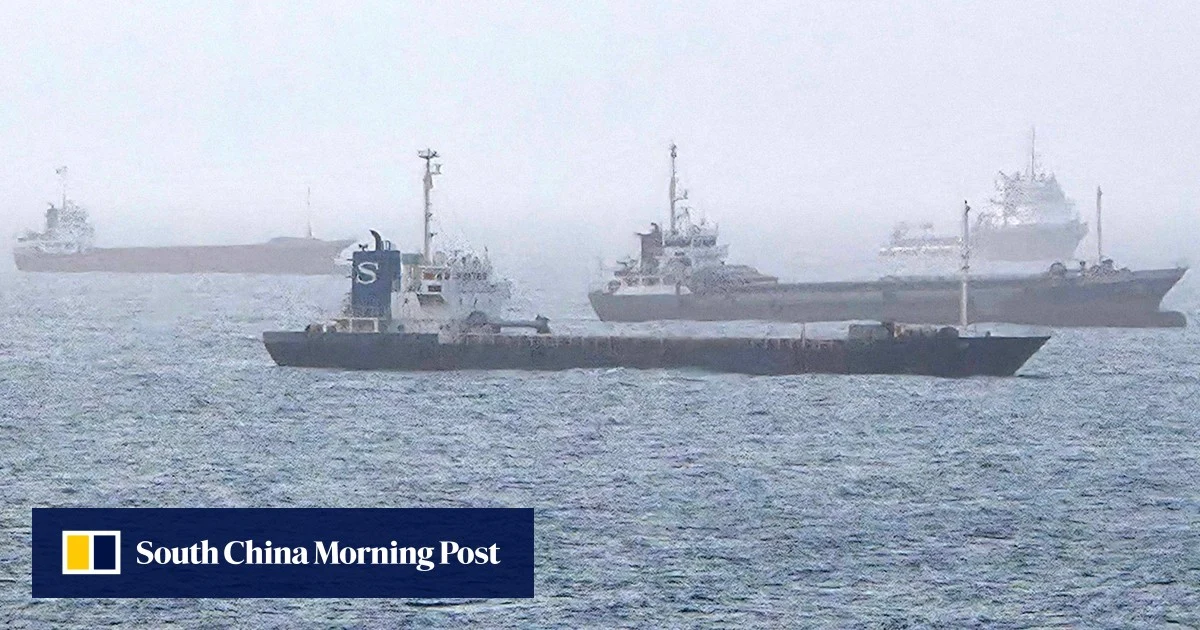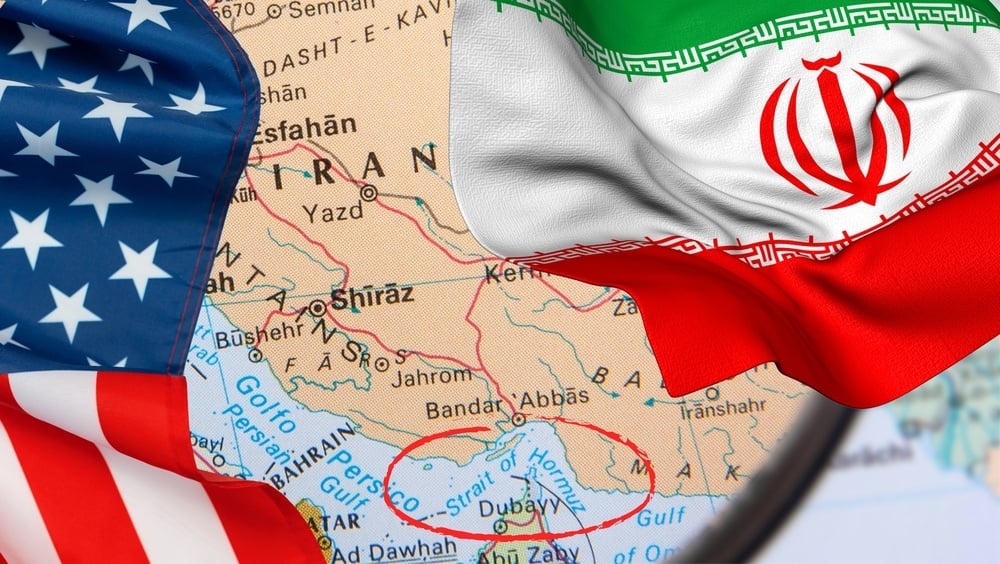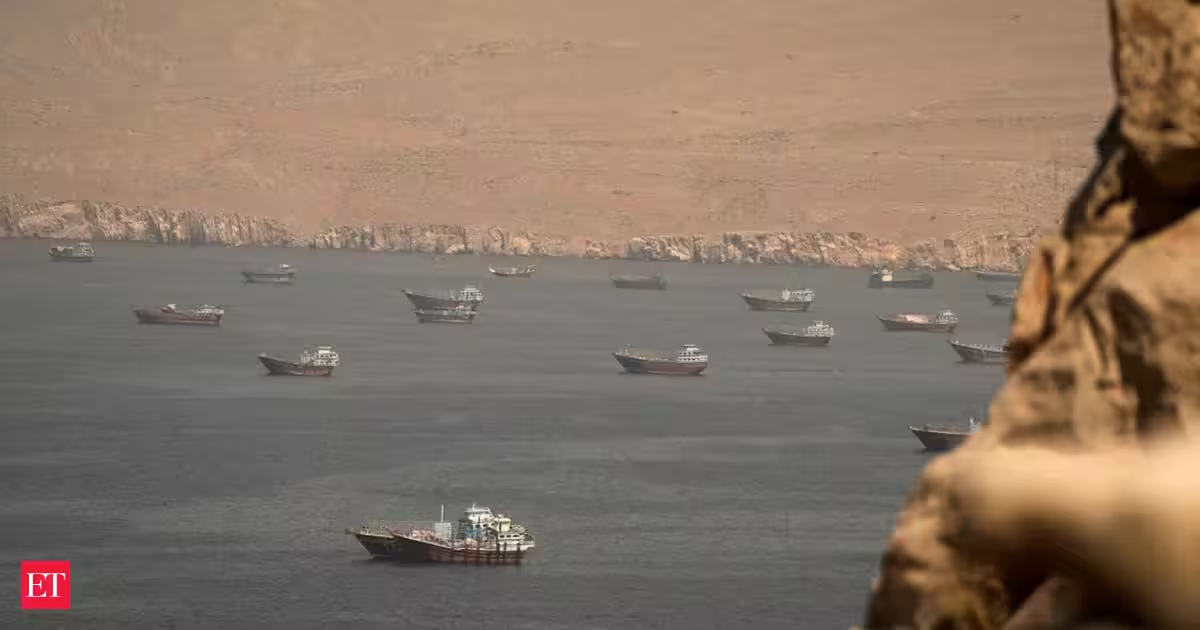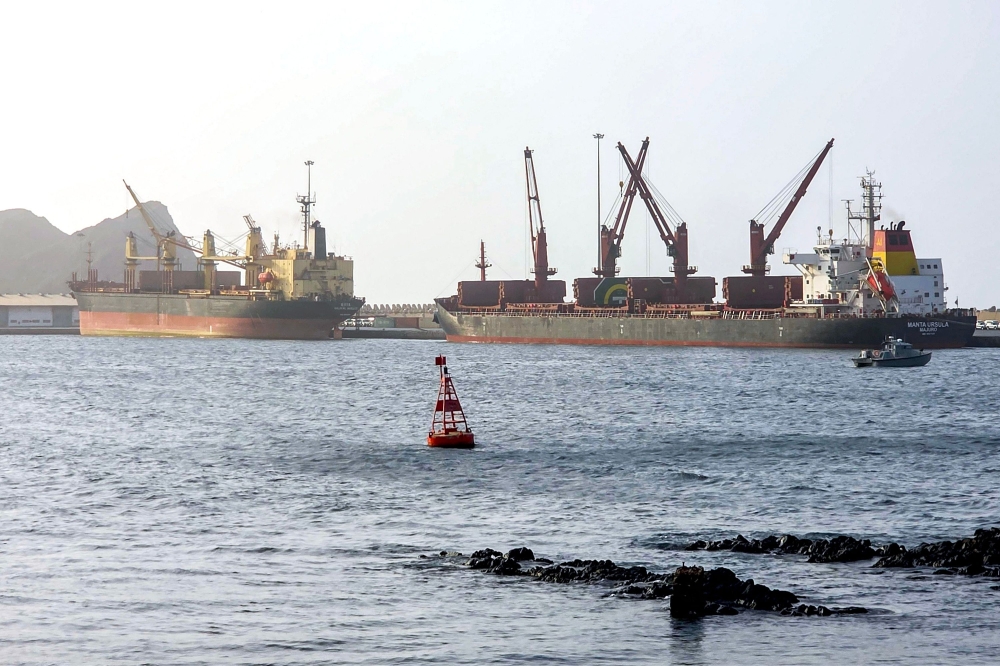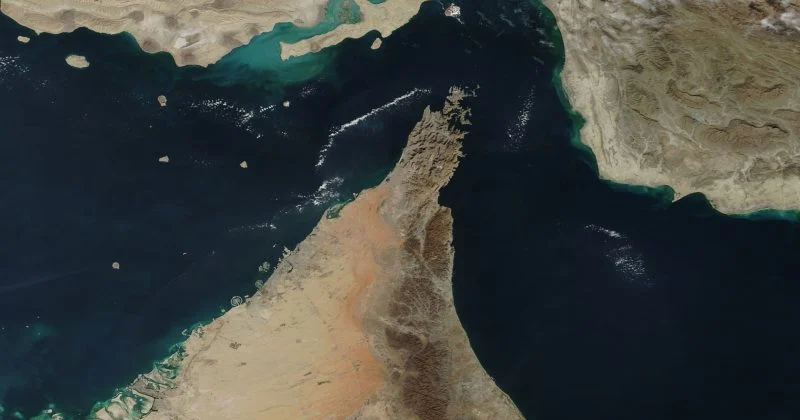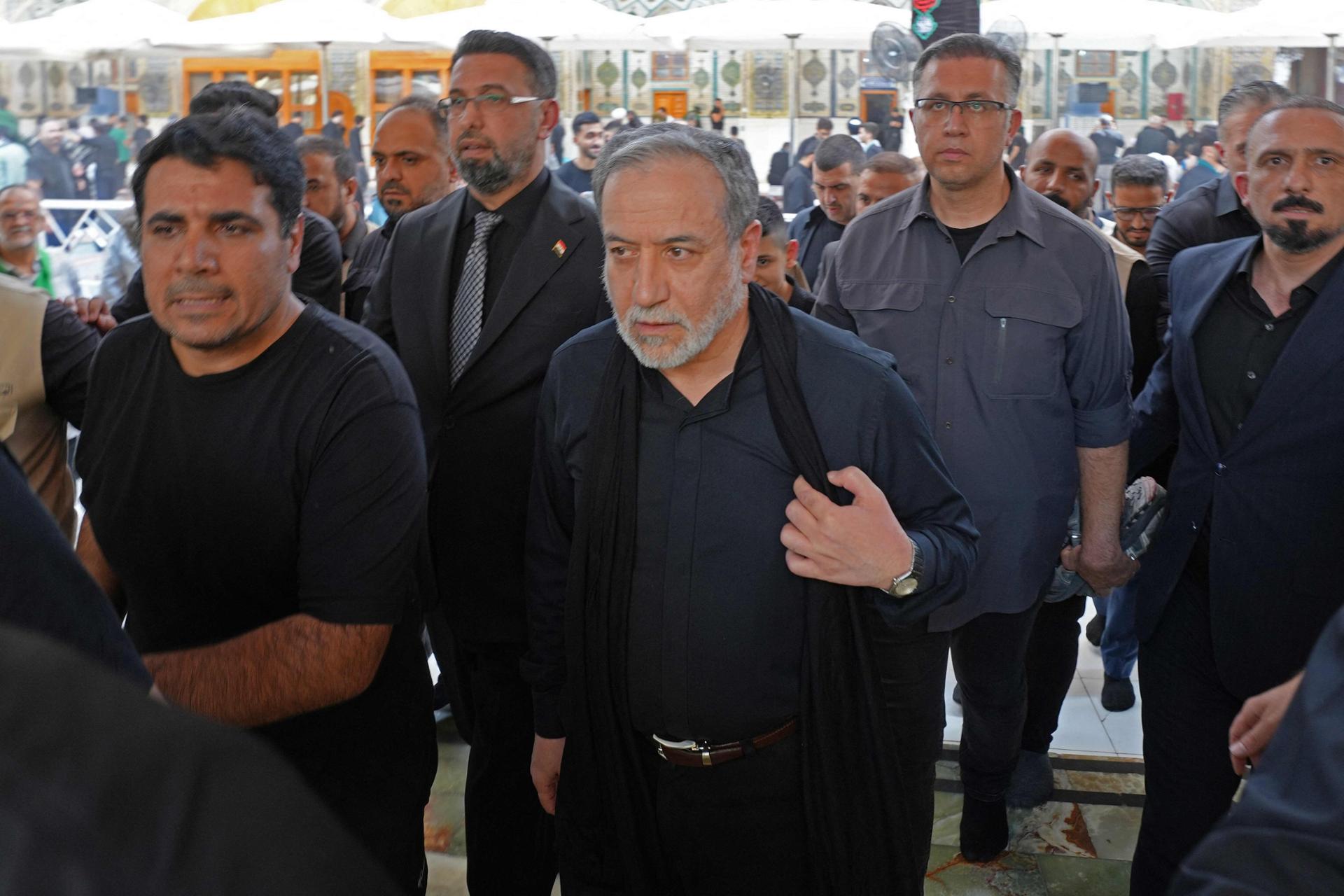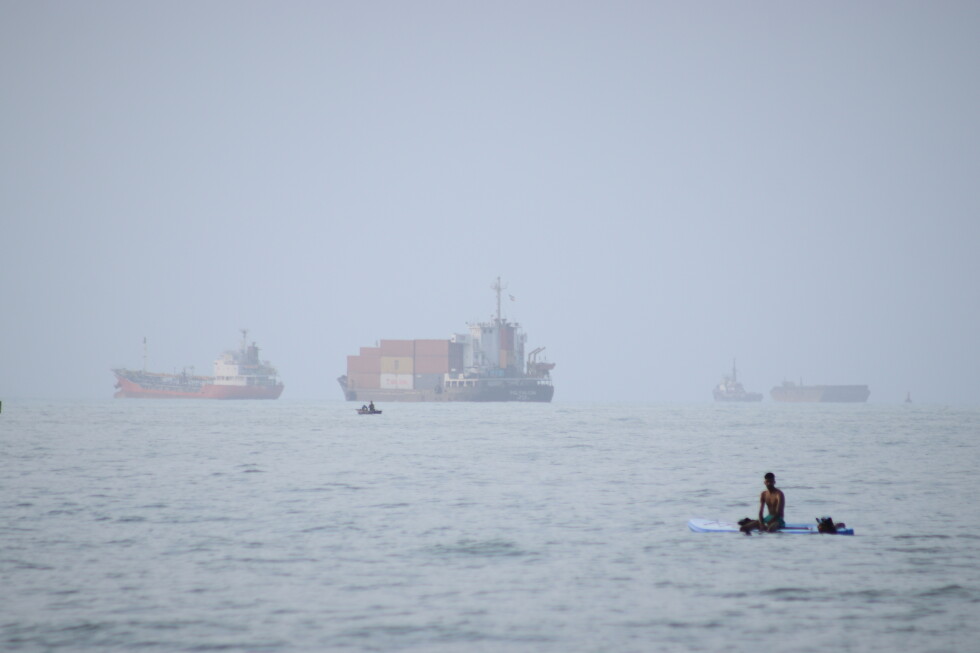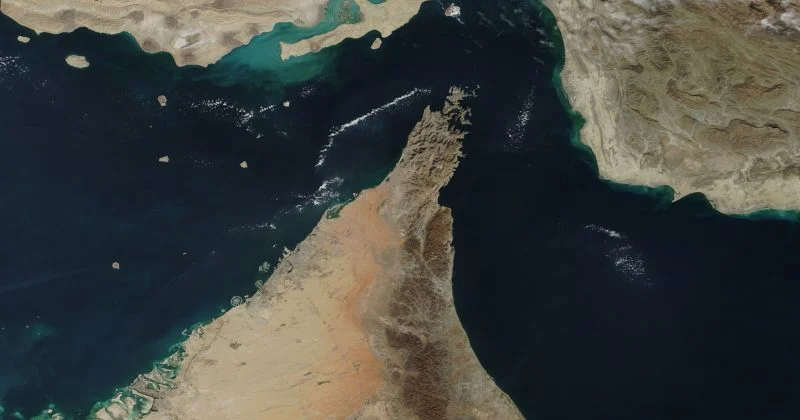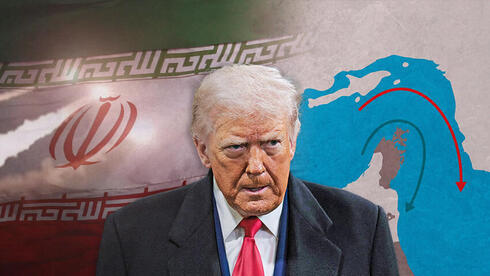
Tehran says talks with Oman are progressing, but Washington may block any pact granting Iran authority over shipping lanes or fees; officials hope a short-term accord can prevent renewed war and revive wider nuclear negotiationsIran and Oman are reporting progress toward an agreement to reopen the Strait of Hormuz, while U.S. officials say a deal could be reached as early as Tuesday or Wednesday. But the terms remain unresolved, and Washington could still block the arrangement if it effectively grants Tehran control over the strategic waterway. The emerging agreement is intended to prevent renewed fighting and reopen a path toward negotiations over Iran’s nuclear program.Regional officials told the Associated Press that any Hormuz agreement would also require the removal of the U.S. blockade currently imposed on Iranian ports. Washington, however, may oppose the deal if it allows Iran to dominate traffic through the strait. Formal negotiations are taking place between Iran and Oman, though Qatar and other mediators are also involved.Gallery(Photo: Hamed Jafarnejad/ISNA/WANA (West Asia News Agency) via REUTERS, AP/Alex Brandon, REUTERS/Stringer)The dispute over how Hormuz would be managed was the principal reason a June memorandum of understanding between Iran and the United States collapsed. Before the war began in late February, about one-fifth of global oil and gas consumption passed through the strait, where commercial shipping operated freely under its status as an international waterway. Iran then carried out its long-standing threat to close the route, attacking vessels with drones and missiles launched from its territory. The disruption sent oil prices higher and increased pressure on President Donald Trump to halt the war, particularly ahead of the November congressional midterm elections.Tehran now claims authority over Hormuz and has demanded that every vessel crossing the strait pay a transit fee. The June memorandum was deliberately worded vaguely to bypass that dispute. It provided for a temporary 60-day reopening without mandatory payments while Iran and Oman negotiated a permanent management arrangement. The deal collapsed after Iran continued attacking ships using the southern route near Oman, which does not charge passing vessels.Talks between Iran and Oman continued even as fighting between Washington and Tehran resumed and later subsided. In recent weeks, Iran rejected an Omani proposal under which payments would be voluntary rather than mandatory. Tehran increasingly regards Hormuz as a strategic pressure tool it cannot afford to surrender.(Photo: REUTERS/Stringer)The New York Times reported that the sides are now nearing a different arrangement. Under the proposed framework, vessels entering the Persian Gulf would travel through the northern lane near Iran’s coast, while ships leaving the Gulf would use the southern route closer to Oman. Iranian officials told the newspaper that Tehran would not collect formal tolls but would instead charge payments described as “service fees.” Those payments would ostensibly cover the environmental effects of managing the strait and the security of tankers, with revenue reportedly divided equally between Iran and Oman.A U.S. official disputed the Iranian account, telling The New York Times that a temporary shipping route would not require Iranian authorization or involve fees.Iranian officials said the agreement would be drafted to preserve Tehran’s ability to enforce control over the strait, allowing it to retain leverage it did not possess before the war. Reuters separately cited a senior Iranian source as saying Tehran would maintain influence over the outbound lane in addition to full control of the inbound route near Iran’s coast.The source said Iran would have “visibility” over vessels leaving the Gulf and the ability to intervene when necessary. Omani authorities would formally issue exit permits, but Iran would be notified. “Tehran does not intend to change its position,” the source said, arguing that Iran had already compromised by abandoning its initial demand for full control over traffic in both directions.(Photo: CNN)It remains unclear whether vessels will ultimately be required to pay any fee, a condition strongly opposed by the United States. Allowing Iran to collect payments would represent a significant strategic gain for Tehran, since passage through Hormuz was entirely unrestricted before the war. U.S. officials also fear that such an arrangement could encourage other countries, including China, to impose similar demands on international waterways.“If we create a precedent in the Middle East where a country can decide it controls an international waterway, charge a toll, and blow up your ships if you do not pay, we are creating a very dangerous precedent that will be repeated elsewhere in the world,” Secretary of State Marco Rubio said.The negotiations are advancing against the backdrop of repeated Trump threats to resume military operations against Iran. Bloomberg reported Tuesday that Trump was pressing Tehran to reach a Hormuz agreement that day or face “devastating airstrikes.”At the same time, senior U.S. officials expressed hope that a deal was close. Treasury Secretary Scott Bessent said he believed there was a chance of reaching an agreement “today or tomorrow” to reopen the strait. Rubio also said progress had been made in the Iran-Oman talks, though he cautioned that no final agreement had been reached. “We’re hoping that will happen very shortly,” he told reporters in Washington.Qatari Foreign Ministry spokesperson Majed al-Ansari said draft proposals were being exchanged and described the negotiations as being at a “very advanced stage.” He called the emerging arrangement a short-term solution intended to return Washington and Tehran to the negotiating table.Iranian Foreign Ministry spokesperson Esmaeil Baghaei described the talks more cautiously, emphasizing that they were direct discussions between Iran and Oman. He said the dialogue concerned “establishing safe shipping lanes, both entering and exiting the strait, while preserving sovereign rights and addressing the national security considerations of both Iran and Oman.”“So far, the discussions have been assessed positively at both the technical and political levels,” he said.A separate Bloomberg report suggested growing optimism over the talks and helped drive oil prices lower. According to the report, Iran is considering allowing European countries to help clear mines placed in the strait by the Revolutionary Guards during the war.Such an operation is considered essential to restoring confidence among shipping companies and insurers. European governments have previously offered to send vessels to locate and remove mines but demanded clear guarantees that Iran would not attack them.It remains unclear whether Tehran will provide such assurances. Bloomberg reported that divisions persist within the Iranian leadership over whether to permit European states to operate in the strait. Any approval would also require the consent of the Revolutionary Guards, which have taken a hard line throughout the war and continued attacking ships crossing Hormuz in recent days.
Iran demands US blockade relief for Hormuz deal, considers European mine-clearing
Tehran says talks with Oman are progressing, but Washington may block any pact granting Iran authority over shipping lanes or fees; officials hope a short-term accord can prevent renewed war and revive wider nuclear negotiations
1,080 words~5 min read