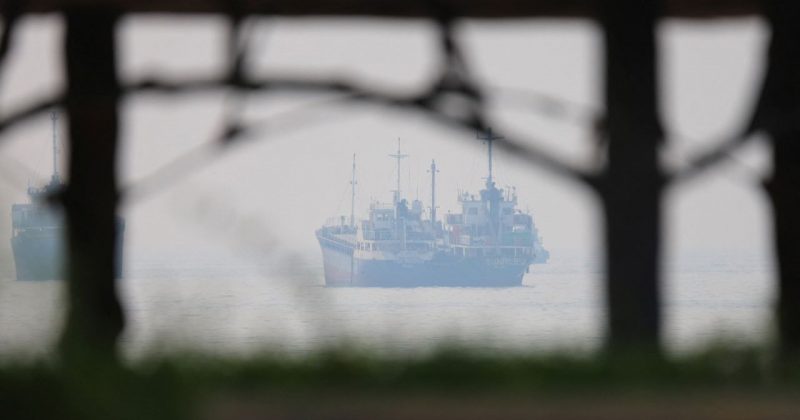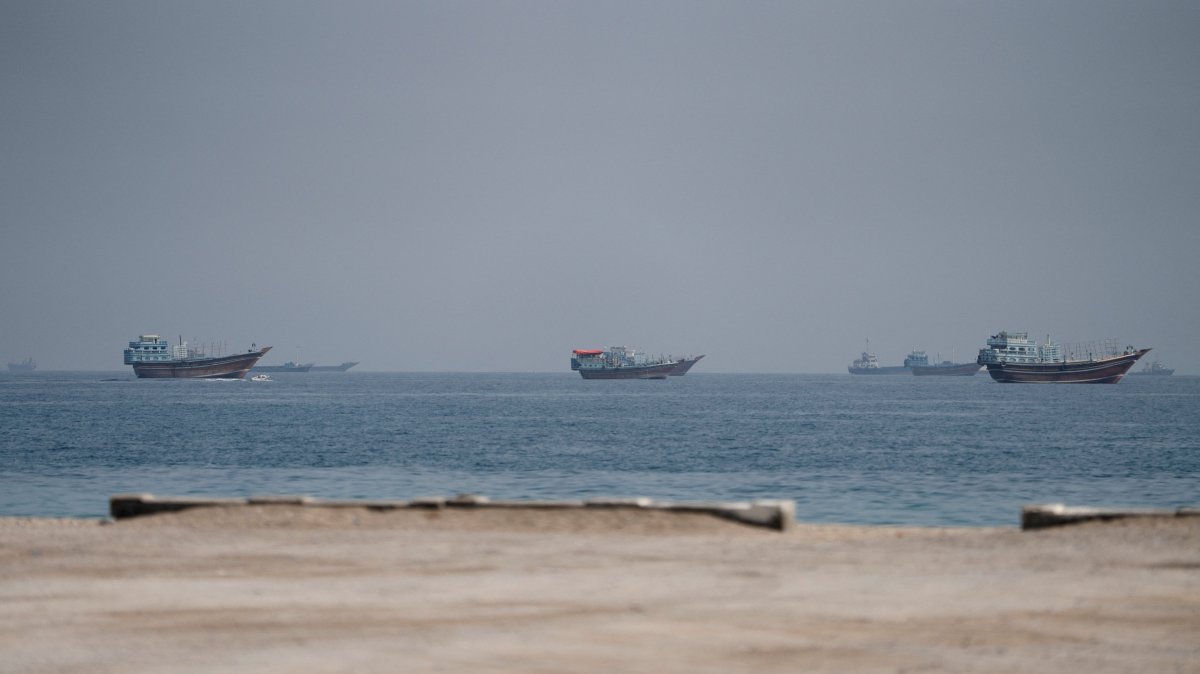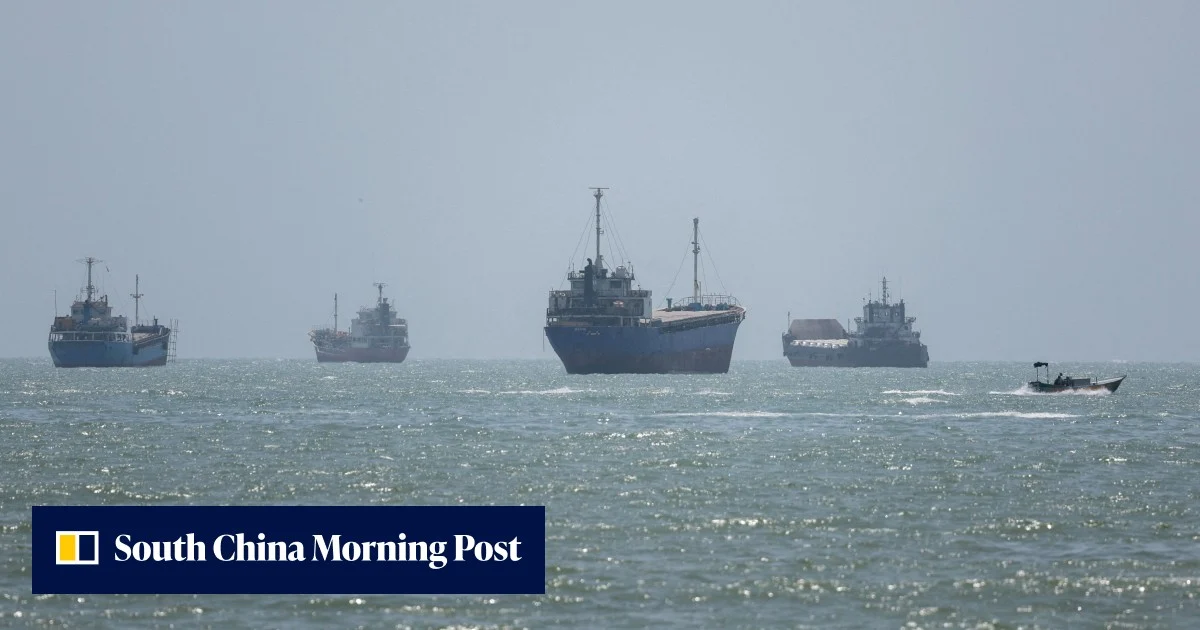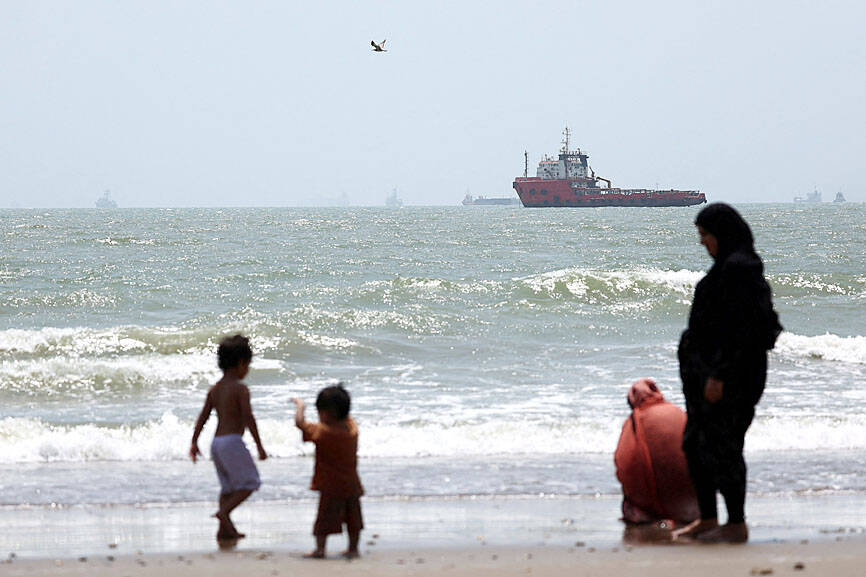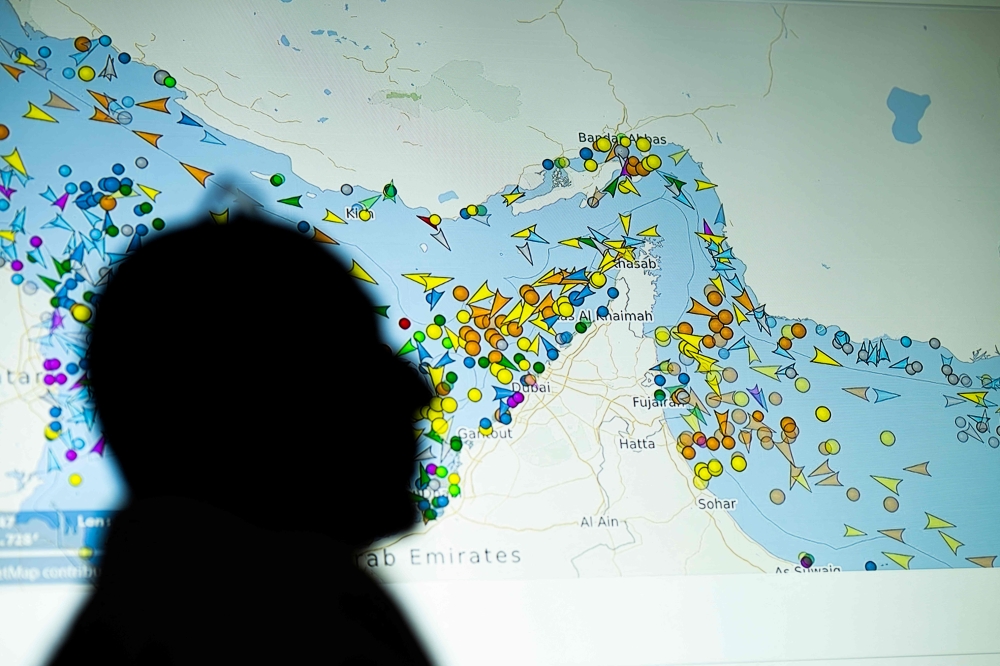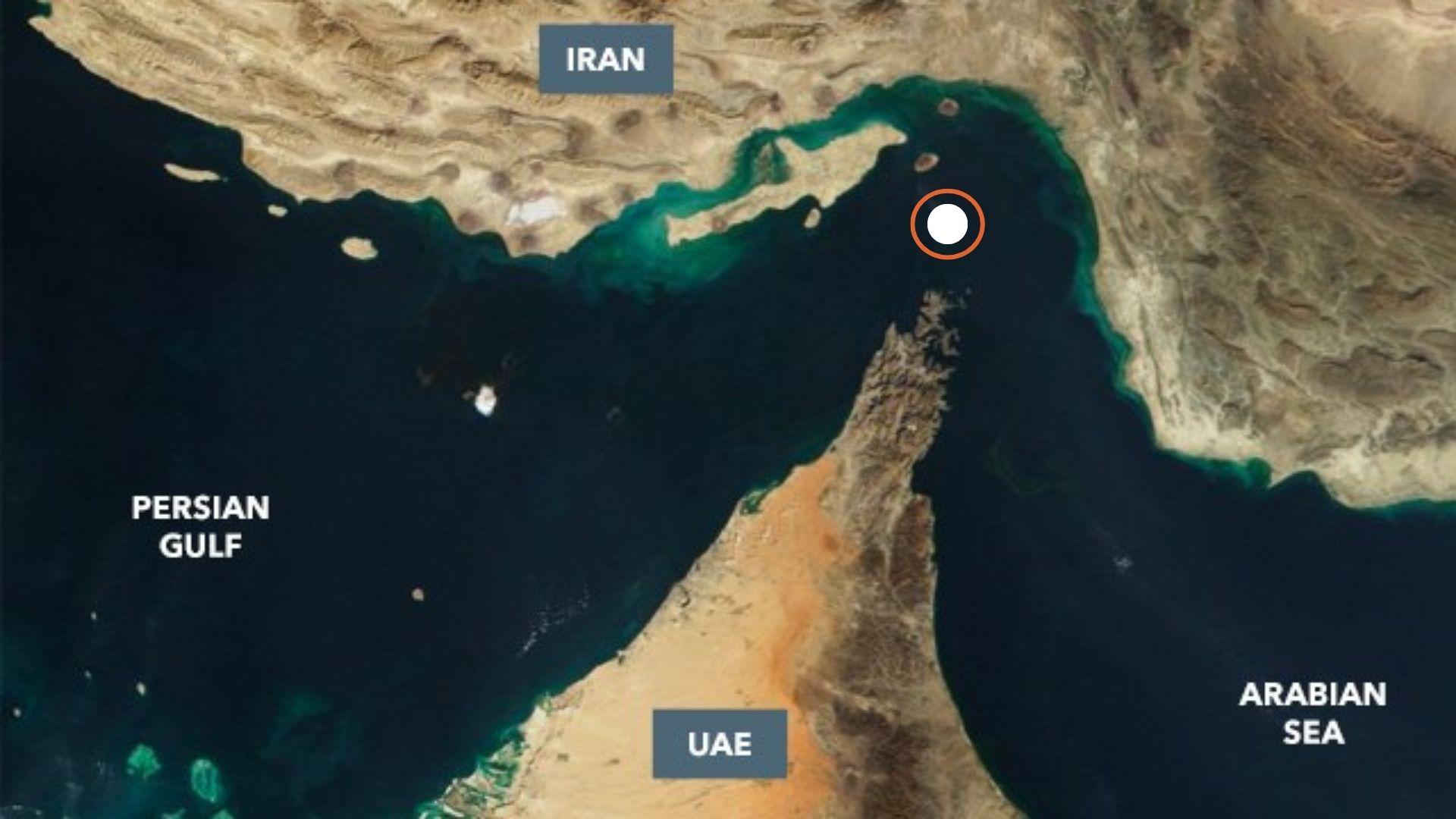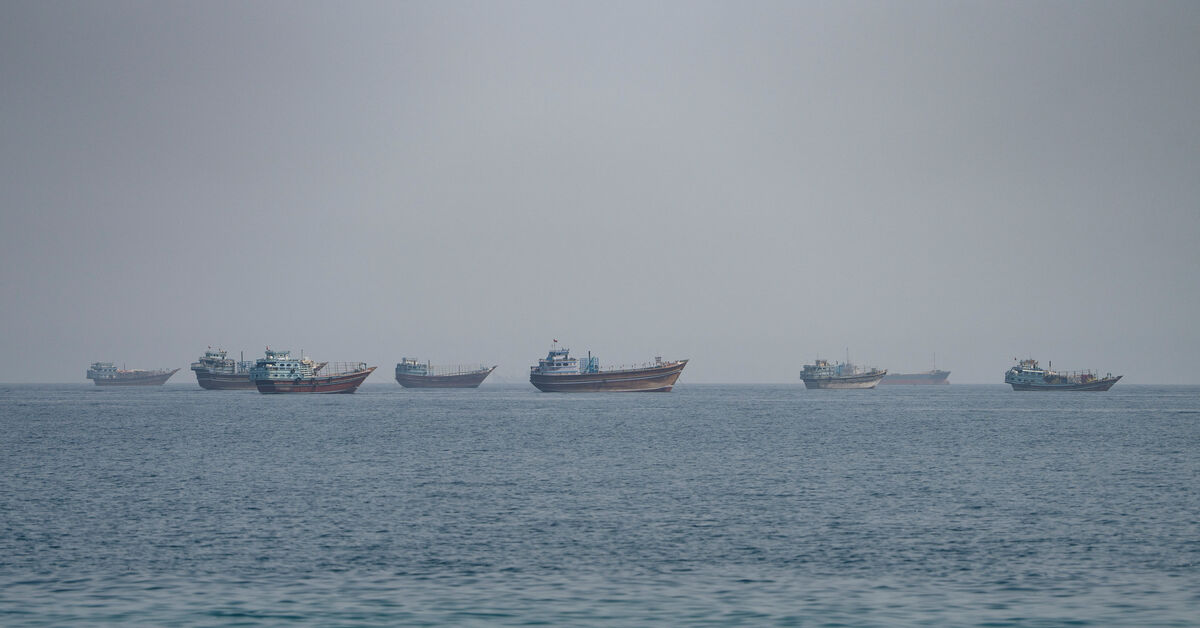
The Strait of Hormuz has been the world’s most consequential bottleneck for energy markets. Iran is now holding it hostage to a list of demands that reads less like a diplomatic opening and more like an ultimatum.
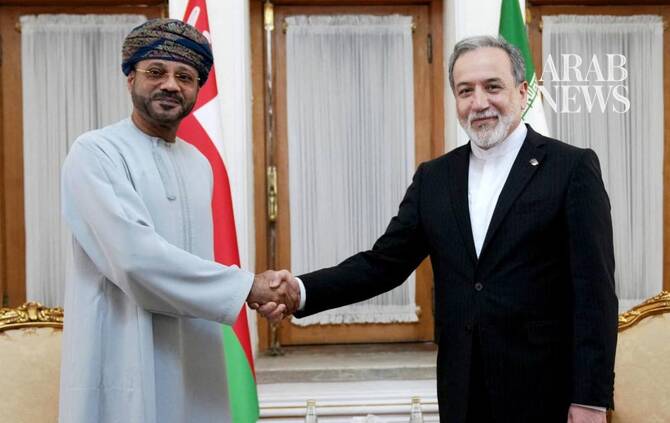
Iranian officials have stated that the strait will remain militarily closed until the United States accepts Tehran’s conditions, which include lifting a naval blockade, ending sanctions, releasing frozen assets, and providing reparations for what Iran characterizes as violations of a memorandum of understanding signed in June 2026. Separately, Iran and Oman have been discussing a potential agreement on temporary shipping arrangements, but Iranian leadership has made clear those talks don’t guarantee the waterway reopens anytime soon.
How we got here
The June 2026 MoU between the US and Iran allowed for toll-free commercial passage through the strait for 60 days while both sides negotiated terms for sustained, safe maritime transit. That 60-day window expired in mid-August 2026 without producing a resolution. Iran now points to the lapsed agreement as evidence that Washington failed to engage in good faith, while the US has yet to publicly accept the framing that it violated the MoU’s terms.