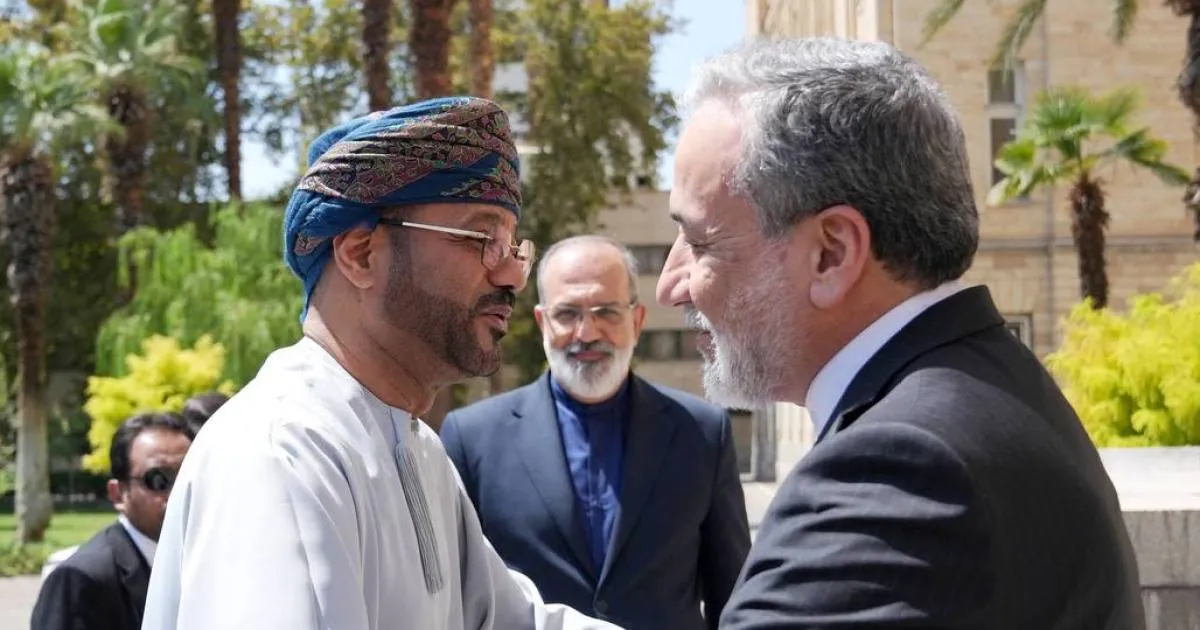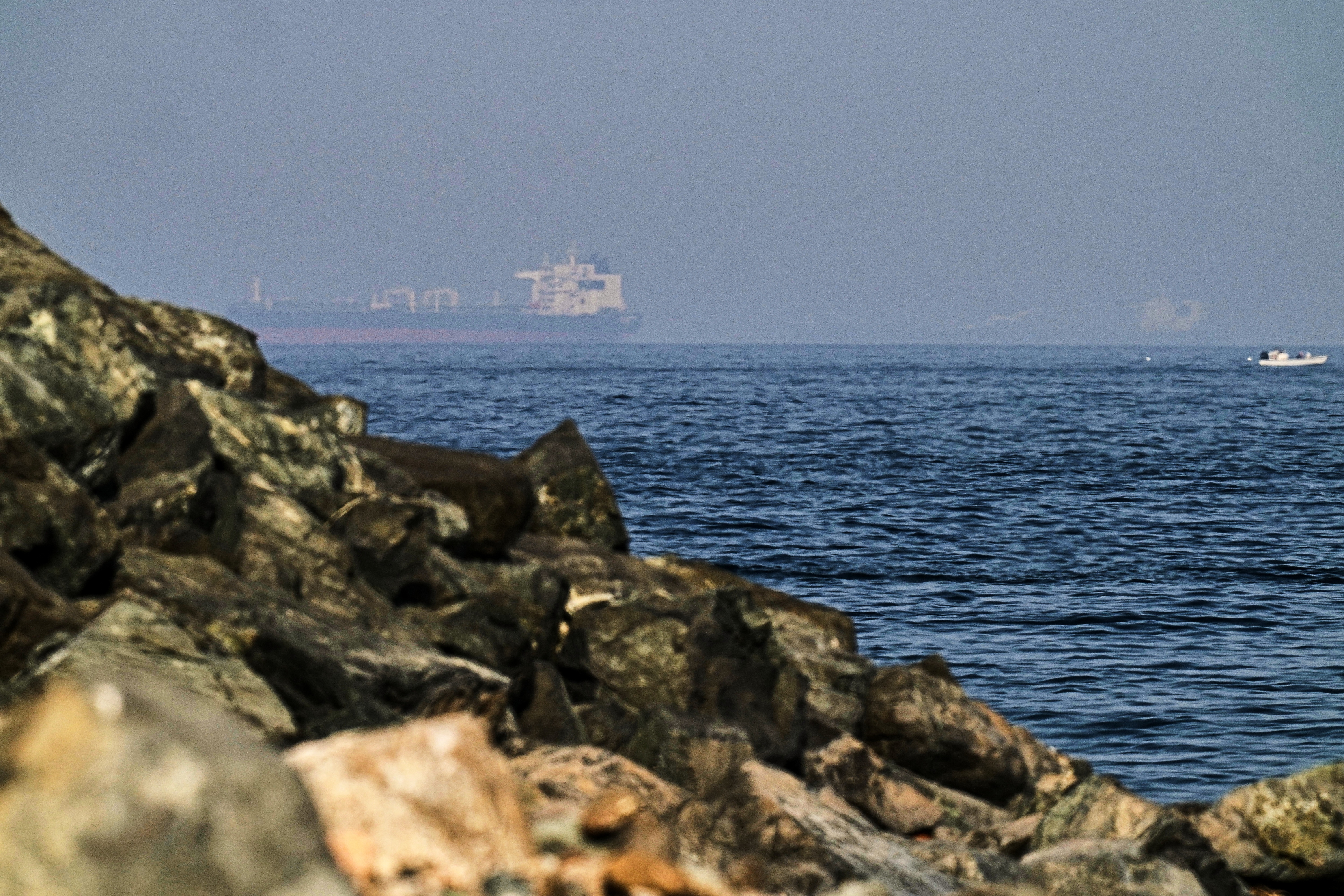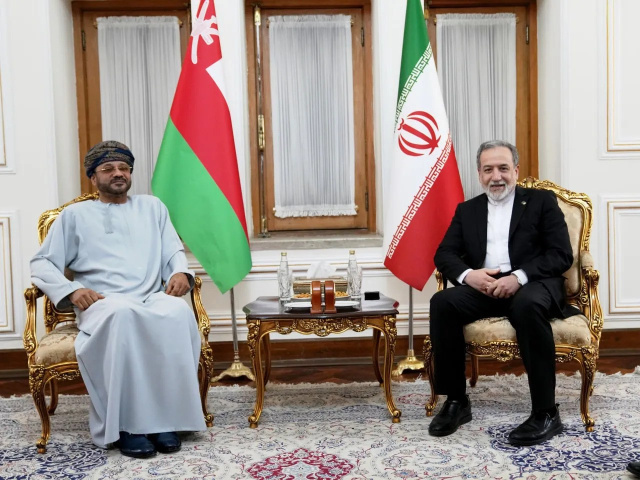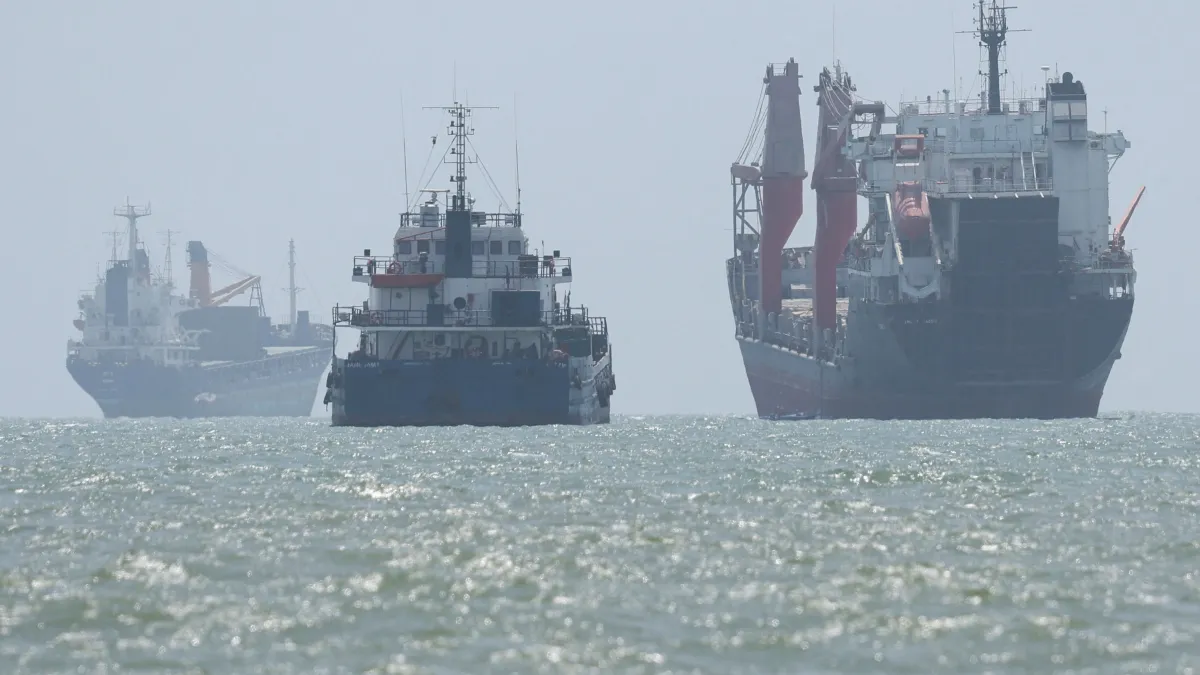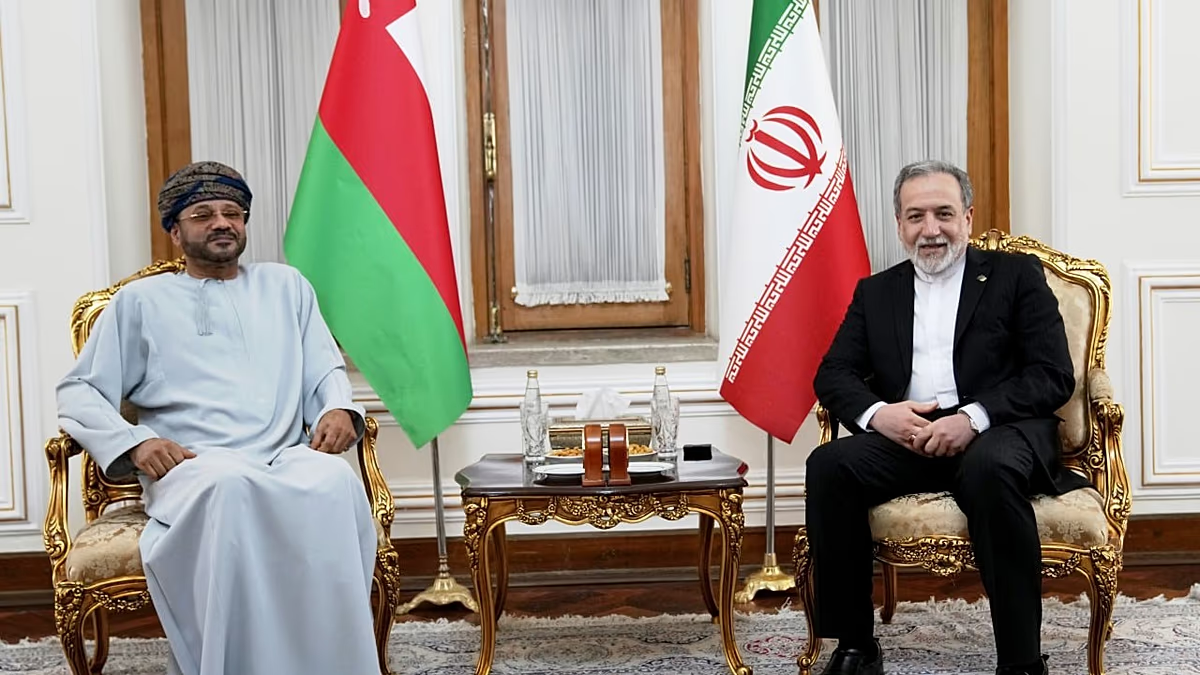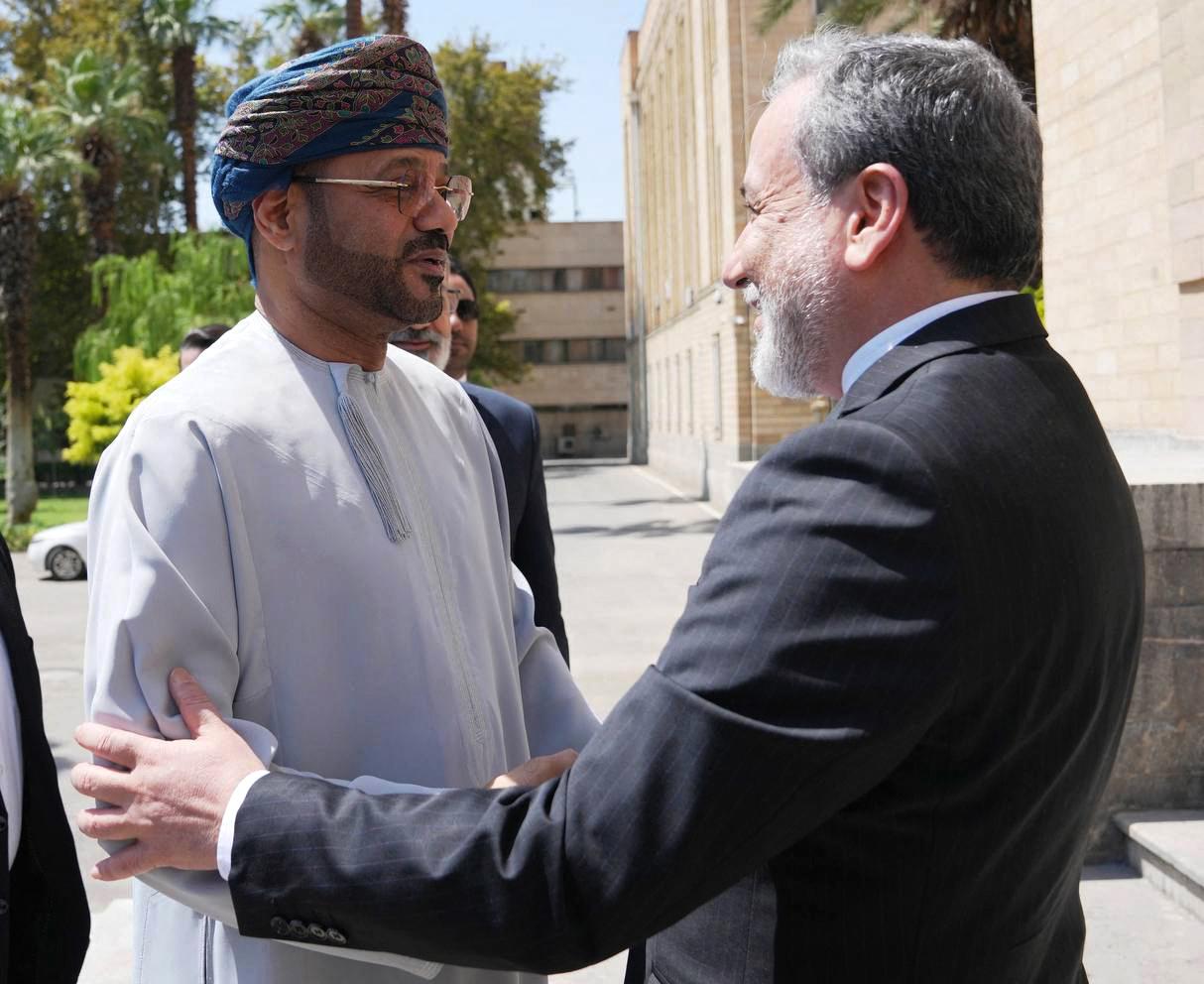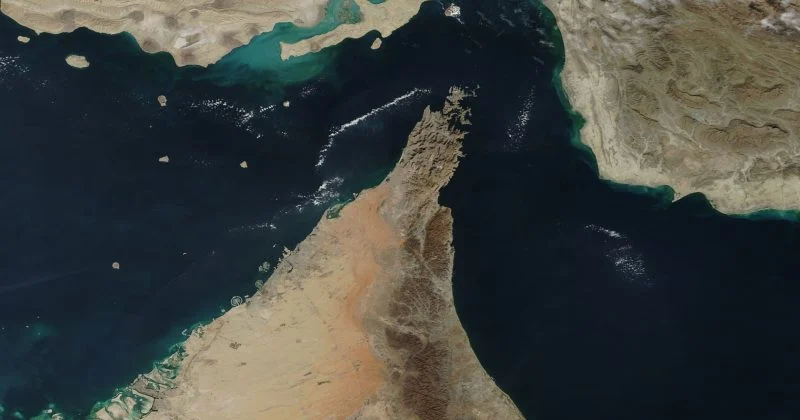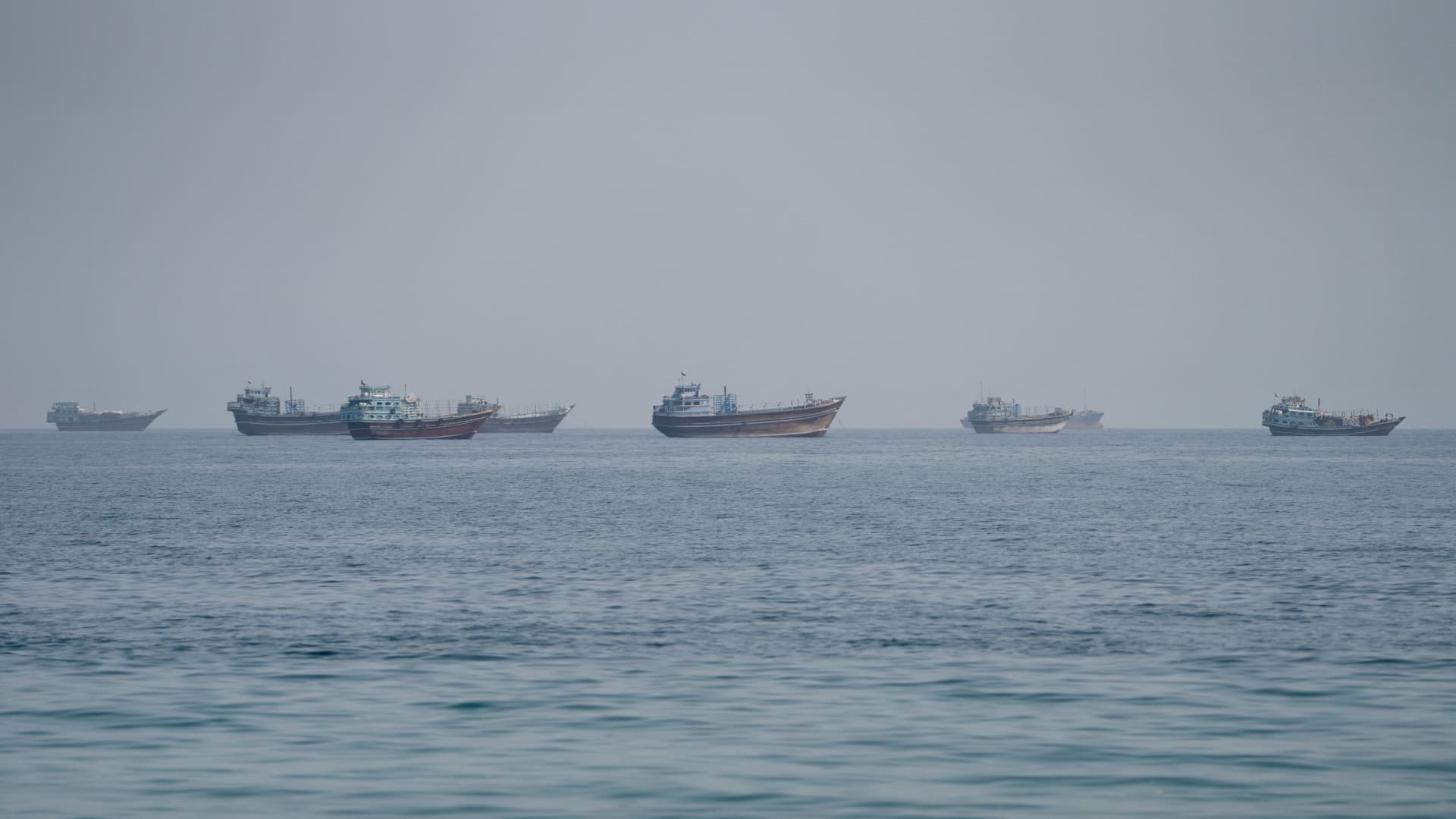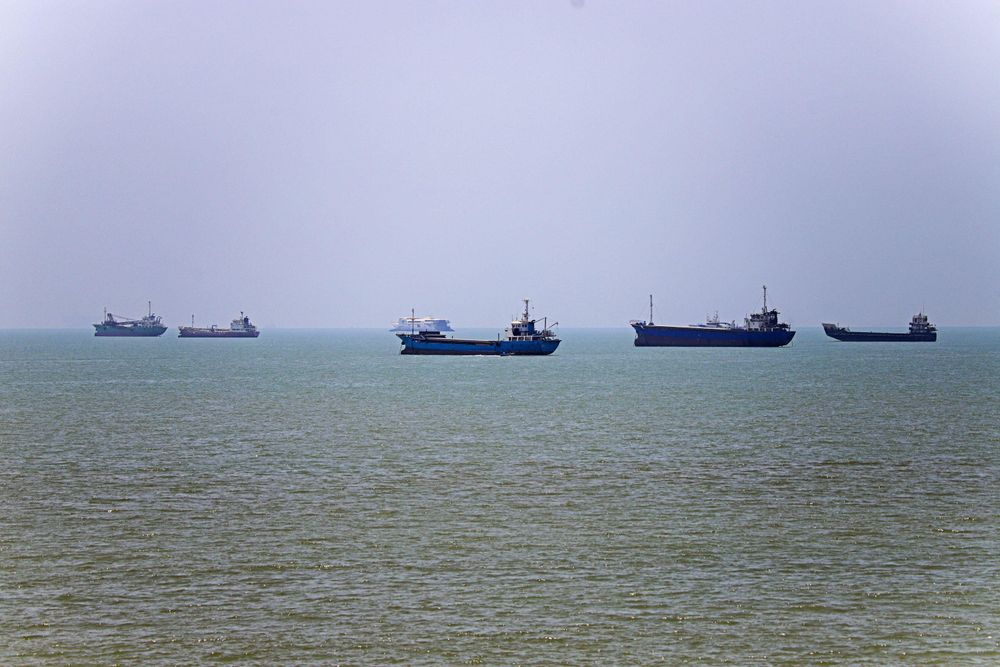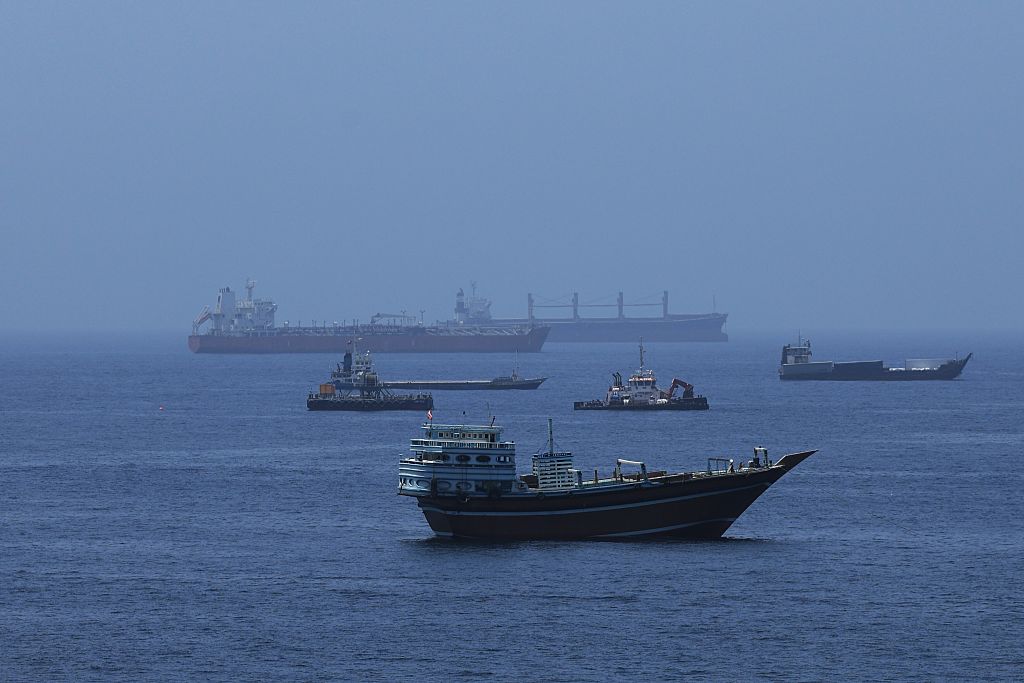
DUBAI — Iran and Oman have agreed on a temporary maritime route for ships travelling through the Strait of Hormuz, Iran’s Deputy Foreign Minister Kazem Gharibabadi has said.He, however, warned that the waterway will not fully reopen until the United States fulfils its commitments under an interim peace deal signed in June, which has since lapsed.The US-Israel war on Iran, which began with strikes on Tehran on February 28, has effectively closed the Strait of Hormuz to shipping, sending global energy markets into crisis.The narrow waterway, through which one-fifth of global oil and natural gas supplies from Gulf producers are shipped in peacetime, has become a major bone of contention between Washington and Tehran, and disagreements over the critical channel continue to hinder any hopes of a lasting peace plan.Gharibabadi announced on state television that Iran and Oman have agreed that the entry to the new approved route will begin in Iranian territorial waters “and part of the exit route would also be through our territorial waters”.The transit corridor will be 7 miles (11.3km) wide, he said.However, key details remain unclear, including the precise coordinates of the route and when ships can start traversing the strait safely.Specific operational protocols are also not known yet, such as whether any vessels or flags will be barred from using the route, or whether Iran or Oman will charge tolls to allow vessels to pass.Gharibabadi emphasised that Iran has only agreed on a route for shipping with Oman, and does not consider the strait open despite the agreement on the location of a shipping route with Oman.“The agreed-upon transit route with Oman is a temporary route,” he added.Gharibabadi insisted the US must fulfil its commitments under the June MoU, including granting sanctions relief and the release of frozen Iranian assets, if it wants to resume peace talks.He urged countries to resist US pressure to place economic pressure on Iran.US President Donald Trump announced last week the “most crushing economic operation ever” against Iran, and threatened sanctions against any country doing business with it. On Monday, US Treasury Secretary Scott Bessent laid out a wave of new sanctions against 60 entities around the world it accuses of facilitating Iranian oil sales.“We are urging countries not to succumb to American pressure regarding the sanctions that Washington wants to impose on us,” Gharibabadi said, adding that Washington was “mistaken about its ability to enforce its sanctions against our neighbours”.Gharibabadi’s remarks followed talks with Omani negotiators in Tehran to finalise the details of a phased framework for the future management of the strait. Iran and Oman have been in talks for several weeks about controlling traffic through the strategic waterway.Oman, which is known for its neutrality and position as a mediator between Iran and the US, which it considers an ally, has not publicly stated that it intends to join Iran in controlling the Strait of Hormuz.Earlier on Tuesday, Iran’s Foreign Minister Abbas Araghchi met his Omani counterpart, Badr Albusaidi, in Tehran to discuss the temporary navigation corridor as well as a project to clear mines, according to a joint statement.Albusaidi said on X he hoped the countries would “soon announce” the corridor, adding that “future management of the strait and a permanent solution will follow in due course”.Technical talks are planned to develop a long-term arrangement, including mechanisms for information sharing and navigational and security services, according to Albusaidi’s statement.While the US has not formally responded to the news of an agreement between Iran and Oman for a shipping passage through the strait, last week Trump threatened to bomb Oman if it “gets in the way” of a peace deal between the US and Iran.The US and Oman are close partners with a relationship stretching back nearly 200 years.However, an exclusive understanding between Iran and Oman over the waterway runs contrary to one of Washington’s core demands: that Iran should relinquish control of the strait as a condition of ending the war. Rather than curbing that control, such a deal would lend it greater legitimacy by formalising Iran’s position, analysts say.But experts say Trump is also likely angry that the US has seemingly been cut out of a deal relating to the strait.The US and Iran have also strongly disagreed about whether Iran should be allowed to charge fees to shipping companies using the strait. Under international law, tolls for passing through natural waterways such as Hormuz are forbidden, even when they are not technically in international waters.However, fees for services such as insurance, environmental protection and docking can be charged. It has yet to be seen whether this issue will be addressed in the temporary agreement announced on Tuesday.Meanwhile. Iran's army spokesperson Mohammad Akraminia says the country plans to shift to an offensive position rather than a defensive one to protect itself from the threat of more US attacks.He added that Iran conducted several “preemptive operations” in the last phase of the war, adding that an Iranian strike on a US base in Jordan was an effective deterrent for US attacks.Akraminia also said his government will give a financial reward to anyone who captures US soldiers if they enter Iran.He announced that Iran has made significant progress in rebuilding infrastructure destroyed in the war and has received new military equipment.As for the Strait of Hormuz, he said vessels will be subjected to Iranian surveillance before they arrive and will only be allowed to pass if Iran grants them permission.
Iran and Oman agree on temporary shipping route in Strait of Hormuz
Iran and Oman have agreed on a temporary maritime route for ships travelling through the Strait of Hormuz, Iran's Deputy Foreign Minister Kazem Gharibabadi has said.
903 words~4 min read