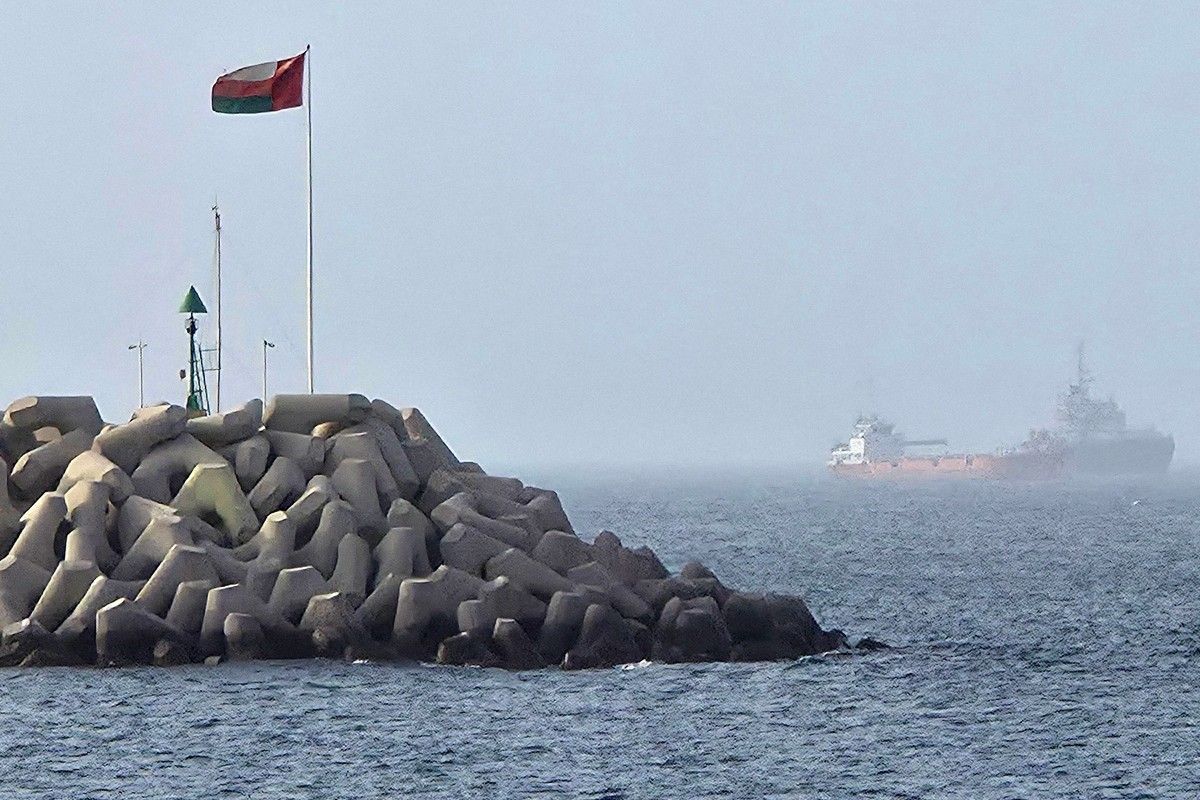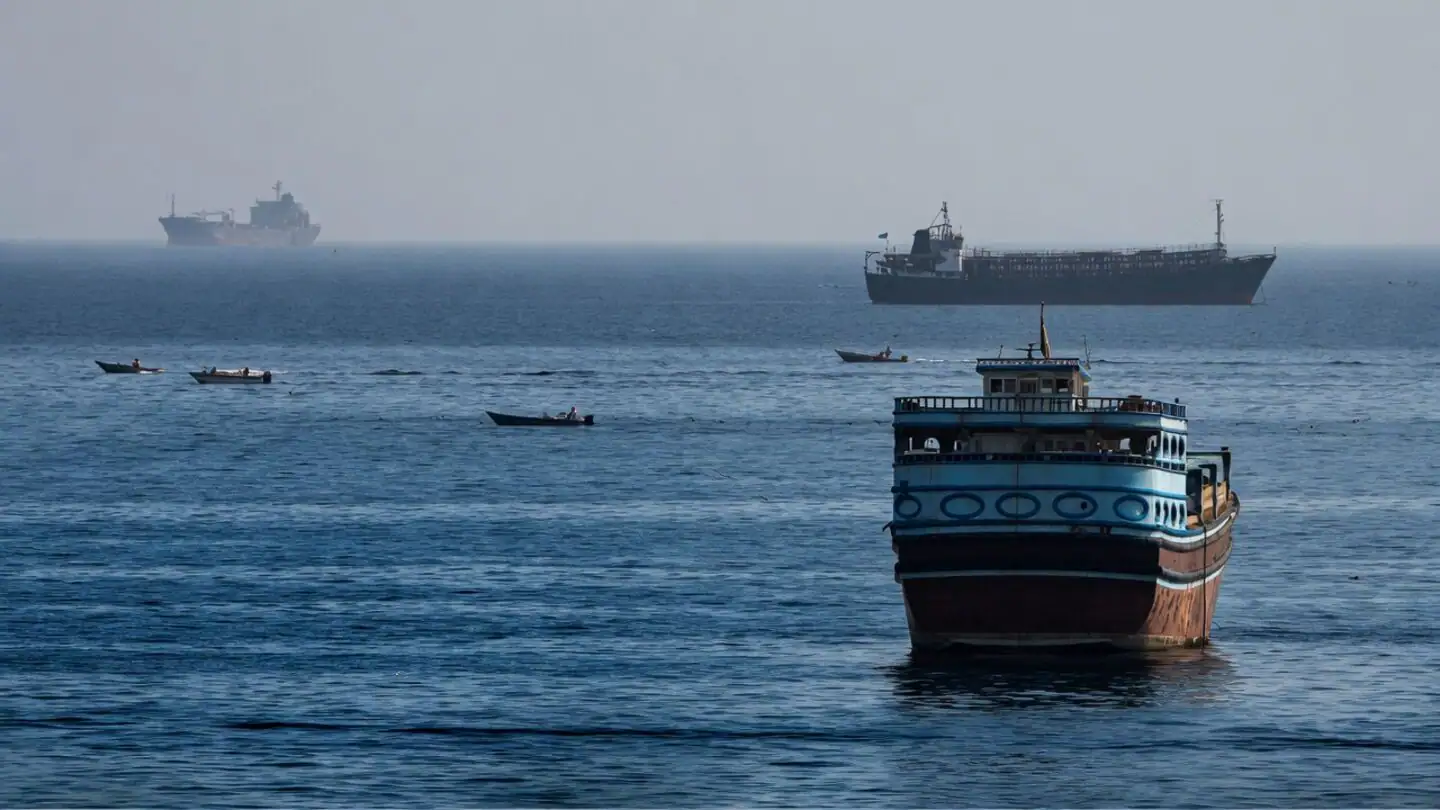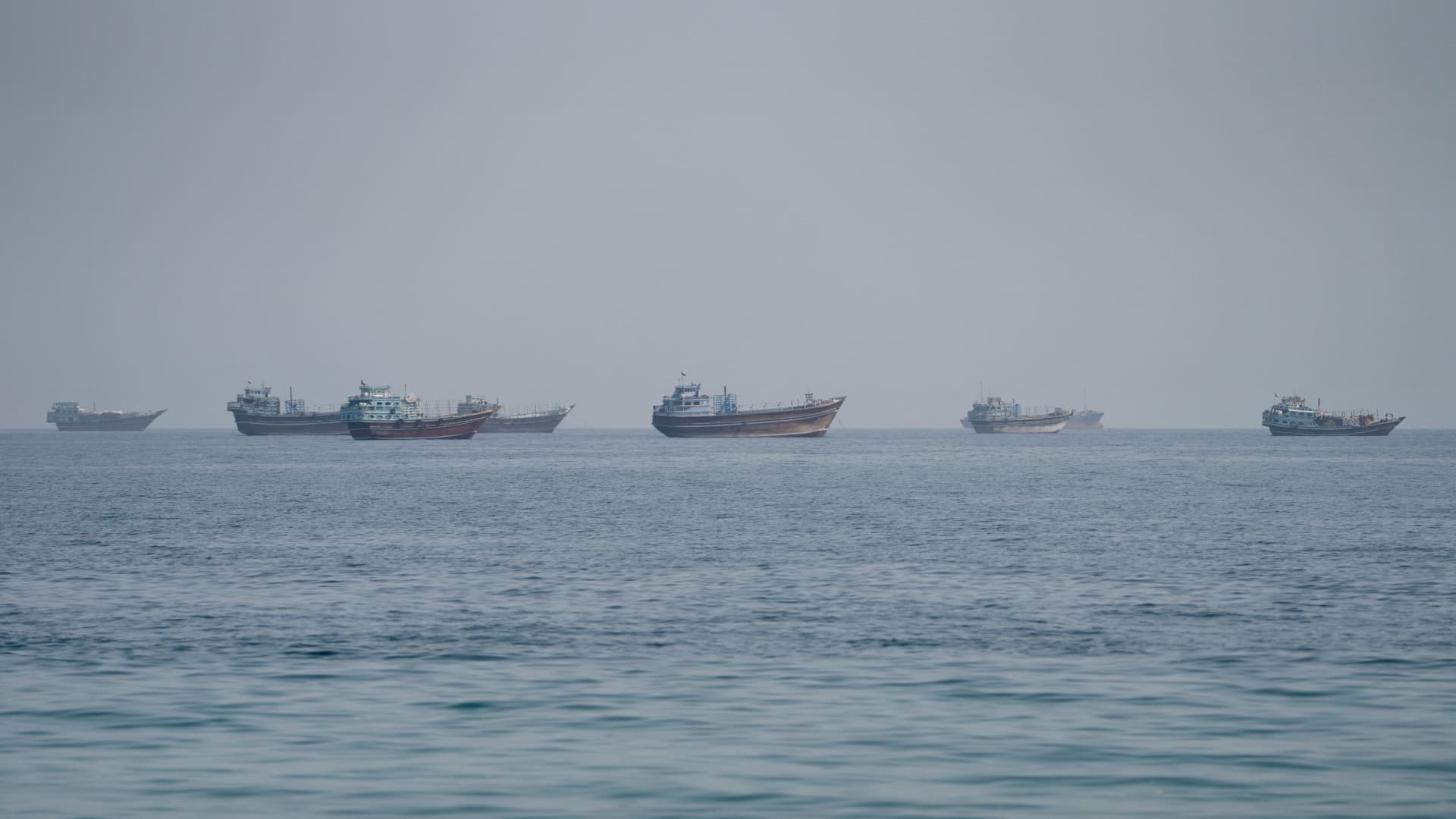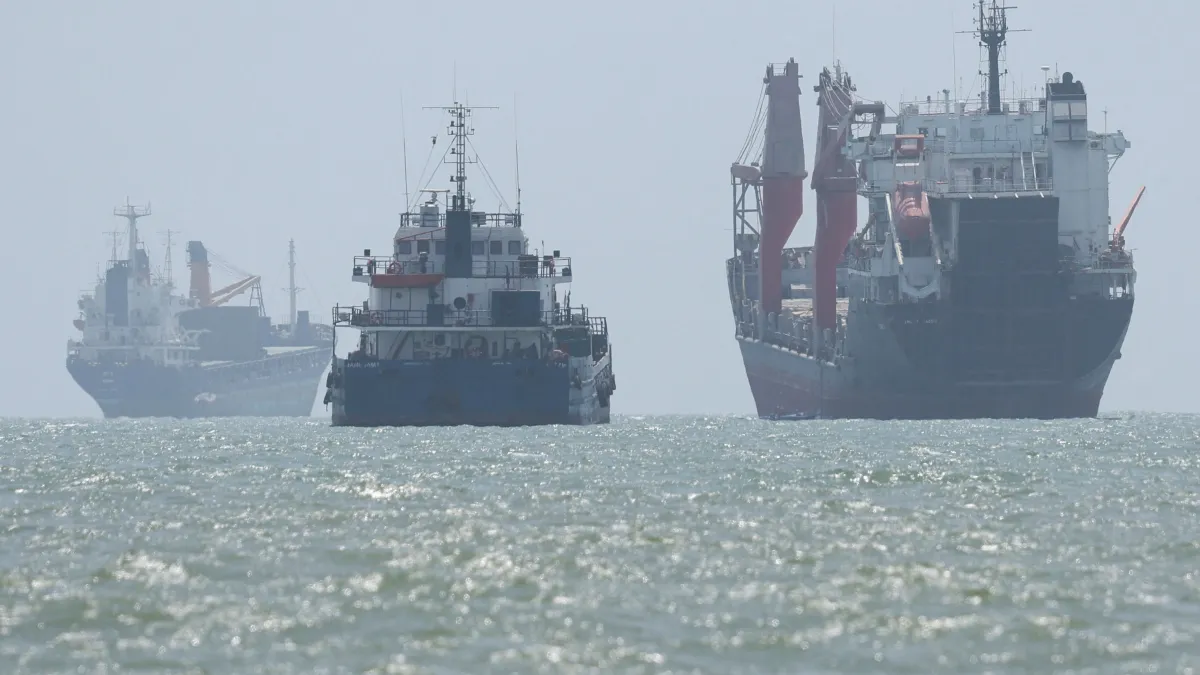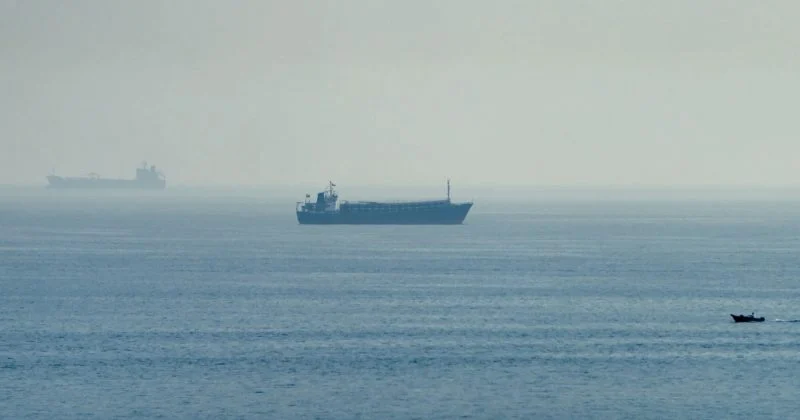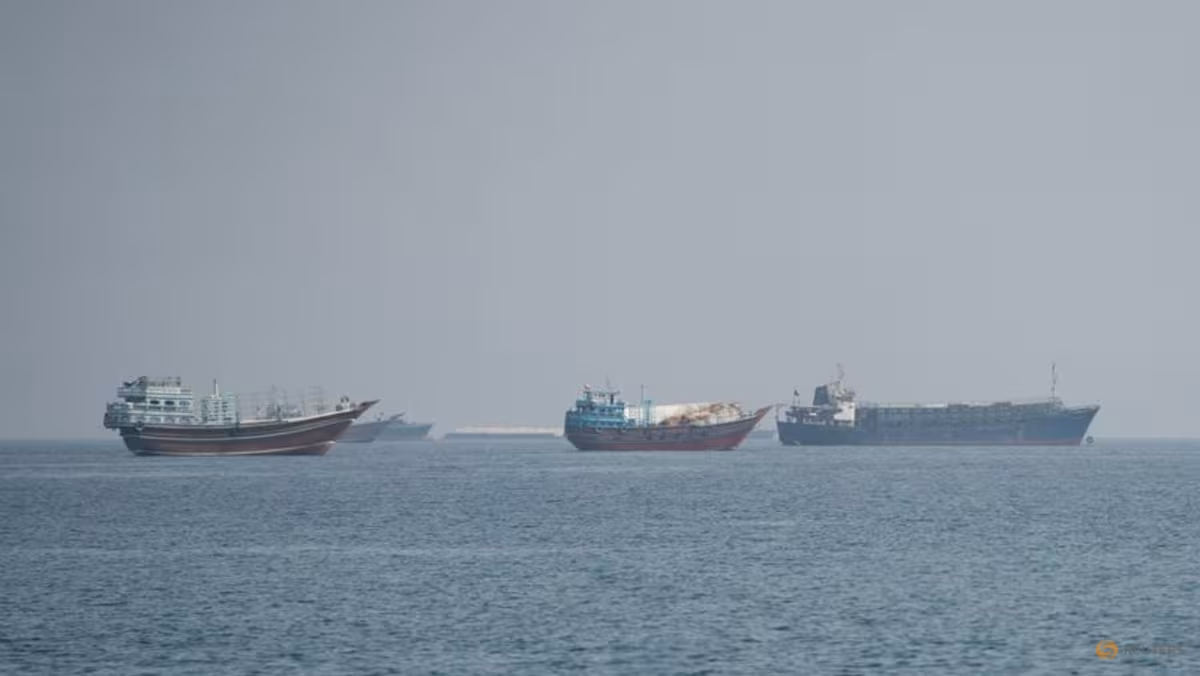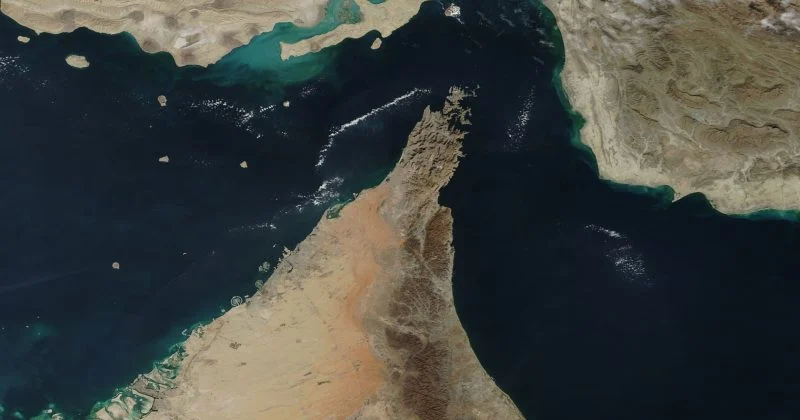
The Strait of Hormuz has spent the better part of 2026 as something close to a maritime obstacle course. On August 25, Iran and Oman formalized a joint navigation corridor through the waterway, designating a temporary route reserved exclusively for commercial vessels. In a strait responsible for roughly 20% of the world’s oil and liquefied natural gas supply, dozens of naval mines still sit in the central Traffic Separation Scheme, the standard routing lane that commercial ships have used for decades.
How the strait got here
The current crisis traces back to late February 2026, when a period of conflict and mining transformed one of the planet’s busiest shipping lanes into something far more dangerous. A ceasefire took effect on April 8, 2026, pausing the worst of the hostilities, but the physical hazards remained.
The diplomatic architecture underpinning the new corridor came into clearer view in June 2026, when the United States and Iran signed a memorandum of understanding dated June 17. That MoU committed Iran to 60 days of safe, toll-free commercial passage through the strait, explicitly tying navigation rights to the post-ceasefire stabilization effort.
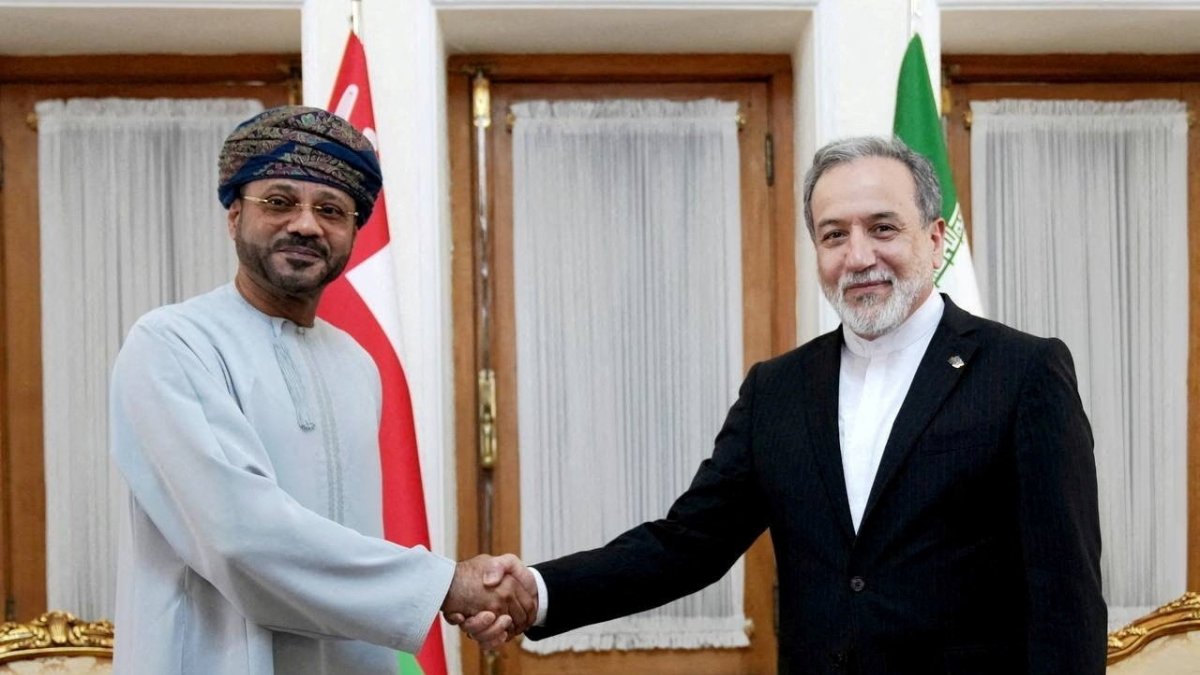
Iranian Foreign Minister Abbas Araghchi and Omani Foreign Minister Badr Albusaidi led the discussions in Tehran, producing an agreement that both governments are framing as an interim fix while a permanent management framework gets negotiated. The August 25 Iran-Oman agreement builds on the MoU’s framework, giving the commercial passage commitment a bilateral institutional shape rather than leaving it as a U.S.-Iran bilateral arrangement alone.