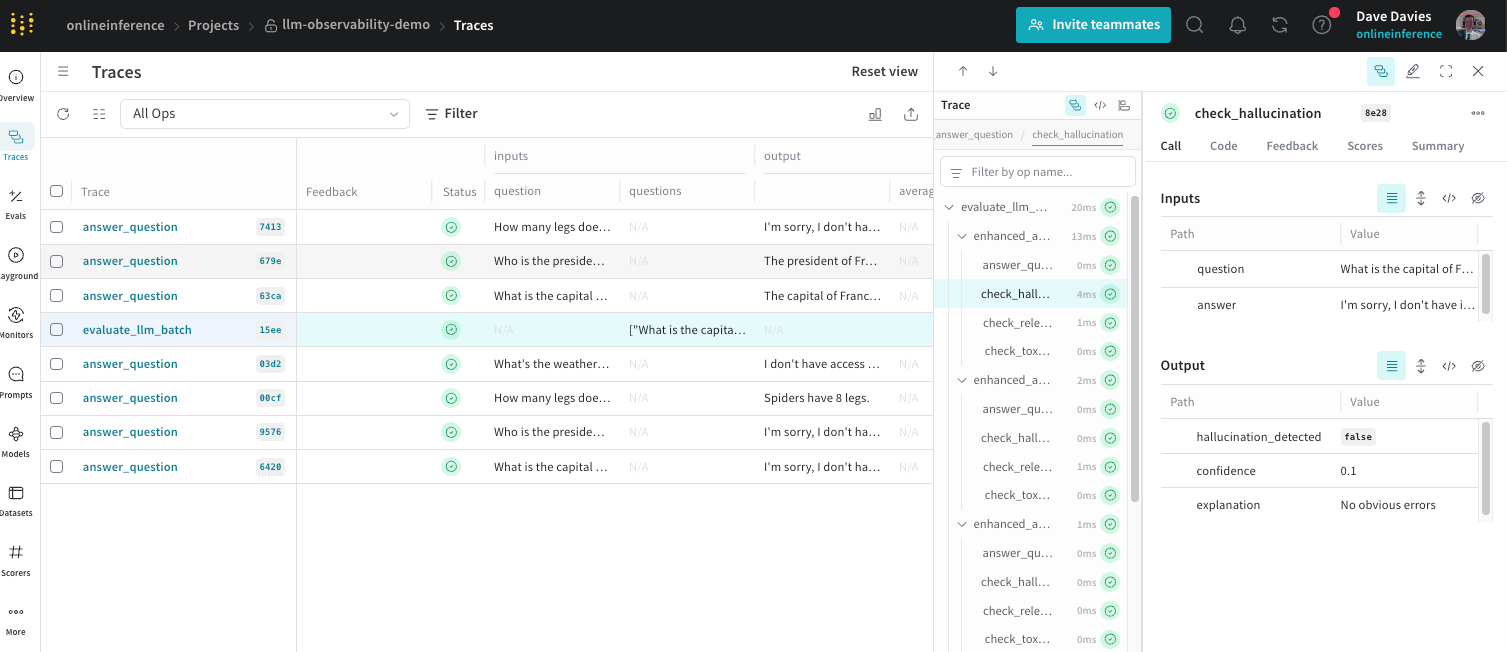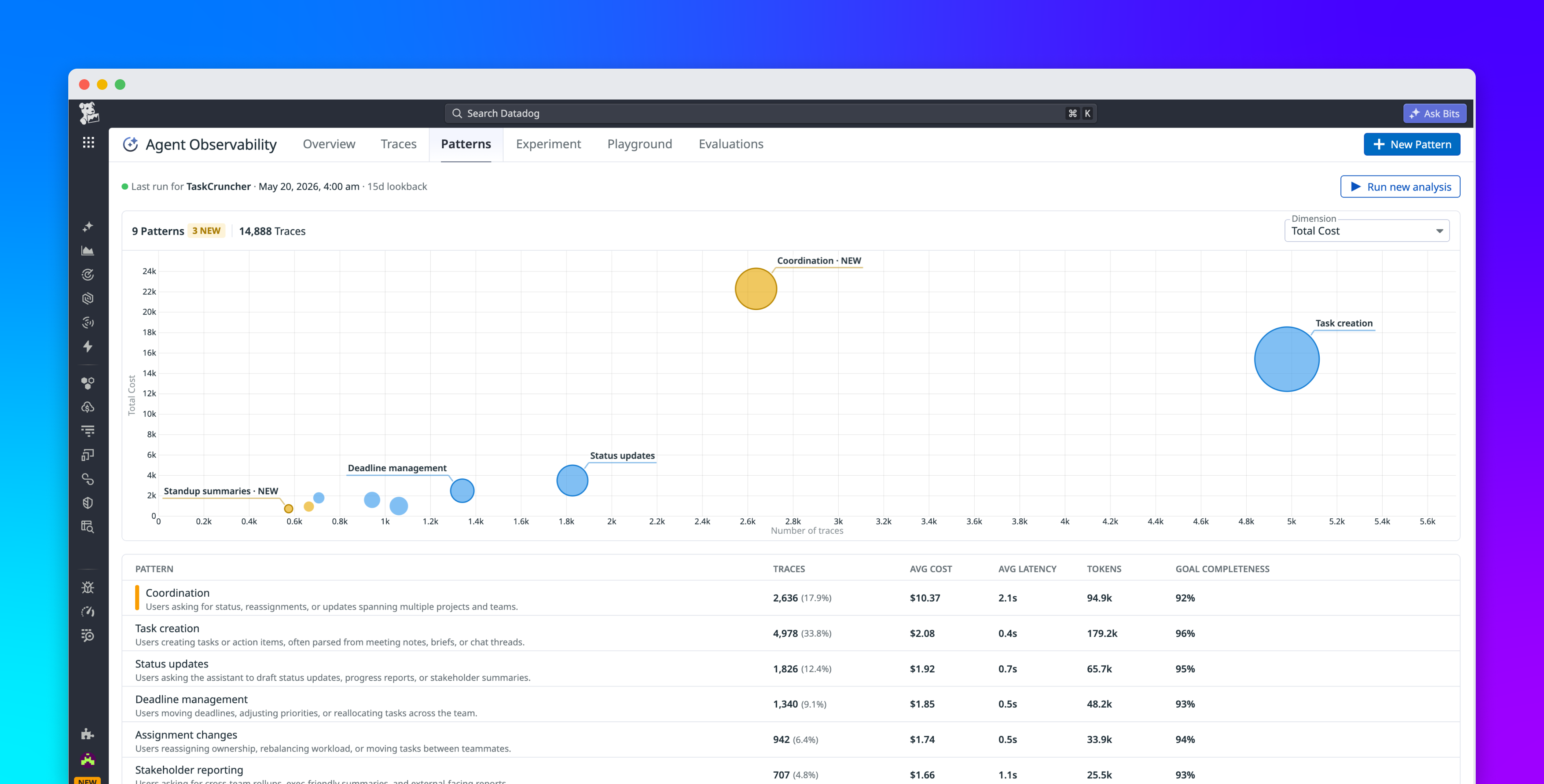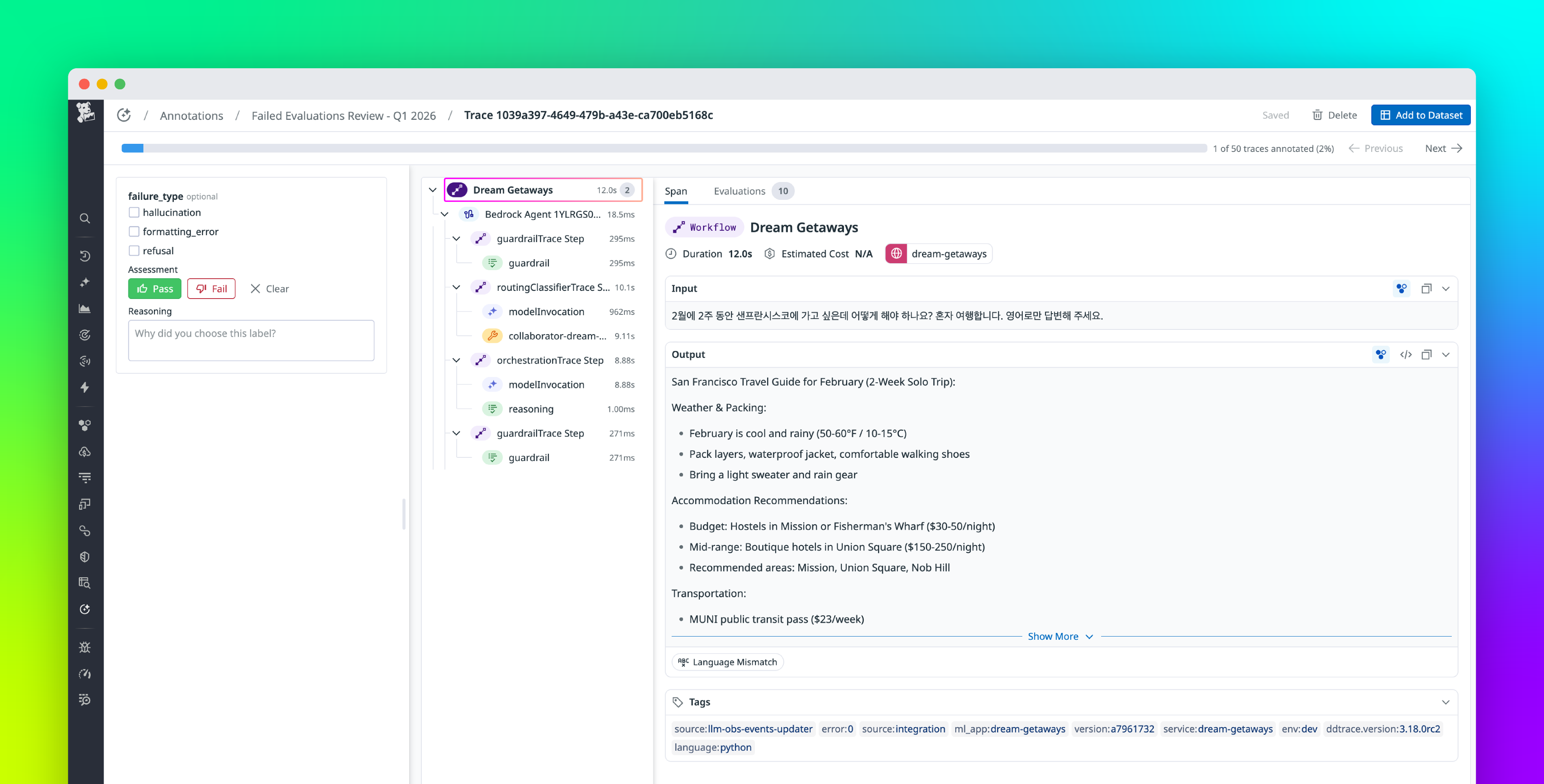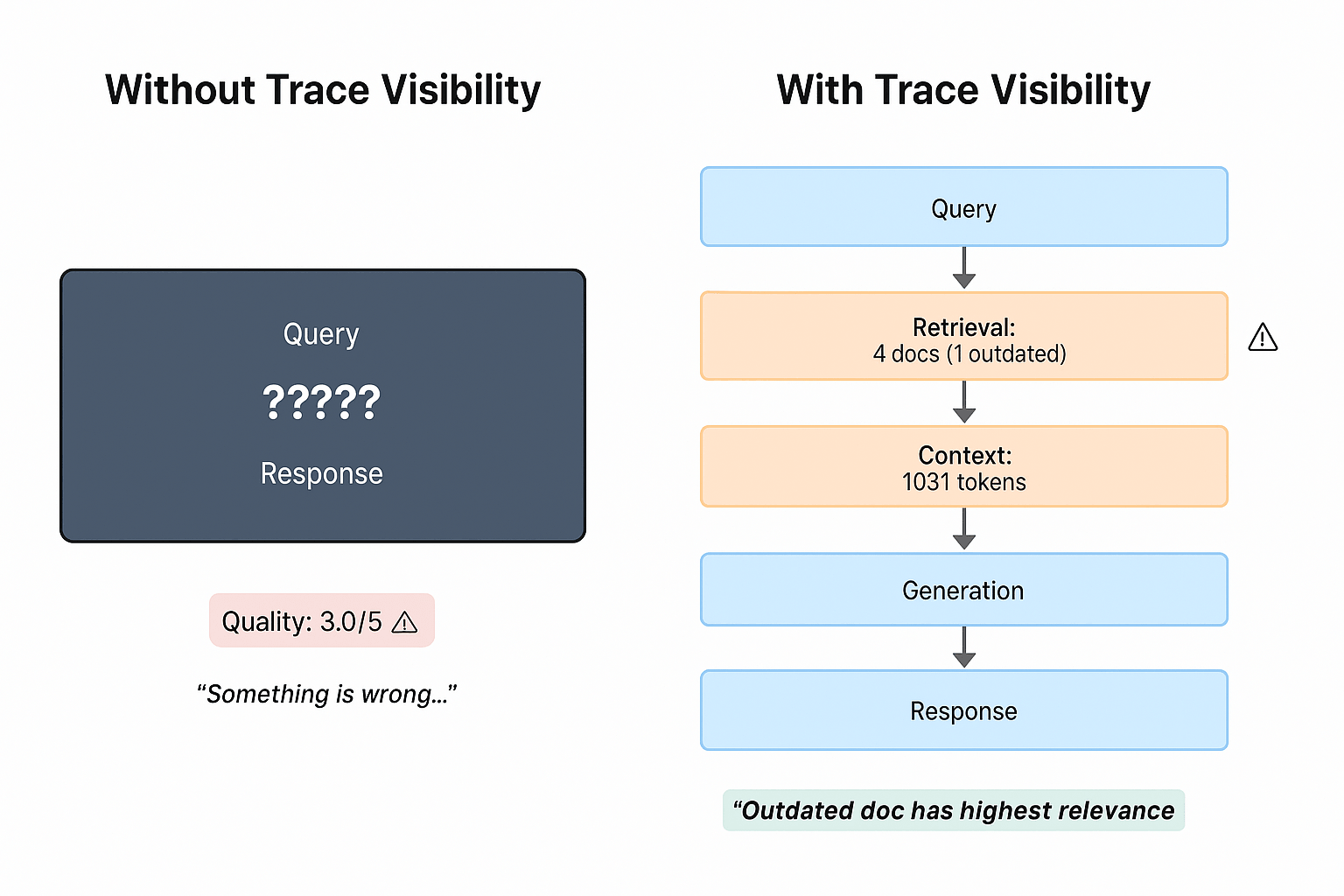
Example 2: How to implement continuous monitoring in practiceThe powerful principles we’ve discussed (trace logging during inference, automated evaluation on logged data, and visual monitoring for pattern detection) demand robust infrastructure. While you could build a custom solution, modern LLMOps platforms are designed to provide these capabilities out of the box. This section will walk through a practical implementation using W&B Weave, though similar workflows apply to other platforms like LangSmith, Langfuse, or custom solutions.Step 1: Instrumenting your RAG pipeline for observabilityProduction monitoring begins with structured logging that captures component-level data at every step. Each request needs instrumentation to track inputs, outputs, latency, and costs. Here’s how this looks in practice using W&B Weave’s elegant decorators:import weave
import numpy as np
from anthropic import Anthropic
# Initialize tracking for your project
weave.init('llm-drift-monitoring-tutorial')