Belgium’s hydrogen refuelling announcements need to be tested against vehicles served and kilograms dispensed, not just station capacity.
Support CleanTechnica's work through a Substack subscription or on Stripe.
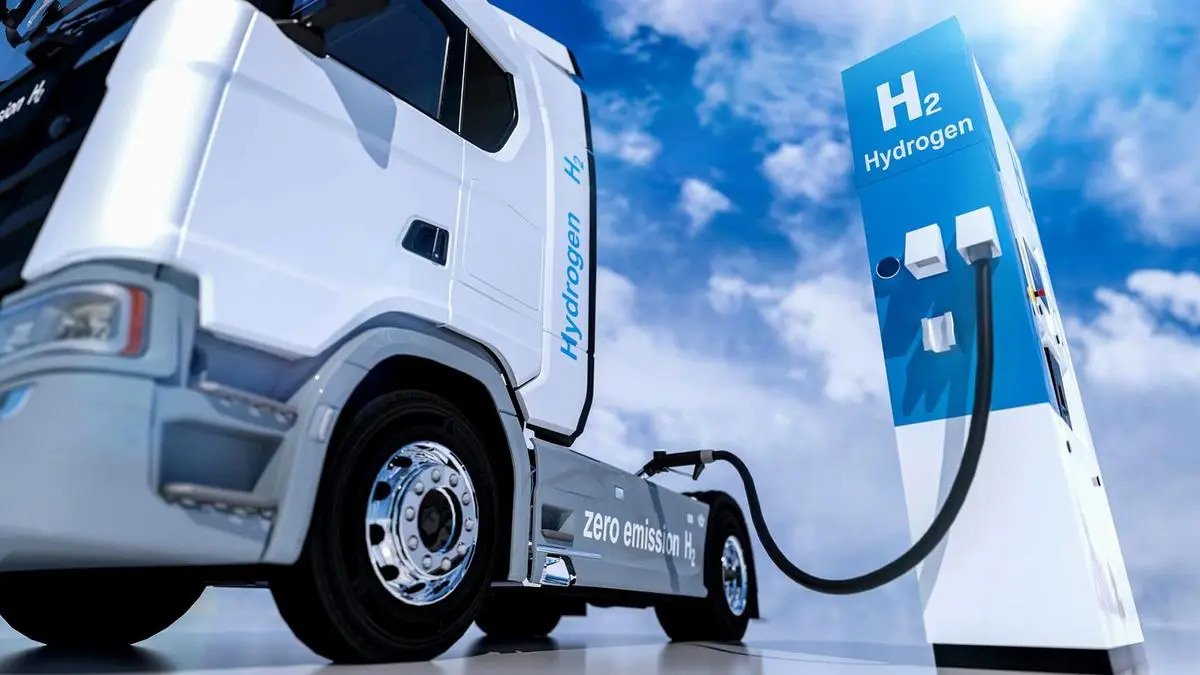
Belgium has another hydrogen refuelling announcement, and on the surface it sounds like progress. Atawey is selling three new hydrogen stations to Colruyt Group and Virya Energy for heavy-duty mobility, with a stated combined distribution capacity of more than 7 tonnes per day and deployment planned by the end of 2027. Seven tonnes sounds like an industrial number. In hydrogen mobility terms, it is more useful to say it plainly: more than 7,000 kilograms per day.
That is where the denominator problem starts. A station can have nameplate capacity. A corridor can have pins on a map. A press release can say heavy-duty mobility is scaling. But refuelling economics are not driven by tonnes printed in an announcement. They are driven by kilograms actually dispensed, vehicles actually arriving, uptime, delivered fuel cost, maintenance exposure, and repeat fleet orders when the pilot funding runs out.
The current Belgian vehicle denominator is still tiny. The Briefing analysis uses 109 hydrogen vehicles as the Belgian base, derived by combining the visible Belgian hydrogen vehicle records from public programme and fleet announcements rather than assuming the H2Benelux trial total represented Belgium. That is the number the new station capacity has to be tested against, not a future imagined fleet and not nameplate station capacity alone.